Carving Knife Vs Bread Knife: Ultimate Guide to Choosing Right
Are you confused about which knife to use for your kitchen tasks? Choosing between a carving knife and a bread knife can make a big difference in how easily you slice your food.
Whether you’re preparing a juicy roast or a fresh loaf of bread, using the right knife will save you time and effort. You’ll discover the key differences between carving knives and bread knives. By the end, you’ll know exactly which one fits your needs perfectly—and why it matters for your cooking experience.
Keep reading to sharpen your kitchen skills!
Carving Knife Features
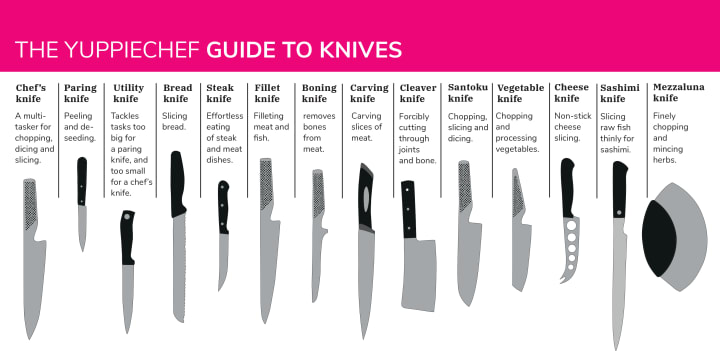
The carving knife has specific features that make it perfect for slicing meat. It helps create clean, thin cuts without tearing the food. Understanding these features will help you choose the right knife for your kitchen tasks.
Blade Design
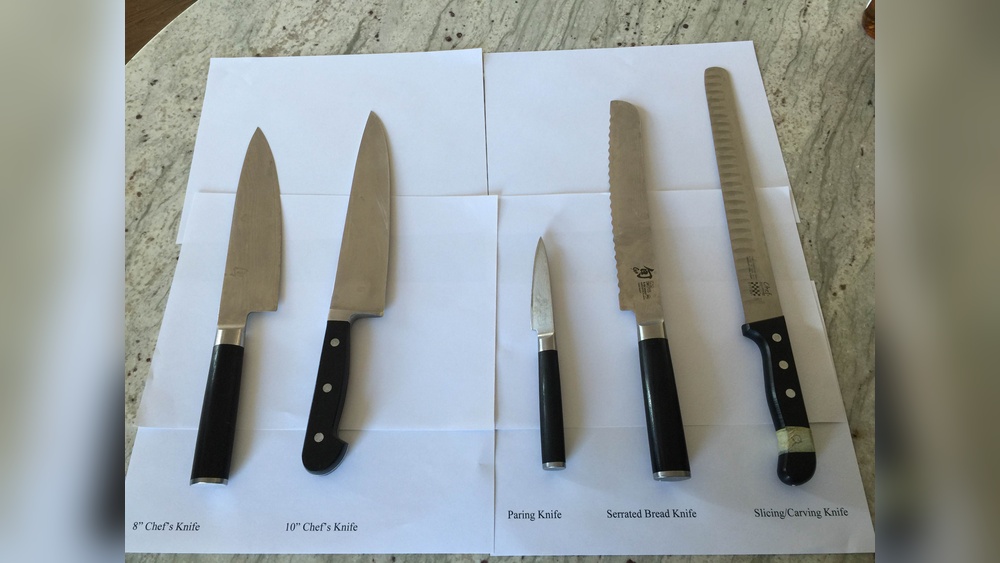
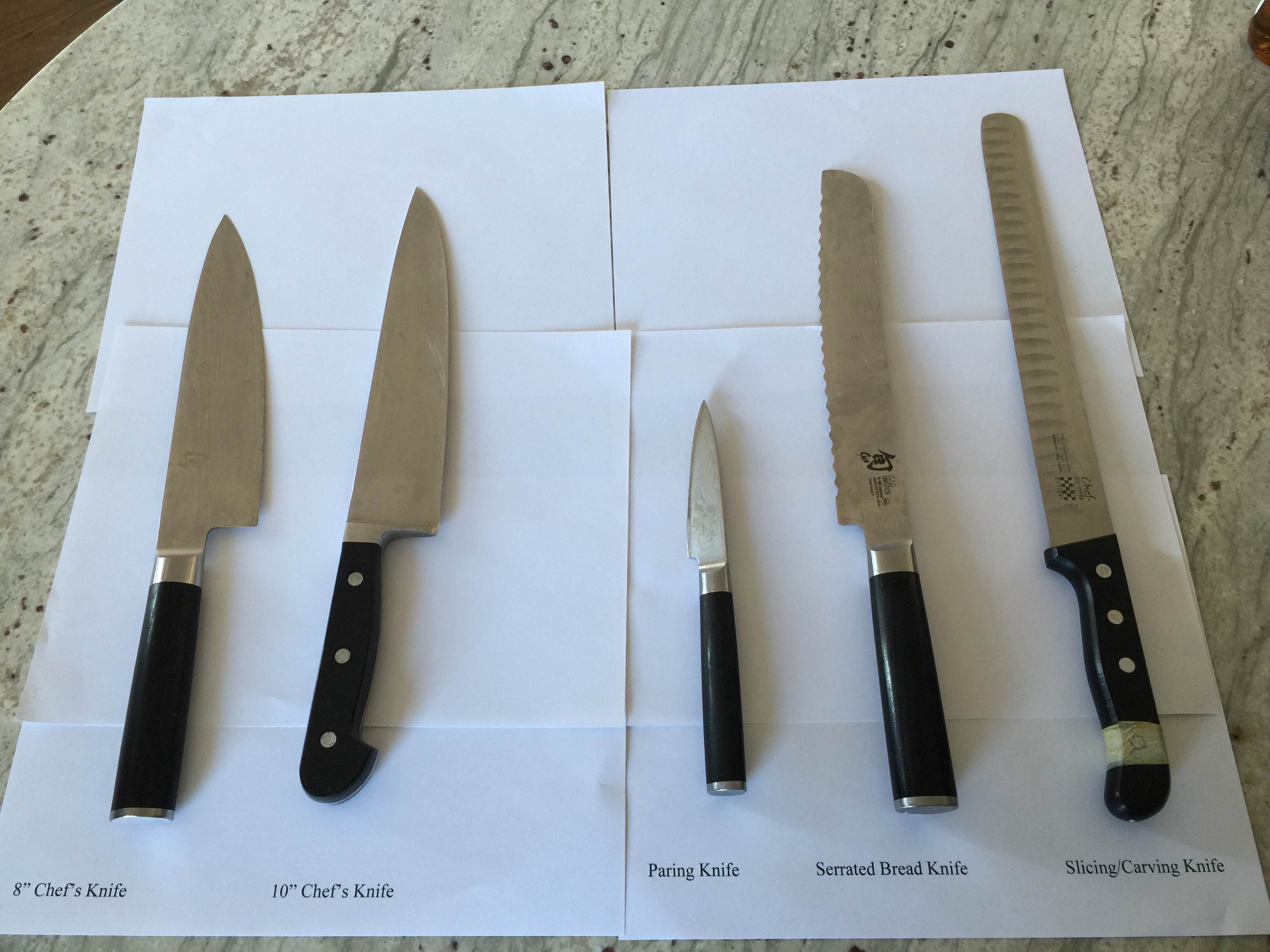
The blade of a carving knife is narrow and pointed. This shape allows precise slicing around bones and joints. The edges are sharp and smooth to cut through meat easily. The blade is usually straight, which helps make long, even slices.
Blade Length And Thickness
Carving knives often have blades between 8 and 15 inches long. The length gives good control for slicing large roasts and poultry. The blade is thin to reduce resistance while cutting. This thinness prevents crushing the meat’s texture.
Handle And Grip
Carving knives have handles designed for comfort and control. They offer a firm grip to avoid slipping during use. Many handles are made from wood, plastic, or composite materials. The shape fits well in the hand to reduce fatigue.
Common Uses
Carving knives are best for slicing cooked meats like turkey, ham, and roast beef. They work well for thin, even slices that look neat on the plate. The knife also helps separate meat from bones without tearing.
Bread Knife Features
Bread knives have special features that make slicing bread easy and neat. These knives are different from carving knives in shape and use. Understanding bread knife features helps you choose the right tool for your kitchen. Each part of the bread knife plays a role in cutting soft or crusty bread without squashing it.
Serrated Blade Design
Bread knives have a serrated edge. The teeth on the blade grip the bread’s surface. This stops slipping and crushing the loaf. The serrations cut through crusts smoothly. They also slice soft bread inside without tearing. This design works well on all bread types.
Blade Length And Flexibility
Bread knife blades are usually long, around 8 to 10 inches. The length helps slice large bread loaves in one go. Some blades are flexible to follow the shape of the bread. This flexibility helps cut thin, even slices. A firm blade works better for harder crusts.
Handle Styles
Bread knives come with different handles. Some have wooden handles for a classic look. Others use plastic or rubber for better grip. A comfortable handle reduces hand fatigue. It also gives good control while cutting. Choose a handle that feels secure and fits your hand well.
Typical Applications
Bread knives are mainly for cutting bread. They work well on baguettes, sandwich bread, and rolls. These knives also slice cakes and pastries with crusts. The serrated edge cuts soft and hard textures smoothly. Avoid using bread knives on meat or vegetables.
Cutting Performance Comparison
Choosing between a carving knife and a bread knife depends on how well they cut different foods. Each knife has a unique design that affects its cutting performance. Understanding these differences helps you pick the right tool for your kitchen tasks.
Slicing Meat
A carving knife has a long, thin blade that slices meat smoothly. It cuts through roasts and poultry with clean, even slices. The blade’s sharp edge reduces tearing and keeps meat juices inside.
In contrast, a bread knife’s serrated blade struggles with meat. It can tear the surface and create uneven cuts. This knife is not ideal for slicing cooked meat.
Cutting Bread
Bread knives excel at cutting bread. Their serrated edges grip and saw through crusts easily. This design prevents squashing soft bread inside.
Carving knives, with smooth blades, tend to crush bread. They cannot cut through hard crusts without pressing down too much. Bread knives make cleaner slices on all bread types.
Handling Delicate Foods
Delicate foods need gentle cutting. Carving knives offer better control and precise cuts. They can slice thin pieces of fish or cooked vegetables without damage.
Bread knives are too rough for delicate items. Their serrated teeth can tear soft textures. This knife is better saved for tougher foods.
Ease Of Use
Carving knives feel balanced and easy to handle for steady cutting. Their straight blades glide through food with less effort.
Bread knives require a sawing motion, which can tire the hand. This motion takes practice to control. For daily use, carving knives offer smoother handling.
Credit: knifevibe.com
Maintenance And Care
Proper maintenance and care keep your carving and bread knives sharp and safe. Good care helps the knives last longer. It also keeps them working well for every use.
Sharpening Techniques
Carving knives need a smooth, sharp edge for clean cuts. Use a whetstone or a sharpening steel. Hold the blade at a 20-degree angle. Move it evenly across the sharpener. Bread knives have serrated edges. Use a special sharpener for serrations or a ceramic rod. Sharpen each serration carefully to keep the teeth effective.
Cleaning Tips
Wash knives by hand with warm, soapy water right after use. Avoid the dishwasher; it can damage the blade and handle. Dry knives immediately with a soft cloth. This stops rust and water spots. Keep the blades clean to avoid food buildup and stains.
Storage Recommendations
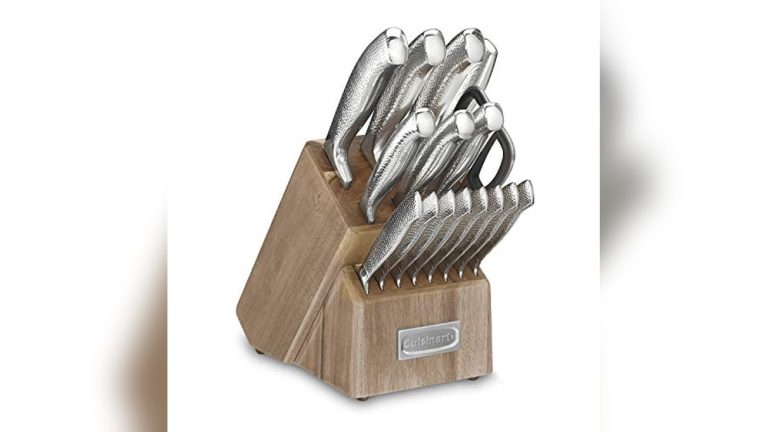
Store knives in a knife block, magnetic strip, or blade guard. Avoid loose drawers that can dull or damage blades. Keep carving and bread knives separate to protect their edges. Proper storage keeps knives safe and ready for use.
Choosing The Right Knife
Choosing the right knife is important for cooking success. Each knife has a special job. Picking the best one helps you cut food easily and safely. It also saves time and makes cooking fun.
Assessing Your Cooking Needs
Think about what food you cut most. Carving knives are good for slicing meat. Bread knives work best for soft or crusty bread. Choose a knife that matches your cooking style. This way, you get the best results every time.
Budget Considerations
Knives come in many prices. Set a budget before buying. High-quality knives last longer but cost more. Cheaper knives may dull fast. Find a knife that fits your budget and quality needs.
Material And Build Quality
Look for strong materials like stainless steel. Good steel holds sharpness longer. Check the handle for comfort and grip. A well-made knife feels balanced and safe in hand. This helps you cut with control.
Versatility And Multi-functionality
Some knives work for many tasks. A carving knife can cut meat and large vegetables. Bread knives can slice cakes and fruits. Choose a knife that can do more if you want fewer tools in the kitchen.
Credit: www.thechoppingblock.com
:max_bytes(150000):strip_icc()/straight-vs-curved-and-serration-comparison-competition-testing-ashlee-redger-01-8233447955b94c84bf5072d57d033c89.jpeg)
Credit: www.seriouseats.com
Frequently Asked Questions
What Is The Main Difference Between Carving And Bread Knives?
Carving knives have a thin, sharp blade for slicing meat precisely. Bread knives have a serrated edge to cut through crusty bread without crushing it.
Can I Use A Bread Knife To Carve Meat?
Using a bread knife to carve meat is not ideal. It may tear the meat instead of slicing cleanly. A carving knife works better for smooth cuts.
Why Does A Carving Knife Have A Thinner Blade?
A thinner blade allows for more precise, thinner slices of meat. It reduces resistance while cutting, resulting in cleaner cuts and less damage to the food.
Is A Serrated Blade Better For Cutting Bread?
Yes, serrated blades grip and slice through hard crusts easily. This prevents crushing the soft interior of bread, making serrated bread knives ideal for this purpose.
Conclusion
Choosing the right knife makes cooking easier and safer. A carving knife cuts meat smoothly and thin. A bread knife slices bread without crushing it. Each knife has a clear job in the kitchen. Use them as they were made to get best results.
Simple tools can bring great taste to your meals. Keep your knives sharp and clean for best use. Enjoy cooking with the right knife in hand.