Bunka Knife Vs Chef Knife: Ultimate Guide to Perfect Kitchen Blades
Choosing the right knife can change the way you cook. When you stand in front of your cutting board, do you ever wonder which knife will make your work easier and faster?
The Bunka knife and the Chef knife are two popular choices, but they serve different purposes. If you want to know which one suits your kitchen style and skill level, keep reading. This guide will help you understand their key differences so you can pick the perfect tool for your cooking needs.
Your next meal could depend on it!
Credit: www.reddit.com
Bunka Knife Origins
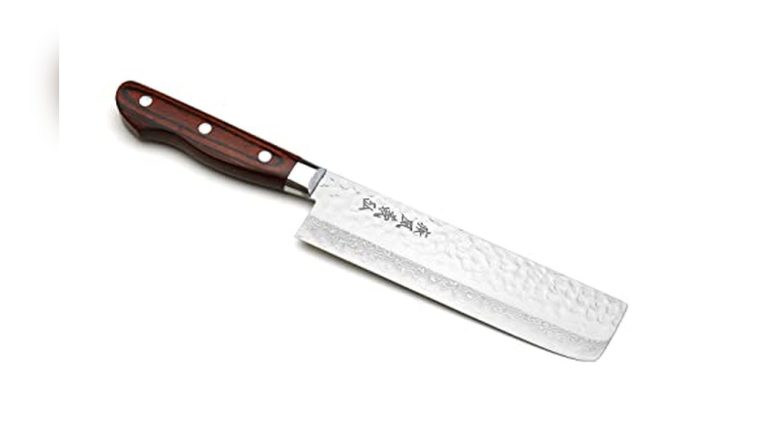
The Bunka knife has a unique place in the world of kitchen tools. It is a Japanese knife with a sharp and versatile design. The Bunka is known for its triangular tip and flat edge. This shape makes it useful for many cooking tasks. Its origins tell a story of tradition and skill passed down through generations.
History And Heritage
The Bunka knife started in Japan during the early 20th century. It is a modern style inspired by older Japanese knives. The name “Bunka” means “culture” in Japanese, reflecting the knife’s deep roots in Japanese life. It blends traditional craftsmanship with practical design. Blacksmiths used strong steel to make the blade sharp and durable. The knife became popular for home cooks and chefs alike.
Traditional Uses
The Bunka knife is used mainly for cutting vegetables, fish, and meat. Its sharp tip allows precise cuts and fine slicing. The wide blade helps scoop up food after cutting. It works well for chopping and dicing with ease. In Japanese kitchens, it often replaces other knives for everyday cooking. The Bunka’s shape suits many recipes and cooking styles.
Chef Knife Origins
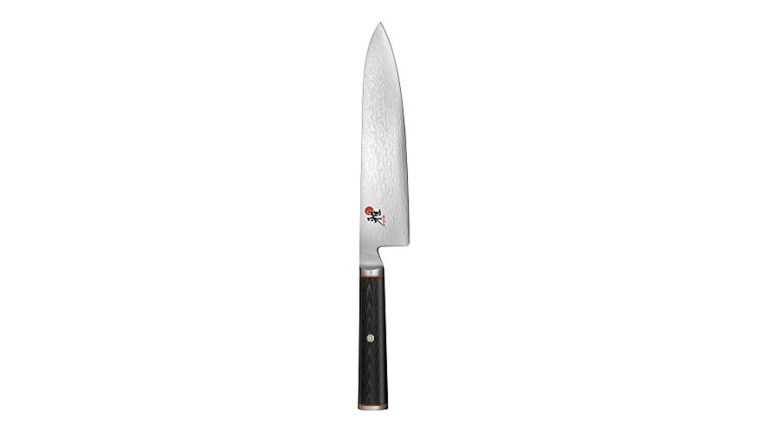
The chef knife has a rich history rooted in European kitchens. It evolved over centuries to meet the needs of cooks and chefs. Its design focuses on versatility and balance for various kitchen tasks.
The knife became popular due to its ability to handle many cutting styles. It combines a sharp edge with a comfortable handle for daily use. This tool became a staple in both home and professional kitchens worldwide.
Evolution Of The Chef Knife
The chef knife started as a simple blade for butchering meat. Over time, it transformed into a multi-purpose tool. The blade length, shape, and handle design improved for better control.
By the 19th century, the knife’s curved edge allowed for rocking motions. This made chopping vegetables and herbs easier and faster. Modern chef knives use high-quality steel for durability and sharpness.
Common Applications
Chef knives are used for slicing, dicing, chopping, and mincing. They work well on vegetables, fruits, meats, and herbs. The blade’s shape allows smooth, precise cuts without much effort.
These knives excel in tasks requiring control and speed. Many chefs rely on them for daily food preparation. Their versatility makes them an essential tool in any kitchen.
Blade Design Differences
The blade design is a key factor that sets the Bunka knife apart from the Chef knife. Each blade suits different cutting styles and kitchen tasks. Understanding these differences helps you pick the right knife for your needs.
Shape And Size
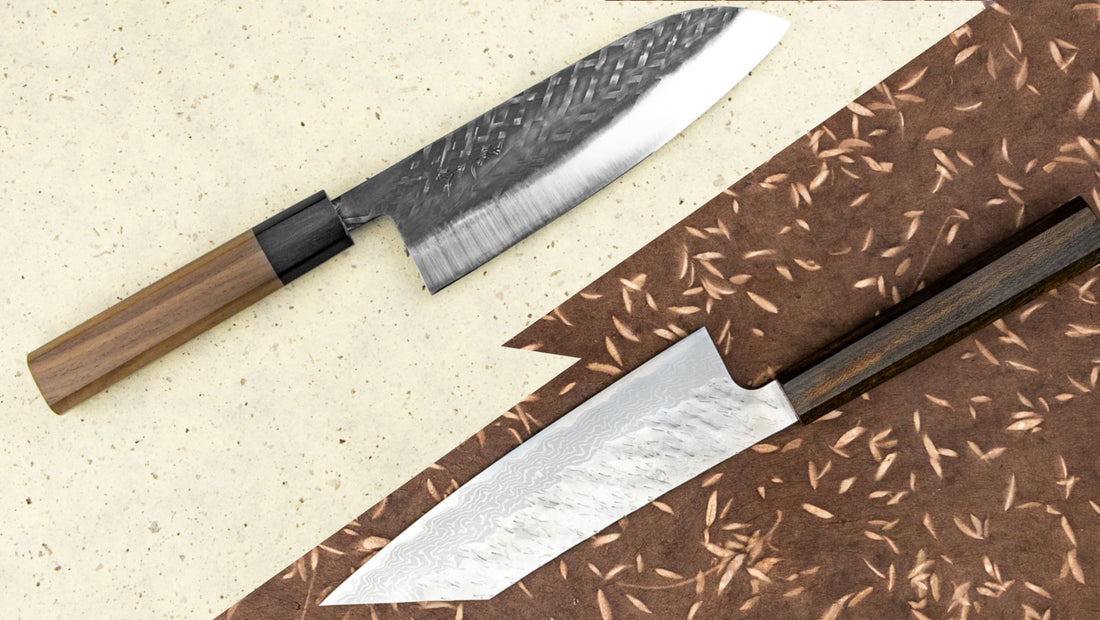
The Bunka knife has a unique triangular tip, called a “tanto” tip. This shape is sharp and ideal for detailed work. Its blade is usually shorter and thinner than a Chef knife. The Chef knife features a broad, curved blade. It is longer and wider, perfect for rocking motions during chopping. Both knives have strong blades but serve different cutting motions.
Blade Angle And Edge
Bunka knives often have a sharper blade angle, around 15 degrees per side. This makes the edge very precise and sharp. Chef knives usually have a wider angle, about 20 degrees per side. This design makes the edge tougher and better for heavy-duty work. The Bunka’s edge is great for slicing and fine cuts. The Chef knife’s edge handles chopping and dicing with ease.
Handle And Balance
The handle and balance of a knife affect how it feels and performs in your hand. Both the Bunka and chef knives offer unique designs. These features help users control the knife better. Comfort and stability matter most when cutting or chopping food.
Material Choices
Bunka and chef knives come with handles made of different materials. Common options include wood, plastic, and composite materials. Wooden handles give a traditional look and good grip. Plastic handles are lightweight and easy to clean. Composite handles combine strength and comfort. The material affects the knife’s weight and how it feels during use.
Ergonomics And Grip
Bunka knives tend to have a straighter handle shape. This design supports precise slicing and quick cuts. Chef knives usually have a curved handle. The curve fits the hand better for long chopping sessions. Both handle types aim to reduce hand fatigue. A good grip prevents slips and keeps control tight. Ergonomic handles improve safety and cutting accuracy.
Cutting Techniques
Cutting techniques vary between the Bunka knife and the Chef knife. Each knife suits different styles of cutting. Choosing the right knife affects how you chop, slice, and control your cuts. Understanding these differences helps improve your kitchen skills.
Chopping And Slicing
The Bunka knife has a pointed tip and a flat edge. This design allows quick chopping of vegetables and fruits. Its sharp blade slices cleanly through soft and hard items alike.
The Chef knife features a curved blade. This curve supports a rocking motion. The rocking helps in chopping herbs and vegetables smoothly. It also makes slicing meats easier and faster.
Precision And Control
The Bunka knife provides excellent precision. Its sharp tip helps in detailed tasks like dicing and mincing. The flat edge offers stability during straight cuts.
The Chef knife gives strong control with its balanced weight. The curve helps guide the blade through food. This balance reduces hand fatigue during long cutting sessions.
Best Uses In The Kitchen
The Bunka knife and the chef knife each have special strengths in the kitchen. Choosing the right knife helps make cooking easier and safer. Both knives cut well but serve different purposes.
Understanding their best uses helps you decide which to use for each task. The Bunka knife is sharp and precise. The chef knife is strong and versatile. Both are essential in a busy kitchen.
Vegetables And Fruits
The Bunka knife excels at slicing vegetables and fruits. Its pointed tip helps with detailed cuts. It is perfect for thin slices and fine dicing. The flat blade also allows smooth chopping motions.
The chef knife works well for larger vegetables. It handles tough skins and thick stems easily. Its curved blade helps rock the knife back and forth. This makes chopping quick and efficient.
Meat And Fish Preparation
The chef knife is ideal for cutting meat and fish. Its strong blade cuts through bones and joints. It can also trim fat and sinew cleanly. The broad blade lets you scoop up ingredients too.
The Bunka knife is good for delicate fish work. Its sharp edge helps make clean fillets. It also slices thin cuts of meat with precision. The knife’s shape aids in clean, controlled cuts.
Maintenance And Sharpening
Proper maintenance and sharpening keep both Bunka and Chef knives effective. Good care extends their sharpness and usability. Each knife type needs specific attention to maintain its edge and shape.
Sharpening methods vary by blade design. The Bunka has a unique angled edge, needing careful sharpening. The Chef knife, with its curved blade, suits different sharpening tools and techniques.
Sharpening Methods
Use a whetstone for both knives to get the best edge. The Bunka’s angled tip needs sharpening at about 15 degrees. The Chef knife works well with a 20-degree angle on the stone.
Electric sharpeners fit the Chef knife but may damage the Bunka’s delicate edge. Honing rods keep the edge straight and sharp between full sharpenings. Regular honing reduces the need for heavy sharpening.
Care Tips For Longevity
Wash knives by hand with mild soap and water immediately after use. Dry them well to stop rust and corrosion. Avoid dishwashers; they dull blades and harm handles.
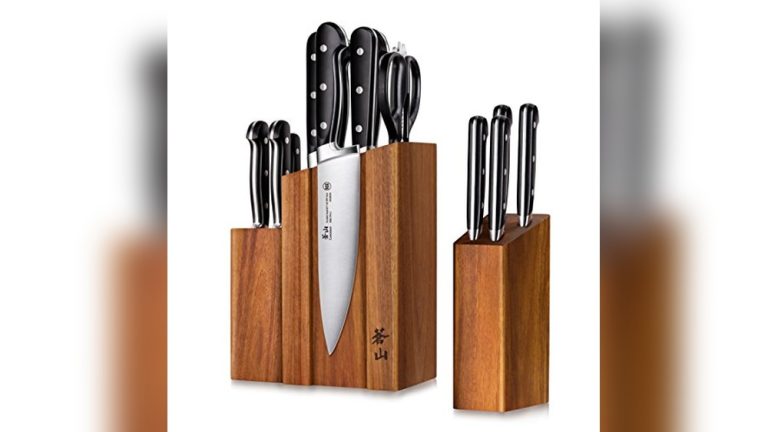
Store knives in a wooden block or magnetic strip to protect edges. Use cutting boards made of wood or plastic to keep blades sharp. Avoid cutting on hard surfaces like stone or glass.
Price And Availability
Price and availability play a big role when choosing between a Bunka knife and a Chef knife. Both knives come in many price ranges. You can find options that fit tight budgets or high-end collections. Knowing what to expect helps you pick the right knife for your kitchen.
Budget Options
Bunka and Chef knives both have affordable choices. Many beginner sets include either style at a low cost. These knives often use stainless steel blades. They work well for daily tasks and basic cooking. You can find budget knives online or in local stores. They offer good value for home cooks on a budget.
High-end Choices
High-end Bunka and Chef knives feature premium materials. These knives use high-carbon steel for sharper, longer-lasting edges. Craftsmen often hand-forge these blades for quality. Prices for these knives rise because of the materials and work involved. Specialty knife shops and online retailers carry these knives. They suit professional chefs or serious cooking enthusiasts.
Choosing The Right Knife
Choosing the right knife makes cooking easier and safer. The Bunka knife and the Chef knife both have unique strengths. Understanding your needs helps you pick the best one for your kitchen. Consider your skill level and personal taste before buying a knife.
Skill Level Considerations
Beginners may find the Chef knife easier to handle. It has a curved blade that helps with rocking cuts. This makes chopping vegetables simple and fast. The Bunka knife has a straighter edge. It needs more control and practice to use well. Experienced cooks can use the Bunka knife for precise cuts. It excels at slicing and dicing with accuracy.
Personal Preferences
Think about the types of food you prepare most. The Chef knife suits many tasks from meat to vegetables. It feels comfortable for long cooking sessions. The Bunka knife works well for detailed work. It is lighter and sharper for delicate slicing. Handle shape and weight also affect comfort. Try holding both knives to see which fits better. Your choice should match your cooking style.

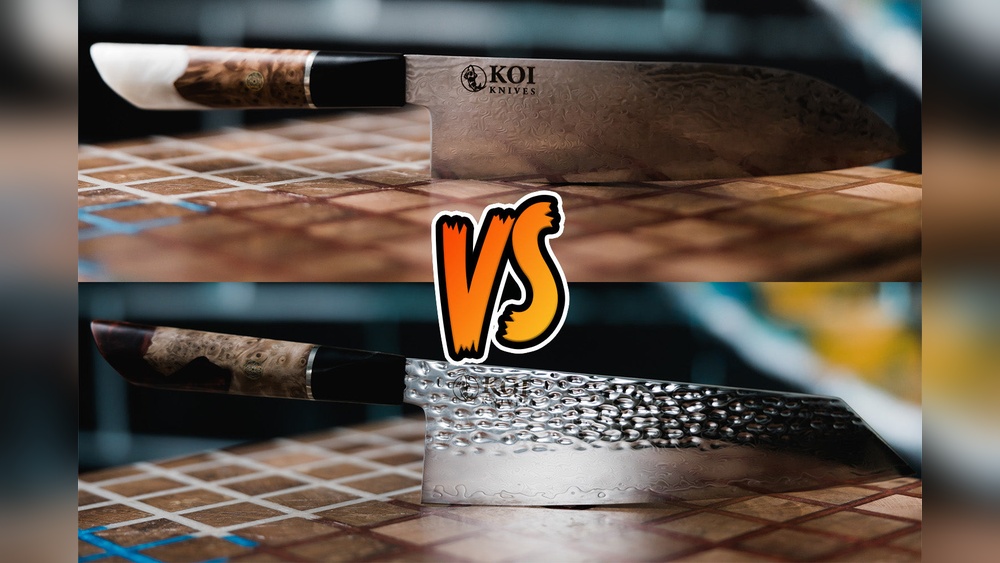
Credit: www.koiknives.com
Credit: knifewear.com
Frequently Asked Questions
What Are The Main Differences Between Bunka And Chef Knives?
Bunka knives have a distinctive angled tip and thinner blade, ideal for precision tasks. Chef knives feature a curved edge for rocking cuts. Both are versatile but differ in design and cutting style.
Which Knife Is Better For Chopping Vegetables?
Bunka knives excel at thin slicing and fine chopping. Chef knives handle larger vegetable chopping with a rocking motion. Choose based on your preferred cutting technique and vegetable types.
Can A Bunka Knife Replace A Chef Knife?
While a Bunka knife can perform many Chef knife tasks, it may not be ideal for heavy-duty chopping. It is best as a complementary tool rather than a full replacement.
How To Maintain And Sharpen Bunka Vs Chef Knives?
Both require regular honing and sharpening with whetstones. Bunka knives need careful edge maintenance due to thinner blades. Chef knives are more robust but still benefit from routine care.
Conclusion
Choosing between a Bunka knife and a chef knife depends on your cooking style. The Bunka knife shines with precise slicing and detail work. The chef knife handles many tasks well, from chopping to dicing. Both knives offer unique benefits in the kitchen.
Think about the types of food you prepare often. A well-chosen knife can make cooking easier and more enjoyable. Try both if you can, and find what fits your needs best. Your kitchen skills will improve with the right tool in hand.