Bunka Knife Vs Nakiri: Ultimate Guide to Choosing the Best Knife
Are you wondering which knife will make your kitchen work easier: the Bunka knife or the Nakiri? Choosing the right knife can change how you prepare your meals every day.
Both knives look similar but serve different purposes that could either speed up your chopping or slow you down. You’ll discover the key differences, benefits, and which knife fits your cooking style perfectly. Keep reading, and by the end, you’ll feel confident picking the best knife for your kitchen tasks.

Credit: www.youtube.com
Bunka Knife Origins
The Bunka knife has a unique place in Japanese kitchen tools. It blends tradition with modern cooking needs. Understanding its origin helps appreciate its design and use. The Bunka’s history and design tell a story of skilled craftsmanship and practical use.
History And Tradition
The Bunka knife started in Japan in the mid-20th century. It was made for home cooks and professionals. Its shape is inspired by traditional Japanese knives. The knife’s name means “culture” or “civilization.” It reflects the blend of old and new styles. Bunka knives are part of Japan’s rich knife-making heritage.
Chefs use Bunka knives for many tasks. These knives became popular due to their versatility. They cut vegetables, fish, and meat with ease. The design draws from classic Japanese knives but adds unique features. This helps chefs work faster and more efficiently.
Design Features
The Bunka knife has a sharp, triangular tip. This tip makes it easy to cut small, delicate items. Its blade is usually 5 to 7 inches long. The edge is straight, with a slight curve near the tip. This shape helps with slicing and chopping.
The handle is balanced for comfort and control. The blade is often made of high-quality steel. It holds a sharp edge longer than many Western knives. The Bunka’s design blends strength and precision. This makes it a great tool for everyday cooking tasks.
Nakiri Knife Origins
The Nakiri knife is a traditional Japanese kitchen tool. It is mainly used for cutting vegetables. Its design and purpose have deep roots in Japanese culture and cooking styles.
The knife’s shape and use reflect the needs of home cooks and professional chefs alike. Understanding its origins helps to appreciate its value in the kitchen.
Historical Background
The Nakiri knife dates back to the Edo period in Japan, around the 1600s. It was created to meet the demand for efficient vegetable cutting. At that time, vegetables were a staple in Japanese diets. The flat blade made slicing easier and faster. This design helped preserve the shape and texture of vegetables. Over time, the Nakiri became popular in households and restaurants.
Unique Design Elements
The Nakiri features a straight, flat blade. This shape allows full contact with the cutting board. It makes chopping vegetables smooth and even. The blade is usually thin and lightweight. This helps reduce hand fatigue during long prep sessions. The knife often has a squared-off tip, unlike pointed Western knives. This design prevents piercing and helps with precision cutting. The handle is typically simple and balanced for comfort and control.
Blade Shape Comparison
The blade shape plays a key role in how a knife performs. Both Bunka and Nakiri knives have unique blade designs. These shapes affect cutting style, control, and the type of food each knife handles best.
Understanding their blade shapes helps you pick the right knife for your kitchen tasks. Let’s compare the Bunka and Nakiri blades closely.
Edge Profile
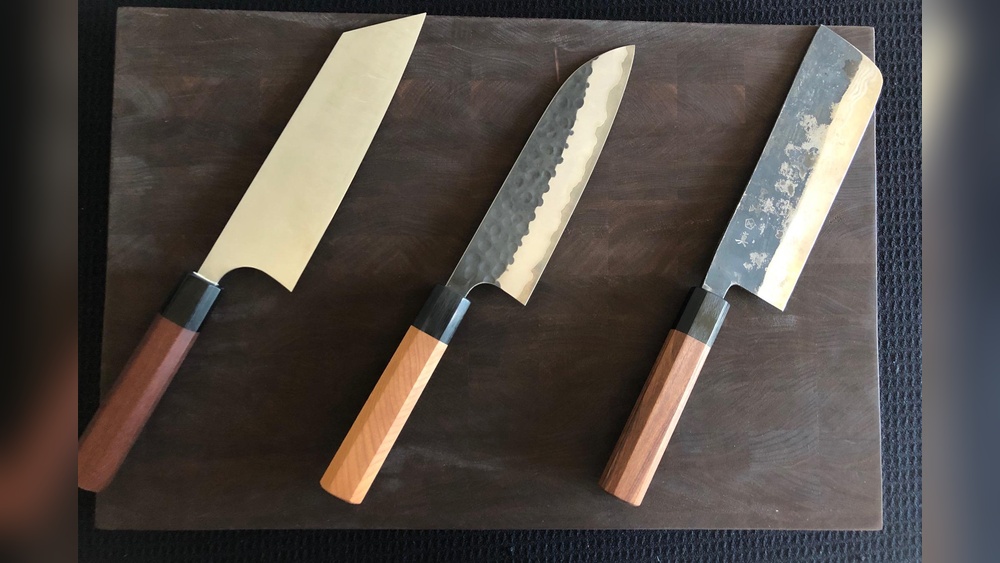
The Bunka knife features a pointed tip with a curved edge. This design allows slicing, dicing, and even some light chopping. The tip helps with detailed cuts and peeling.
The Nakiri has a straight, flat edge from tip to heel. This design is perfect for straight, clean cuts. It excels at chopping vegetables with a straight up-and-down motion.
Bunka’s curved edge offers versatility. Nakiri’s flat edge focuses on precision and speed in vegetable cutting.
Blade Thickness
Bunka knives usually have a thinner blade. This thinness helps make delicate cuts and thin slices. It reduces resistance when cutting through soft foods.
Nakiri blades tend to be thicker and more robust. This thickness adds strength, making chopping easier. It helps cut through firm vegetables without bending.
The thin Bunka blade suits detailed work. The thicker Nakiri blade suits heavy chopping tasks.
Cutting Performance
Cutting performance is a key factor when choosing between a Bunka knife and a Nakiri. Each knife offers unique strengths for different tasks. Understanding these can help you pick the right tool for your kitchen.
Vegetable Preparation
The Nakiri knife excels at chopping vegetables. Its straight blade makes clean cuts through firm and soft produce. This design helps cut vegetables quickly and evenly. The Bunka, with its angled tip, works well for slicing and dicing. It handles vegetables but also suits light meat cutting. Both knives keep vegetables intact without crushing them.
Precision And Control
The Bunka offers excellent control for detailed work. Its pointed tip allows for delicate cuts and trimming. The Nakiri provides steady, straight cuts with less wrist movement. Its flat edge helps maintain balance during chopping. Each knife lets you work with accuracy but suits different cutting styles. Choose based on the level of precision needed.
Handle And Balance
The handle and balance of a knife greatly affect its comfort and control. Both Bunka and Nakiri knives offer unique designs that suit different cutting styles. Understanding their handle material and weight distribution helps you pick the right tool for your kitchen tasks.
Material And Grip
Bunka knives often feature wooden or composite handles. These materials feel warm and natural in the hand. Their shape usually tapers, allowing a firm grip for precise cuts.
Nakiri knives typically have straight, rectangular handles. They are made from wood or plastic. This design offers a secure hold, especially for chopping vegetables.
Both knives aim to prevent slipping. Textured surfaces or smooth finishes can impact the grip. Choosing the right handle material depends on your comfort and kitchen use.
Weight Distribution
Bunka knives have a balanced weight between the blade and handle. This balance supports rocking and slicing motions well. It feels steady and agile for detailed work.
Nakiri knives usually feel heavier towards the blade. This forward weight helps with chopping straight down. It makes cutting through vegetables easier and faster.
Weight distribution affects control and fatigue. A balanced knife reduces wrist strain during long prep sessions. A blade-heavy knife increases cutting power but may tire your hand faster.
Maintenance And Durability
Maintenance and durability are key factors when choosing between a Bunka knife and a Nakiri. Both knives require care to stay sharp and last long. Proper upkeep keeps the blade in good shape and ensures safe cutting. Understanding how to maintain each knife helps you get the best use from them.
Sharpening Techniques
Bunka knives have a pointed tip and a curved edge. This shape needs sharpening with a whetstone or sharpening system. Use a consistent angle, usually around 15 degrees, to keep the blade sharp. Sharpen the entire edge evenly for smooth cutting.
Nakiri knives have a straight edge, ideal for chopping vegetables. Sharpening should focus on the flat edge and be done with a whetstone. Keep a steady angle near 15 degrees. Regular sharpening keeps the blade clean and precise.
Rust Resistance
Bunka knives often use harder steel, which can rust without care. Dry the blade completely after washing. Apply a thin layer of oil to protect the metal.
Nakiri knives usually have softer steel. They need more attention to avoid rust. Clean and dry the blade right after use. Store the knife in a dry place to prevent moisture damage.
Choosing For Your Kitchen
Selecting the right knife can change your cooking experience. Both Bunka and Nakiri knives offer unique benefits. Choosing depends on your kitchen needs and habits.
Think about what you cook most and how you prepare ingredients. The right knife makes tasks easier and safer. Consider your budget too, as quality knives vary in price.
Cooking Style Considerations
Bunka knives are versatile. They work well for slicing, dicing, and chopping meat and vegetables. Their pointed tip helps with detailed cuts.
Nakiri knives focus on vegetables. Their flat blade cuts cleanly through greens and roots. Ideal for straight, precise chopping motions.
Choose Bunka if you want one knife for many tasks. Pick Nakiri if you mostly prepare vegetables and want precision.
Budget Factors
Bunka knives can range from affordable to high-end. Prices depend on brand, materials, and craftsmanship.
Nakiri knives often come at a lower price point but can also be premium. The choice depends on your budget and needs.
Invest in a good knife. It lasts longer and feels better in use. Avoid the cheapest options to save money later.

Credit: www.koiknives.com
Popular Bunka And Nakiri Models
Choosing the right knife matters for your kitchen tasks. Bunka and Nakiri knives suit different cutting styles. Both have popular models loved by cooks worldwide. Each model offers unique features, helping with slicing, dicing, or chopping.
Understanding these popular models helps find the best fit. Below are some top choices for both Bunka and Nakiri knives.
Top Bunka Picks
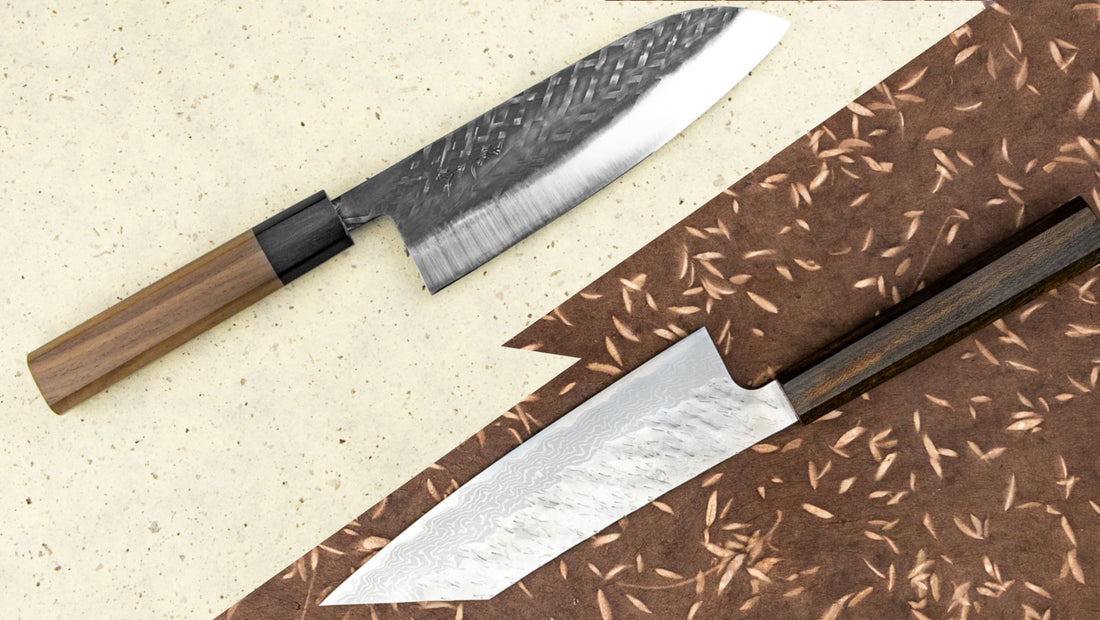
The Bunka knife is versatile with a sharp tip and a flat edge. The MAC MTH-80 is a favorite for its sharpness and balance. It cuts vegetables and meats with ease. The Shun Classic Bunka stands out for its beautiful design and strong blade. It offers precision and durability for daily use. Another popular model is the Tojiro DP Bunka. It combines quality steel with a comfortable handle. These models suit cooks who want a multipurpose knife with style.
Top Nakiri Picks
Nakiri knives excel at chopping vegetables. The Global Nakiri is famous for its lightweight and sharp edge. It cuts through veggies smoothly and safely. The Yoshihiro Aogami Nakiri uses high-carbon steel for long-lasting sharpness. This knife feels solid and reliable in hand. Another good choice is the Misono UX10 Nakiri. It has a thin blade that offers clean, even cuts. These Nakiri models help prepare vegetables quickly and neatly.
Credit: knifewear.com
Frequently Asked Questions
What Is The Main Difference Between Bunka And Nakiri Knives?
The Bunka knife has a pointed tip for versatile cutting, while the Nakiri has a squared tip for precise vegetable slicing. Bunka suits various tasks, Nakiri excels in chopping vegetables cleanly.
Which Knife Is Better For Chopping Vegetables, Bunka Or Nakiri?
Nakiri knives are specifically designed for chopping vegetables with a straight blade. Bunka knives can handle vegetables but are more versatile for multiple tasks.
Can A Bunka Knife Replace A Nakiri Knife In The Kitchen?
A Bunka knife can replace a Nakiri for general use, but Nakiri offers better precision for vegetable chopping. Choosing depends on your cooking style.
How Do The Blade Shapes Of Bunka And Nakiri Differ?
Bunka blades have a pointed tip and a slight curve for versatile cutting. Nakiri blades are flat with a squared tip, perfect for straight vegetable cuts.
Conclusion
Choosing between a Bunka knife and a Nakiri depends on your cooking style. Bunka knives handle many tasks well, from slicing to chopping. Nakiri knives excel at chopping vegetables with smooth, clean cuts. Both knives bring unique benefits to your kitchen.
Think about what foods you prepare most often. This will help you pick the right tool. A good knife makes cooking easier and more enjoyable. Choose the knife that feels best in your hand. Practice with it, and you will see the difference.