Otf Knife Vs Switchblade: Ultimate Comparison for Knife Enthusiasts
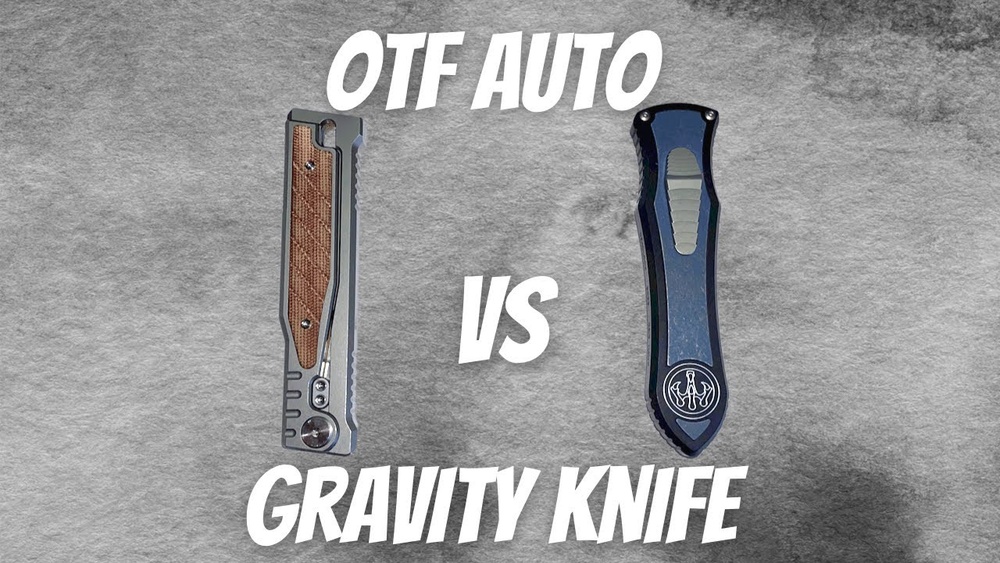
When it comes to choosing a reliable pocket knife, you might find yourself torn between an OTF knife and a switchblade. Both offer quick access and impressive style, but which one truly fits your needs?
Understanding the differences can save you money, improve your safety, and boost your confidence every time you reach for your blade. You’ll discover the key features, pros, and cons of each knife type—so you can make the smartest choice for your everyday carry.
Ready to find out which knife deserves a spot in your pocket? Keep reading.

Credit: www.youtube.com
Otf Knife Basics
An OTF knife stands for “out-the-front” knife. It has a blade that slides out from the handle’s front. This design lets the blade open quickly with one hand. Many people like OTF knives for their speed and convenience.
OTF knives come in different styles and sizes. They have a unique mechanism that sets them apart from other knives. Understanding the basics helps you see why some prefer OTF knives over switchblades.
Design Features
OTF knives have a blade that moves straight out. The blade slides through a slot in the handle. A button or switch controls the blade’s movement. This allows fast opening and closing. The handle often hides the blade completely when closed. The blade locks in place when open for safety.
Types Of Otf Knives
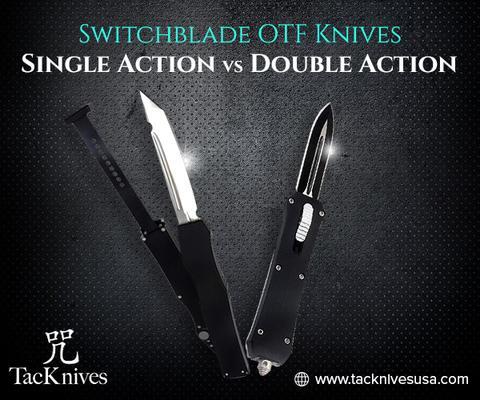
There are two main types of OTF knives. The first is single-action. This type opens the blade with a switch. You must close the blade manually. The second is double-action. It opens and closes the blade with the same switch. Double-action OTF knives are more complex but easier to use.
Common Uses
Many people use OTF knives for everyday tasks. They are handy for cutting ropes, boxes, and cords. OTF knives also serve well in emergency situations. First responders sometimes use them for quick access. Their fast deployment makes them useful for self-defense too.
Credit: tacknivesusa.com
Switchblade Essentials
Switchblades are knives with blades that open automatically. They open quickly with a button or switch. This makes them easy to use in many situations. Many people like switchblades for their speed and convenience. They come in different styles and sizes.
Understanding how switchblades work can help you choose the right one. Knowing popular models and their uses gives more insight into these knives. Here is a closer look at switchblade essentials.
Mechanism Explained
Switchblades have a spring inside. The spring holds the blade in place. When you press a button, the spring pushes the blade out fast. The blade locks open for safe use. To close, you release the lock and fold the blade back.
This mechanism allows quick one-handed opening. It is simple but effective. The speed is why many people prefer switchblades over other knives.
Popular Models
Many brands make switchblades. Some popular models include the Balisong, also called a butterfly knife. Another is the classic Italian switchblade, known for its sleek look. The Out-the-Front (OTF) switchblade is also common. It opens the blade straight out the front, not the side.
Each model offers different features. Choose one that fits your needs and style.
Typical Applications
Switchblades serve many purposes. They are useful for outdoor activities like camping and fishing. People use them for quick cutting tasks. Some carry them for self-defense due to fast deployment. Collectors enjoy switchblades for their unique designs.
Always check local laws before carrying a switchblade. Laws vary in different places.
Blade Deployment Speed
Blade deployment speed varies between OTF knives and switchblades. OTF knives use a sliding mechanism for quick action. Switchblades rely on a spring, often opening with a single push. Both offer fast access but differ in their opening style.
Understanding Blade Deployment Speed
Blade deployment speed means how fast a knife blade opens. It matters in emergencies and quick tasks. Fast opening can save time and effort. Both OTF knives and switchblades offer quick deployment. But their speeds vary due to design differences.
Otf Knife Deployment Speed
OTF stands for “Out The Front.” The blade slides straight out from the handle. A spring inside pushes the blade out quickly. Some OTF knives open in less than a second. The deployment feels smooth and controlled. You push a button or slide a switch to open it. The blade locks firmly once out.
Switchblade Deployment Speed
Switchblades open by swinging the blade out from the side. A spring pushes the blade open fast. They also open in about one second or less. The button release makes it easy and quick. The blade snaps into place securely. Some people find switchblades faster to open than OTF knives.
Which Knife Opens Faster?
Both knives open blades quickly. OTF knives have a direct forward motion. Switchblades use a side pivot motion. OTF knives may feel faster due to straight deployment. Switchblades might feel quicker for some users. The speed difference is often very small. Personal preference can decide which feels faster.
Durability And Build Quality
Durability and build quality are key factors in choosing a knife. Both OTF knives and switchblades have their strengths in these areas. Understanding their materials and construction helps pick the right tool.
Materials Used In Otf Knives
OTF knives often use high-grade stainless steel for blades. This steel resists rust and holds a sharp edge well. Handles usually feature aluminum or reinforced polymers. These materials make the knife strong but lightweight.
Materials Used In Switchblades
Switchblades commonly use stainless steel or carbon steel blades. Carbon steel can be sharper but may rust faster. Handles are often made from metal alloys or durable plastics. This gives a solid feel and good grip.
Construction And Mechanism Strength
OTF knives have a sliding blade mechanism inside the handle. This design protects the blade and reduces damage risk. The mechanism uses springs and tracks for smooth blade action.
Switchblades use a spring-loaded mechanism that flips the blade open. The mechanism is simple but strong. It must be well-built to avoid jamming or breaking.
Wear And Tear Over Time
OTF knives may need regular cleaning to keep the sliding parts smooth. Dirt can cause sticking or damage. Good build quality means fewer repairs and longer life.
Switchblades can wear out if the spring weakens. Proper care extends their lifespan. Quality materials slow down wear and tear effects.
Legal Restrictions
Legal restrictions affect both OTF knives and switchblades. Knowing these laws helps avoid serious trouble. Different places have different rules about owning and carrying these knives. Understanding these laws is important for safety and legality.
Otf Knife Laws
OTF knives are often seen as dangerous weapons. Some states and countries ban them completely. Others allow owning but restrict carrying in public. Laws may limit blade length and opening mechanism. Always check local rules before buying or carrying an OTF knife.
Switchblade Regulations
Switchblade laws are strict in many areas. Federal laws in some countries ban switchblades over a certain blade size. Some states allow switchblades only for collectors or work use. Carrying a switchblade without permission can lead to fines or jail. Knowing your region’s switchblade laws is crucial before owning one.
Maintenance And Care
Proper maintenance and care keep your knife in top shape. Both OTF knives and switchblades need regular cleaning and lubrication. This helps the blade open smoothly and prevents rust or damage. Small care efforts extend the knife’s life and improve safety.
Cleaning Your Otf Knife
Open the blade fully before cleaning. Use a soft cloth to wipe dirt and debris. Avoid water inside the knife’s mechanism. Use a small brush to clear hard-to-reach spots. Apply a few drops of oil to the blade and moving parts. Wipe off any extra oil to avoid buildup.
Cleaning Your Switchblade
Open the blade carefully for cleaning. Remove dust and dirt with a soft cloth. Use a brush to clean the pivot and spring area. Keep moisture away from the blade’s inside parts. Apply light oil to the blade and the spring. Remove excess oil after application for best results.
Sharpening And Lubrication Tips
Use a sharpening stone or a fine file for blade edges. Sharpen gently to keep the original blade angle. Lubricate moving parts after sharpening to keep them smooth. Do not over-lubricate; too much oil attracts dirt. Regular sharpening and oiling keep the knife reliable and safe.
Safety Features
Safety is a major concern with any knife type. Both OTF knives and switchblades have unique safety features. These features help prevent accidental openings and injuries. Understanding these can help users handle knives more safely.
Each knife type uses different mechanisms to secure the blade. This affects how safe the knife feels during use and while carrying.
Otf Knife Safety Mechanisms
OTF knives use a sliding button to deploy the blade. This button must be pressed fully to release the blade. Many models have a locking system to keep the blade in place. This prevents the blade from closing during use. The blade retracts only when the button is pulled back. This controlled action reduces accidental blade movement.
Switchblade Safety Features
Switchblades often have a spring-loaded blade. A release button or lever triggers the blade to open. Most switchblades include a safety lock to block the button. This lock stops the blade from opening by mistake. Some models have a manual safety switch that users must flip. This adds an extra layer of protection against accidental deployment.
Comparing Safety In Daily Use
OTF knives offer precise control with their slide mechanism. The blade stays secure until the button is pulled. Switchblades rely heavily on the safety lock to prevent accidents. Users must remember to engage these locks every time. Both require careful handling and attention to safety features. Proper use reduces risks and increases user confidence.

Credit: www.megaknife.com
Price And Value
Price and value play a big role in choosing between an OTF knife and a switchblade. Both knives offer quick blade deployment but differ in cost and what you get for your money. Understanding these differences helps buyers decide which knife fits their needs and budget best.
Cost Range Of Otf Knives
OTF knives tend to be more expensive. Their complex internal mechanism costs more to make. Prices often start around $50 and can reach over $300 for high-end models. The price reflects the quality of materials and smooth blade action.
Switchblade Price Points
Switchblades are usually cheaper than OTF knives. Basic models can cost as low as $20. Mid-range knives fall between $40 and $100. The simpler design lowers manufacturing costs. This makes switchblades more affordable for many buyers.
Value: Durability And Maintenance
OTF knives require careful maintenance. The sliding mechanism can get damaged if not cleaned properly. High-quality OTF knives last longer with good care. Switchblades have fewer moving parts. They are easier to maintain but may wear out faster under heavy use.
Blade Quality And Materials
OTF knives often use premium steel for blades. This increases sharpness and edge retention. Switchblades may use lower-cost steel or alloys. This affects blade durability and sharpness over time. Buyers should consider blade quality when judging value.
Which Knife Suits You?
Choosing between an OTF knife and a switchblade depends on your specific needs and preferences. Both knives offer unique features that suit different lifestyles and uses. Understanding these differences helps you pick the right tool for daily tasks, collecting, or tough situations. Let’s explore which knife fits your style best.
Everyday Carry Needs
For daily use, ease of access matters most. OTF knives open quickly with a sliding button. They stay compact and safe in your pocket. Switchblades also open fast but use a side button or lever. Both knives offer convenience for cutting tasks. OTF knives tend to have a slimmer profile. Switchblades often feel sturdier and heavier. Choose based on comfort and how often you use a knife daily.
Collector Preferences
Collectors value design and rarity. OTF knives showcase modern engineering and sleek looks. Their sliding mechanism draws interest from enthusiasts. Switchblades carry classic appeal with a vintage feel. Many models have unique handles and blade shapes. Collectors enjoy owning limited editions of both types. Think about what style and history excite you more. Display and maintenance also influence collector choices.
Tactical And Survival Use
In survival or tactical scenarios, reliability is key. OTF knives offer quick deployment and one-handed use. Their blade usually locks firmly, preventing accidental closure. Switchblades provide a strong, solid grip and fast blade release. They often have heavier blades for tough tasks. Durability and blade strength matter more than style. Consider which knife feels stronger and easier to operate under stress.
Frequently Asked Questions
What Is The Main Difference Between Otf Knives And Switchblades?
OTF knives deploy blades through a sliding mechanism, while switchblades use a pivoting action. OTF knives open straight out, offering quick one-handed use. Switchblades typically open sideways, with a spring-loaded hinge. This makes OTF knives more compact and faster for some tasks.
Are Otf Knives Legal Compared To Switchblades?
OTF knives often face stricter regulations than switchblades in many areas. Laws vary widely by state and country. Switchblades are sometimes banned due to their rapid opening mechanism. Always check local laws before purchasing or carrying either type of knife.
Which Knife Is Better For Everyday Carry, Otf Or Switchblade?
OTF knives are usually preferred for everyday carry due to compactness and ease of use. Switchblades can be bulkier and noisier when opened. Both knives offer quick deployment, but OTF knives provide a sleeker profile for daily tasks.
How Do Maintenance Needs Differ Between Otf Knives And Switchblades?
OTF knives require more maintenance because of their complex sliding mechanism. Switchblades have fewer moving parts, making them easier to clean and maintain. Proper lubrication and regular checks extend the lifespan of both knives.
Conclusion
Choosing between an OTF knife and a switchblade depends on your needs. Both knives open quickly and offer convenience. OTF knives slide the blade out from the handle. Switchblades swing the blade out with a spring. Consider how you plan to use the knife daily.
Think about safety, ease of carry, and legal rules. Each knife has unique features that suit different tasks. Take time to learn about each type before buying. This helps you pick the best knife for you.