Knife Honer Vs Sharpener: Ultimate Guide to Perfect Blades
Are you confused about whether to use a knife honer or a sharpener for your kitchen knives? You’re not alone.
Keeping your knives in top shape is key to making cooking easier and safer, but choosing the right tool can be tricky. What if using the wrong one is actually damaging your blades? You’ll discover the real difference between a knife honer and a sharpener, how each works, and which one you need to keep your knives performing like new.
Stick with me, and you’ll never second-guess your knife care again.
:max_bytes(150000):strip_icc()/GettyImages-904348126-2000-b7b5267ce2c64dca8fe4da7e454d5c29.jpg)
Credit: www.allrecipes.com
Knife Honer Basics
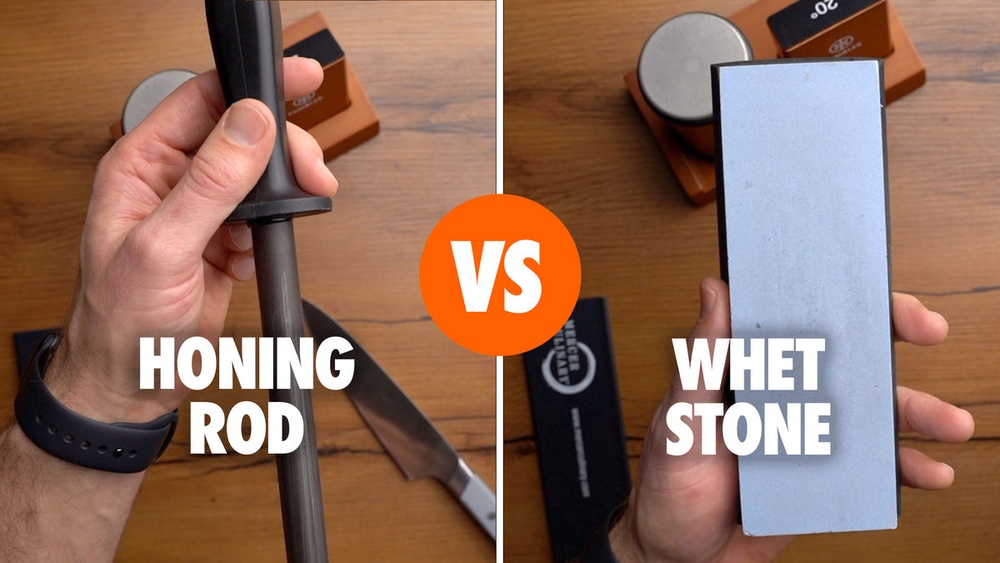
Understanding the basics of a knife honer helps keep your knives sharp and safe. A honer does not sharpen a blade but improves its edge. It realigns the blade’s edge and removes small bends or folds. Regular use of a honer keeps knives working well between sharpening sessions.
Purpose And Function
A knife honer’s main job is to straighten the blade’s edge. Over time, knife edges can bend slightly from use. Honing pushes these edges back into place. This process keeps the blade sharp longer and improves cutting performance. It does not remove metal like a sharpener does. Instead, it maintains the sharpness of the knife.
Types Of Honers
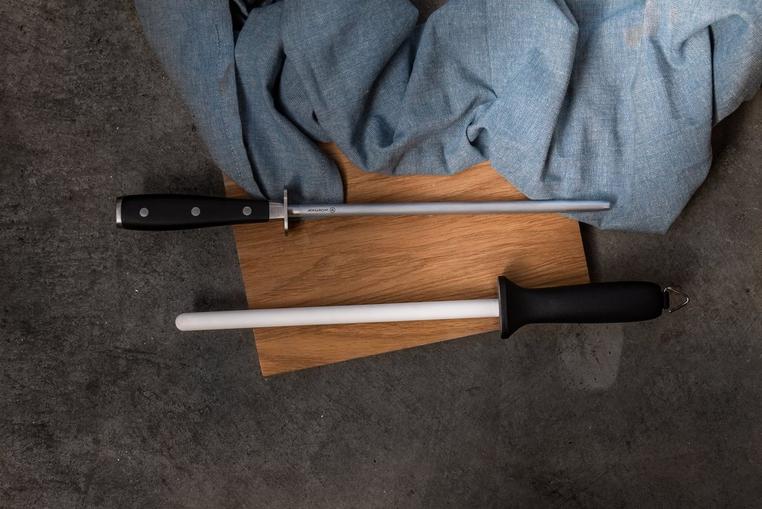
There are several types of knife honers available. The most common are steel rods, ceramic rods, and diamond-coated rods. Steel rods are traditional and affordable. Ceramic rods are harder and smoother. Diamond-coated rods are the most effective and last the longest. Each type offers different benefits depending on the knife and use.
When To Use A Honer
Use a knife honer regularly to keep blades sharp. Honing is best after every few uses or before cutting tasks. It helps maintain the edge without needing full sharpening. Avoid honing damaged or dull blades; those need sharpening first. Honing is a quick way to keep knives safe and efficient in the kitchen.
Credit: thecooksedge.com
Knife Sharpener Essentials
Keeping your knives sharp is key to safe and easy cutting. A dull knife can slip and cause accidents. Sharp knives work better and last longer.
Understanding how to sharpen your knives properly saves time and money. It also keeps your kitchen tools in top shape. Let’s explore the basics of knife sharpeners.
Different Sharpener Types
There are several types of knife sharpeners. Manual sharpeners use stones or rods. Electric sharpeners use motorized wheels. Each type fits different needs and skill levels.
Whetstones offer more control but need practice. Pull-through sharpeners are easy and quick. Electric sharpeners deliver fast results with less effort.
How Sharpeners Work
Sharpeners remove small amounts of metal from the blade. This reshapes the edge to make it sharp again. The angle at which you sharpen matters a lot.
Using the right pressure and angle prevents damage. Sharpeners smooth rough edges and fix nicks. Regular sharpening keeps knives cutting cleanly.
Signs You Need Sharpening
When your knife slips or tears food, it needs sharpening. Dull blades require more force to cut. This can be unsafe and tiring.
Check your knife’s edge by gently slicing paper. If it struggles or bends the paper, sharpen it. A sharp knife cuts easily and smoothly every time.
Honer Vs Sharpener: Key Differences
Understanding the difference between a honer and a sharpener helps keep knives in good shape. Both tools serve different roles in knife care. Choosing the right tool depends on your needs and how you use your knives. This section explains the key differences to help you decide.
Blade Maintenance Vs Restoration
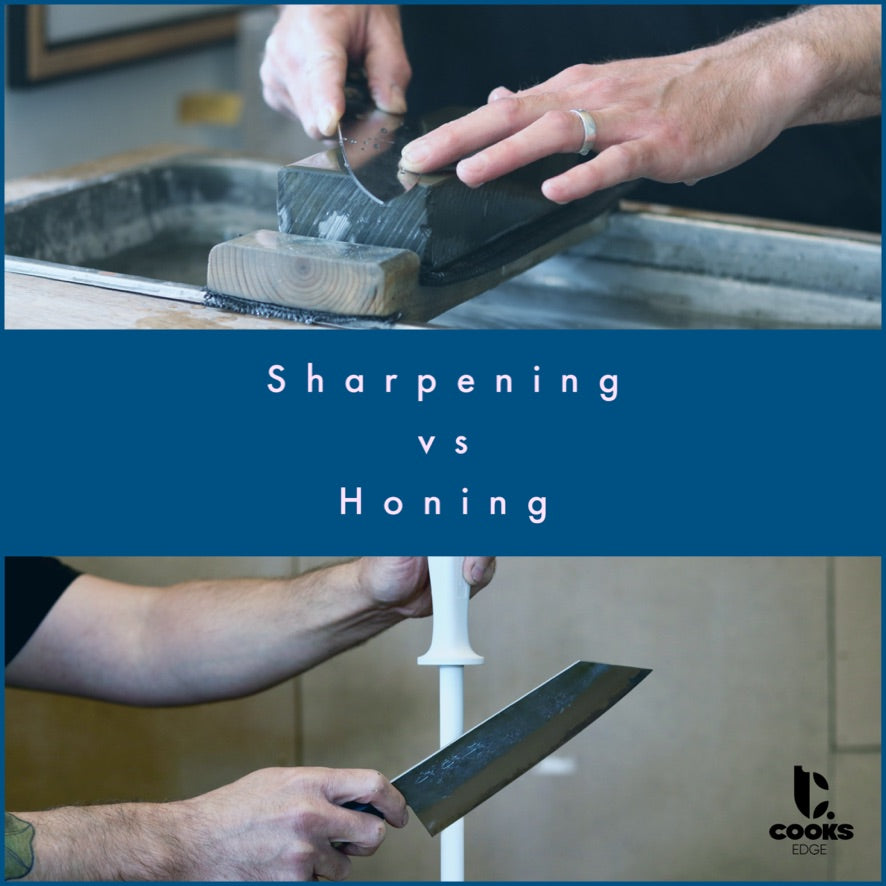
A honer smooths the blade’s edge. It realigns tiny bends and keeps the blade sharp. It does not remove metal. A sharpener grinds the blade to fix dullness. It removes metal to create a new edge. Use a honer for regular upkeep. Use a sharpener for restoring a dull blade.
Impact On Blade Life
Using a honer often extends the blade’s life. It keeps the blade aligned without wearing it down. Using a sharpener too much can shorten blade life. It removes metal, which thins the blade over time. Balance honing and sharpening to keep knives effective longer.
Ease Of Use
A honer is simple and quick to use. It requires little skill and works fast. A sharpener needs more care and time. It may require different angles and pressure. Beginners find honing easier. Sharpening takes practice to avoid damage.
Choosing The Right Tool
Choosing the right tool for maintaining your knives is important. It helps keep your blades sharp and safe to use. Both knife honers and sharpeners play key roles in knife care. Knowing their differences guides you to pick the best one.
Factors To Consider
Think about how often you use your knives. Daily use needs regular honing to keep edges aligned. Less frequent use may require sharpening to fix dull blades. Also, consider the blade material and thickness. Harder steels may need special tools. Safety and ease of use matter too. Choose a tool that feels comfortable and secure in your hand.
Matching Tools To Knife Types
Different knives need different care. Honers work well on straight-edged kitchen knives. They smooth out tiny bends without removing metal. Sharpeners suit very dull or damaged blades. Some sharpeners work best on serrated knives. Check your knife type before buying a tool. Using the wrong tool can harm the blade.
Budget And Quality
Set a budget before shopping for a tool. Inexpensive options exist but may wear out quickly. Higher-quality tools last longer and work better. Invest in a tool that fits your needs and budget. Good tools save money by extending knife life. Avoid the cheapest tools that can damage blades.
Proper Techniques For Honing
Honing a knife is a key skill for keeping blades sharp and safe. Proper honing straightens the blade’s edge instead of removing metal. It maintains sharpness between sharpening sessions. Doing it right improves cutting performance and extends the knife’s life.
Step-by-step Guide
Hold the honing rod vertically on a stable surface. Place the knife blade at a 20-degree angle to the rod. Slide the blade down the rod, moving from base to tip. Repeat on the other side of the blade. Alternate sides with each stroke. Perform 5 to 10 strokes per side. Keep the motion smooth and controlled.
Common Mistakes To Avoid
Don’t use too much force; it can damage the blade. Avoid honing at the wrong angle; it reduces effectiveness. Never hone a dull knife to sharpen it. Use the honing rod only for straightening edges, not for sharpening. Don’t neglect safety; keep fingers clear of the blade.
Frequency For Best Results
Hone your knives regularly, ideally before or after each use. Frequent honing keeps the edge aligned and sharp. For heavy use, hone every few days. For occasional use, once a week is enough. Sharpen only when honing no longer improves performance.
Effective Sharpening Methods
Effective sharpening keeps knives safe and ready to use. Sharp knives cut smoothly and need less force. Dull knives can slip and cause accidents. Choosing the right method helps protect the blade and extends its life. There are several ways to sharpen knives at home or by professionals. Each method fits different needs and skill levels.
Using Manual Sharpeners
Manual sharpeners are simple tools with slots or stones. They work by grinding the blade against a rough surface. Pull the knife through the sharpener slowly and evenly. Keep the angle steady for the best edge. These tools are affordable and easy to use. Perfect for quick touch-ups and regular maintenance.
Electric Sharpener Tips
Electric sharpeners speed up the sharpening process. They have spinning wheels that sharpen the blade fast. Use light pressure to avoid removing too much metal. Follow the manufacturer’s instructions for safety and best results. Electric sharpeners suit busy kitchens and those wanting fast fixes. Clean the sharpener often to keep it working well.
Professional Sharpening Options
Professional sharpening offers the best blade care. Experts use precise tools and techniques. They restore knives to like-new condition. Send valuable or very dull knives to pros. This service ensures correct angles and smooth edges. Professionals can sharpen all blade types safely. It is a smart choice for high-quality or expensive knives.
Maintaining Perfect Blades
Keeping your knives sharp and ready is key to safe and efficient cutting. Honing and sharpening help maintain the blade’s edge, but proper care after these processes extends the life of your knives. Regular care stops blades from dulling quickly and helps you avoid costly replacements.
Small habits make a big difference. Storing knives properly, cleaning them after use, and following a maintenance routine keeps blades in top shape. This section explains how to care for your knives after honing or sharpening.
Storage Tips
Store knives in a dry place to avoid rust. Use a knife block, magnetic strip, or blade guard to protect edges. Avoid tossing knives in drawers where they can get damaged. Keep knives separate from other utensils to maintain sharpness longer.
Cleaning After Honing Or Sharpening
Clean knives carefully after honing or sharpening. Use warm water and mild soap. Avoid harsh chemicals or abrasive pads that may harm the blade. Dry knives completely with a soft cloth to prevent rust or stains. Proper cleaning keeps edges sharp and safe.
Regular Maintenance Routine
Check your knives often for dull spots or damage. Hone blades regularly to realign edges and keep them sharp. Sharpen blades when honing no longer restores the edge. Follow a schedule based on knife use frequency. Consistent care ensures perfect blades every time.
Credit: www.knivesandtools.com
Frequently Asked Questions
What Is The Difference Between A Knife Honer And Sharpener?
A knife honer realigns the blade’s edge without removing metal. A sharpener grinds and removes metal to create a new edge. Honers maintain sharpness, while sharpeners restore dull or damaged blades.
How Often Should I Use A Knife Honer Versus A Sharpener?
Use a knife honer regularly to maintain sharp edges, ideally before or after each use. Use a sharpener only when the blade becomes dull or damaged and the honer no longer helps.
Can A Knife Honer Sharpen A Dull Knife Effectively?
No, a knife honer only straightens and realigns the blade edge. It cannot sharpen a dull knife by removing metal. For dull blades, a sharpener is necessary to restore sharpness.
Are Knife Sharpeners Safe For All Types Of Knives?
Most sharpeners work well on stainless steel and carbon steel knives. However, some may damage ceramic or specialty blades. Always check the sharpener’s compatibility with your knife type before use.
Conclusion
A knife honer keeps your blade aligned and smooth. A sharpener removes metal to create a new edge. Both tools help maintain your knives but serve different jobs. Choose a honer for regular upkeep and a sharpener when blades get dull.
Knowing the difference saves time and improves cutting performance. Keep your knives ready by using the right tool often. Simple care extends their life and sharpness. Easy to use, these tools make kitchen work safer and faster.