Deba Vs Fillet Knife: Ultimate Guide to Choosing the Best Blade
Choosing the right knife can change the way you prepare your meals. If you’ve ever stood in front of a knife display wondering whether to pick a Deba or a Fillet knife, you’re not alone.
Both knives look similar but serve very different purposes. Understanding which one fits your cooking style can save you time and effort in the kitchen. Keep reading, and you’ll discover the key differences that will help you decide which knife belongs in your hand.
Deba Knife Basics
The Deba knife is a traditional Japanese kitchen tool. It plays a key role in preparing fish and meat. Understanding its basics helps you use it better. This section explains the design, common uses, and blade material of the Deba knife.
Design And Shape
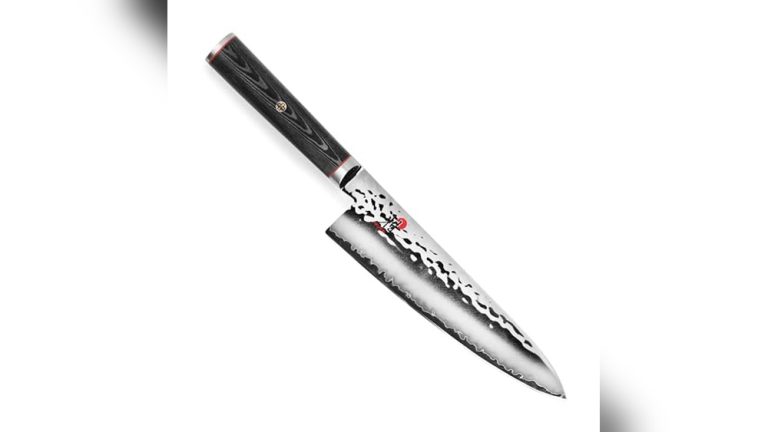
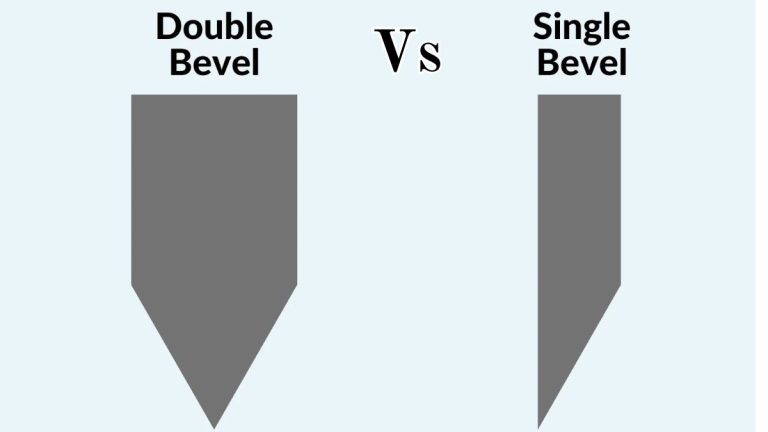
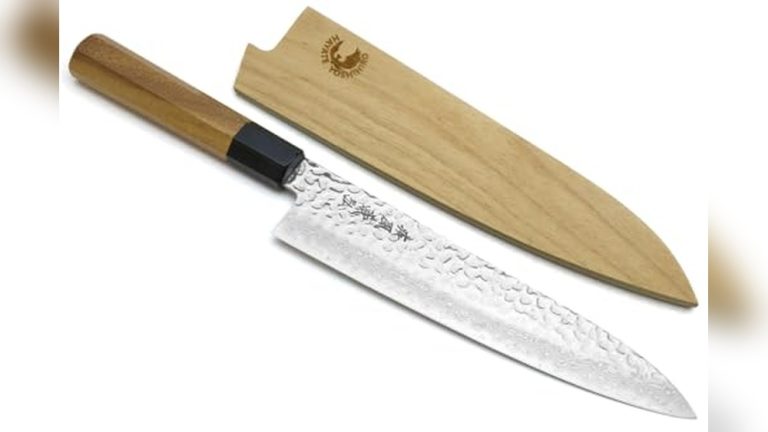
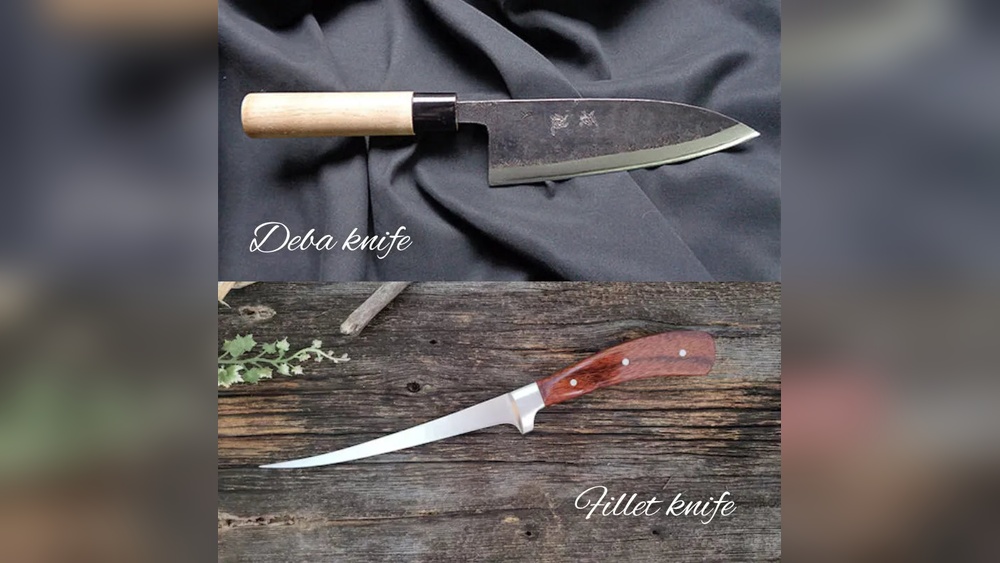
The Deba knife has a thick, heavy blade. It usually measures between 6 to 8 inches long. The blade has a pointed tip and a straight edge. Its shape is sturdy and strong for cutting through bones. The knife is single-beveled, meaning one side is sharp while the other is flat. This design aids in precise cuts and control.
Common Uses
The Deba knife is mainly used for fish preparation. It cuts through fish heads, bones, and fillets with ease. Chefs also use it for breaking down poultry and small meat pieces. Its weight helps make clean, smooth cuts. The knife is not ideal for delicate slicing or peeling tasks.
Blade Material
Deba knives often use high-carbon steel or stainless steel. High-carbon steel holds a sharp edge longer but needs more care. Stainless steel resists rust and is easier to maintain. Both materials provide strength and durability. The choice depends on user preference and maintenance habits.
Fillet Knife Features
The fillet knife is a popular tool for fish preparation. Its design helps users cut thin, precise slices. This knife is different from other kitchen knives because of its unique blade and flexibility. Understanding the features of a fillet knife helps in choosing the right tool for delicate tasks.
Flexible Blade Design
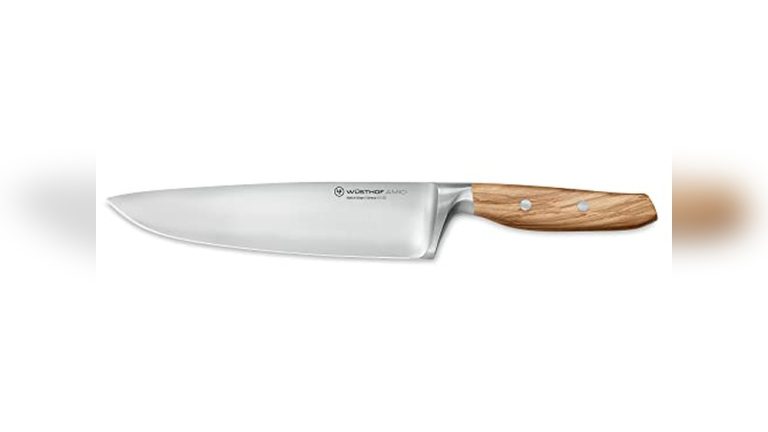
The blade of a fillet knife is thin and very flexible. This flexibility helps follow the curves of fish bones easily. The blade bends without breaking, allowing smooth, clean cuts. A flexible blade reduces waste and keeps fish fillets intact.
Typical Applications
Fillet knives are mostly used for cleaning and filleting fish. They work well on small to medium-sized fish. Some chefs use them for skinning meat or trimming fat. Their sharp, narrow blade makes delicate cutting tasks easier and faster.
Material And Durability
Most fillet knives have stainless steel blades. This material resists rust and stains from water and fish. The handle often has a non-slip grip for safe use. A good fillet knife stays sharp longer and handles regular use well.
Comparing Blade Performance
Blade performance is key to choosing between a Deba and a Fillet knife. Each knife serves a different purpose, affecting how they cut, feel, and hold up over time.
Understanding their blade performance helps pick the right tool for your kitchen tasks.
Cutting Precision
The Deba knife has a thick, heavy blade. It cuts through fish bones and meat with strength. The thick blade offers less finesse but more power.
The Fillet knife has a thin, flexible blade. It bends to follow fish bones closely. This makes it perfect for delicate, precise cuts.
Deba suits tough cutting tasks. Fillet excels in smooth, clean slicing.
Ease Of Use
Deba knives feel heavier in hand. The weight helps push through bones easily. It may tire users during long use.
Fillet knives are lightweight and flexible. They allow easy, smooth movements. This reduces hand strain during detailed work.
Beginners find Fillet knives easier for fish filleting. Deba knives need more skill and strength.
Maintenance Needs
Deba blades are thick and sturdy. They hold sharp edges well but need careful sharpening. Sharpening requires tools for thick blades.
Fillet knives have thin blades. They dull faster and need frequent sharpening. Their delicate edge requires gentle care.
Both knives benefit from regular cleaning and drying. Proper care extends blade life and performance.

Credit: kasumijapan.com
Choosing The Right Knife For You
Choosing the right knife matters for cooking success. Each knife suits different tasks. It helps to know what you want to do with it. Your skills and budget also guide the choice. This guide will help you pick the right knife for your kitchen needs.
Intended Cooking Tasks
Think about what you cook the most. A Deba knife is good for cutting fish and meat. It handles bones well. A fillet knife works best for delicate fish fillets. It is thin and flexible. Choose a knife that fits your cooking style and food types.
Skill Level Considerations
Beginners might find the fillet knife easier to use. It is light and simple. The Deba knife is heavier and needs more control. Practice helps with both knives. Pick one that feels comfortable in your hand and matches your experience.
Budget And Value
Knives come in many price ranges. A good fillet knife can be affordable and last long. The Deba knife often costs more due to its size and strength. Think about how often you will use the knife. Choose one that offers the best value for your money.
Care And Sharpening Tips
Proper care and sharpening keep your Deba and Fillet knives in top shape. These knives need regular attention to stay sharp and safe. Cleaning, sharpening, and storing them correctly helps their performance last longer. Follow these simple tips to maintain your knives and enjoy smooth cutting every time.
Sharpening Techniques
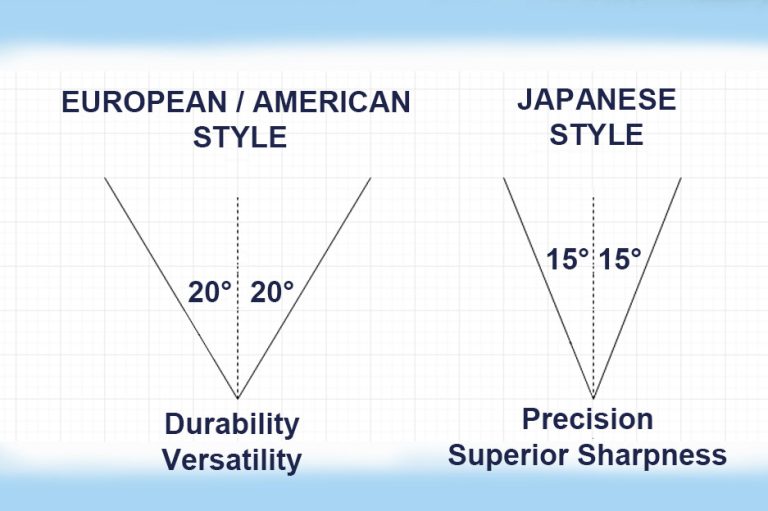
Use a whetstone or sharpening stone for best results. Soak the stone in water for about 10 minutes before use. Hold the knife at a 15 to 20-degree angle to the stone. Move the blade in smooth, even strokes across the stone. Sharpen both sides evenly to keep the edge balanced. For Deba knives, maintain a slightly steeper angle. Fillet knives need a finer edge, so use a softer stone. Finish by honing with a leather strop to polish the blade.
Storage Recommendations
Store your knives in a wooden block or magnetic strip. Avoid tossing them in a drawer with other utensils. Use blade guards for extra protection during storage or travel. Keep knives dry before storing to prevent rust and corrosion. Store knives separately to avoid dulling the edges. Make sure the storage area is clean and dry at all times.
Extending Blade Life
Clean knives immediately after use with warm water and mild soap. Dry them thoroughly using a soft cloth. Avoid cutting on hard surfaces like glass or stone. Use wooden or plastic cutting boards instead. Never put knives in the dishwasher; hand wash only. Oil the blade occasionally with food-safe mineral oil. Regularly inspect the blade for chips or damage and address issues quickly.
Credit: www.youtube.com
:max_bytes(150000):strip_icc()/DebaKnifeLead2-7313032c1068442aa1dd2f16535a41b3.jpg)
Credit: www.seriouseats.com
Frequently Asked Questions
What Is The Main Difference Between Deba And Fillet Knives?
The Deba knife is thicker and heavier, ideal for cutting fish bones. The Fillet knife is thin and flexible, perfect for delicate filleting and skinning.
Which Knife Is Best For Filleting Fish?
The Fillet knife is best for filleting fish due to its thin, flexible blade. It allows precise cuts along the bones and skin.
Can A Deba Knife Replace A Fillet Knife?
A Deba knife cannot fully replace a Fillet knife. Deba excels at cutting through bones, while Fillet knives specialize in delicate filleting.
What Materials Are Deba And Fillet Knives Made From?
Both knives typically use high-carbon stainless steel for sharpness and durability. Some Deba knives have thicker, heavier blades for strength.
Conclusion
Choosing between a Deba and a fillet knife depends on your needs. Deba knives are thick and strong, good for cutting fish heads and bones. Fillet knives are thin and flexible, perfect for filleting fish smoothly. Each knife serves a different purpose in the kitchen.
Knowing their uses helps you cook better and safer. Keep both knives handy if you work with fish often. This way, you get the right tool for each task. Simple tools, better results.