Joint Knife Vs Putty Knife: Ultimate Guide to Choosing Right Tool
When you’re tackling a home repair or a painting project, choosing the right tool can make all the difference. You might have come across two similar-looking tools: the joint knife and the putty knife.
But which one should you grab for your job? Using the wrong knife can lead to messy results and wasted time. You’ll discover the key differences between a joint knife and a putty knife, so you can pick the perfect tool with confidence.
By the end, you’ll know exactly which one fits your needs and how to use it like a pro. Keep reading—your next project will thank you!
Differences Between Joint Knife And Putty Knife
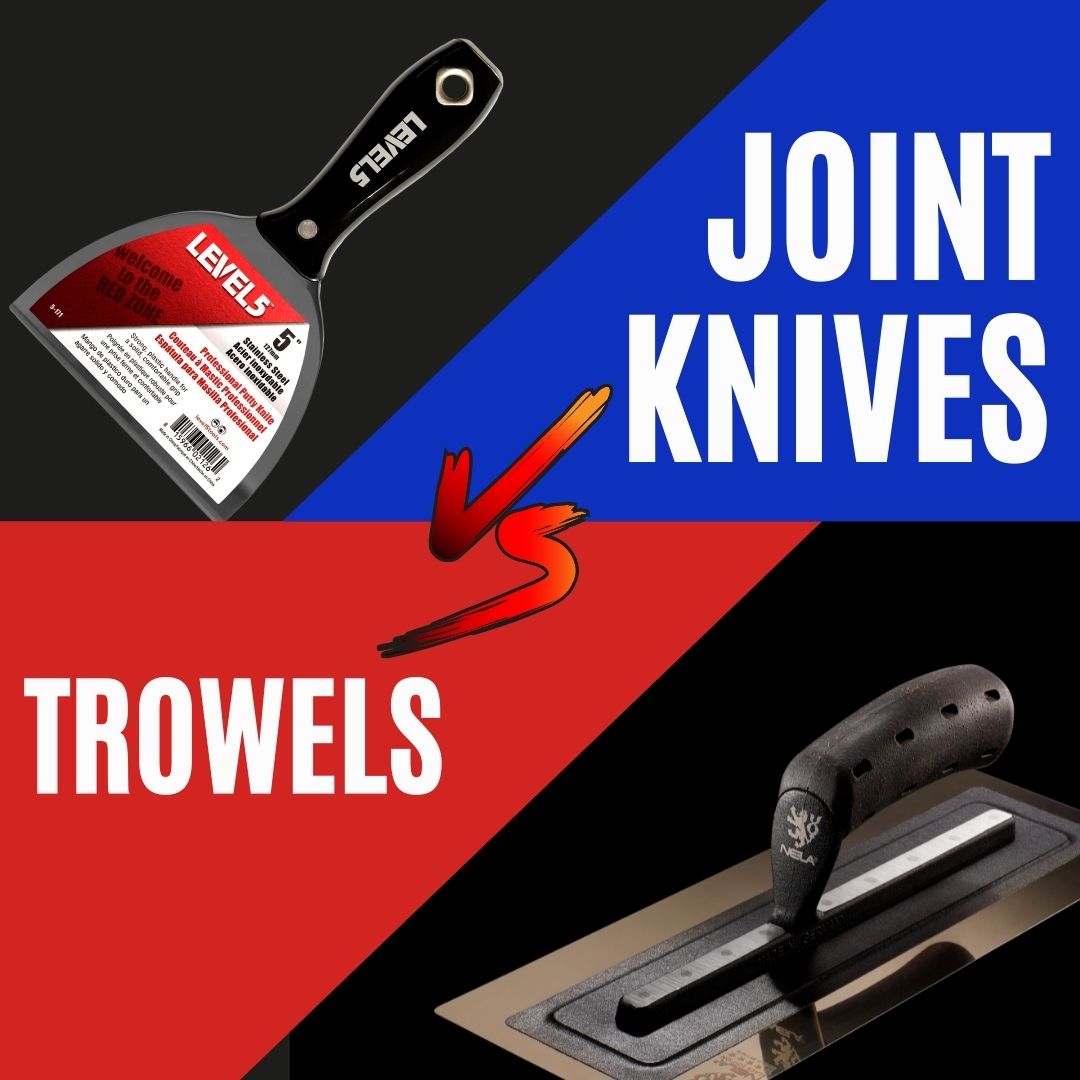
Joint knives and putty knives look similar but serve different purposes in home repair and finishing. Understanding their differences helps you pick the right tool for the job. Each tool has unique features that affect performance and comfort. These features include blade material, handle design, and size. Knowing these details improves your work quality and ease.
Blade Material And Flexibility
Joint knives usually have stiffer blades. They often use stainless steel for durability and resistance to rust. This stiffness helps spread joint compound evenly on drywall seams. Putty knives have more flexible blades. The flexibility allows them to apply putty or filler smoothly over small cracks and holes. Their blades can bend slightly without breaking, making delicate work easier.
Handle Design And Comfort
Handles on joint knives tend to be larger and more ergonomic. This design offers better grip during longer drywall jobs. Many have cushioned grips to reduce hand fatigue. Putty knives usually have smaller handles. They focus on control for detailed tasks. Their handles can be made of plastic or wood and are lightweight for quick use.
Typical Sizes And Shapes
Joint knives come in wider sizes, usually from 6 to 12 inches. Their broad blades help cover large drywall areas quickly. The edges are straight and sharp to smooth compound well. Putty knives are narrower, ranging from 1 to 4 inches. Their smaller size suits tight spots and fine patching. The blades may have rounded tips for gentle application.

Credit: www.youtube.com
Common Uses For Joint Knife
The joint knife is a versatile tool in drywall work and repairs. It helps create smooth, even surfaces on walls and ceilings. This tool has many uses that make drywall tasks easier and neater.
Applying Joint Compound
The joint knife spreads joint compound evenly over drywall. It helps fill small holes and cracks quickly. The wide blade covers more area than a putty knife. This makes the job faster and less messy.
Taping Drywall Seams
Use the joint knife to press tape onto drywall seams. It pushes the tape into the wet compound smoothly. This prevents air bubbles and wrinkles under the tape. The result is a strong, flat seam ready for finishing.
Smoothing Large Surfaces
The joint knife is perfect for smoothing large drywall surfaces. It levels out ridges and bumps after applying compound. The wide blade helps create a flat, clean finish. This step is key to a professional-looking wall or ceiling.
Common Uses For Putty Knife
The putty knife is a versatile tool used in many household and repair tasks. It works well for small jobs around the house. Its design makes it easy to handle and control.
This tool helps fix minor wall damages and prepare surfaces. The blade is flexible but firm, ideal for smooth finishes. Below are common ways to use a putty knife effectively.
Filling Small Holes And Cracks
Putty knives are perfect for filling small holes and cracks. They spread filler material evenly into gaps. This creates a smooth surface ready for painting. The thin blade fits well into tight spaces.
Scraping Paint And Debris
The putty knife removes old paint and loose debris. Its flat edge scrapes surfaces gently without damage. This helps clean walls before applying new coats. It also removes stickers or wallpaper residue.
Applying Putty And Spackle
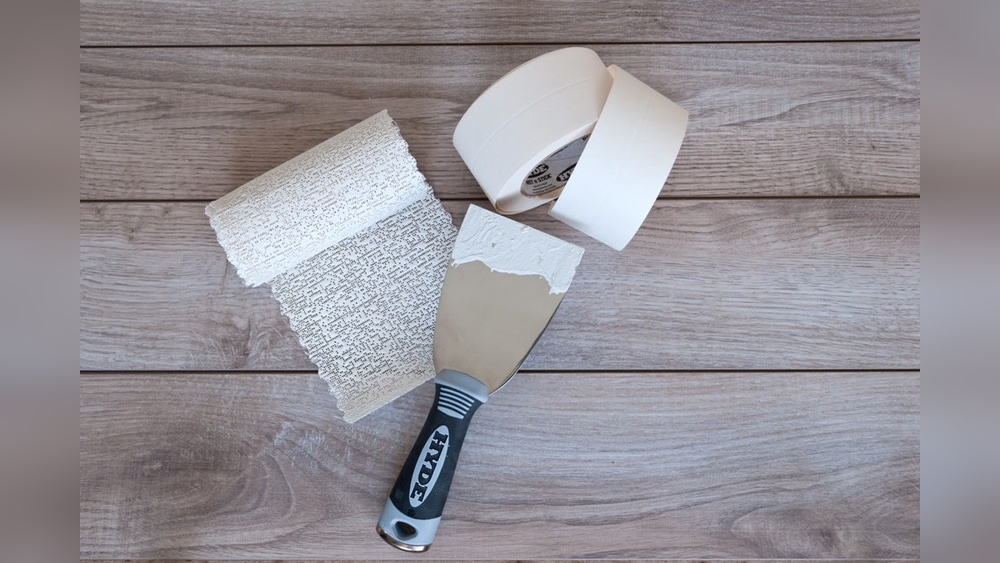
Applying putty or spackle is simple with a putty knife. The blade spreads material smoothly over damaged areas. It helps create an even layer for drying. This tool controls the amount of product used.
Credit: masterbuildingmaterials.com
Choosing The Right Tool For Your Project
Choosing the right tool for your project makes a big difference. The joint knife and putty knife serve different purposes. Using the correct one saves time and gives better results. Understanding their strengths helps pick the best option.
Assessing Project Size And Scope
Small repairs work well with a putty knife. It fits tight spaces and spreads materials easily. Large drywall jobs need a joint knife. Its wider blade covers more surface quickly. Think about how much area you must cover.
Material Compatibility
Putty knives handle soft fillers like putty and spackle. They work best for smoothing and scraping. Joint knives suit drywall compound and plaster. Their stiff blades help apply and smooth thick materials. Match the tool to the material for best results.
Durability And Precision Needs
Joint knives offer sturdy blades for heavy use. They stay firm and resist bending. Putty knives are thinner and more flexible. This helps with detailed work and fine edges. Choose durability for big jobs or precision for small tasks.
Maintenance And Care Tips
Proper maintenance and care extend the life of your joint knife and putty knife. Taking a few simple steps helps keep them clean and ready for your next project. Good care also saves money by avoiding frequent replacements.
Cleaning After Use
Remove all paint, putty, or joint compound right after use. Use warm water and soap for water-based materials. For stubborn residue, gently scrape with a brush or cloth. Dry the tool completely to stop rust from forming. Clean tools work better and last longer.
Storage Recommendations
Store your knives in a dry place to avoid moisture damage. Use a tool box or hang them on a pegboard. Keep blades away from other tools to prevent dulling. Proper storage keeps the edges sharp and the handles intact.
When To Replace Your Tools
Replace your knife if the blade is bent, rusted, or dull beyond repair. Cracked or loose handles also mean it’s time for a new tool. Using damaged knives can harm your work and cause accidents. Investing in new tools improves your results and safety.
Credit: www.reddit.com
Frequently Asked Questions
What Is The Difference Between A Joint Knife And Putty Knife?
A joint knife is wider and flexible for drywall joints. A putty knife is narrower and stiffer, ideal for applying putty or scraping paint.
When Should I Use A Joint Knife Instead Of A Putty Knife?
Use a joint knife for spreading drywall compound over seams. Use a putty knife for smaller repairs like filling nail holes or scraping surfaces.
Can A Putty Knife Replace A Joint Knife For Drywall?
No, a putty knife is less effective on drywall joints due to its smaller size and stiffness. Joint knives provide smoother, wider coverage.
What Materials Are Joint Knives And Putty Knives Made Of?
Both are usually made of stainless steel or flexible metal. Handles can be plastic, wood, or rubber for grip and comfort.
Conclusion
Choosing between a joint knife and a putty knife depends on your task. Joint knives work best for drywall and spreading joint compound. Putty knives are ideal for filling small holes and scraping. Both tools have flexible blades but serve different needs.
Keep the right knife handy to make your work easier. Understanding their uses helps you finish projects faster and neater. Simple tools, smart choices.