
Titanium Knife Vs Stainless Steel: Ultimate Durability Showdown
Choosing the right knife can make a big difference in your daily tasks, whether you’re cooking, camping, or working on a project. You might be wondering: should you go for a titanium knife or stick with stainless steel?
Both materials have their strengths, but which one suits your needs best? By the end of this article, you’ll know exactly what sets these two apart and which knife fits your lifestyle perfectly. Keep reading to discover the surprising facts that will help you make a smarter choice.
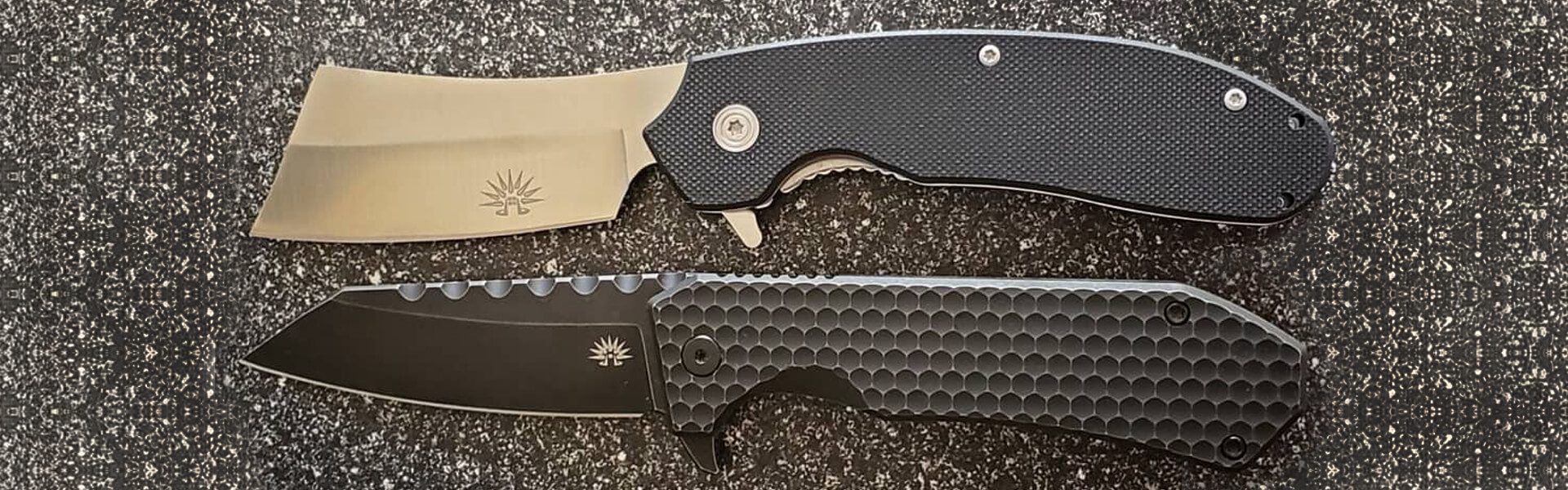
Credit: www.offgridknives.com
Material Properties
The material of a knife affects its performance and durability. Titanium and stainless steel have unique qualities. These qualities impact sharpness, weight, and resistance to wear.
Understanding the material properties helps you choose the right knife for your needs. Let’s explore the composition and hardness of both metals.
Titanium Composition
Titanium is a light metal with high strength. It mainly contains titanium atoms with small amounts of aluminum and vanadium. These elements make it strong and corrosion-resistant. Titanium does not rust easily, even in wet conditions.
Stainless Steel Composition
Stainless steel is an alloy made of iron, carbon, and chromium. Chromium helps prevent rust and stains. Some types also include nickel or molybdenum for extra strength. This mix creates a tough and durable metal.
Hardness Comparison
Hardness measures how well a metal resists scratches and dents. Stainless steel knives are usually harder than titanium ones. This means they keep their edge longer. Titanium is softer but more flexible and lighter. It resists bending better than stainless steel.
Corrosion Resistance
Corrosion resistance is a key factor when choosing a knife. It affects how long the blade lasts and how well it performs. Rust can weaken the metal and spoil the knife’s look. Both titanium and stainless steel offer good protection against corrosion. Yet, they do it in different ways.
Titanium’s Rust Resistance
Titanium resists rust naturally. It forms a thin oxide layer on its surface. This layer stops air and water from reaching the metal underneath. The oxide layer repairs itself if scratched or damaged. This makes titanium very strong against corrosion. It keeps knives sharp and clean for a long time.
Titanium knives work well in wet or salty conditions. They rarely need special care to avoid rust. This makes them perfect for outdoor use and marine environments.
Stainless Steel’s Protective Layers
Stainless steel resists rust by using chromium. Chromium forms a thin, invisible layer on the blade. This layer blocks moisture and oxygen from the metal. It protects the knife from corrosion and stains.
The protective layer on stainless steel can wear down over time. This happens if the knife is scratched or exposed to harsh chemicals. Users must clean and dry the blade regularly. Proper care keeps the protective layer strong and the knife rust-free.
Edge Retention
Edge retention is a key factor when choosing a knife material. It determines how long the blade stays sharp during use. A knife with good edge retention needs less frequent sharpening. This saves time and keeps the knife reliable. Both titanium and stainless steel offer unique edge retention qualities.
Sharpness Durability Of Titanium
Titanium knives are very light and resistant to rust. Their sharpness lasts well but not as long as some steels. Titanium is softer than many stainless steels. This softness means the edge can wear down faster with heavy use. Still, titanium holds a decent edge for light tasks. It resists corrosion better, which helps keep the blade clean.
Edge Holding In Stainless Steel
Stainless steel knives are known for strong edge retention. They can stay sharp through tough cutting jobs. Many stainless steels have hard properties that keep edges sharper longer. Different types of stainless steel offer different edge holding abilities. Some are designed for high performance and long-lasting sharpness. Stainless steel needs more care to avoid rust but excels in edge durability.
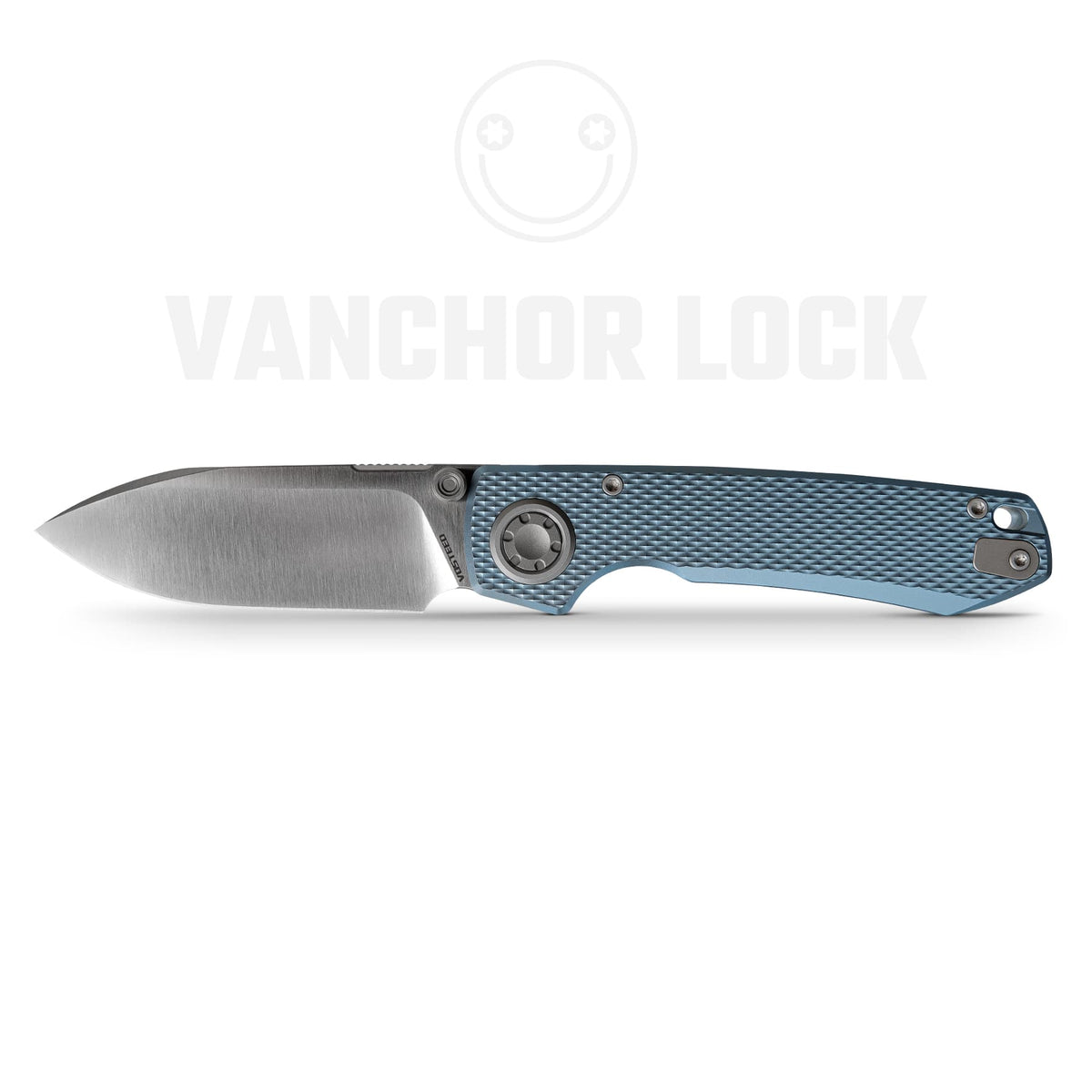
Credit: www.vosteed.com
Weight And Handling
The weight and handling of a knife affect how it feels in your hand. A good balance between weight and ease of use makes cutting tasks easier and safer. Both titanium and stainless steel knives have different weight profiles. These differences change how they handle during use.
Lightness Of Titanium Knives
Titanium knives are very light. This makes them easy to carry and use for long periods. The light weight reduces hand fatigue. It also allows for quicker, more precise movements. Many people prefer titanium knives for tasks that need agility. The lightness does not mean they are weak. Titanium is strong and holds up well under pressure.
Weight Of Stainless Steel Blades
Stainless steel blades are heavier than titanium. This extra weight gives a solid and sturdy feel. It helps with cutting through tougher materials. Some users like the balance that weight offers. The heaviness adds to the knife’s control and power. However, heavy knives can tire the hand faster. It is important to choose the right weight for your needs.
Cost And Availability
Cost and availability play key roles in choosing between titanium and stainless steel knives. Knowing the price trends and how easy it is to find these knives helps buyers decide. Both materials offer different benefits and come with unique price points. Understanding these factors ensures a smarter purchase.
Price Trends For Titanium Knives
Titanium knives usually cost more than stainless steel ones. The metal is rare and harder to work with. Prices have stayed high due to its strength and lightness. Demand for titanium knives grows, keeping costs steady. Buyers pay more for titanium’s corrosion resistance and durability.
Market Availability Of Stainless Steel
Stainless steel knives are easy to find almost everywhere. Many brands make these knives, so choices are many. Prices are lower because stainless steel is common and simple to produce. Stores and online shops stock a wide range of stainless steel knives. This makes them a popular option for most buyers.
Maintenance Needs
Maintenance needs differ greatly between titanium and stainless steel knives. Proper care keeps blades sharp and extends their life. Each metal requires specific cleaning and storage habits. Knowing these helps you avoid rust, damage, and dullness.
Care Tips For Titanium Blades
Titanium blades resist rust and corrosion well. Wash them with warm water and mild soap. Avoid harsh chemicals or abrasive scrubbers that can scratch the surface. Dry the knife completely after washing to prevent water spots.
Sharpen titanium blades less often than steel ones. Use a fine sharpening stone or ceramic rod for best results. Store knives in a dry place, away from moisture and humidity. Regular oiling is not necessary but can add a protective layer.
Maintaining Stainless Steel Knives
Stainless steel knives need more attention to avoid rust and stains. Clean them immediately after use with warm water and gentle soap. Do not soak knives for long periods to prevent corrosion.
Dry knives thoroughly before storing. Use a soft cloth to remove all moisture. Sharpen stainless steel blades regularly to maintain a sharp edge. Use a honing steel or sharpening stone suited for steel knives.
Store knives in a block or magnetic strip to protect the blade. Avoid cutting on hard surfaces like glass or stone to prevent chipping.
Common Uses
Both titanium and stainless steel knives have unique strengths. Their uses depend on the material’s features. Understanding common uses helps you pick the right knife for your needs.
Titanium Knife Applications
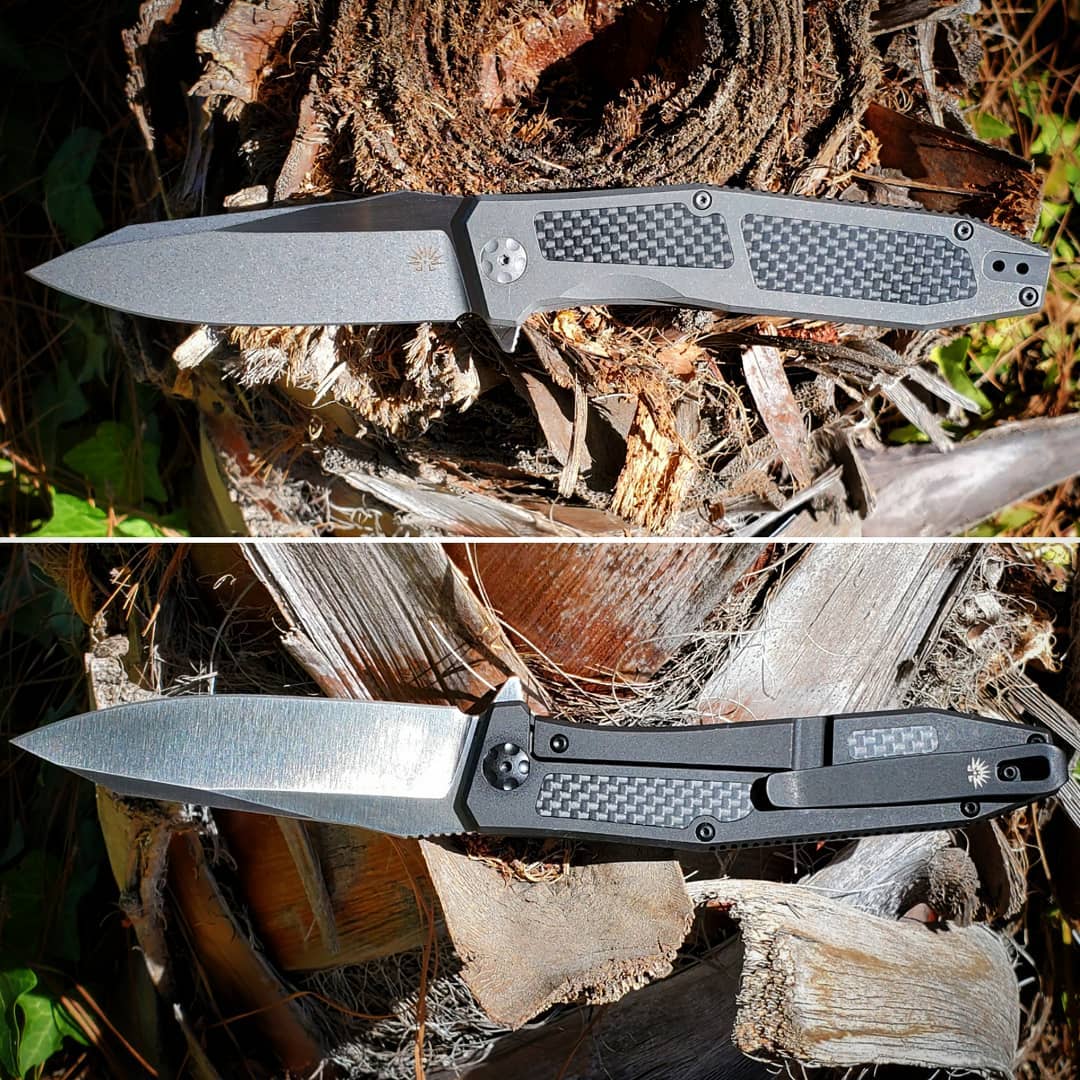
Titanium knives are light and strong. They resist rust and corrosion very well. These knives suit outdoor activities like camping and hiking.
Many use titanium knives for diving. Saltwater does not damage them easily. Their light weight makes carrying simple during long trips.
Some medical tools use titanium blades. The metal’s biocompatibility is safe for skin. It stays sharp enough for precise cuts.
Stainless Steel Knife Applications
Stainless steel knives are common in kitchens worldwide. They hold edges well and resist stains. These knives work well for chopping and slicing food.
Many chefs prefer stainless steel for its sharpness. It handles daily cutting tasks without dulling fast. Its affordability makes it popular in homes and restaurants.
Stainless steel knives also serve in hunting and fishing. They cut through tough materials with ease. Their durability suits rough, outdoor conditions.
Credit: www.offgridknives.com
User Experience
User experience plays a big role in choosing the right knife. How a knife feels and performs affects daily use. Comfort, sharpness, and ease of maintenance matter most. Users share honest opinions about both titanium and stainless steel blades. Their feedback helps others pick the best option for their needs.
Feedback On Titanium Blades
Many users praise titanium blades for being lightweight and strong. The light feel reduces hand fatigue during long tasks. Titanium resists rust and corrosion well. Some find titanium blades less sharp than steel at first. But they hold their edge longer with proper care. Users mention titanium knives require gentle sharpening tools. They enjoy the unique look and feel of titanium. A few note titanium blades can bend if used roughly. Overall, titanium suits those valuing durability and lightness.
User Reviews On Stainless Steel
Stainless steel knives get high marks for sharpness and cutting power. Users find them easy to sharpen with common tools. These blades resist rust but need drying after use. Many appreciate stainless steel’s solid and balanced feel. It handles tough cutting tasks well without bending. Some users say stainless steel knives are heavier than titanium. They like the classic look and wide availability. Stainless steel is preferred by those needing sharpness and toughness. Regular maintenance keeps these blades working at their best.
Frequently Asked Questions
What Are The Main Differences Between Titanium And Stainless Steel Knives?
Titanium knives are lighter and more corrosion-resistant. Stainless steel knives are stronger and hold edges longer. Titanium is ideal for weight-sensitive use, while stainless steel suits heavy-duty cutting tasks.
Which Knife Material Is Better For Everyday Use?
Stainless steel knives are generally better for everyday use. They offer durability, sharpness, and ease of maintenance. Titanium knives excel in specific conditions like moisture or lightweight needs but may lack edge retention.
Are Titanium Knives More Durable Than Stainless Steel?
Titanium knives resist corrosion and bending but are softer than stainless steel. Stainless steel knives are harder and maintain sharpness longer, making them more durable for cutting tasks.
How Does Corrosion Resistance Compare Between Titanium And Stainless Steel?
Titanium is highly resistant to corrosion and rust, even in harsh environments. Stainless steel offers good corrosion resistance but can rust if not cared for properly.
Conclusion
Choosing between titanium and stainless steel knives depends on your needs. Titanium knives are lighter and resist rust well. Stainless steel knives often hold a sharper edge longer. Both materials offer strong, durable options for daily use. Consider weight, maintenance, and sharpness before deciding.
Each type suits different tasks and preferences. The right knife makes cutting easier and safer. Think about what matters most for your kitchen or outdoor gear. Quality and care will keep your knife reliable for years.