
Tanto Vs Drop Point: Ultimate Blade Showdown Explained
When choosing a knife, the shape of the blade can make all the difference in how it performs. You might have heard about Tanto and Drop Point blades but aren’t sure which one suits your needs best.
Understanding the strengths and weaknesses of each can help you pick the perfect knife for your tasks. You’ll discover how Tanto and Drop Point blades differ and why one might be better for you. Keep reading to find out which blade style matches your style and purpose perfectly.

Credit: www.reddit.com
Tanto Blade Design
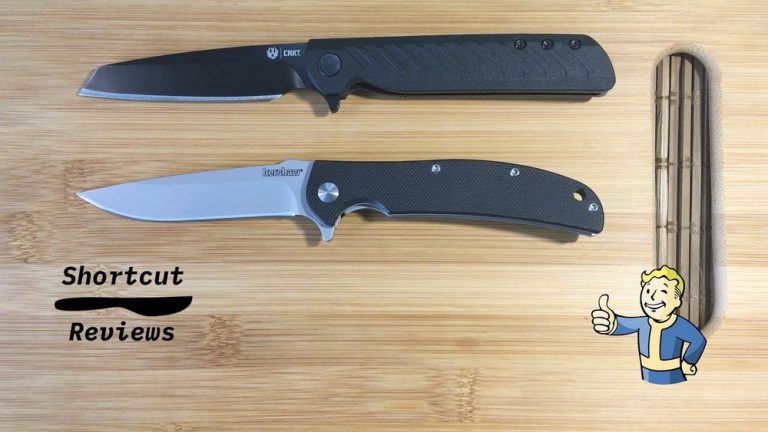
The Tanto blade design stands out for its unique, angular shape. It has a strong tip and a sharp edge, built for piercing and cutting tasks. This design is popular in tactical and survival knives. It offers durability and precision in tough situations.
Origins And History
The Tanto blade comes from Japan. It was first made for samurai swords and small daggers. The design aimed to pierce armor and tough materials. Over time, it evolved into a modern knife style. Today, many knife makers use the Tanto shape.
Blade Shape Characteristics
The blade has a straight edge with a sharp, angled tip. It has two slopes that meet at the point. This shape makes the tip very strong. The edge near the tip is flat and sharp. This helps with precise cuts and piercing.
Common Uses
Tanto blades are good for piercing hard surfaces. They work well in self-defense and tactical use. Many people use them in outdoor activities. The strong tip helps in cutting tough materials. They are also popular for everyday carry knives.

Credit: www.youtube.com
Drop Point Blade Design
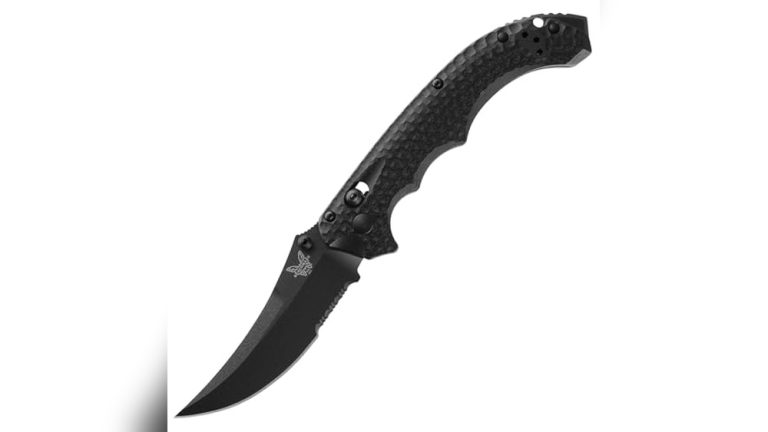
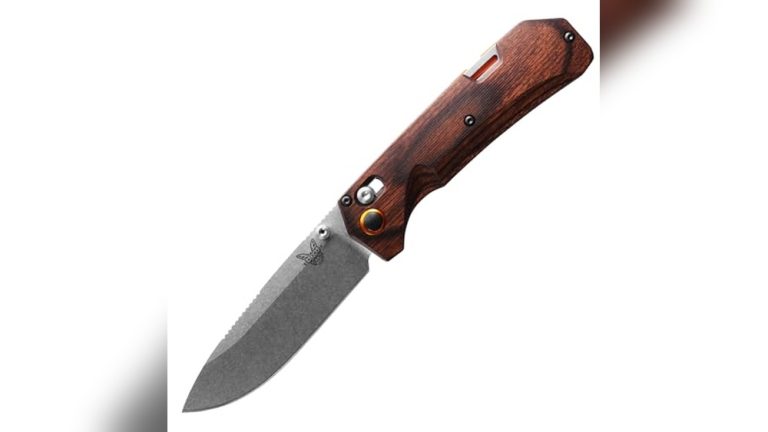
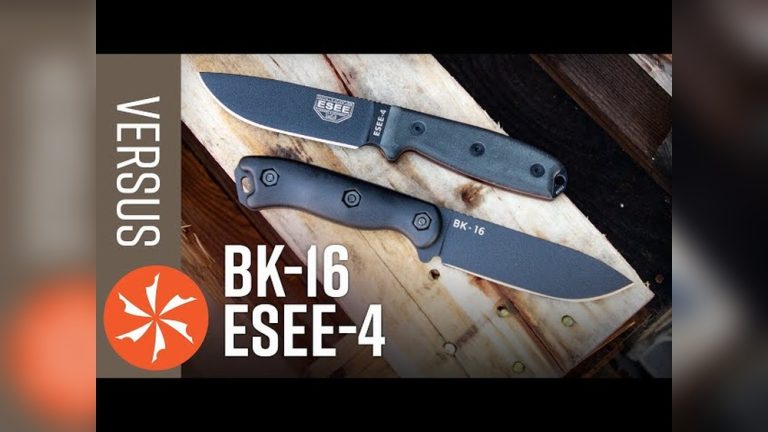
The drop point blade design is a popular choice among knife users worldwide. It offers a balance between strength and control. This design features a convex curve on the spine of the blade, which slopes down to meet the tip. The shape gives the blade a strong tip and a large cutting edge. This makes it ideal for many tasks and easy to handle.
Origins And History
The drop point blade design first appeared in hunting knives. It became popular in the early 20th century. Knife makers wanted a blade that could handle tough outdoor jobs. The design was inspired by traditional European hunting knives. Over time, it gained use in military and everyday knives. Its versatility made it a favorite among many users.
Blade Shape Characteristics
The drop point blade has a thick spine that slopes gently. The tip is strong and less likely to break. The curve near the tip creates a large belly. This belly helps with slicing and skinning tasks. The blade usually has a wide surface for better control. Its shape balances durability and precision well.
Common Uses
Drop point blades are perfect for hunting and outdoor activities. They work well for skinning animals and cutting meat. Many people use them for camping and survival tasks. The strong tip helps with piercing without breaking easily. Everyday users like the drop point for its reliability. It suits many cutting needs, from food prep to craftwork.
Strength And Durability
Strength and durability are key factors in choosing between Tanto and Drop Point knives. Both designs offer unique benefits. Understanding these will help you pick the right blade for your needs.
Edge Retention
Tanto blades have a strong, straight edge. This edge holds up well under tough use. The design resists chipping and dulling. Drop Point blades have a curved edge. This curve provides a smooth cutting action. It can wear faster but is easier to sharpen.
Tip Strength
Tanto tips are thick and reinforced. This makes them very strong for piercing tasks. They resist breaking better than many other tips. Drop Point tips are more rounded and less sharp. They are less likely to snap but not as strong for stabbing.
Material Considerations
The blade’s steel quality affects strength and durability. High-carbon steel is harder but may rust. Stainless steel resists rust and is easier to care for. Both blade shapes work well with good steel. Choose steel that matches your intended use and maintenance habits.
Cutting Performance
Cutting performance defines how well a knife does its job. Tanto and Drop Point blades serve different cutting needs. Each design has strengths that suit specific tasks. Understanding their cutting traits helps pick the right blade for your use.
Precision Cutting
The Tanto blade has a sharp, angular tip. This shape offers very precise cutting control. It allows clean, straight cuts on hard materials. The strong tip resists breaking during detailed work. Drop Point blades have a rounded tip. This makes precise cuts a bit softer but smoother. They glide well for everyday cutting tasks.
Piercing Ability
Tanto blades excel in piercing tough surfaces. The sharp tip pierces easily without bending. It works well for puncturing or stabbing motions. Drop Point blades have a thicker tip. This reduces piercing power but adds strength. They pierce safely while avoiding accidental damage.
Versatility In Tasks
Drop Point knives handle a wide range of jobs. Their curved edge cuts well in slicing and chopping. They suit outdoor activities and food prep. Tanto knives focus on strength and tip durability. They perform best in tactical or survival uses. Both blades offer good cutting, but their tasks differ.
Tanto Vs Drop Point In Tactical Use
Tanto and drop point knives serve different roles in tactical use. Each blade shape offers unique strengths for specific tasks. Choosing the right knife depends on the situation and user needs.
Both blades are popular in tactical gear, but their design affects performance. Understanding these differences helps in selecting the best tool for self-defense or survival.
Self-defense Applications
The tanto blade has a strong, pointed tip. It excels at piercing tough materials. This makes it effective for quick, precise strikes. The reinforced tip also resists breaking during hard use.
Drop point blades have a curved tip. This design allows for controlled cuts and slashes. It reduces the risk of accidental deep wounds. Drop points offer better control in defensive moves.
Tanto knives suit situations needing strong penetration. Drop points are better for versatile, controlled actions. Both blades provide reliable options for self-defense.
Survival Scenarios
Survival tasks require durability and adaptability. Drop point knives excel in these areas. Their broad, curved edge is good for slicing and skinning. They handle everyday cutting tasks well.
Tanto blades shine in piercing and prying tasks. Their tip can open tough containers or puncture hard surfaces. This strength makes them useful in emergency situations.
Drop points offer more versatility in the wild. Tanto knives provide extra strength for specific jobs. Both blade types are valuable for survival kits.
Everyday Carry And Utility
Choosing the right knife for everyday carry depends on utility and comfort. Tanto and drop point blades each offer unique benefits for daily tasks. Both excel in different ways, making them popular choices for many users.
Everyday carry knives should be easy to use and maintain. They must handle various tasks like cutting, slicing, and piercing. Understanding the differences helps pick the best blade for your needs.
Ease Of Sharpening
Tanto blades have a straight edge with an angled tip. This design creates two sharp points to sharpen. Some may find sharpening a tanto more challenging due to the angle.
Drop point blades have a smooth, curved edge. This shape makes sharpening easier and faster. The single curve lets you use common sharpening tools with less effort.
User Comfort
Drop point knives offer a balanced feel in hand. Their curved blade fits well with natural cutting motions. This makes them comfortable for long use and precise tasks.
Tanto knives have a strong, pointed tip for piercing. They may feel less smooth in hand due to the sharp angle. Some users prefer drop points for everyday comfort.
Maintenance
Maintaining tanto blades requires attention to the tip angle. The sharp point needs careful handling to avoid damage. Regular cleaning keeps the blade in good shape.
Drop point knives need less special care. Their rounded tip resists chipping better. Routine sharpening and cleaning maintain their performance over time.
Aesthetics And Popularity
The aesthetics and popularity of Tanto and Drop Point knives reveal much about their appeal. Each blade style offers a unique look and feel that attracts different users. The visual design connects closely to its history and use. Popularity grows from this blend of form and function. Both knives have strong followings, but for different reasons.
Cultural Influence
The Tanto blade draws from Japanese samurai tradition. Its sharp, angular tip shows strength and precision. This style appears often in martial arts and Japanese crafts. Many fans admire its bold, warrior-like look. The Drop Point blade comes from Western hunting culture. Its rounded tip offers control and durability. It reflects rugged outdoor use and practicality. These cultural roots shape how people view each knife.
Modern Trends
Today’s knife makers mix old styles with new ideas. The Tanto blade appears in tactical and survival knives. Its sharp tip suits piercing tasks well. The Drop Point remains popular for everyday carry and hunting. Its versatile shape fits many needs. Social media and outdoor communities boost both styles’ fame. Buyers choose based on style, purpose, and personal taste.

Credit: www.redlabelabrasives.com
Choosing The Right Blade
Choosing the right blade makes a big difference in how well your knife works. Both Tanto and Drop Point blades have unique shapes and uses. Picking the best one depends on what you need from your knife.
Think about what tasks you will do most. This helps you find a blade that fits your daily activities or special projects. The right blade means better control, safety, and performance.
Assessing Your Needs
Consider the main use of your knife. Drop Point blades are great for general use and outdoor tasks. They have a strong tip and a curved edge for easy slicing. Tanto blades have a sharp, angled tip. They work well for piercing and precision cutting.
Choose a blade shape that matches your activities. For camping, a Drop Point might suit you better. For tactical or self-defense purposes, a Tanto blade could be ideal.
Budget And Availability
Blade price varies by material and brand. Drop Point knives are often more common and affordable. Tanto knives may cost more due to their unique design.
Check local stores or online shops for availability. Choose a blade that fits your budget without lowering quality. Affordable and well-made blades give the best value.
Frequently Asked Questions
What Are The Key Differences Between Tanto And Drop Point Blades?
Tanto blades have a strong, angular tip ideal for piercing. Drop Point blades feature a curved tip, offering better control and versatility for slicing and general use.
Which Blade Type Is Better For Tactical Use, Tanto Or Drop Point?
Tanto blades are preferred for tactical use due to their strong tip, which excels in piercing tough materials. Drop Point blades are less specialized but more versatile.
Are Tanto Blades More Durable Than Drop Point Blades?
Tanto blades often have reinforced tips, making them more durable for piercing. Drop Point blades are durable too but focus more on precision and control.
Which Blade Style Is Best For Everyday Carry Knives?
Drop Point blades are more popular for everyday carry. Their curved tip allows for safer, precise cutting tasks. Tanto blades suit specialized needs better.
Conclusion
Choosing between Tanto and Drop Point depends on your needs. Tanto blades offer strong tips for piercing tasks. Drop Point blades provide better control and versatility. Both styles have unique strengths for different uses. Think about what you want from your knife.
Consider how you will use it most often. This helps pick the right blade shape for you. Both blades serve well in everyday and outdoor tasks. Your choice should match your comfort and purpose. Simple and clear—this guide helps you decide wisely.