Micarta Vs G10: Ultimate Comparison for Knife Handle Materials
When it comes to choosing the perfect material for your knife handle, you might find yourself stuck between Micarta and G10. Both are popular, durable, and look great, but which one truly fits your needs?
You want something tough, reliable, and comfortable to hold—something that feels just right every time you use it. You’ll discover the key differences between Micarta and G10. By the end, you’ll know exactly which one suits your style and purpose.
Ready to make the best choice for your gear? Let’s dive in.
Credit: fnsharp.com
Material Composition
The material composition of Micarta and G10 defines their strength and use. Both materials are popular in making durable products. Each has a unique blend of ingredients that give it special qualities. Understanding these basics helps in choosing the right material for your needs.
Micarta Ingredients
Micarta is made by layering natural fibers like linen or paper. These layers soak in resin, usually phenolic or epoxy. Heat and pressure then fuse these layers tightly. The result is a hard, stable material with a smooth finish. Micarta can also use canvas or wood fibers for different textures.
G10 Components
G10 is a composite of glass cloth and epoxy resin. Thin sheets of glass fabric are soaked in resin. These sheets are pressed and baked under heat. This process forms a tough, water-resistant material. G10 is known for its high strength and electrical insulation. It looks shiny and has a consistent texture.
Durability And Strength
Durability and strength are key factors in choosing between Micarta and G10. Both materials are popular for knife handles and other tools. Their toughness impacts how well they perform under stress. Understanding their resistance to damage helps in making the right choice.
Impact Resistance
Micarta is made by layering fabric with resin. This gives it good shock absorption. It can handle drops and hits without cracking easily. G10 is a fiberglass-based laminate. It is harder and resists impact better than Micarta. G10 can take sharp hits and stays intact. Both materials offer strong impact resistance, but G10 is tougher.
Wear And Tear
Micarta wears down slowly with use. Its surface can show scratches but stays strong. It feels good in the hand and gains character over time. G10 is more resistant to scratches and chemicals. It keeps its shape and color longer. G10 is better for harsh conditions. Micarta suits everyday tasks well.
Grip And Texture
Grip and texture are key factors in choosing between Micarta and G10. These materials affect how the knife feels in your hand. They also impact control and safety during use. Understanding their differences helps pick the right material for your needs.
Surface Feel
Micarta has a warm, natural feel. It is made from layers of fabric soaked in resin. This gives it a slight roughness that feels good in hand. G10 is made from fiberglass and resin. Its texture is more rigid and often has a patterned finish. G10 feels firmer and less organic than Micarta.
Performance In Wet Conditions
Micarta offers decent grip when wet but can become slippery. Its fabric layers absorb some moisture, which helps hold your grip. G10 performs better in wet conditions. It does not soak up water. The textured patterns on G10 improve grip even when hands are wet or sweaty.

Credit: www.reddit.com
Weight And Thickness
Weight and thickness are key factors when choosing between Micarta and G10. These materials often serve similar purposes but feel different in hand. Understanding their weight and thickness helps in selecting the right one for your project. Both materials offer strength and durability but vary in how heavy or thick they feel.
Comparing Weight
Micarta is generally lighter than G10. This makes Micarta popular for items that need to be easy to carry. G10 tends to be denser and heavier. The extra weight can add a sense of sturdiness. For users wanting a lighter feel, Micarta is often the preferred choice. Those who prefer weight for balance may lean toward G10.
Design Flexibility
Micarta can be made in thinner sheets than G10. This flexibility allows for more delicate designs. G10 is usually thicker to maintain its strength. Thicker sheets make G10 less flexible but very tough. Micarta’s thinner layers suit detailed work and smoother finishes. G10’s thickness supports rough use and heavy-duty tasks.
Aesthetic Appeal
The look of a material plays a big role in choosing between Micarta and G10. Both materials bring unique visual qualities to the table. The choice depends on the style and feel you want for your project. Each has features that catch the eye differently.
Color Options
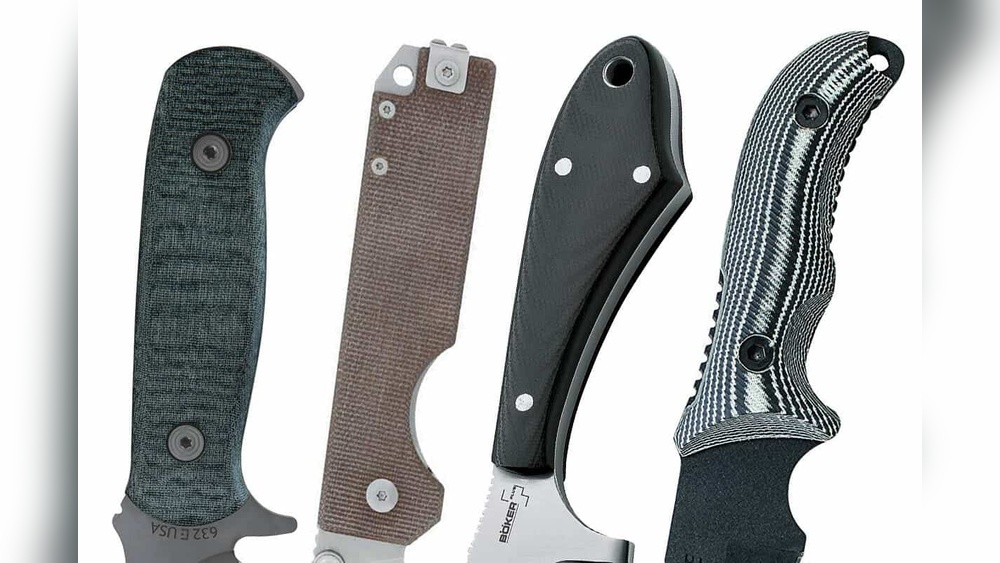
Micarta offers earthy and warm tones. It often shows natural patterns from the layers of fabric. These patterns give each piece a unique look. Colors tend to be soft and organic.
G10 comes in bright, bold colors. It can be made in many shades and patterns. This material often has a smooth, shiny finish. It suits modern and vibrant designs well.
Customization Possibilities
Micarta allows subtle changes with sanding and polishing. You can create a matte or glossy finish. The texture feels warm and natural to touch.
G10 is easier to shape and engrave. It holds sharp lines and fine details well. This makes it great for custom designs and logos.

Credit: fnsharp.com
Maintenance And Care
Maintaining Micarta and G10 materials keeps them looking good and working well. Both need care but the methods differ slightly. Proper cleaning and storage extend their life. Small steps make a big difference over time.
Cleaning Tips
Use warm water and mild soap to clean both Micarta and G10. Avoid harsh chemicals that can damage the surface. Gently scrub with a soft brush or cloth to remove dirt. For tough stains on Micarta, use a soft abrasive pad carefully. Dry the material completely to stop moisture damage. Regular cleaning prevents buildup and keeps textures intact.
Longevity Factors
Keep Micarta and G10 away from extreme heat to avoid warping. Store items in a dry place to stop mold and mildew. Avoid dropping or hitting hard surfaces to prevent cracks. Micarta may wear smoother with use but stays strong. G10 remains rigid and resists scratches well. Proper care ensures they last for many years.
Cost And Availability
Cost and availability play key roles in choosing between Micarta and G10. Both materials serve similar purposes but differ in price and how easy they are to find. Understanding these differences helps you pick the right option for your needs.
Price Comparison
Micarta tends to be less expensive than G10. Its production uses natural fibers, which lowers the cost. G10, made with fiberglass and resin, costs more due to its complex manufacturing. For budget projects, Micarta offers solid value without sacrificing quality. G10 fits better in projects with higher budgets and where durability is a top priority.
Market Accessibility
Micarta is widely available in many regions. Many stores and suppliers stock it regularly. G10 may be harder to find in smaller markets or less developed areas. It is often available through specialty suppliers or online stores. Both materials are easy to order online, but Micarta usually ships faster and at lower cost.
Common Uses In Knives
Micarta and G10 are popular materials for knife handles. They both offer strong and reliable grip surfaces. Each material has unique traits that suit different knife uses. Understanding these uses helps pick the right knife for your needs.
Tactical Applications
Micarta handles are common in tactical knives. They provide a warm, natural feel that many users prefer. This material resists moisture and maintains grip even when wet. G10 handles excel in durability and impact resistance. They handle rough use and harsh conditions well. G10 is lighter than Micarta, aiding quick movements. Both materials offer excellent control for tactical tasks.
Everyday Carry Preferences
For everyday carry (EDC), Micarta offers a comfortable grip. It ages well, gaining character over time. Many users like the texture of Micarta for daily use. G10 handles are popular for their toughness and easy maintenance. They resist scratches and stains better than Micarta. G10 also comes in many colors and patterns. This variety appeals to those who want a unique EDC knife.
Frequently Asked Questions
What Is The Main Difference Between Micarta And G10?
Micarta is made from linen, paper, or canvas with resin. G10 uses fiberglass cloth with epoxy resin. This makes G10 stronger and more water-resistant than Micarta.
Which Material Is Better For Knife Handles, Micarta Or G10?
G10 is generally better for knife handles. It offers superior durability, grip, and moisture resistance compared to Micarta. However, Micarta provides a unique aesthetic with a warmer feel.
How Does Micarta Compare To G10 In Terms Of Durability?
G10 is more durable than Micarta. It resists impact, moisture, and chemicals better. Micarta is strong but can wear faster under harsh conditions.
Are Micarta And G10 Easy To Maintain?
Both materials are low maintenance. G10 requires minimal cleaning and resists stains. Micarta can need occasional oiling to maintain its look and durability.
Conclusion
Both Micarta and G10 offer strong, durable materials for many uses. Micarta feels warm and natural, while G10 is tough and water-resistant. Each has unique benefits depending on your needs and style. Choose based on where and how you plan to use it.
Both materials stand up well to daily wear and tear. Your choice depends on comfort and performance preferences. Either option makes a solid, reliable choice for handles or surfaces. Simple and effective.