Katana Vs Wakizashi: Ultimate Samurai Sword Showdown
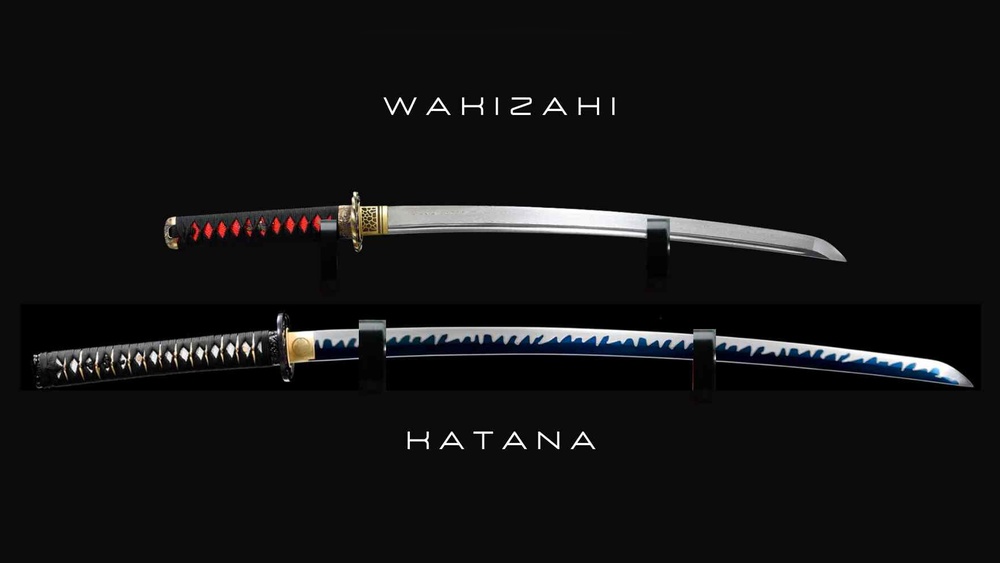
When it comes to Japanese swords, two names often come up: Katana and Wakizashi. You might wonder, what makes these blades different?
Or which one suits your needs better? Whether you’re a collector, a martial arts enthusiast, or just curious, understanding the unique features of these swords can change how you see them forever. You’ll discover the key differences that set the Katana and Wakizashi apart, helping you make a clear choice.
Ready to uncover the secrets behind these legendary weapons? Keep reading—you won’t want to miss this.
Credit: www.hanbonforge.com
Samurai Sword Origins
Samurai swords are more than weapons. They are symbols of honor and skill. These swords carry a long history in Japan. Each type has a unique story.
Two famous swords stand out: the katana and the wakizashi. Both played key roles in samurai culture. Understanding their origins helps to appreciate their value and design.
History Of The Katana
The katana appeared in the 14th century. It became the main sword for samurai. The blade is long, curved, and sharp. It suits quick, precise strikes in battle.
Craftsmen used special folding techniques to make strong blades. The katana symbolized the samurai’s soul. It was worn with the edge facing up. This allowed fast drawing and cutting.
Over time, the katana evolved in shape and style. It remained a key weapon until the samurai era ended in the 19th century.
History Of The Wakizashi
The wakizashi is a shorter sword, about half the katana’s length. It appeared alongside the katana in the samurai’s toolkit. The wakizashi served many purposes.
Samurai used it indoors or in close combat. It was also a backup weapon. The wakizashi had a strong blade and fine craftsmanship.
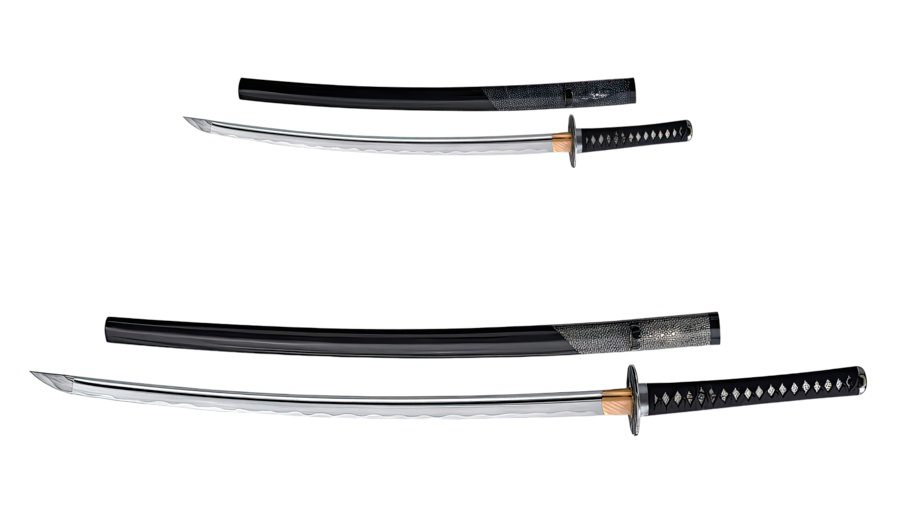
Wearing the wakizashi and katana together was a sign of status. This pair was called the daisho, meaning “big-little.” It showed the samurai’s readiness and honor.
Credit: swordis.com
Design And Dimensions
The design and size of a katana and wakizashi play key roles in their use and history. Both swords come from Japan and share some similarities. Their differences in shape and length affect how warriors wielded them. Understanding these differences helps appreciate each sword’s unique role.
Blade Length And Shape
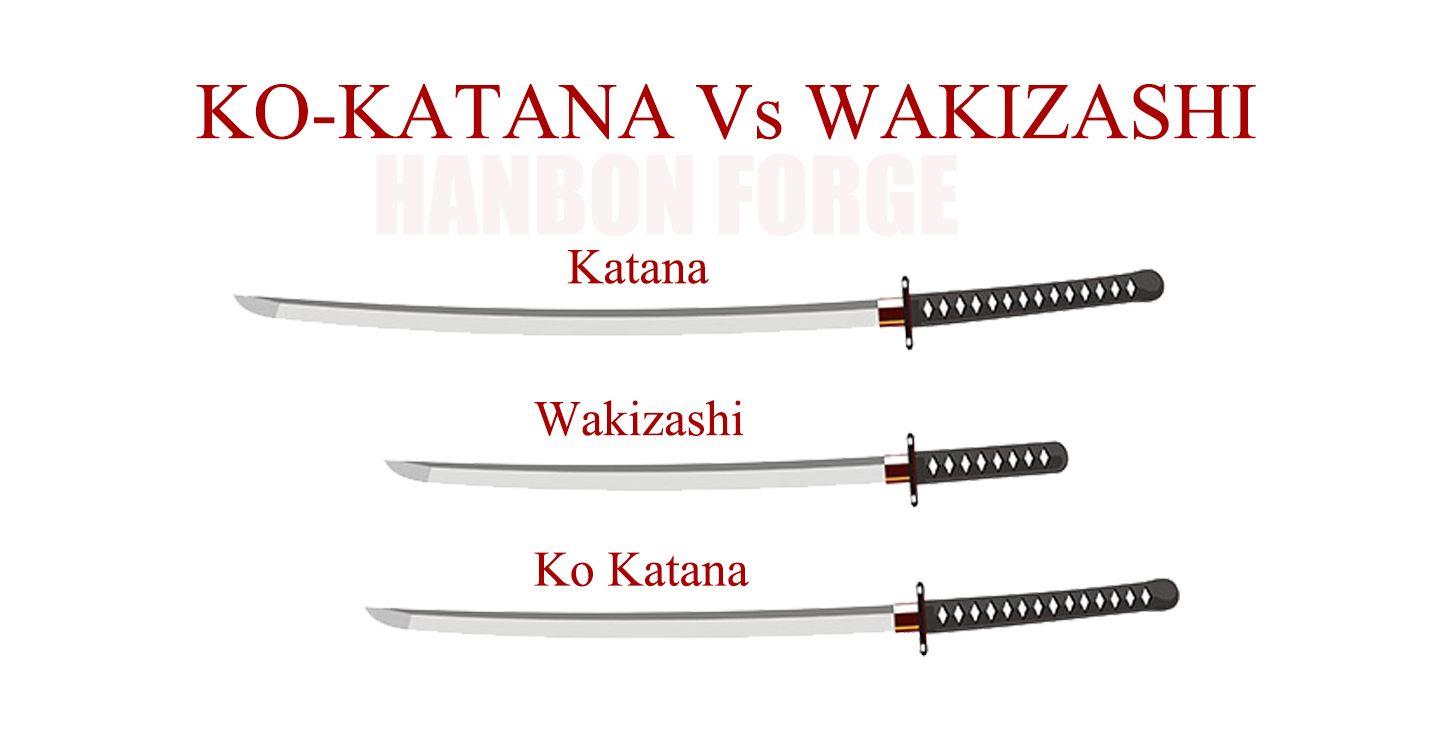
The katana has a longer blade, usually between 27 to 30 inches. Its curve is gentle, designed for smooth, fast cuts. The blade’s shape allows powerful, sweeping strikes. The wakizashi is shorter, about 12 to 24 inches long. It has a similar curve but is easier to carry and use in close spaces. Both blades are sharp, made for cutting rather than stabbing.
Handle And Guard Differences
The katana’s handle is long enough for two hands. This grip gives better control and strength in battle. Its guard, called tsuba, is larger to protect the hand from enemy strikes. The wakizashi’s handle is shorter, fitting one hand comfortably. The tsuba on a wakizashi is smaller but still offers hand protection. These features make the wakizashi faster to draw and use in tight spots.
Function And Usage
The katana and wakizashi served distinct roles in Japanese culture. Both swords had specific uses depending on the situation. Their differences reflect their unique functions and purposes.
Combat Roles
The katana was the main weapon for samurai in battle. It had a long, curved blade for powerful, sweeping strikes. Warriors used it for open combat and duels. The wakizashi was shorter, ideal for close quarters. It allowed quick, precise attacks inside buildings or tight spaces. Samurai often carried both swords to cover different fighting needs.
Ceremonial Purposes
The wakizashi also held symbolic value in ceremonies. It represented honor and loyalty among samurai. During formal events, samurai displayed the wakizashi as part of their attire. The katana was rarely used in rituals but symbolized strength and status. Together, they showed the warrior’s readiness and respect for tradition.

Credit: www.swordsofnorthshire.com
Crafting Techniques
The crafting techniques of the katana and wakizashi reflect centuries of Japanese sword-making skill. Both blades are forged with care and precision. Their unique methods give each sword distinct qualities.
Understanding these techniques helps appreciate the art behind these weapons. The forging process and materials used shape the swords’ strength and beauty.
Forging Process
The forging process starts with folding the steel many times. This removes impurities and creates layers. The katana’s blade is longer, requiring more folding and shaping. The wakizashi is shorter, so it needs less forging time.
Both swords undergo heating, hammering, and cooling in water. This hardens the blade but also keeps it flexible. The edge is then sharpened carefully to hold a fine point. The katana often has a more curved shape after forging. The wakizashi’s curve is subtle but still important for balance.
Materials Used
High-quality steel is key in crafting both swords. Traditional swordsmiths use tamahagane steel made from iron sand. This steel is strong and can hold a sharp edge well. The katana requires more steel due to its size. The wakizashi uses less but the same quality material.
Clay coating is applied before heating to control cooling speed. This creates a hard edge and softer spine. The difference in cooling rates forms the distinct hamon line. This line is a mark of the sword’s craftsmanship and quality.
Symbolism And Status
The katana and wakizashi are more than just weapons. They carry deep meaning in Japanese culture. Their symbolism shows rank, honor, and tradition. Both swords represent different roles and values within the samurai class. Understanding their status helps to see their true importance.
Social Significance
The katana was a symbol of the samurai’s power and social rank. Owning a katana meant honor and respect in society. It was worn openly, showing the wearer’s status. The wakizashi, smaller and paired with the katana, was a sign of readiness and loyalty. Together, they formed the daisho, a set symbolizing the samurai’s duty and identity. Common people could not carry these swords, marking a clear social boundary.
Cultural Impact
Both swords reflect Japan’s deep respect for tradition. The katana embodies the spirit of the warrior and discipline. The wakizashi represents protection and inner strength. These swords appear often in art, stories, and ceremonies. They remind people of the samurai’s code, bushido, emphasizing honor and courage. Their influence extends beyond weapons, shaping Japanese culture and values.
Performance In Battle
Performance in battle defines the true value of any weapon. The katana and wakizashi have distinct roles on the battlefield. Each excels in different ways, influenced by design and purpose. Understanding these differences helps appreciate their unique strengths in combat.
Strength And Durability
The katana is longer and built for powerful strikes. Its blade is thick and designed to endure heavy blows. This makes it strong against armor and tough opponents. The wakizashi is shorter and lighter. It is less durable for direct, heavy strikes but excels in close combat. Both swords use high-quality steel, but the katana handles more stress over time.
Speed And Maneuverability
The wakizashi shines in speed and quick movements. Its shorter length allows faster draws and slashes. It is ideal for tight spaces and fast attacks. The katana, while longer, still offers good speed but requires more room to swing effectively. The wakizashi’s design favors agile fighting styles and rapid defense. Both blades complement each other, balancing speed and power in battle.
Modern Collecting And Usage
Modern collecting and usage of the katana and wakizashi show how these swords remain important today. Both swords tell stories of Japanese history and culture. Collectors and martial artists appreciate them for different reasons. Their value is not just in their look but also in their meaning and use.
Collectors’ Perspective
Collectors prize katanas for their size and elegance. They often seek authentic blades made by famous smiths. Wakizashis attract collectors with their unique shape and history. Both swords can be expensive and rare. Condition and craftsmanship affect their value. Collectors also enjoy learning about the sword’s past owners. Displaying these swords is a popular way to honor Japanese heritage.
Martial Arts Practice
Martial artists use katanas for cutting practice and forms. Its long blade suits wide, flowing movements. Wakizashis are used for close combat training. Their shorter length allows quick, precise strikes. Both swords help develop focus and discipline. Training with real swords requires safety and respect. Practitioners see these swords as tools for skill and tradition.
Frequently Asked Questions
What Is The Main Difference Between Katana And Wakizashi?
The Katana is a longer sword, typically around 60-80 cm. Wakizashi is shorter, about 30-60 cm. Katana was used for open combat, while Wakizashi served as a backup or for close-quarters fighting.
Why Did Samurais Carry Both Katana And Wakizashi?
Samurais carried both swords as a daisho set. Katana was for battle, Wakizashi for indoor or close combat. This combination symbolized social status and readiness for different fighting scenarios.
Which Sword Is Better For Beginners, Katana Or Wakizashi?
Wakizashi is better for beginners due to its smaller size and lighter weight. It’s easier to handle and learn basic techniques before progressing to the longer Katana.
How Were Katana And Wakizashi Used Differently In Battle?
Katana was used for powerful, sweeping strikes in open combat. Wakizashi was for quick, close-range attacks or finishing moves. Each sword had a unique role based on combat needs.
Conclusion
Both the katana and wakizashi hold unique places in history. The katana is longer and used for open combat. The wakizashi is shorter and ideal for close fighting. Each blade offers different advantages depending on the need. Choosing between them depends on purpose and style.
Both swords show the skill of Japanese craftsmanship. Their legacy continues to inspire many around the world. Understanding their differences helps appreciate their true value. Which one fits your interest best? The choice is yours to make.