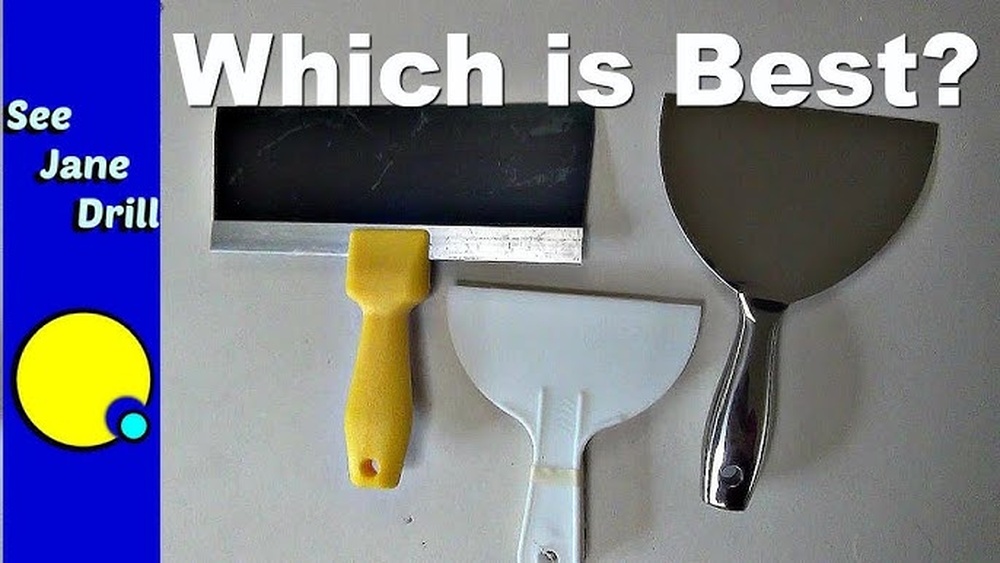
Plastic Vs Metal Putty Knife: Ultimate Guide to Choose Right
Choosing the right putty knife can make all the difference in your project’s outcome. You might be wondering whether a plastic or metal putty knife is better for your needs.
Each type has its own strengths and weaknesses that could affect your work. By understanding these differences, you’ll save time, avoid frustration, and get cleaner results. Keep reading to discover which putty knife fits your toolbox perfectly and why it matters for your next job.

Credit: www.walmart.com
Types Of Putty Knives
Putty knives come in different types, each made for specific tasks. Choosing the right type helps you work better and faster. Understanding the differences between plastic and metal putty knives is important. This guide explains the main types and their uses.
Plastic Putty Knives
Plastic putty knives are lightweight and flexible. They are great for applying soft materials like spackle or lightweight putty. These knives do not scratch delicate surfaces. They work well on walls and wood. Plastic blades are less durable but safer for gentle jobs.
Plastic putty knives resist rust and are easy to clean. They come in various sizes for different tasks. Their flexibility helps spread material smoothly. These knives are good for beginners and light repairs around the home.
Metal Putty Knives
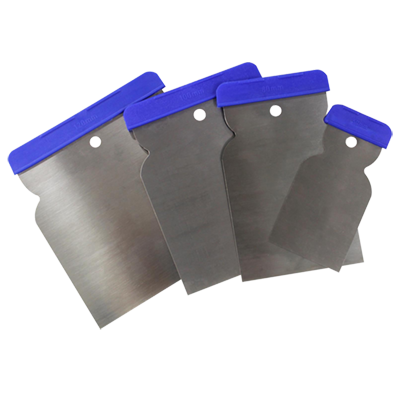
Metal putty knives have strong, sharp blades made from stainless steel or carbon steel. They are ideal for scraping old paint, removing tough materials, and heavy-duty tasks. Metal knives provide more control and precision.
These knives last longer and handle rough surfaces easily. They can also smooth thick putty or filler well. Metal blades may scratch delicate surfaces, so use them carefully. They are preferred by professionals and serious DIYers.
Material Properties
Choosing between plastic and metal putty knives depends a lot on their material properties. Each type has unique features that affect how well it works. Understanding these properties helps pick the right tool for your job.
Durability And Strength
Metal putty knives are very strong and last long. They can handle tough jobs without bending or breaking. Plastic knives are less strong and can crack under heavy use. They work well for light tasks but wear out faster.
Flexibility And Rigidity
Plastic knives are flexible and bend easily. This helps spread putty smoothly on uneven surfaces. Metal knives are stiff and hold their shape. They offer better control for scraping and precise work.
Corrosion Resistance
Plastic does not rust or corrode. It stays clean even in wet conditions. Metal knives can rust if not dried properly. Stainless steel knives resist rust but need care to last long.
Performance In Different Tasks
Performance varies between plastic and metal putty knives depending on the task. Each type suits certain jobs better. Choosing the right one improves work quality and saves time.
Spreading And Smoothing
Plastic putty knives glide smoothly over surfaces. They bend slightly, making spreading easier on delicate areas. Metal knives offer firm edges for sharp, clean lines. They work well on hard surfaces. Plastic knives prevent scratching soft walls or drywall. Metal tools handle thicker compounds without bending.
Scraping And Removing
Metal putty knives excel at scraping paint or glue. Their rigid blade removes stubborn materials quickly. Plastic knives are less effective here. They may bend or break under pressure. Use metal tools for tough removal jobs. Plastic tools suit light scraping on fragile surfaces.
Working With Different Materials
Plastic knives suit drywall mud, spackle, and light fillers. They avoid damage to soft materials. Metal knives work well with putty, plaster, and tough fillers. Metal resists wear and lasts longer. Match the tool to material type for best results.

Credit: www.youtube.com
Ease Of Use
Ease of use plays a big role in choosing between plastic and metal putty knives. The right tool makes your work faster and less tiring. This section breaks down key factors that affect how easy each type is to use.
Weight And Handling
Plastic putty knives are usually lighter. This makes them easy to hold for long times. Metal putty knives weigh more but feel solid. They give better control for precise work. Lightweight tools reduce hand fatigue, especially on big jobs.
Blade Sharpness And Edge Retention
Metal blades stay sharp longer. They cut and scrape smoothly without bending. Plastic blades dull quickly and can break under pressure. Sharp edges make spreading putty easier and neater. A dull blade slows work and causes uneven results.
Comfort And Grip
Plastic handles often have soft grips. They fit well in the hand and reduce slipping. Metal handles can be hard and cold, which may feel uncomfortable. Some metal knives have rubber grips for better hold. Comfort helps you work longer without pain.
Cost And Availability
Cost and availability play a big role in choosing between plastic and metal putty knives. Knowing the price and where to buy helps you find the right tool fast. Both types have clear differences in cost and shopping options. This guide breaks down these points for you.
Price Comparison
Plastic putty knives usually cost less. They are made from cheaper materials. Prices often range from $2 to $10. This makes them ideal for small or occasional jobs. Metal putty knives cost more. Prices range from $8 to $25 or more. The metal blade lasts longer and can handle tougher tasks. Choosing depends on your budget and usage needs.
Where To Buy
Plastic putty knives are easy to find. Many hardware stores carry them. You can also buy them online on big retail websites. Metal putty knives are widely available too. Specialty tool shops and home improvement stores stock them. Online stores offer a wide range of brands and sizes. Both types are accessible, making it easy to buy what you need.
Maintenance And Longevity
Proper maintenance extends the life of both plastic and metal putty knives. Careful cleaning and correct storage keep tools ready for use. Knowing the best methods prevents damage and rust. This helps save money over time. Both types need attention, but the steps differ slightly.
Cleaning Tips
Remove putty or paint right after use. Use warm water and mild soap for plastic knives. Avoid harsh chemicals that can melt plastic. For metal knives, scrub gently with a brush to remove residue. Dry metal blades immediately to stop rust. Wipe plastic blades dry to avoid warping. Clean tools regularly for best results.
Storage Recommendations
Store putty knives in a dry place. Hang metal knives to prevent moisture buildup. Keep plastic knives flat to avoid bending. Use a toolbox or drawer organizer to separate tools. Avoid stacking heavy items on top of knives. Proper storage protects tools and keeps edges sharp. A little care helps tools last longer.
Safety Considerations
Safety is important when choosing between plastic and metal putty knives. Each type has risks that users must know. Understanding these hazards helps prevent accidents and injuries. Proper safety habits keep your work smooth and safe.
Potential Hazards
Metal putty knives have sharp edges. They can cut skin if handled carelessly. Applying too much force may cause slips and injuries. Rust on metal blades can cause infections. Plastic knives are less sharp but can break easily. Broken plastic pieces may cause cuts or splinters. Both tools can cause hand strain with long use.
Protective Measures
Wear gloves to protect hands from cuts and scrapes. Keep metal blades clean and dry to avoid rust. Use the right knife for the job to reduce pressure and slips. Store knives safely to prevent accidents. Replace damaged plastic knives immediately. Take breaks to avoid hand fatigue. Always handle tools with care and focus on the task.
Choosing The Right Putty Knife
Choosing the right putty knife makes a big difference in your work. The type of putty knife affects how smooth and easy the job becomes. Picking the right tool saves time and effort. It also helps you get better results with less mess.
Task-specific Recommendations
Different tasks need different putty knives. For spreading putty on walls, plastic knives work well. They are flexible and gentle on surfaces. Metal putty knives are stronger and better for scraping old paint or glue. Use a small blade for tight spaces. Larger blades cover more area quickly.
Budget Vs Quality
Plastic putty knives cost less and are good for light jobs. They wear out faster but are easy to replace. Metal knives cost more but last longer. They handle tough jobs without bending or breaking. Think about how often you will use the knife before buying.
User Experience Level
Beginners find plastic knives easier to control. They are light and safer to use. Experienced users prefer metal knives for their durability. Metal knives offer better precision and strength. Choose a knife that matches your skill level for best results.
Credit: www.roberlo.com
Frequently Asked Questions
What Are The Main Differences Between Plastic And Metal Putty Knives?
Plastic putty knives are flexible, lightweight, and ideal for soft materials. Metal putty knives are rigid, durable, and suited for heavy-duty scraping and spreading tasks.
Which Putty Knife Is Better For Drywall Repair?
Metal putty knives are better for drywall repair due to their strength. They spread joint compound smoothly and scrape off excess material effectively.
Can Plastic Putty Knives Damage Surfaces?
Plastic putty knives are less likely to damage surfaces. Their flexibility and softer edges prevent scratches on delicate materials like wood and painted surfaces.
Are Metal Putty Knives Prone To Rust?
Yes, metal putty knives can rust if not dried properly. Stainless steel variants resist rust better, extending tool longevity with proper care.
Conclusion
Choosing between plastic and metal putty knives depends on your project needs. Plastic knives work well for light tasks and smooth finishes. Metal knives offer strength and durability for tougher jobs. Consider the surface and material you will handle. Both tools have their place in any toolbox.
Picking the right knife makes the job easier and cleaner. Simple tools, better results.