
Deba Knife Vs Santoku: Ultimate Guide to Choosing the Best Knife
Choosing the right knife can change the way you cook every day. If you’ve ever wondered whether a Deba knife or a Santoku is better for your kitchen, you’re not alone.
Both knives come from Japan and look similar, but they serve very different purposes. Understanding their unique features will help you decide which one fits your cooking style and needs. Keep reading, because by the end of this article, you’ll know exactly which knife deserves a spot in your hand and on your cutting board.
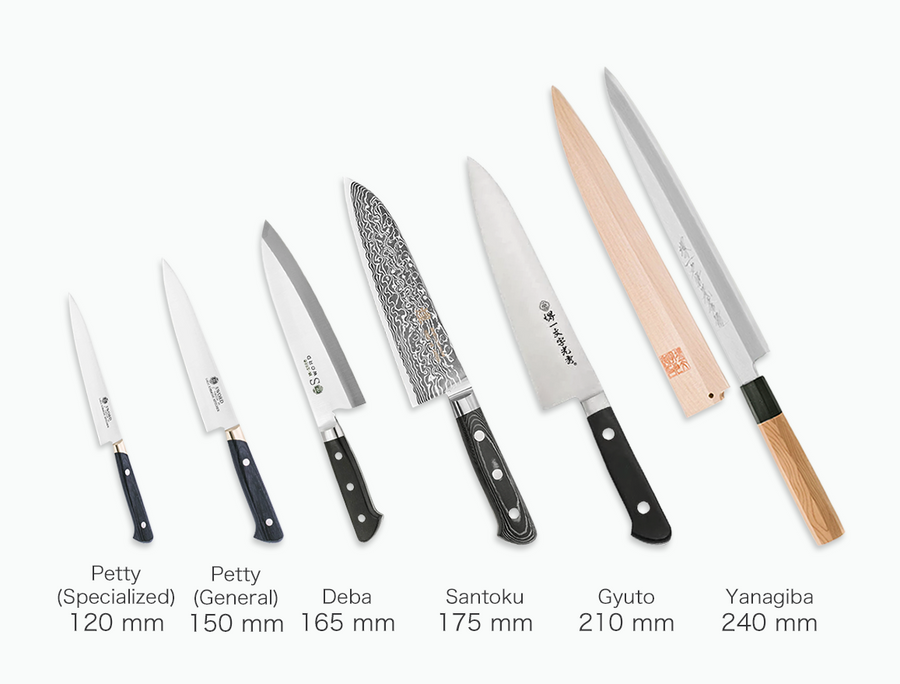
Credit: global.ichimonji.co.jp
Deba Knife Origins
The Deba knife is a traditional Japanese kitchen tool. It is known for its strong, thick blade. Chefs use it mainly for cutting fish and meat. The knife’s design reflects its purpose and origin. Understanding the roots of the Deba knife helps appreciate its role in cooking.
Its history and cultural place show why it remains popular today. The knife is a symbol of skill and precision in Japanese kitchens.
History And Tradition
The Deba knife has been around for hundreds of years. It first appeared in Japan during the Edo period. The knife was designed to handle whole fish. Fishermen and chefs needed a tool for filleting and cutting bones. The thick blade made this easier and safer.
Traditional blacksmiths used special steel to craft Deba knives. They shaped the blade by hand, making each knife unique. This tradition continues in many Japanese workshops today.
Cultural Significance
The Deba knife holds a special place in Japanese culture. It is more than just a tool; it represents respect for food. Using the knife requires skill and care, showing the cook’s dedication.
In Japanese homes and restaurants, the Deba knife is a trusted companion. It connects modern chefs with centuries of culinary heritage. This knife stands as a symbol of craftsmanship and tradition.
Santoku Knife Origins
The Santoku knife is popular in many kitchens worldwide. Its design fits various cutting tasks. The name “Santoku” means “three virtues” or “three uses.” It highlights the knife’s ability to slice, dice, and chop. Understanding its origins reveals why it is so versatile.
Japanese Roots
The Santoku knife comes from Japan. It blends traditional Japanese knife-making with Western influences. The blade is shorter and wider than many Western knives. It suits the Japanese style of cooking, focusing on vegetables, fish, and meat. The knife’s shape helps create thin, precise cuts.
Japanese craftsmen use high-quality steel for the blade. They focus on sharpness and balance. The Santoku reflects Japan’s respect for tools and food. It became a kitchen essential in many Japanese homes.
Modern Evolution
Today, the Santoku knife has changed to meet global needs. Manufacturers add features for comfort and durability. Some blades have non-stick coatings or grant handles for grip. The knife now suits various cooking styles worldwide.
Its design remains close to the original but adapts to modern kitchens. The Santoku is often lighter than traditional Western knives. This makes it easier for long use. Its evolution shows how tradition and innovation work together.
Blade Design Comparison
The blade design of Deba knives and Santoku knives shows key differences. These differences affect how each knife performs in the kitchen. Understanding these can help pick the right knife for the task.
Blade design impacts cutting style, control, and the types of food each knife suits best. The following points break down the main features of each blade.
Shape And Size
Deba knives have a thick, heavy blade with a pointed tip. Their length ranges from 6 to 8 inches. This shape suits cutting through fish bones and meat.
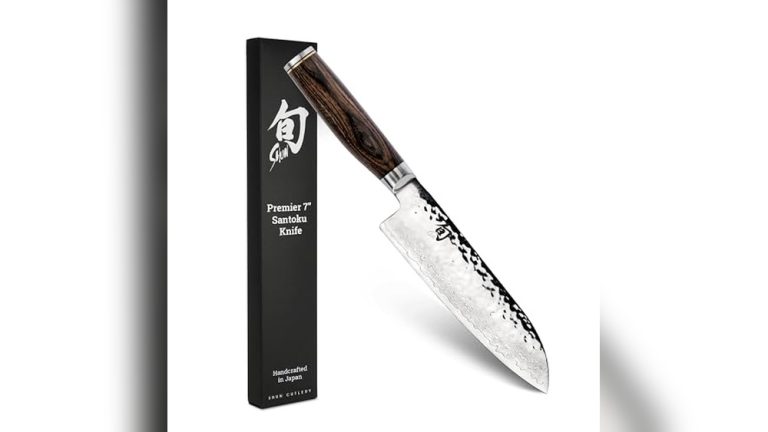
Santoku knives are shorter and lighter, usually 5 to 7 inches long. Their blade is wide and curves slightly towards the tip. This shape works well for chopping vegetables and slicing meat thinly.
Blade Thickness
Deba blades are thick and sturdy. This thickness helps with cutting tough items without breaking or bending. It adds weight to the knife, making chopping easier.
Santoku knives have thinner blades. Their slim design allows for precise, clean cuts. The thin blade makes slicing and dicing faster and smoother.
Edge Style
Deba knives often have a single bevel edge. This means the blade is sharpened on one side only. It creates sharpness that lasts longer and is ideal for delicate fish filleting.
Santoku knives use a double bevel edge, sharpened on both sides. This design suits right and left-handed users. It offers versatility for many kitchen tasks.
Functionality And Uses
Understanding the functionality and uses of Deba and Santoku knives helps choose the right tool. Each knife suits different kitchen tasks. Knowing their strengths improves cooking efficiency and safety.
Deba Knife Tasks
The Deba knife is thick and heavy. It excels at cutting fish and meat. Chefs use it to fillet fish smoothly. It can also cut through small bones without damage. The sturdy blade handles tough tasks easily. It is less suited for delicate slicing or chopping vegetables.
Santoku Knife Tasks
The Santoku knife is lighter and thinner. It works well for slicing, dicing, and chopping. Vegetables, fruits, and boneless meats are easy to cut. The blade’s shape allows quick, precise cuts. It does not handle bones or very hard foods well. The Santoku is a versatile kitchen knife for daily use.
Material And Construction
The material and construction of Deba and Santoku knives shape their performance. Each knife has unique features. These features affect durability, sharpness, and comfort. Understanding these differences helps choose the right knife for your kitchen.
Steel Types
Deba knives often use high-carbon steel. This steel holds a sharp edge well. It can be sharpened to a very fine point. Santoku knives usually use stainless steel. Stainless steel resists rust and stains better. Both steels have pros and cons for kitchen use.
Handle Materials
Deba knives often have wooden handles. Wood feels traditional and offers a good grip. Santoku knives use wood or synthetic handles. Synthetic handles resist water and last longer. Handle choice affects comfort and control during cutting.
Blade Hardness
Deba blades tend to be harder. Hard blades keep sharp edges longer. They need careful handling to avoid chipping. Santoku blades are softer but more flexible. Softer blades resist breaking but need more frequent sharpening.

Credit: kasumijapan.com
Cutting Techniques
Cutting techniques vary greatly between the Deba knife and the Santoku. Each knife has a unique shape and weight that affect how you use it. Understanding these methods helps improve your cooking skills and safety.
The Deba knife is heavier and thicker. It is designed for strong, precise cuts. The Santoku knife, lighter and thinner, excels at quick, smooth slicing.
Deba Knife Methods
The Deba knife works best with a downward chopping motion. It is perfect for cutting through fish bones and meat. The thick blade allows strong, clean cuts without damaging the food.
Use short, firm strokes. The weight of the knife adds power. Deba knives also handle delicate filleting by careful, slow cutting. You can split small bones without breaking the blade.
Santoku Knife Methods
The Santoku knife uses a slicing or rocking motion. It glides easily through vegetables, fish, and meat. The thinner blade allows fine, even cuts.
Move the knife forward and down in a smooth rhythm. This keeps cuts clean and consistent. The Santoku is great for dicing, mincing, and chopping quickly. It works well for everyday kitchen tasks.
Maintenance And Care
Proper maintenance and care keep your Deba knife and Santoku sharp and long-lasting. Both knives need regular attention to perform well. Small daily habits make a big difference in how these knives work and last.
Sharpening Tips
Use a whetstone to sharpen both knives. Keep the blade angle steady, around 15 to 20 degrees. Sharpen slowly and evenly on both sides. Avoid using electric sharpeners that can damage the blade. Test sharpness by slicing soft food like tomatoes. Regular sharpening keeps the edge clean and precise.
Cleaning Practices
Hand wash your knives immediately after use. Use warm water and mild soap. Avoid soaking knives in water for a long time. Dry them fully with a soft cloth. Do not put these knives in a dishwasher. Store knives in a wooden block or on a magnetic strip. Proper cleaning prevents rust and dulling of the blade.

Credit: www.reddit.com
Choosing The Right Knife
Choosing the right knife can change your cooking experience. The Deba and Santoku knives serve different purposes. Picking the best one depends on your needs and skills. This guide helps you understand which knife fits you best.
Cooking Style Considerations
Think about the food you cook most often. The Deba knife is great for fish and meat. It handles bones and tough cuts well. The Santoku knife works best for vegetables and boneless meat. It offers precision for slicing and dicing. Your choice should match the type of cooking you do.
Skill Level Factors
Beginners find the Santoku easier to use. Its design is lighter and more balanced. The Deba knife needs more control and strength. Experienced cooks prefer the Deba for heavy tasks. Choose a knife that suits your comfort and skill.
Budget And Value
Knives come in many price ranges. The Deba knife often costs more due to its size and strength. Santoku knives are usually affordable and versatile. Consider how often you will use the knife. Invest in quality but stay within your budget.
Frequently Asked Questions
What Is The Main Difference Between Deba And Santoku Knives?
Deba knives are heavier, designed for fish and meat cutting. Santoku knives are lighter, versatile for slicing, dicing, and chopping vegetables and meats.
Which Knife Is Better For Home Cooks, Deba Or Santoku?
Santoku knives are better for home cooks due to their versatility and ease of use. Deba knives suit specialized fish preparation.
Can Deba Knives Be Used For Vegetables Like Santoku?
Deba knives are not ideal for vegetables. Their weight and design focus on fish and meat, unlike the Santoku’s vegetable-friendly blade.
How Do The Blade Shapes Differ Between Deba And Santoku?
Deba blades are thick and sturdy with a pointed tip. Santoku blades have a thinner, flatter edge with a rounded tip for precise cuts.
Conclusion
Both Deba and Santoku knives offer unique benefits in the kitchen. Deba knives work well for cutting fish and meat with precision. Santoku knives are great for slicing, dicing, and chopping vegetables. Choosing depends on your cooking style and needs.
A Deba knife suits those who prepare seafood often. A Santoku is ideal for everyday kitchen tasks. Understanding these differences helps you pick the right tool. This way, cooking becomes easier and more enjoyable. Try both to see which fits your style best.
Simple tools can make a big difference.