Bk16 Vs Esee 4: Ultimate Knife Showdown for Survival Experts
Choosing the right knife can make all the difference when you’re out in the wild or tackling tough tasks. If you’re deciding between the BK16 and the ESEE 4, you’re probably looking for a blade that fits your needs perfectly.
But which one truly stands out? By the end of this article, you’ll know exactly which knife suits your style, offers the best performance, and gives you the most value. Keep reading to make a choice you won’t regret.
Blade Design And Materials
The blade design and materials define a knife’s strength and performance. Both the BK16 and ESEE 4 use strong steel and smart design. These features affect how the knives cut, hold their edge, and last over time.
Steel Types Compared
The BK16 uses 1095 high carbon steel. It is tough and easy to sharpen. This steel resists rust but needs care to avoid stains. The ESEE 4 also uses 1095 carbon steel. It has a protective coating to stop rust. Both steels are durable and popular in survival knives.
Blade Shape And Size
The BK16 has a drop point blade. This shape is good for control and precision. Its blade length is about 4.5 inches, great for detailed work. The ESEE 4 features a similar drop point blade. It is slightly longer, near 4.75 inches. Both blades balance utility and strength well.
Edge Retention And Sharpness
Both knives hold their edge well due to 1095 steel. The BK16 sharpens quickly but may dull faster with heavy use. The ESEE 4 keeps sharpness longer thanks to its coating. Both blades can be sharpened easily in the field. Regular maintenance keeps their edges ready to cut.
Handle Comfort And Grip
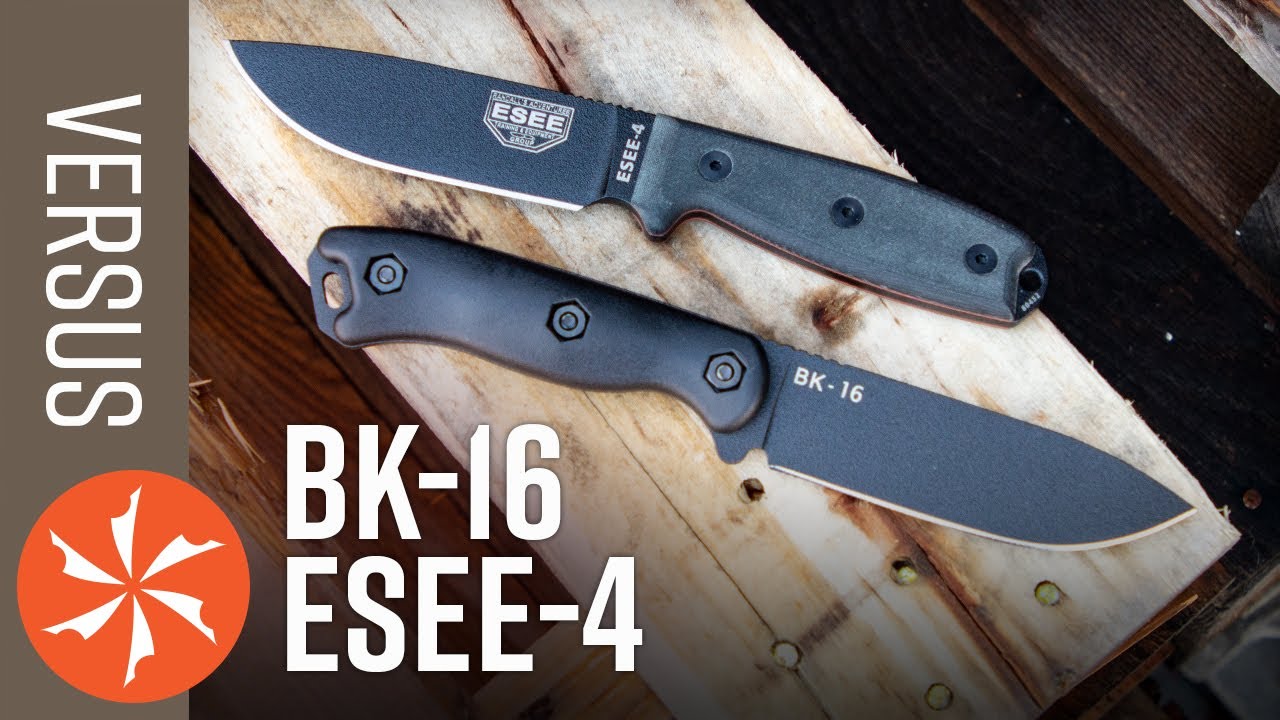
Handle comfort and grip play a big role in how a knife feels during use. A good handle helps you hold the knife securely and reduces hand fatigue. Both the BK16 and ESEE 4 offer unique handle designs that affect comfort and control. Let’s explore these differences closely.
Material And Texture
The BK16 handle uses G-10 material. It is tough and lightweight. The textured surface adds friction, stopping slips. The ESEE 4 has a Micarta handle. This material feels smooth but grippy. It absorbs sweat and moisture well. Both materials are durable but feel quite different in hand.
Ergonomics For Extended Use
BK16 has a slim, straight handle shape. It fits well in most hands. The shape allows easy movement without pressure points. ESEE 4 offers a wider handle with finger grooves. This design helps with a strong hold during long use. It supports your hand and reduces tiredness.
Grip Security In Wet Conditions
The BK16’s textured G-10 grip works well when wet. It keeps your hand from sliding. The ESEE 4’s Micarta handle also performs well in wet conditions. Its natural texture absorbs moisture but stays grippy. Both knives provide reliable control even in rain or sweat.
Durability And Build Quality
Durability and build quality are key factors for any outdoor knife. Both the BK16 and the ESEE 4 offer solid construction. These knives stand up well under tough conditions. This section breaks down their strength and design details.
Resistance To Wear And Corrosion
The BK16 uses high carbon steel that resists wear well. It holds its edge during heavy use. The steel also fights rust but needs regular care. The ESEE 4 features 1095 carbon steel. This steel is tough but can corrode without proper maintenance. Both knives benefit from cleaning and oiling after use.
Tang Construction And Strength
The BK16 has a full tang, which means the blade runs through the handle. This design adds strength and balance. The ESEE 4 also has a full tang. Its tang is thick, giving extra durability. Both knives handle strong tasks without bending or breaking.
Sheath Quality And Functionality
The BK16 comes with a molded plastic sheath. It fits the knife securely and protects the blade. This sheath is lightweight and easy to carry. The ESEE 4 uses a Kydex sheath, known for durability. It holds the knife firmly and allows fast access. Both sheaths offer good protection and convenience.

Credit: www.everydaycommentary.com
Performance In Survival Scenarios
Performance in survival scenarios is critical for any outdoor knife. Both the BK16 and ESEE 4 offer features designed to support tough tasks. Understanding their strengths helps choose the right tool for the challenge. Each knife performs differently in cutting, chopping, and maintenance.
Cutting And Chopping Efficiency
The BK16 has a slightly longer blade, making it efficient for chopping wood. Its thick blade holds up well under pressure. The ESEE 4 uses a robust blade shape that excels at precise cuts. This knife shines in fine slicing and batoning wood. Both knives handle cutting tasks well but in unique ways.
Versatility For Different Tasks
The ESEE 4 offers versatility with its balanced weight and sharp edge. It works well for food prep, carving, and shelter building. The BK16 feels solid in heavy chopping and tougher survival tasks. Its design supports endurance over long use. Each knife suits different survival needs based on task variety.
Ease Of Maintenance In The Field
Both knives are easy to clean and sharpen outdoors. The BK16’s blade steel resists rust and holds an edge longer. ESEE 4’s blade steel also resists corrosion but may need more frequent sharpening. Both blades can be maintained with basic tools. Field maintenance remains simple to keep knives ready.
Portability And Carry Options
Portability and carry options define how easy and comfortable a knife is to take with you. Both the BK16 and the ESEE 4 offer different features that affect their portability. These features determine how you can carry the knife during daily activities or outdoor trips.
Weight And Balance
The BK16 is lighter than the ESEE 4, making it easier to carry all day. It feels balanced in hand, which helps with control and comfort. The ESEE 4 is heavier but offers more strength for tough tasks. Its weight is well distributed, so it does not feel awkward to carry.
Sheath Attachment Styles
The BK16 comes with a versatile sheath that supports multiple attachment options. It can be worn on the belt or attached to gear. The ESEE 4’s sheath is sturdy and designed for secure carry. It allows for belt carry and can be mounted on packs or vests. Both knives offer reliable retention to keep the knife safe.
Concealment And Accessibility
The BK16’s smaller size makes it easier to conceal under clothing. It is quick to access for everyday use or emergencies. The ESEE 4 is larger, which can make concealment difficult. Still, it offers fast access with its well-designed sheath. Each knife suits different needs depending on how you carry and use it.
Price And Value Comparison
Comparing the BK16 and ESEE 4 knives involves more than just features. Price plays a big role in deciding which knife offers the best value. Both knives have different costs and benefits that affect their worth. Understanding these differences helps buyers choose the right knife for their needs and budget.
Cost Analysis
The BK16 usually costs less than the ESEE 4. This makes it attractive for buyers on a tight budget. The ESEE 4 is more expensive but offers added durability. Price differences reflect the materials and craftsmanship used. Buyers should weigh the initial cost against what they get in return.
Features Worth The Price
The ESEE 4 comes with a thicker blade and stronger steel. It resists rust and holds an edge longer. The BK16 features a lighter design and simpler build. It works well for basic outdoor tasks. Both knives offer features that match their price points. Consider which features matter most for your use.
Long-term Investment Considerations
Investing in a knife means thinking about how long it lasts. The ESEE 4 is made for heavy use and can last many years. The BK16 may need replacement sooner with rough use. Maintenance costs may also differ. A knife that lasts longer can save money over time.
User Feedback And Expert Opinions
User feedback and expert opinions provide real insights into the BK16 and ESEE 4 knives. They help us understand the strengths and weaknesses of each knife. This section shares views from survival experts and everyday users. It also shows which situations suit each knife best.
Survival Expert Reviews
Experts praise the BK16 for its sharp edge and strong build. They say it works well for heavy tasks like chopping wood. The ESEE 4 gets high marks for its balance and versatility. Specialists note it handles fine cutting and tough jobs with ease. Both knives score good points for durability and grip comfort.
Common User Praises And Complaints
Many users like the BK16’s solid feel and sharpness out of the box. They mention it is easy to clean and maintain. Some users find the ESEE 4’s blade shape perfect for various outdoor tasks. A few users say the BK16 can feel heavy after long use. Others mention the ESEE 4’s handle could be larger for bigger hands.
Recommended Use Cases
The BK16 suits heavy-duty survival and bushcraft activities. It fits well for chopping, batoning, and rough cutting. The ESEE 4 is ideal for camping and general outdoor use. It works well for food prep, carving, and small to medium tasks. Choosing depends on your main needs and hand size.

Credit: www.bladeforums.com
Credit: www.youtube.com
Frequently Asked Questions
What Are The Main Differences Between Bk16 And Esee 4?
The BK16 is a compact survival knife, while the ESEE 4 is larger and more versatile. BK16 excels in lightweight tasks. ESEE 4 offers better durability and blade strength for heavy-duty use. Both have excellent build quality but serve different purposes.
Which Knife Is Better For Outdoor Survival, Bk16 Or Esee 4?
ESEE 4 is generally better for outdoor survival due to its robust blade and full tang design. BK16 is lighter and easier to carry but less suited for heavy chopping. Choose based on your survival needs and task intensity.
How Do Bk16 And Esee 4 Compare In Blade Material?
Both knives use high-quality steel, but ESEE 4 typically features 1095 carbon steel known for toughness and edge retention. BK16 also uses 1095 but with a thinner blade, favoring precision over brute strength. Both steels can be sharpened easily.
Which Knife Offers Better Handle Ergonomics, Bk16 Or Esee 4?
ESEE 4 has a larger handle designed for a secure, comfortable grip during extended use. BK16’s handle is smaller and fits better in smaller hands or for light tasks. Handle comfort depends on hand size and task duration.
Conclusion
Both BK16 and ESEE 4 offer strong features and reliable performance. BK16 suits those who want a compact, lightweight knife. ESEE 4 works well for users needing a bigger, tougher tool. Think about your needs and how you plan to use the knife.
Choose the one that fits your tasks best. Either way, both knives provide good value and durability. Simple, practical tools for different preferences.