Spear Point Vs Drop Point: Ultimate Blade Battle Explained
When choosing the right knife, the shape of the blade tip matters more than you might think. You’ve probably heard about Spear Point and Drop Point blades, but which one truly fits your needs?
Whether you’re into hunting, camping, or everyday carry, understanding the difference can save you time and frustration. You’ll discover how these two popular blade styles compare, so you can make a confident choice that suits your tasks perfectly. Keep reading to find out which blade will become your go-to tool.
Credit: www.bladehq.com
Blade Shape Basics
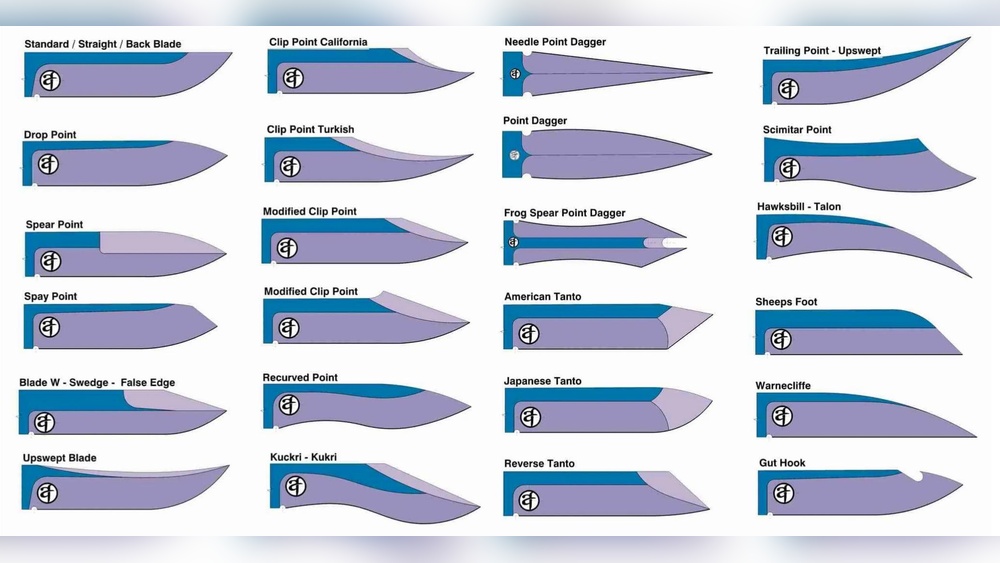
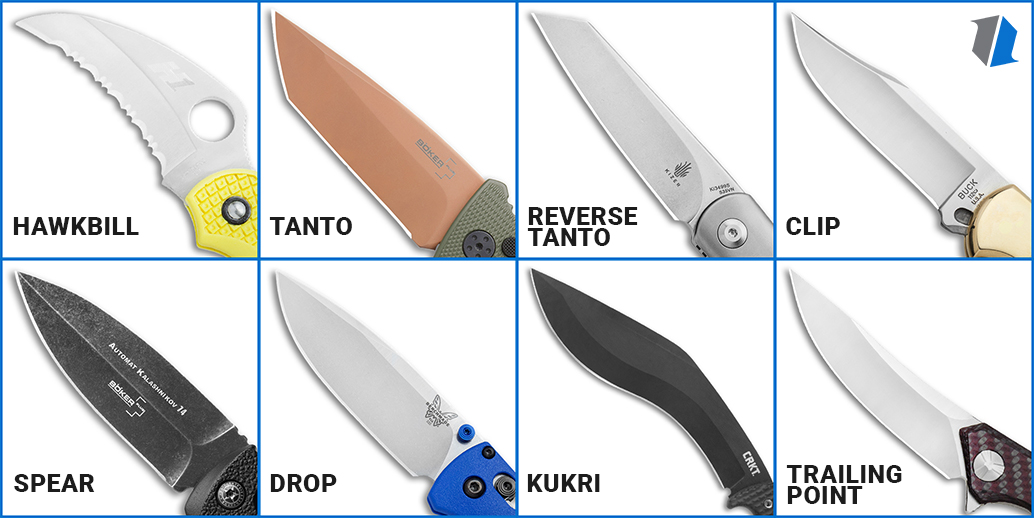
Blade shapes affect how a knife cuts and performs. Knowing the basics helps choose the right knife. Spear point and drop point blades are common types. Each has unique shapes and uses. Understanding their core features guides better decisions.
Spear Point Characteristics
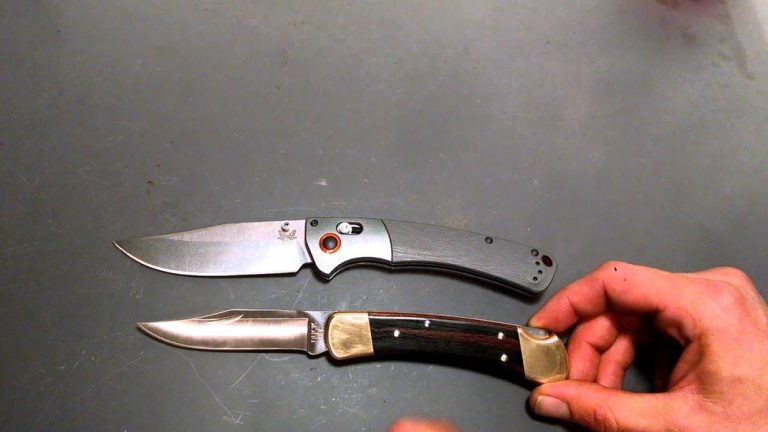
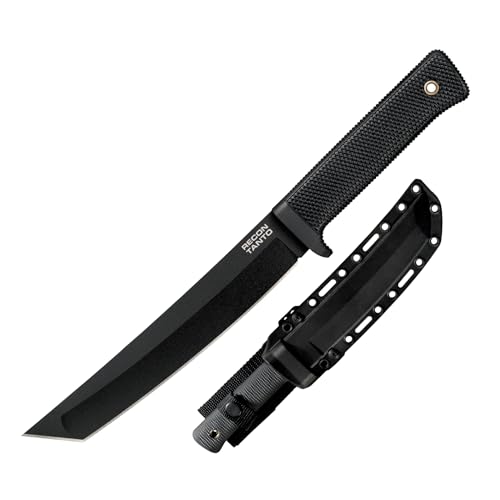
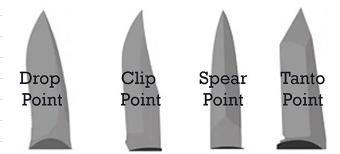
A spear point blade has a symmetrical shape. Both edges curve evenly to meet at a sharp tip. This design gives strong piercing ability. The tip is centered, making precise cuts easier. Spear points often have a sharp, narrow point. They work well for stabbing or thrusting tasks. The blade usually has a straight spine. This shape balances strength and control.
Drop Point Features
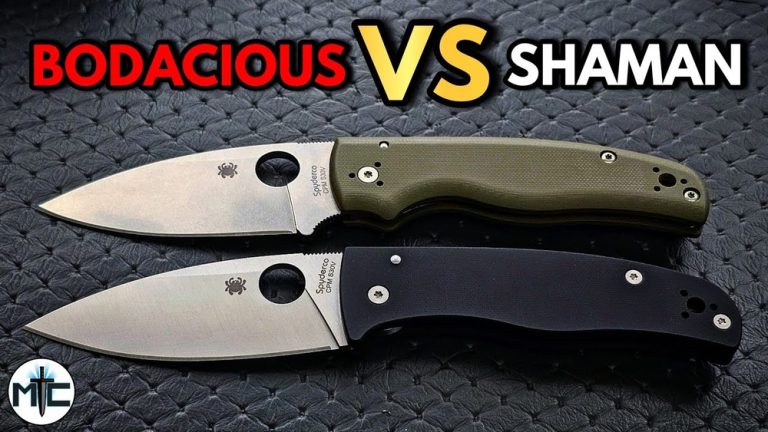
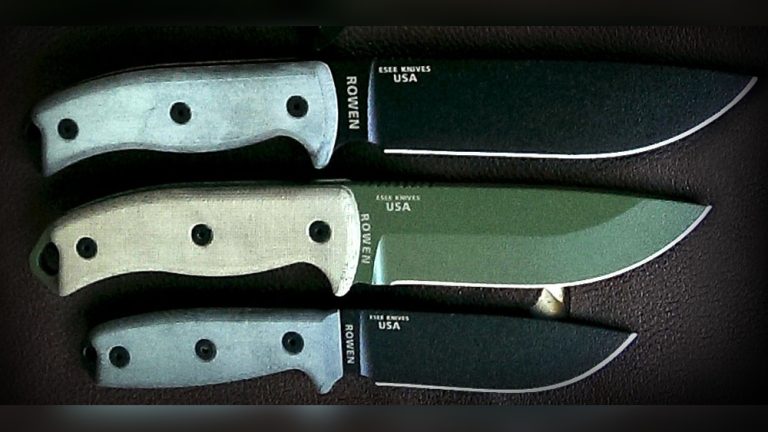
Drop point blades have a curved spine that slopes down. The tip is lower and stronger than spear points. This shape offers better control for slicing tasks. Drop points are less likely to break at the tip. They are common in hunting and general utility knives. The blade belly is wide, ideal for cutting. Drop points combine strength with versatility for many uses.
Credit: keganico.com
Blade Strength And Durability
Blade strength and durability are key for any knife. These qualities affect how well a blade performs daily. Strong blades resist bending and breaking. Durable blades last longer, even with hard use. Both spear point and drop point blades have unique strengths. Understanding these differences helps choose the right blade for your needs.
Tip Strength Comparison
The spear point blade has a sharp, narrow tip. This design is good for piercing tasks. But its thin tip is more fragile. It can break if used roughly. The drop point blade has a thicker, rounded tip. This shape adds strength and reduces tip breakage. It suits tasks needing a strong, reliable tip.
Edge Retention And Wear
Edge retention means how long a blade stays sharp. Spear point blades often have a thinner edge. This edge sharpens quickly but dulls faster. Drop point blades usually have a thicker edge. This edge holds sharpness longer and wears slowly. Drop point blades are better for hard, repeated cutting.
Cutting Performance
Cutting performance is a key factor when choosing between a Spear Point and a Drop Point knife. Each blade shape offers unique strengths that affect how well it cuts through different materials. Understanding these differences helps you pick the right knife for your needs. Both blade types deliver sharp, clean cuts but vary in control and versatility.
Precision And Control
The Spear Point blade has a sharp, symmetrical tip that excels at precise cuts. Its design allows for accurate piercing and fine detail work. This makes it ideal for tasks that need careful control, such as carving or skinning.
The Drop Point blade features a curved tip that offers more stability during cutting. It reduces the chance of slipping, making it safer for general use. The broader tip also helps with controlled slicing and cutting in a straight line.
Versatility In Tasks
Spear Point knives work well for piercing and detailed cutting tasks. Their narrow tip can handle tough materials but may be less effective for heavy chopping. They shine in activities that require precision over power.
Drop Point blades perform well in various tasks, from slicing to light chopping. Their strong tip and curved edge suit outdoor activities like hunting and camping. The design balances strength and control, making it a versatile choice.
Hunting And Outdoor Use
Choosing the right knife affects hunting and outdoor tasks. Different blade shapes suit different needs. Spear point and drop point blades are popular choices. Each has strengths in field dressing, skinning, and carving. Understanding these helps pick the best tool for your outdoor adventures.
Field Dressing Efficiency
Spear point blades have a sharp tip that pierces easily. This helps start cuts quickly when field dressing. Their narrow shape reduces damage to organs. Drop point blades have a broader tip, offering more control. This lowers the risk of puncturing meat or organs. Both blades work well, but spear points excel in precision cuts. Drop points provide safety and ease during larger cuts.
Skinning And Carving
Drop point blades shine in skinning tasks. Their curved edge follows animal contours smoothly. This makes skin removal easier and cleaner. Spear point blades are less curved, making skinning slower. For carving, drop points offer better control and smooth cuts. Spear points allow precise detail work but require more skill. Both blades handle outdoor carving well but serve different styles.
Everyday Carry And Tactical Use
Choosing the right knife for everyday carry and tactical use depends on the blade shape. Spear point and drop point blades offer different strengths. Each suits different tasks and user needs. Knowing their uses helps pick the best option.
Both blade types are popular among outdoor enthusiasts, law enforcement, and survivalists. They balance sharpness, durability, and control. Understanding how they perform in real situations is key.
Self-defense Applications
Spear point blades have a sharp, narrow tip. This design allows quick, precise piercing. It works well for defensive stabbing motions. The symmetrical shape aids in control during thrusts. This makes spear point knives favored for self-defense.
Drop point blades have a thicker, stronger tip. They focus on strength over sharpness at the point. This shape reduces accidental punctures during defensive moves. It offers more control in slashing and cutting actions. Drop point knives provide a safer option in many self-defense scenarios.
Utility And Practicality
Drop point blades excel in utility tasks. Their broad belly suits slicing, skinning, and general cutting. The strong tip handles tough jobs like prying or digging. This makes drop point knives versatile for daily chores.
Spear point blades are less common for utility. Their narrow tip can break under heavy use. They shine in tasks needing precision cuts. Spear points are ideal for fine work rather than heavy-duty use.
Maintenance And Sharpening
Maintaining and sharpening your knife keeps it working well and safe to use. Both Spear Point and Drop Point blades need regular care. Proper sharpening and cleaning help the blade last longer and cut better. Understanding how each blade type holds up during maintenance is key.
Ease Of Sharpening
Spear Point blades have a sharp, narrow tip. This shape can make sharpening tricky. The thin point requires careful attention to avoid damage. Drop Point blades have a wider, rounded tip. They are easier to sharpen because of the broad edge. Both blades need a good sharpening stone or tool. Keeping a consistent angle is important for both types.
Long-term Care Tips
Clean your knife after every use. Wipe the blade with a soft cloth and dry it well. Avoid leaving the knife wet to stop rust. Store the knife in a dry place or sheath. Oil the blade occasionally to protect the metal. Regular sharpening keeps the edge sharp and safe. Check the blade for chips or damage before use. Proper care extends the life of both Spear and Drop Point knives.
Choosing The Right Blade
Choosing the right blade is key for any knife user. The blade shape affects how you use the knife every day. Spear point and drop point blades serve different needs. Knowing their strengths helps pick the best one for you.
Each blade type offers unique features. The right choice depends on your habits and tasks. Understanding these differences leads to better results and safer use.
User Preferences
Some users like spear point blades for their sharp tip. It is great for piercing and detailed work. Drop point blades appeal to those who want control. They have a strong, curved edge that works well for slicing.
Comfort and grip also influence preference. The blade shape must feel natural in your hand. Users often choose based on past experience or what feels best during use.
Purpose-driven Selection
Choosing a blade depends on the task you plan to do. Spear points work well for precision and piercing tasks. They are common in tactical or hunting knives.
Drop points suit general use and outdoor activities. Their design makes skinning and cutting easy. Think about what you will use the knife for most.
Matching blade type to purpose improves efficiency. It makes work smoother and safer. Select the blade that fits your main needs best.

Credit: www.youtube.com
Frequently Asked Questions
What Is The Main Difference Between Spear Point And Drop Point?
Spear Point blades have a symmetrical shape with a sharp tip, ideal for piercing. Drop Point blades have a curved spine and strong tip, great for controlled cutting and durability.
Which Blade Is Better For Hunting, Spear Point Or Drop Point?
Drop Point blades are preferred for hunting due to their strong tip and versatility. Spear Point blades are sharper but less durable for heavy tasks.
Are Spear Point Knives Good For Everyday Use?
Spear Point knives offer excellent piercing ability but may be less practical for general tasks. Drop Point knives are more versatile for everyday cutting needs.
How Does Blade Shape Affect Knife Performance?
Blade shape influences piercing, slicing, and durability. Spear Point excels at piercing, while Drop Point offers better control and strength for various uses.
Conclusion
Spear point and drop point blades serve different needs. Spear points offer precise piercing with strong tips. Drop points provide better control and durability. Both designs work well for outdoor tasks. Choose the blade that fits your activity best. Think about what you will do most.
This helps you pick the right knife easily. Understanding these differences makes your choice clearer. Each style has its own strengths and uses. Keep your needs in mind to decide wisely.