S110V Vs S30V: Ultimate Blade Steel Showdown Revealed
When it comes to choosing the perfect steel for your knife, you might find yourself stuck between S110V and S30V. Both are popular options, but which one truly fits your needs?
Understanding the difference can save you time, money, and frustration. You’ll discover how these two steels compare in toughness, edge retention, and corrosion resistance. By the end, you’ll feel confident picking the right steel that matches your lifestyle and demands.
Ready to make a smarter choice for your next knife? Let’s dive in.
Blade Steel Basics
Blade steel plays a key role in knife quality and performance. Choosing the right steel affects sharpness, strength, and how long the blade lasts. Understanding the basics of blade steel helps buyers pick the best knife for their needs.
This section compares two popular steels: S110V and S30V. Both are known for their strength and durability but differ in certain qualities. Below, we explore their properties and what makes each steel special.
Key Properties Of Knife Steel
Knife steel is judged by hardness, toughness, corrosion resistance, and edge retention. Hardness means how well the blade resists dents and bends. Toughness shows how much force it can take without breaking. Corrosion resistance protects the blade from rust. Edge retention is how long the blade stays sharp after use.
What Makes S110v Unique
S110V is a high-end steel known for excellent edge retention. It contains a high amount of vanadium, which makes it very wear-resistant. This steel stays sharp longer but is harder to sharpen. It also has good corrosion resistance, making it suitable for tough environments.
Characteristics Of S30v Steel
S30V is a well-balanced steel with strong toughness and good corrosion resistance. It offers reliable edge retention but is easier to sharpen than S110V. This steel is popular for everyday use because it handles wear and rust well. S30V is often chosen for its overall durability and ease of care.

Credit: knifeup.com
Composition Comparison
The composition of S110V and S30V steel influences their strength and sharpness. Understanding their elements helps choose the right blade. Each element plays a specific role in the steel’s performance and durability.
Let’s compare their key components to see how they differ and what each element adds to the steel.
Carbon Content Differences
Carbon makes steel harder and sharper. S110V has about 2.8% carbon, much higher than S30V’s 1.45%. This higher carbon level helps S110V stay sharp longer. S30V also cuts well but may need more frequent sharpening.
Role Of Vanadium And Chromium
Vanadium creates strong carbides that resist wear. S110V contains 9% vanadium, which is more than S30V’s 4%. This adds toughness and sharpness to S110V. Chromium improves rust resistance. Both steels have around 14% chromium, making them good against corrosion.
Impact Of Molybdenum And Other Elements
Molybdenum boosts strength and corrosion resistance. S110V has about 2% molybdenum, slightly higher than S30V’s 2%. Other elements like cobalt in S110V add toughness and wear resistance. These small differences give S110V an edge in long-term durability.
Performance In Use
Performance in use is crucial for choosing the right knife steel. Both S110V and S30V offer strong qualities but differ in key areas. Understanding their strengths helps pick the best steel for your needs. Below, we explore edge retention, corrosion resistance, and toughness.
Edge Retention And Sharpness
S110V holds an edge longer than S30V. It contains more vanadium, which creates harder carbides. These carbides resist wear and keep the blade sharp. S30V still offers good edge retention but needs more frequent sharpening. Both steels can achieve a sharp edge, but S110V stays sharp for longer tasks.
Corrosion Resistance Levels
S30V has better corrosion resistance than S110V. It has more chromium, which helps fight rust and stains. S110V can rust if not cared for properly. Using oil or drying the blade after use helps prevent corrosion on both steels. For wet or humid conditions, S30V is the safer choice.
Toughness And Durability
S30V is tougher and less brittle than S110V. It can handle impacts and rough use better. S110V is harder but more prone to chipping or breaking under stress. For heavy-duty or outdoor work, S30V offers better durability. Choose S110V for fine cutting tasks that need a sharper edge.
Sharpening And Maintenance
Sharpening and maintenance are key to keeping knives sharp and durable. Both S110V and S30V steels have unique needs. Knowing these helps you care for your blades properly. This section explains how to sharpen and maintain each steel type.
Ease Of Sharpening Each Steel
S30V is easier to sharpen than S110V. It has less vanadium, so it wears down faster. This means you spend less time on sharpening. S110V is very hard and holds an edge longer. It requires more effort and time to sharpen well.
For beginners, S30V is more forgiving. Professionals may prefer S110V for its longer edge life. Both steels need patience and the right tools for the best results.
Recommended Sharpening Tools
Use diamond stones or ceramic stones for S110V. These materials handle its hardness better. S30V works well with whetstones and ceramic rods. Both steels benefit from a good quality sharpening system.
Start with coarse grit for dull edges. Move to finer grits for a smooth finish. Stropping with leather helps polish the edge on both steels. Avoid cheap or low-quality tools to protect the blade.
Long-term Care Tips
Clean your knife after each use. Dry it completely to stop rust and stains. Oil the blade lightly if storing for a long time. Avoid harsh chemicals that can damage the steel.
Store knives in dry places or blade covers. Regularly check the edge and sharpen when needed. Proper care extends the life of both S110V and S30V knives.
Common Applications
Choosing the right steel affects a knife’s performance and use. S110V and S30V steels serve different needs. Both offer good edge retention and corrosion resistance. Their properties suit various cutting tasks and environments. Understanding where each excels helps pick the best blade for your needs.
Best Uses For S110v
S110V steel is tough and holds an edge very well. It suits heavy-duty tasks like hunting and tactical use. Its high wear resistance handles hard materials without dulling quickly. Users who need sharpness for a long time prefer this steel. It works well in dry or wet conditions thanks to its corrosion resistance.
Ideal Scenarios For S30v
S30V offers a good balance of strength and ease of sharpening. It fits everyday carry knives and outdoor activities. This steel handles general cutting tasks smoothly and keeps an edge well. It performs well in moist conditions and resists rust. S30V is great for users needing reliability without extra care.
Popular Knife Models Featuring Each Steel
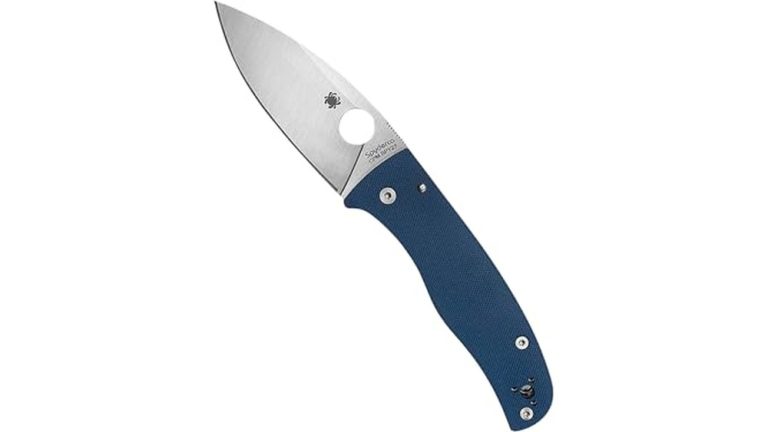
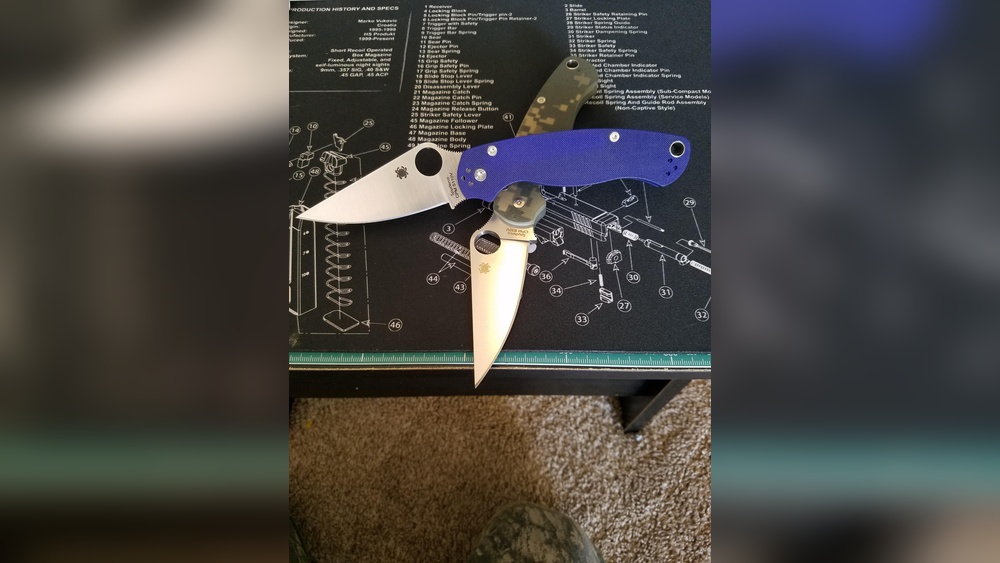
Knives like the Spyderco Paramilitary 2 use S110V for tough jobs. Benchmade often uses S30V in models like the Griptilian. These knives show each steel’s strengths in real use. S110V models often target collectors and professionals. S30V knives appeal to outdoor enthusiasts and daily users.
Cost And Availability
Cost and availability play a big role in choosing between S110V and S30V steel. Both steels are popular in knife making. Their price and how easy they are to find can affect your choice.
Price Differences
S110V usually costs more than S30V. The high cost comes from its complex alloy mix. It has more vanadium and carbon. S30V is cheaper and more common. This makes S30V a budget-friendly option for many buyers.
Market Availability
S30V is widely available worldwide. Many knife brands use it. You can find S30V knives in most stores. S110V is less common. It appears mostly in high-end or specialty knives. Finding S110V can be harder and take more time.
Value For Money Considerations
S30V offers good performance at a lower price. It holds an edge well and resists rust. S110V gives better edge retention and wear resistance. But it costs more and is harder to sharpen. Choosing between them depends on your needs and budget.
User Experiences
User experiences reveal how S110V and S30V perform in daily use. These steels have loyal followers and some critics too. Understanding real feedback helps buyers pick the right steel.
Users share thoughts on sharpness, edge retention, and rust resistance. Their stories highlight strengths and weaknesses in real situations.
Feedback From Everyday Users
Everyday users often praise S30V for its balance of sharpness and ease of sharpening. It stays sharp long enough for common tasks. Cleaning and maintenance are simple, even for beginners.
S110V, on the other hand, holds an edge longer but needs more care. Some users find it harder to sharpen at home. Its rust resistance is good but requires regular cleaning to avoid spots.
Professional Knife Experts’ Opinions
Knife experts value S110V for its high wear resistance. They say it suits heavy-use knives well. Experts note S30V as more versatile and user-friendly.
Experts often recommend S30V for everyday carry knives. They highlight S110V for collectors and serious users who want longer edge life. Both steels receive respect but for different reasons.
Real-world Performance Stories
Campers and hikers report S110V blades lasting through tough tasks. They like how it cuts wood and rope without dulling. Some mention the need for sharpening tools in the field.
Chefs and home cooks prefer S30V knives for easy handling and quick sharpening. They share stories of clean cuts and lasting sharpness during meal prep. S30V fits well in busy kitchens.

Credit: www.bladeforums.com

Credit: www.reddit.com
Frequently Asked Questions
What Are The Key Differences Between S110v And S30v?
S110V has higher vanadium content, offering better wear resistance. S30V balances toughness and edge retention. S110V is harder but less tough. S30V is more versatile for everyday use. Both are premium stainless steels used in knives.
Which Steel Lasts Longer, S110v Or S30v?
S110V lasts longer due to superior wear resistance. It retains sharpness better than S30V. However, S30V is easier to sharpen. Longevity depends on usage and maintenance. For heavy use, S110V is preferred.
Is S110v Harder To Sharpen Than S30v?
Yes, S110V is harder to sharpen because of its hardness. S30V sharpens more easily and quickly. S110V requires specialized tools and more effort. Regular sharpening tools work well for S30V. Choose based on your sharpening skill.
Which Steel Is Better For Everyday Carry Knives?
S30V is better for everyday carry knives. It offers good edge retention and toughness. S110V is harder but less tough, prone to chipping. S30V balances performance and ease of maintenance. It suits most daily tasks efficiently.
Conclusion
Both S110V and S30V steels offer strong performance for knives. S110V shines in edge retention and corrosion resistance. S30V is easier to sharpen and still holds a good edge. Choose S110V for tough, long-lasting use. Pick S30V for everyday tasks and easier care.
Your choice depends on what you need most. Each steel has clear strengths to match your style. Consider how you use your knife before deciding. Both are excellent options for quality blades.