Reverse Tanto Vs Wharncliffe: Ultimate Blade Showdown Guide
Choosing the right knife blade can make all the difference in how well you handle everyday tasks or outdoor adventures. If you’ve ever wondered whether a Reverse Tanto or a Wharncliffe blade suits your needs better, you’re not alone.
Both blades offer unique benefits, but understanding their strengths can help you pick the perfect tool for your lifestyle. Keep reading to discover which blade style matches your cutting style and why this choice matters more than you might think.

Credit: www.reddit.com
Blade Shape Comparison
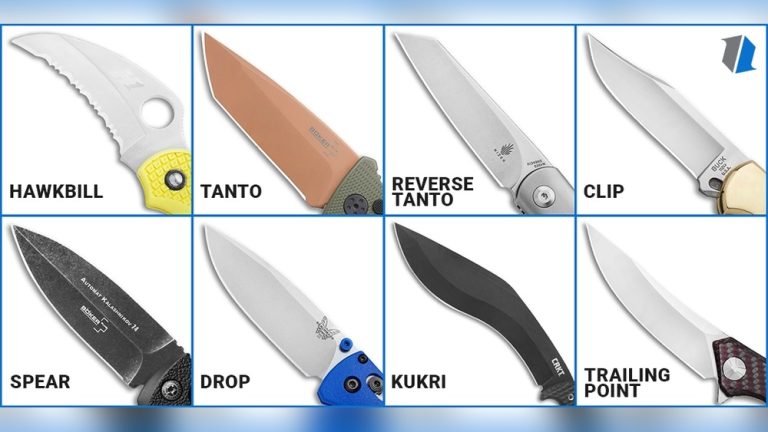
Choosing the right blade shape affects how a knife performs. Each shape suits different tasks and styles. The Reverse Tanto and Wharncliffe blades have unique designs. These differences change their cutting ability and handling.
Understanding each blade profile helps pick the best knife for your needs. Below is a clear look at both blade types.
Reverse Tanto Profile
The Reverse Tanto blade has a strong, angled tip. This shape adds toughness to the point. It is excellent for piercing and heavy use.
The blade edge curves gently before the tip. This curve helps with slicing and control. The flat back near the tip improves strength.
This profile suits tactical and outdoor knives well. It combines sharpness with durability in one design.
Wharncliffe Profile
The Wharncliffe blade has a straight edge and a curved spine. The tip lowers gradually to the point. This shape offers precise cutting and control.
Its flat cutting edge is great for slicing tasks. The gradual curve makes it easier to cut straight lines.
Wharncliffe blades work well for utility and everyday knives. They provide clean cuts and good safety.

Credit: www.youtube.com
Cutting Performance
Cutting performance is a key factor in choosing between the Reverse Tanto and Wharncliffe blades. Each blade shape offers unique advantages for different cutting tasks. Understanding their strengths helps pick the right tool for precise work or heavy use.
Precision And Control
The Wharncliffe blade excels in precision cutting. Its straight edge and sharp tip allow for clean, accurate cuts. It works well on detailed tasks and slicing. The Reverse Tanto blade has a strong tip but less fine control. Its angled point suits piercing and tough cuts. Control feels different with each shape. Wharncliffe gives smooth, steady cuts. Reverse Tanto offers more power at the tip.
Durability And Strength
Reverse Tanto blades are known for strength. The thick tip resists chipping and breaking. It handles hard materials and heavy use well. Wharncliffe blades are thinner and less robust. They focus more on clean cuts than strength. Both blades use tough steel, but design impacts durability. Reverse Tanto stands up better to rough work. Wharncliffe performs best with careful, precise cutting.
Common Uses
The Reverse Tanto and Wharncliffe blades each serve unique roles in daily and special tasks. Their shapes influence how they cut, slice, and handle different materials.
Choosing between these two depends on the task at hand. Both are practical but excel in different areas.
Everyday Tasks
The Reverse Tanto blade is strong and good for tough cutting jobs. It handles hard materials well. This makes it ideal for cutting ropes, opening boxes, and light prying.
The Wharncliffe blade offers precise control. Its straight edge makes it perfect for slicing and detailed work. It works well for cutting paper, food, and thin fabrics.
Specialized Applications
The Reverse Tanto blade suits tactical and survival uses. Its tip is reinforced for piercing and heavy-duty tasks. It is favored by outdoor enthusiasts and first responders.
The Wharncliffe blade shines in crafts and utility work. It excels in scoring, carving, and making clean cuts. This blade is common among artisans and electricians.
Handling And Ergonomics
Handling and ergonomics play a big role in how a knife feels during use. Both the Reverse Tanto and Wharncliffe blades offer unique experiences. These differences affect comfort, control, and overall performance. Understanding these factors helps choose the right blade for your needs.
Grip Comfort
The Reverse Tanto handle is shaped for a strong, secure grip. Its angular design fits well in the palm. This makes it easy to hold during tough tasks. The Wharncliffe handle is usually smooth and simple. It offers a natural hold that suits many hand sizes. The lack of sharp edges adds to its comfort. Both handles reduce hand fatigue during long use.
Balance And Weight
Reverse Tanto knives often feel front-heavy. The blade tip adds weight, aiding precise cuts. This balance helps in tasks needing control and strength. Wharncliffe knives tend to have a more even balance. Their straight blade spreads weight evenly. This makes them easier to maneuver for detailed work. Both knives are designed to feel steady and safe in hand.
Maintenance And Sharpening
Maintaining and sharpening knives like the Reverse Tanto and Wharncliffe is crucial. Both blade styles need care to keep their edges sharp and effective. Proper maintenance extends the life of your knife and improves performance during use.
Each blade shape requires a slightly different approach to sharpening. Knowing these differences helps you choose the right tools and methods for each knife. Regular care prevents dullness and damage to the blade edge.
Sharpening Techniques
The Reverse Tanto has a strong point with an angled edge. Use a sharpening stone or rod with a consistent angle, around 20 degrees. Focus on the main edge and the tip separately. Keep strokes smooth and even to avoid uneven edges.
The Wharncliffe blade has a straight edge with a slight curve near the tip. Sharpen along the entire edge using a stone or sharpening system. Follow the blade’s curve carefully. Use gentle pressure to keep the thin edge sharp without chipping.
Edge Retention
Reverse Tanto blades often have thicker tips, which resist wear well. They hold their sharpness longer under tough tasks. Regular honing helps maintain the edge between sharpenings.
Wharncliffe blades have a thinner edge, which can dull faster. They require more frequent touch-ups to stay sharp. Proper storage and cleaning also protect the edge from damage.
Aesthetic Appeal
The aesthetic appeal of knives like the Reverse Tanto and Wharncliffe draws many enthusiasts. Both designs offer unique looks that attract collectors and users alike. Their shapes and lines tell different stories through steel and craftsmanship.
Design Variations
The Reverse Tanto has a sharp angular tip and strong lines. Its blade often features a chisel-like point. This design gives it a modern and aggressive look. The Wharncliffe blade is smooth with a straight edge. It ends in a tapered point, creating a sleek profile. The simple curves make it look elegant and practical. Each style offers a distinct visual impact. The Reverse Tanto is bold and eye-catching. The Wharncliffe is subtle and refined.
Cultural Influences
The Reverse Tanto style comes from Japanese sword design. It reflects samurai tradition and craftsmanship. Its look is tied to strength and precision. The Wharncliffe blade has roots in Western utility knives. It was designed for clean, controlled cuts. This style reflects practicality and efficiency. Both blades show how culture shapes knife aesthetics. Each design carries history and purpose in its form.
Choosing The Right Blade
Choosing between a Reverse Tanto and a Wharncliffe blade depends on several factors. Each blade shape offers unique features that suit different needs. Understanding these differences helps you pick the best blade for your tasks.
Consider what feels comfortable and fits your style. The right blade should match your daily activities and preferences.
Personal Preferences
Some people like the strong tip of the Reverse Tanto blade. It gives a solid point for piercing tasks. Others prefer the straight edge of the Wharncliffe blade. It offers precise control for detailed cutting.
Handle feel and balance also affect your choice. Try holding both blades to see which feels better. Comfort plays a big role in blade selection.
Intended Use Cases
The Reverse Tanto blade works well for tough cutting and piercing. It excels in outdoor and tactical situations. The strong tip resists breaking under pressure.
The Wharncliffe blade suits fine work like slicing and carving. Its straight edge offers clean cuts and accuracy. It is popular for everyday tasks and utility use.
Think about your main activities. Choose the blade that fits your cutting needs best.
Credit: www.reddit.com
Frequently Asked Questions
What Is The Main Difference Between Reverse Tanto And Wharncliffe Blades?
The Reverse Tanto has a strong, angled tip for piercing. The Wharncliffe features a straight edge with a curved spine, ideal for precision cutting.
Which Blade Is Better For Everyday Carry Knives?
Wharncliffe blades are often preferred for everyday tasks. Their straight edge offers better control and easy sharpening compared to Reverse Tanto.
How Does The Reverse Tanto Enhance Piercing Ability?
The Reverse Tanto’s sharp, reinforced tip excels at piercing tough materials. Its design offers superior strength and durability for piercing tasks.
Are Wharncliffe Blades Easier To Sharpen Than Reverse Tanto?
Yes, Wharncliffe blades have a straight edge that’s simpler to sharpen. Reverse Tanto’s angled tip requires more skill to maintain.
Conclusion
Both Reverse Tanto and Wharncliffe blades offer unique strengths. Reverse Tanto blades provide strong tips for tough tasks. Wharncliffe blades have straight edges for precise cuts. Choose the style that fits your needs best. Both blades perform well in everyday use.
Consider what tasks you do most often. This helps pick the right blade shape. Either way, you get a reliable, sharp tool. The choice depends on your personal preference. Both styles have loyal fans worldwide. Try each to see which feels better.
Your perfect blade is out there waiting.