Reverse Tanto Vs Drop Point: Ultimate Blade Battle Explained
Choosing the right knife can make a big difference in how you handle everyday tasks or outdoor adventures. If you’ve ever wondered about the differences between a Reverse Tanto and a Drop Point blade, you’re not alone.
Each style has unique features that affect how the blade performs and feels in your hand. By understanding these differences, you can pick the blade that fits your needs perfectly. Keep reading to discover which blade shape might be the best match for your next knife.
Credit: www.koiknives.com
Blade Shape Comparison
Blade shape plays a key role in a knife’s performance and use. Choosing between a Reverse Tanto and a Drop Point depends on what you need the blade to do. Each shape offers different strengths and styles.
Understanding these designs helps you pick the best blade for your tasks. Here is a clear comparison of the two shapes.
Reverse Tanto Design
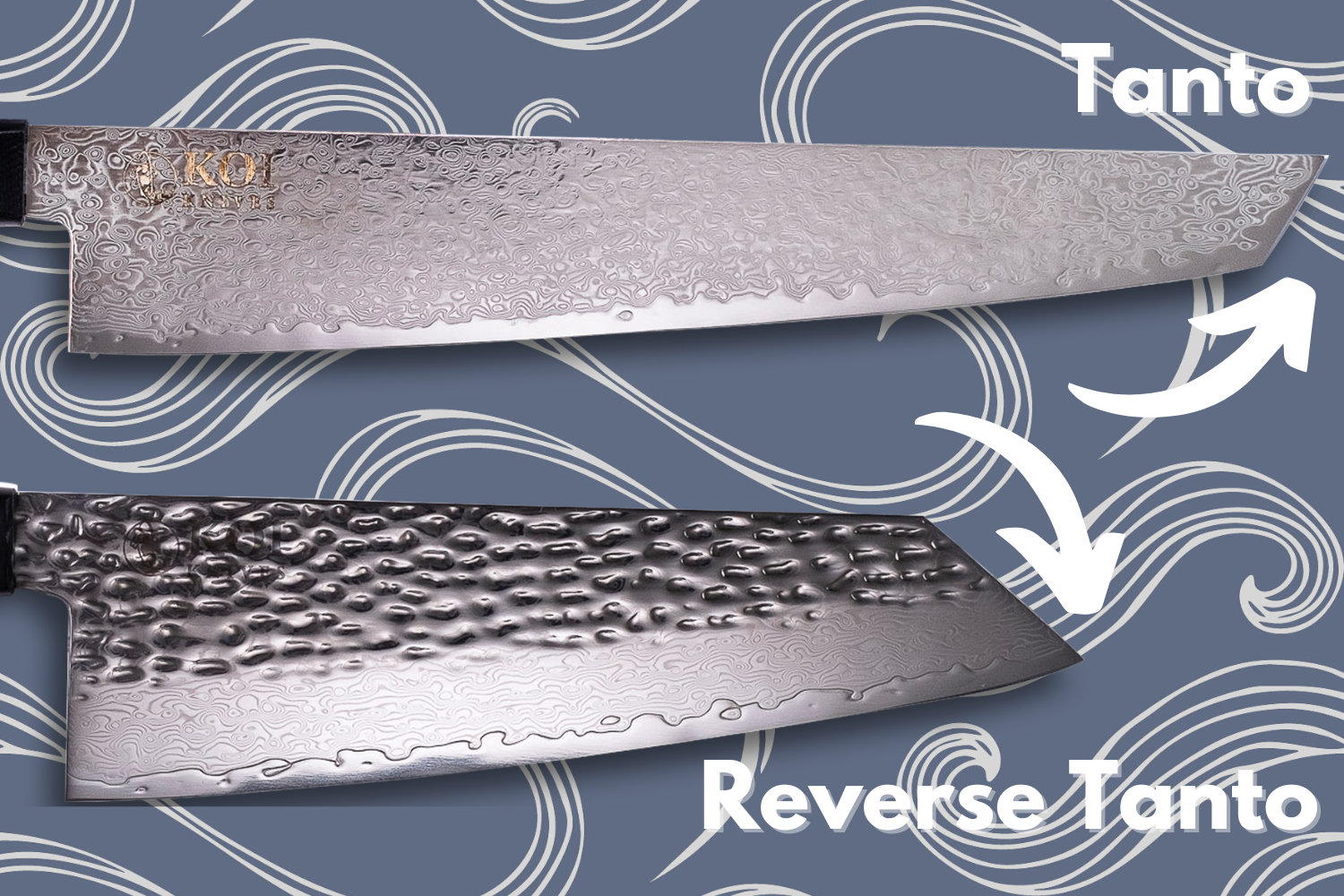
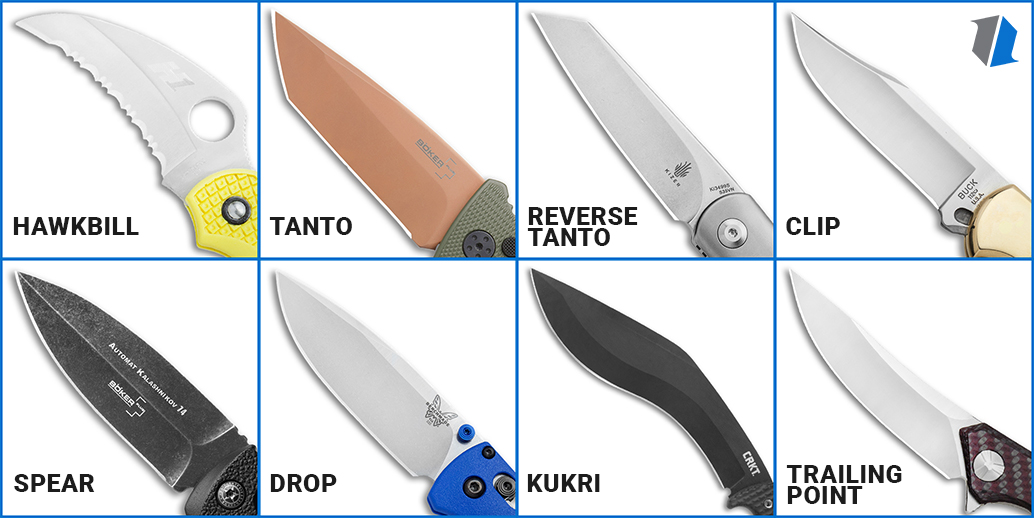
The Reverse Tanto blade has a strong, angular tip. Its edge curves upward toward the tip. This design offers great piercing power and control. The thick spine near the tip adds extra strength. It suits tough cutting and stabbing tasks well.
Drop Point Design
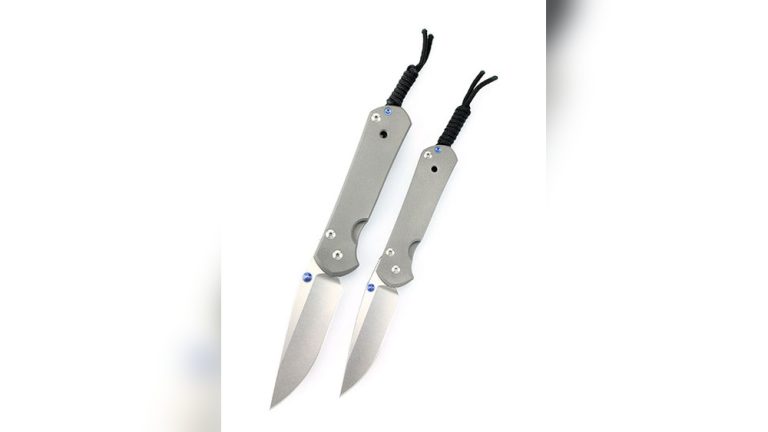
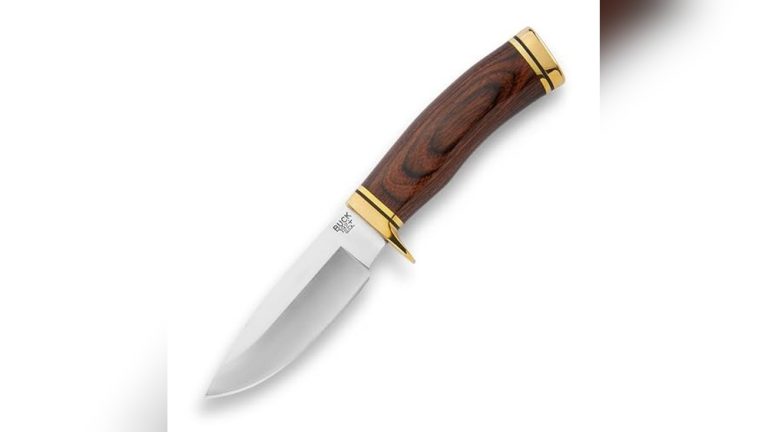
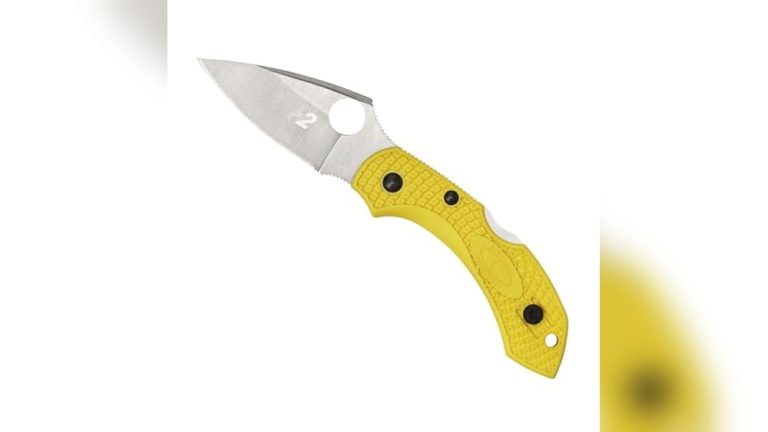
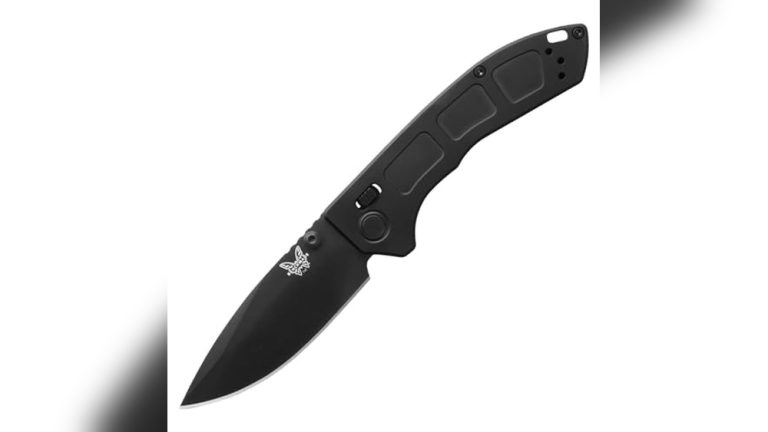
The Drop Point blade features a curved spine that slopes down to the tip. This creates a strong, sharp point. The shape gives good control for slicing and detailed work. It is popular for hunting and everyday use. The broad belly helps with smooth cutting.
Visual Differences
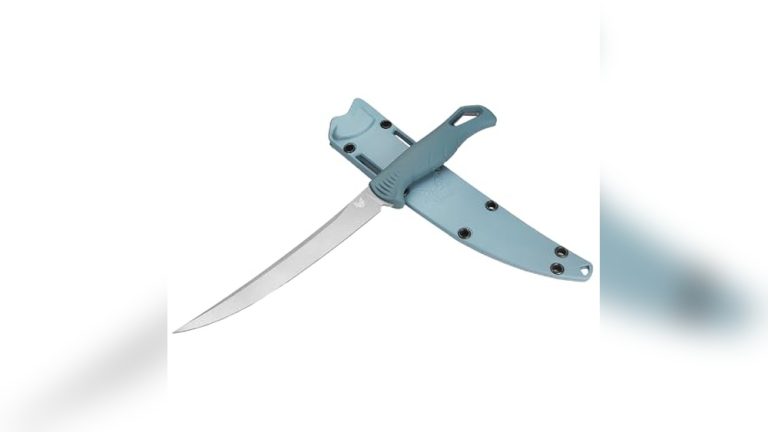
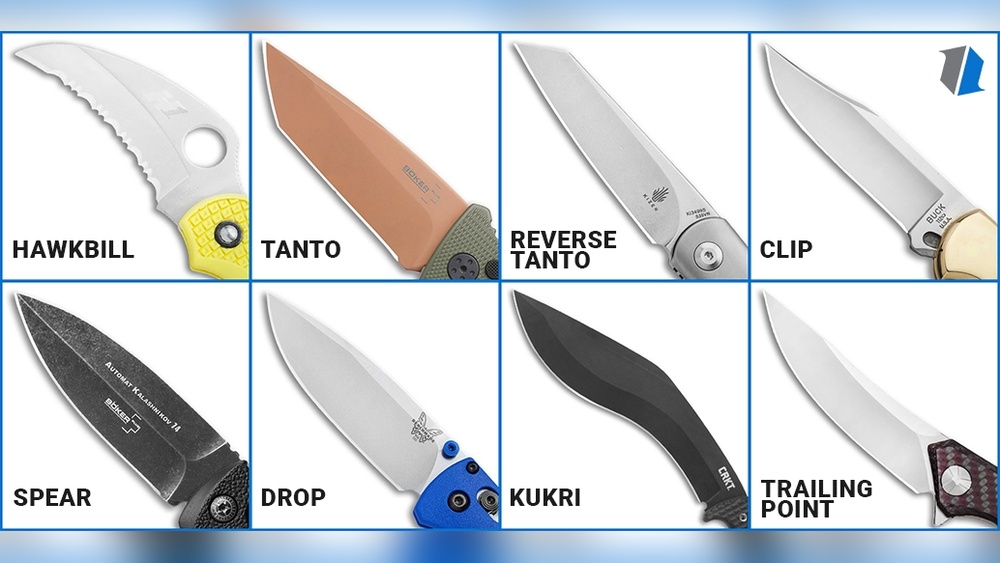
Reverse Tanto blades show a sharp, angular tip with a flat edge. Drop Point blades have a rounded, smooth tip with a curved edge. The Reverse Tanto looks more aggressive and tactical. Drop Point appears softer and more versatile. These visual cues help identify each blade quickly.
Credit: www.reddit.com
Cutting Performance
Cutting performance is a key factor when choosing between a Reverse Tanto and a Drop Point blade. Each design affects how the blade cuts and handles different tasks. Understanding their strengths helps pick the right knife for your needs.
Piercing Capability
The Reverse Tanto tip is strong and sharp. It pierces tough materials easily. The tip is reinforced, so it resists breaking. Drop Point blades have a thicker, rounded tip. They can pierce but not as sharply. This makes Reverse Tanto better for piercing tasks.
Slicing Efficiency
Drop Point blades excel at slicing. Their curved edge creates smooth, long cuts. This shape works well for food and general use. Reverse Tanto blades have a straighter edge. They slice well but not as smoothly. For slicing, Drop Point blades offer better control and flow.
Durability And Strength
Reverse Tanto blades have strong tips made for tough jobs. Their shape adds extra strength at the tip. Drop Point blades spread force along the edge. This reduces the chance of snapping. Both blades are durable, but Reverse Tanto tips handle stress better.
Common Uses
Both Reverse Tanto and Drop Point blades serve many practical uses. Each blade style fits different tasks based on shape and strength. Understanding their common uses helps choose the right knife for your needs.
Tactical Applications
Reverse Tanto blades excel in tactical settings. Their strong, reinforced tip handles tough piercing tasks well. This blade style offers precision for cutting through tough materials. Drop Point knives also work in tactical roles. They provide a balanced blade with good control for general cutting. Both blades support self-defense and utility use.
Hunting And Outdoor Tasks
Drop Point knives are popular among hunters. The broad tip helps with skinning and field dressing animals. The blade shape reduces the chance of puncturing meat. Reverse Tanto blades are less common but useful. Their sharp tip can cut through thick hides or ropes. Both blades serve well in camping and survival situations.
Everyday Carry
Drop Point blades suit everyday carry needs. Their versatile shape handles daily tasks like opening packages or cutting cords. Reverse Tanto knives also work for EDC, offering a tough tip for precision cutting. Both blade types offer durability and ease of use for daily chores. Choosing depends on personal preference and task type.
Handling And Control
Handling and control define how a knife feels and performs in your hand. Both Reverse Tanto and Drop Point blades offer unique experiences. Understanding their grip, balance, and safety helps choose the right knife for your needs.
Grip And Balance
The Reverse Tanto blade has a sharp, angular tip, which can shift the weight forward. This design may change the balance, making the knife feel tip-heavy. The handle shape often supports a firm grip for tactical use. Drop Point knives usually have a more rounded tip. This tip style keeps the balance centered, making the knife easier to handle for longer tasks. Their handles often fit comfortably in the hand, allowing steady control.
Precision Work
Reverse Tanto knives excel at piercing tasks due to their strong, pointed tip. They offer control for detailed cuts but require careful handling. Drop Point blades perform well in slicing and general cutting. Their broader tip allows smooth, controlled movements. This makes them ideal for precision work that involves curved or delicate cuts.
Safety Considerations
The sharp tip of Reverse Tanto knives demands caution. A strong grip is essential to avoid slips during use. Drop Point knives have a less sharp tip, reducing accidental pokes or injuries. Their balanced design improves control, which adds to user safety. Both blade types benefit from proper handling and attention to grip security.
Material And Construction
The material and construction of a knife shape its strength and usability. Reverse Tanto and Drop Point knives differ in these key areas. Understanding their blade steel, handle materials, and how they are made helps choose the right knife.
Blade Steel Types
Blade steel affects sharpness and durability. Reverse Tanto knives often use harder steel to keep the strong tip intact. Drop Point blades may use softer steel for better flexibility and easier sharpening. Common steels include stainless steel for rust resistance and high carbon steel for edge retention. Each steel type suits different tasks and preferences.
Handle Materials
Handle materials impact grip and comfort. Reverse Tanto knives usually have textured handles for secure hold during tough use. Drop Point knives often feature smooth or contoured handles for comfort. Popular materials include wood, G10, and rubber. Each offers different durability and feel.
Manufacturing Techniques
Manufacturing affects knife quality and cost. Reverse Tanto knives often use forging, making blades strong and tough. Drop Point knives may be stamped for lighter weight and lower price. Heat treatment improves steel hardness and blade life. Finishing touches like coating protect against corrosion and wear.
Credit: www.bladehq.com
Aesthetic Appeal
The aesthetic appeal of knives often influences buyer choices more than function. Both Reverse Tanto and Drop Point blades have unique looks that attract different users. These styles show distinct shapes and edges, creating different visual impacts. Understanding their design qualities helps appreciate their beauty beyond utility.
Design Trends
Reverse Tanto blades feature sharp angles and a strong tip. This design looks modern and aggressive. It fits well with tactical and survival knives. Drop Point blades have a smooth, curved edge and a rounded tip. This shape appears classic and balanced. It suits hunting and everyday knives. Designers use these trends to match style with purpose.
Customization Options
Both blade types allow many customizations. Handles can vary in materials like wood, metal, or plastic. Blade finishes change, from matte to shiny surfaces. Engravings and patterns add personal touches. Reverse Tanto blades often show bold lines and shapes. Drop Point knives focus on smooth curves and elegance. These options help users create unique knives.
Collector’s Perspective
Collectors value knives for their look and rarity. Reverse Tanto knives often stand out due to their unusual shape. They attract collectors who like modern designs. Drop Point knives appeal to those who prefer traditional styles. Their timeless shape fits many collections. Both types can increase in value over time. The aesthetic charm plays a key role in collecting.
Price And Availability
Price and availability play a big role when choosing between the Reverse Tanto and Drop Point knives. Both styles offer different price points and can be found in many stores. Understanding their cost and where to buy them helps make a smart choice.
Market Range
Reverse Tanto knives usually cost more because of their unique blade shape. They often appear in mid to high price ranges. Drop Point knives have a wider market range. You can find cheap models and expensive ones. This variety makes Drop Point knives more accessible.
Brand Comparisons
Brands that sell Reverse Tanto knives focus on quality and style. These brands might be smaller or more specialized. Drop Point knives come from many brands, from budget to premium. Big brands offer Drop Point knives with good materials. This makes them easier to find in stores and online.
Value For Money
Reverse Tanto knives give good value if you want a strong, sharp tip. Their price matches the design and materials. Drop Point knives offer great value for everyday use. They are versatile and often cheaper. You get a reliable knife without paying too much.
Choosing The Right Blade
Choosing the right blade is key to getting the most from your knife. Each blade style serves different purposes and suits various tasks. Knowing their strengths helps you pick the best option for your needs.
Assessing Your Needs
Think about what you will use the knife for. Do you need it for outdoor activities, everyday tasks, or self-defense? Consider how often you will use the knife and in what conditions. This helps narrow down the blade style that fits your lifestyle.
Matching Blade To Task
Reverse tanto blades offer strong tips for piercing tough materials. They work well for heavy-duty cutting and tactical use. Drop point blades have a curved edge and a strong tip. They excel in precision tasks like slicing and skinning.
Choose reverse tanto for strength and durability. Pick drop point for control and versatility. Match the blade shape to the type of work you plan to do.
Expert Recommendations
Experts suggest drop point blades for most outdoor and hunting needs. Their design offers a balance of strength and precision. Reverse tanto blades are recommended for tactical users and those needing a robust tip.
Consider blade steel and handle comfort too. A well-rounded knife meets both your task and user comfort requirements.
Frequently Asked Questions
What Are The Main Uses Of A Reverse Tanto Blade?
A Reverse Tanto blade excels in piercing and precision cutting. Its strong tip handles tough tasks well. It’s popular in tactical and survival knives for durability and strength.
How Does A Drop Point Blade Differ From Reverse Tanto?
A Drop Point blade has a curved tip for control and versatility. Reverse Tanto features a sharp angular tip for strength. Drop Point suits general use; Reverse Tanto is better for piercing.
Which Blade Is Better For Everyday Carry Knives?
Drop Point blades are ideal for everyday carry. They offer versatility and safety in cutting tasks. Reverse Tanto is more specialized, favored for tactical or heavy-duty use.
Is The Reverse Tanto Blade Good For Self-defense?
Yes, Reverse Tanto blades are excellent for self-defense. Their strong, sharp tip allows quick and effective piercing. The design provides strength and durability in critical situations.
Conclusion
Choosing between reverse tanto and drop point depends on your needs. Reverse tanto blades offer strong tips for piercing tasks. Drop point blades provide a curved edge for smooth cutting. Both styles have unique strengths and weaknesses. Think about what you want from your knife.
Comfort, use, and style all matter. A good knife fits your hand and purpose. Take your time to decide carefully. This way, you get a knife that works well for you.