Liner Lock Vs Frame Lock: Ultimate Knife Lock Showdown
When choosing a folding knife, you might have come across terms like “liner lock” and “frame lock.” But what do these locks really mean for you?
Understanding the difference can change how safe and comfortable your knife feels in your hand. You’ll discover which lock suits your needs better and why it matters. Ready to find out what makes these locks unique and how they impact your everyday carry?
Keep reading—your perfect knife could be just a few lines away.
Liner Lock Basics
The liner lock is a popular locking mechanism used in folding knives. It keeps the blade securely open during use. This system is simple, reliable, and easy to operate. Understanding the basics of liner locks helps when choosing between knife types.
Many knife users trust liner locks for everyday tasks. The design allows quick one-handed opening and closing. It also adds safety by preventing accidental blade closure.
How Liner Locks Work
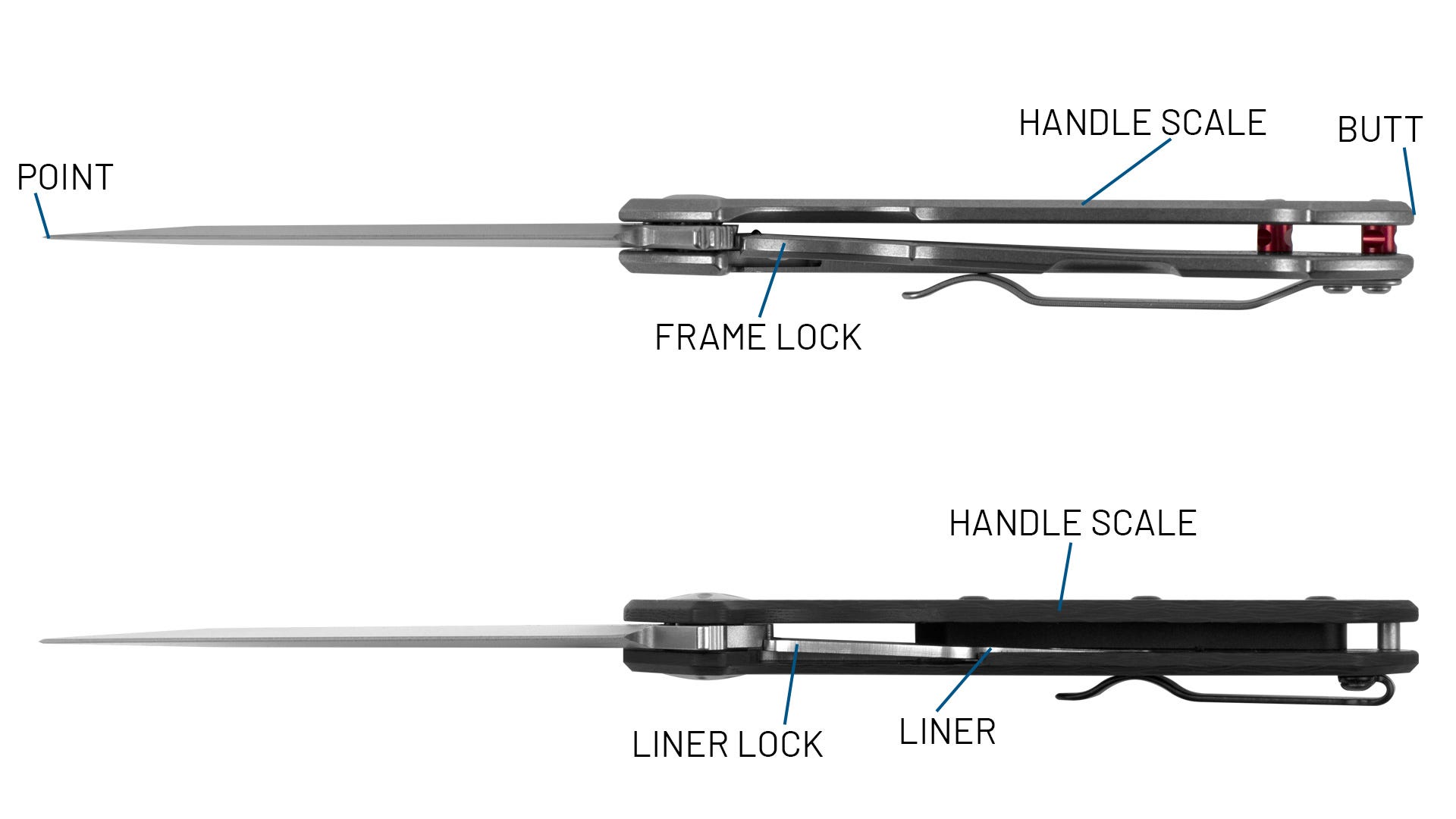
A liner lock uses a thin metal strip inside the knife handle. This strip moves sideways to block the blade from closing. When the blade opens fully, the liner snaps into place behind the blade. To close the knife, push the liner to the side and fold the blade.
Common Materials
Liner locks are usually made from stainless steel or titanium. These metals provide strength and corrosion resistance. The handle may be made from plastic, wood, or metal. Quality materials help the lock last longer and work smoothly.
Pros And Cons
Liner locks are lightweight and easy to use. They allow fast blade deployment with one hand. The lock keeps the blade secure during cutting tasks. On the downside, liner locks may wear out over time. Dirt or rust can affect lock performance. Some users find it harder to use with gloves.
Credit: zt.kaiusa.com
Frame Lock Essentials
The frame lock is a popular choice for many knife users. It offers strength and reliability in a simple design. This type of lock uses the knife’s handle as the locking mechanism. This makes it very secure and easy to use.
Understanding the frame lock helps you see its benefits and limits. It is important to know how it works and what materials are used. Also, knowing the pros and cons helps in choosing the right knife.
Frame Lock Mechanism
The frame lock works by using part of the handle to hold the blade open. The handle’s metal bends to block the blade from closing. This action keeps the blade safe during use. To close the knife, you push the metal part away from the blade. This design is simple and very strong.
Material Choices
Frame locks often use metals like titanium and stainless steel. Titanium is light and very strong. Stainless steel is tough and resists rust. These materials help the lock last long and work well. Some knives combine metals for better strength and feel. The choice of material affects weight, durability, and price.
Advantages And Drawbacks
Frame locks are very durable and secure. They are easy to operate with one hand. This lock type keeps the blade steady during heavy work. The design is simple, so fewer parts can break.
Some frame locks may be stiff at first use. The metal can wear down over time, needing adjustment. This lock is usually heavier than liner locks. It may also cost more due to materials used.
Design Differences
The design differences between liner lock and frame lock knives affect how they feel and work. Both locks keep the blade safe and steady when open. Yet, their build and parts vary. These differences influence weight, strength, and look.
Locking Mechanism Placement
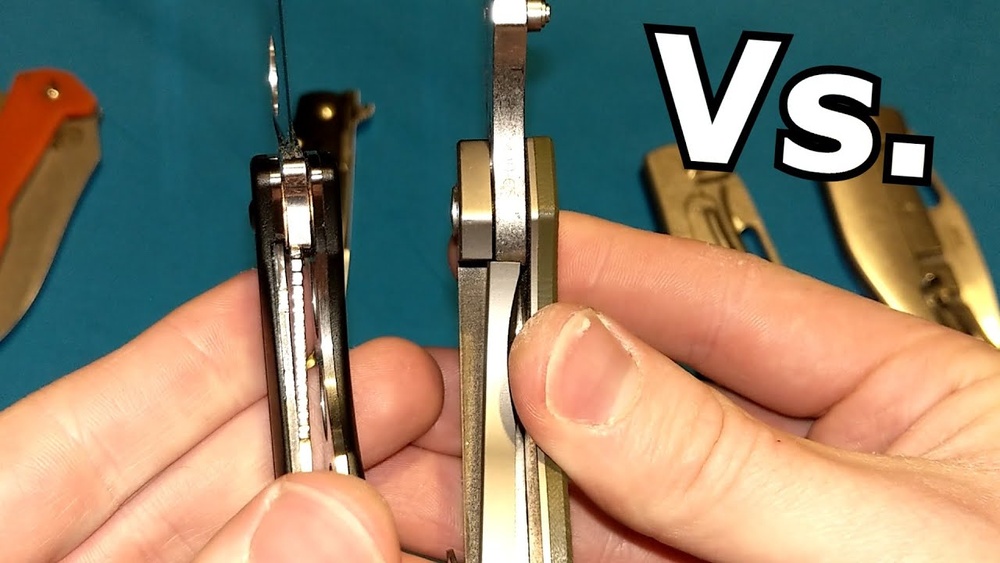
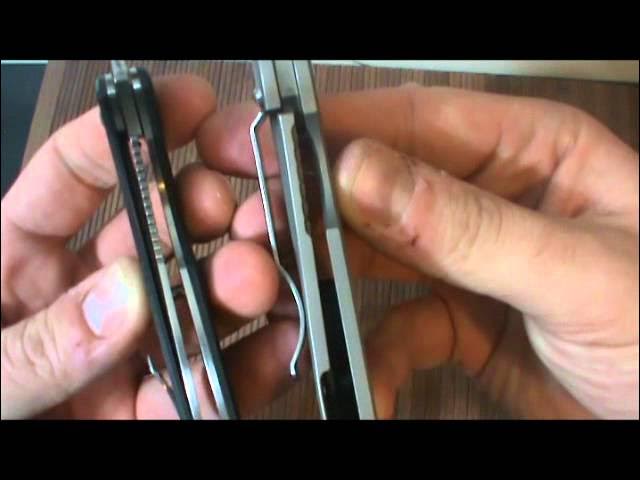
Liner lock uses a thin metal plate inside the handle. This plate moves to hold the blade open. It stays within the handle scales.
Frame lock is part of the handle itself. One side of the handle bends inward to lock the blade. This makes it a stronger lock overall.
Impact On Knife Weight
Liner locks often weigh less. They use less metal since the lock is a small piece inside.
Frame locks use thicker metal for the handle. This adds weight but also adds strength and durability.
Aesthetic Considerations
Liner lock knives have a cleaner look with smooth handles. The lock is hidden inside.
Frame lock knives show the locking part as part of the handle. This gives a rugged and bold appearance.
Credit: www.youtube.com
Strength And Durability
Strength and durability are key factors in choosing between liner lock and frame lock knives. Both locks offer secure blade holding, but their designs affect how they handle stress. Understanding their performance helps pick the right knife for tough tasks.
Lock Stability Under Pressure
Frame locks use a thick part of the handle to hold the blade. This design provides strong resistance against heavy pressure. Liner locks rely on a thinner metal piece inside the handle. They work well but may flex more under intense force. Frame locks often feel more solid during hard use.
Wear And Tear Over Time
Liner locks can wear down faster because the thin liner moves against the blade. This constant contact may cause the lock to loosen after long use. Frame locks have fewer moving parts rubbing together. They usually last longer without losing tightness. Regular use can still cause some wear on both types.
Maintenance Needs
Liner locks need more attention to keep working smoothly. Dirt and debris can build up between the liner and blade. Cleaning and lubrication help maintain lock strength. Frame locks are easier to maintain. Their simple design means fewer spots for dirt. Light cleaning is enough to keep them reliable.
Safety And Reliability
Safety and reliability are key factors when choosing between a liner lock and a frame lock. Both locks secure the blade in place during use. This prevents accidental closing that can cause injury. Understanding how each lock works helps users pick the best option for their needs. This section explains risks, handling tips, and common myths.
Lock Failure Risks
Liner locks use a thin metal strip to hold the blade open. This strip can bend or wear out over time. If it fails, the blade might close unexpectedly. Frame locks are made from a thicker part of the handle. They tend to be stronger and less likely to break. Still, no lock is 100% safe. Regular checks are important.
User Handling Tips
Keep the lock clean and free of dirt. Dirt can block the lock from engaging properly. Avoid using too much force when opening or closing the blade. Gentle pressure extends the lock’s life. Always check the lock before use. If it feels loose or weak, do not use the knife.
Common Misconceptions
Some people think frame locks are always safer than liner locks. Both locks can be safe if used correctly. Another myth is that liner locks fail quickly. Proper care can keep liner locks working for years. Believing the lock alone keeps you safe is wrong. Safe use depends on the user’s attention and care.
Credit: www.bladehq.com
Use Case Scenarios
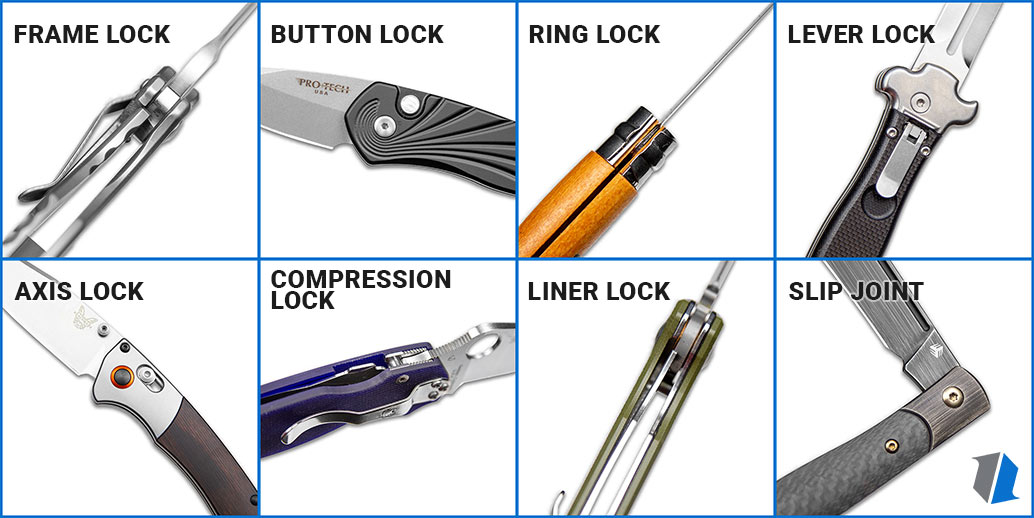
Choosing between liner lock and frame lock depends on how you plan to use the knife. Each lock type suits different needs and situations. Understanding these use cases helps you pick the best option.
Everyday Carry Preferences
Liner lock knives are popular for daily tasks. They are lightweight and easy to open with one hand. These knives often have slim designs, fitting well in pockets. Frame locks are stronger but usually heavier. People who want a sturdy knife for daily chores might prefer frame locks. Both types offer quick access and good safety.
Tactical And Outdoor Use
Frame lock knives are common in tactical and outdoor settings. The solid lock provides extra strength for tough jobs. These knives handle heavy cutting, prying, and survival tasks better. Liner locks can work outdoors but may flex under pressure. Outdoor users often choose frame locks for reliability in harsh conditions.
Collectors And Enthusiasts
Collectors value both liner and frame locks for different reasons. Liner locks allow more design variety and creativity. Frame locks appeal for their durability and engineering. Knife enthusiasts enjoy comparing the feel and function of each lock. Both types have models that showcase craftsmanship and innovation.
Popular Knife Models
Knives with liner locks and frame locks are popular among knife users. Each lock type offers distinct features and benefits. Many well-known knife models use these locking mechanisms. Understanding popular models helps choose the right knife for your needs.
Top Liner Lock Knives
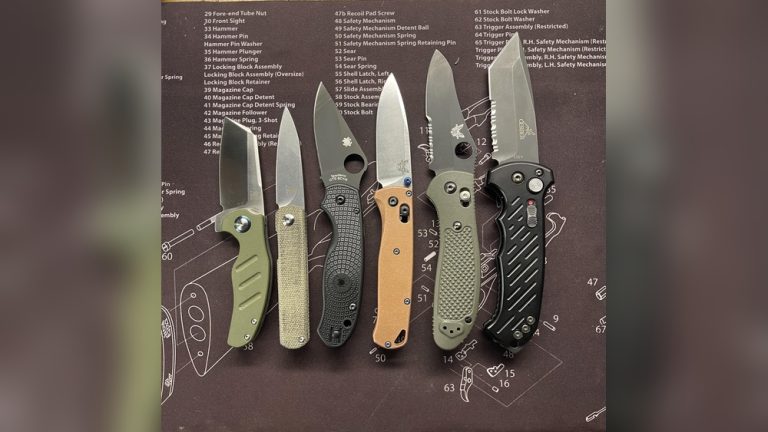
Liner lock knives often feature slim designs and easy one-handed operation. The Benchmade Mini Griptilian is a favorite for everyday use. Spyderco Paramilitary 2 offers sharp blades and smooth locking. Zero Tolerance 0450 balances strength and lightweight feel. These knives excel in precision and quick deployment.
Notable Frame Lock Knives
Frame lock knives provide strong, secure blade locking. Chris Reeve Sebenza is highly regarded for durability and simplicity. WE Knife Co. 604C offers a robust frame lock with a sleek look. Hogue EX-A01 combines comfort with toughness. Frame locks suit users needing a solid, reliable knife.
Comparative Performance
Liner locks allow faster blade release and lighter weight. Frame locks hold blades more firmly under heavy use. Liner locks may wear out faster with rough use. Frame locks often require more hand strength to close. Both locks work well for daily tasks and outdoor activities. The choice depends on your preference for speed or strength.
Choosing The Right Lock
Choosing the right lock for your knife is important. It affects safety, ease of use, and the knife’s lifespan. Liner locks and frame locks each have unique features. Understanding your needs helps pick the best option.
Personal Needs Assessment
Think about how you will use the knife. For light tasks, a liner lock works well. It is simple and easy to operate. For heavy-duty use, a frame lock offers more strength. Also, consider your comfort with locking mechanisms. Choose one that feels safe and easy to handle.
Budget Considerations
Liner locks tend to be less expensive. They suit those on a tight budget. Frame locks usually cost more because of their build. Decide how much you want to spend. Balance cost with the features you need.
Long-term Value
Frame locks often last longer due to stronger materials. They require less maintenance over time. Liner locks may wear out faster with heavy use. Think about how long you want the knife to last. Investing in durability can save money later.
Frequently Asked Questions
What Is The Main Difference Between Liner Lock And Frame Lock?
Liner locks use a separate metal liner to lock the blade. Frame locks integrate the locking mechanism into the handle frame, making them sturdier and more durable.
Which Lock Type Is Safer For Everyday Carry Knives?
Frame locks are generally safer for everyday carry due to their robust design. They provide stronger blade retention and are less prone to accidental disengagement.
Are Liner Locks Easier To Operate Than Frame Locks?
Yes, liner locks tend to be easier to operate with one hand. They require less force to disengage compared to frame locks.
Which Lock Type Is More Durable: Liner Lock Or Frame Lock?
Frame locks are more durable because the handle frame acts as the lock. This design reduces wear and improves long-term reliability.
Conclusion
Choosing between liner lock and frame lock depends on your needs. Liner locks offer lighter weight and easier use. Frame locks provide strong, reliable blade security. Both types suit everyday tasks well. Think about comfort, strength, and blade size. Your choice should match how you plan to use the knife.
Understanding these differences helps you pick the right lock. Keep your knife safe and easy to handle. Simple and smart decisions lead to better results.