Kershaw Chive Vs Scallion: Ultimate Blade Battle Revealed
Are you wondering which one to choose for your kitchen—Kershaw Chive or Scallion? Both have their fans, but picking the right one can change how you cook and enjoy your meals.
Imagine slicing through your ingredients with a knife that feels just right in your hand. That’s the kind of difference we’ll explore here. By the end of this post, you’ll know exactly which option suits your style and needs. Keep reading to make your next cooking experience smoother and more enjoyable.
Blade Design
The blade design plays a big role in the performance of both the Kershaw Chive and Scallion knives. It affects how well the knife cuts, handles, and lasts. Understanding their blade features helps in choosing the right one for your needs.
Each knife has unique blade traits that suit different tasks. The shape, material, and sharpness all add to the cutting experience.
Shape And Style
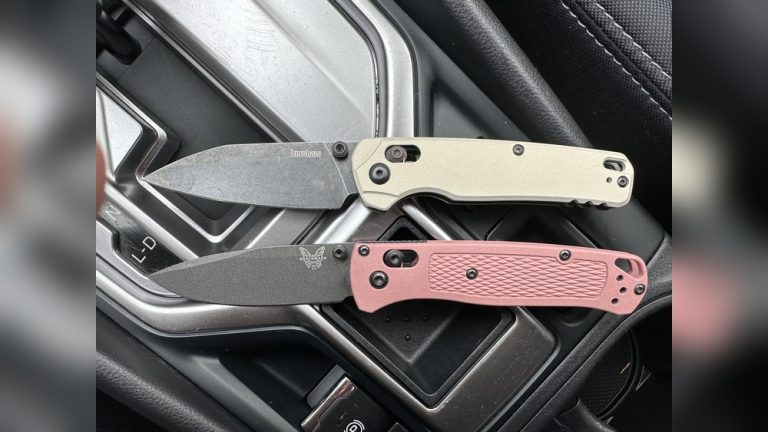
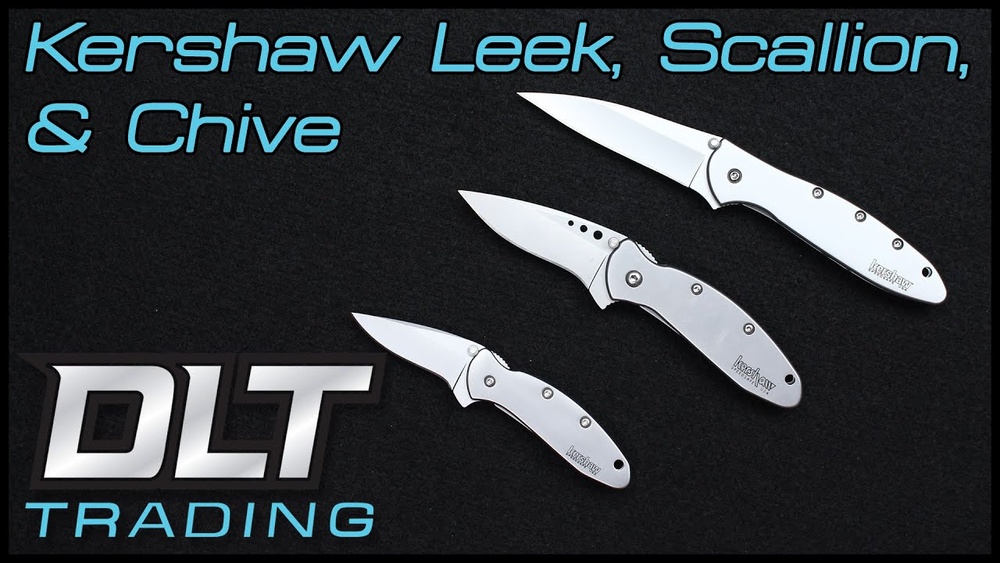
The Kershaw Chive has a sleek, slim blade. Its shape is straight with a slight curve near the tip. This style helps with precise cutting and detailed work.
The Scallion’s blade is more curved and wider. It offers better control for slicing and chopping. Its style feels more traditional and sturdy in hand.
Blade Material
Kershaw Chive uses high-quality stainless steel. This steel resists rust and keeps the blade strong. It also makes the knife lightweight and easy to carry.
The Scallion blade is made from a robust stainless steel type. It holds its edge well and stands up to tough use. This material adds durability to the knife.
Edge Sharpness
The Chive blade comes very sharp from the factory. It can cut cleanly through soft and hard materials. The edge stays sharp longer with proper care.
The Scallion also arrives sharp but may need a touch-up for fine tasks. Its edge is thick, giving it strength for heavy cutting. Regular sharpening keeps it effective.

Credit: www.reddit.com
Handle Features
The handle is a key part of any knife. It affects comfort and control. Kershaw Chive and Scallion have different handle features. These features affect how you hold and use the knife. The material, grip, shape, and durability matter most.
Material And Grip
The Kershaw Chive handle uses stainless steel. It feels smooth and cool in the hand. The grip is simple but firm. It works well for quick tasks.
The Scallion handle uses stainless steel too. It has a brushed finish for better grip. The texture helps prevent slipping during use. Both handles offer solid control.
Ergonomics
The Chive handle is slim and straight. It fits well in small hands. It is light and easy to move around.
The Scallion handle has a slight curve. It fits the palm better for longer use. The shape helps reduce hand fatigue.
Durability
Both handles resist wear and tear. Stainless steel handles last long with proper care. They do not absorb moisture or sweat.
The Chive’s solid design holds up well. The Scallion’s brushed finish hides scratches better. Both handles stay strong after daily use.
Locking Mechanism
The locking mechanism is an important feature for folding knives like the Kershaw Chive and Scallion. It keeps the blade secure during use. A strong lock prevents accidents and helps with precise cutting. Both knives use different types of locks that affect how you open, close, and carry them.
Type And Reliability
The Kershaw Chive uses a frame lock. This lock is built into the knife’s handle. It is strong and reliable. The frame lock holds the blade firmly in place. The Kershaw Scallion features a liner lock. This lock uses a thin metal strip inside the handle. It pushes against the blade to keep it locked. Both locks are trusted by knife users. They provide good security for everyday tasks.
Ease Of Use
The frame lock on the Chive is easy to operate. You push the frame to the side to unlock the blade. This can be done with one hand. The liner lock on the Scallion also allows one-handed use. You push the liner away from the blade to close it. Both knives open and close smoothly. Users find these locks simple and quick to use.
Safety Features
Both locking mechanisms add safety to the knives. The frame lock on the Chive is less likely to fail under pressure. It keeps the blade from folding back unexpectedly. The liner lock on the Scallion also prevents accidental closure. The locks ensure the blade stays open during cutting. They reduce the risk of injury. These safety features make both knives reliable tools.
Portability And Size
Portability and size are key factors for everyday carry knives. Both the Kershaw Chive and Scallion offer compact designs that fit easily in pockets. Their size influences comfort, accessibility, and ease of use. Understanding their differences helps pick the right knife for daily tasks.
Weight Comparison
The Kershaw Chive weighs about 1.9 ounces. This makes it very light and easy to carry all day. The Scallion is slightly heavier, around 2.5 ounces. Though heavier, it still feels light in the hand. The lighter Chive may suit those who prefer minimal weight.
Pocket Clip Design
Both knives have pocket clips for secure carry. The Chive’s clip is deep-carry, which hides most of the knife in your pocket. It grips firmly but is easy to remove. The Scallion’s clip is also strong but sits a bit higher, making the knife more visible. Both clips allow for tip-up carry, preferred by many users.
Overall Dimensions
The Chive measures about 5.3 inches long when open, with a 2.4-inch blade. Its slim profile makes it very discreet. The Scallion is longer, at 6.7 inches overall, with a 3.4-inch blade. This gives the Scallion more cutting surface but increases its size. The Chive’s compact size fits better in small pockets.
Performance In Use
Performance in use is key to choosing the right knife. Both Kershaw Chive and Scallion offer unique strengths. This section breaks down their cutting efficiency, daily use, and care needs. It helps you see which knife fits your kitchen habits best.
Cutting Efficiency
The Kershaw Chive slices with sharp precision. Its blade stays sharp longer, making clean cuts easy. The Scallion also cuts well but may need more sharpening. Both knives handle vegetables and meats smoothly. The Chive’s blade shape offers better control for detailed work.
Everyday Tasks
Kershaw Chive works well for most kitchen jobs. It feels balanced and light in hand. Scallion is good for quick tasks but less comfortable for long use. The Chive suits chopping, slicing, and dicing with ease. Scallion fits simple cutting but tires hands faster.
Maintenance Requirements
Chive requires less frequent sharpening due to its steel quality. Cleaning is simple with both knives; just wash and dry them. Scallion needs regular sharpening to keep its edge sharp. Both knives resist rust but store them dry. Proper care keeps either knife ready to use.
Price And Value
Price and value are key factors for anyone choosing between the Kershaw Chive and the Scallion knives. Both knives offer strong features, but their costs and overall worth vary. Understanding these differences helps buyers make smart decisions.
Cost Comparison
The Kershaw Chive usually costs less than the Scallion. This makes the Chive a good option for budget buyers. The Scallion has a higher price due to its design and materials. Both knives provide good quality for their price. The Chive fits well with everyday tasks. The Scallion targets users who want a stylish look with strong performance.
Warranty And Support
Kershaw offers a limited lifetime warranty on both knives. This warranty covers manufacturing defects but not normal wear. Customer service is responsive and helpful for both products. Buyers can trust that their knife is backed by solid support. Warranty policies show Kershaw’s confidence in their products. This adds value beyond the initial cost.
User Reviews
Users often praise the Chive for its affordability and sharp edge. Many say it is light and easy to carry daily. The Scallion receives compliments for its sleek design and sturdy feel. Some users feel it justifies the higher price. Negative reviews for both knives mostly mention blade dulling over time. Overall, users find good value in both knives depending on needs and budget.
Final Verdict
The final verdict on Kershaw Chive and Scallion helps clear the choice. Both knives have unique features that suit different needs. Knowing their best use cases and strengths makes picking easier.
Best Use Cases
The Kershaw Chive is perfect for everyday carry and light tasks. Its small size fits well in pockets. It works great for opening boxes and small cutting jobs. The Scallion is larger and better for heavier tasks. It handles tougher materials and larger cuts. It suits outdoor activities and more demanding tasks.
Who Should Choose Which
Choose the Kershaw Chive if you want a compact, easy-to-carry knife. It is ideal for daily use and simple jobs. Pick the Scallion if you need a stronger blade for bigger tasks. It is good for outdoor lovers and those who need a robust tool. Both knives serve different types of users well.
Summary Of Strengths
The Kershaw Chive offers lightweight design and sharp precision. Its small size makes it easy to handle. The Scallion stands out with its strength and larger blade. It provides more cutting power and durability. Each knife has clear strengths for specific uses.

Credit: www.reddit.com

Credit: www.reddit.com
Frequently Asked Questions
What Are The Main Differences Between Kershaw Chive And Scallion?
Kershaw Chive is a knife model, while scallion is a vegetable. The knife offers precision cutting, ideal for herbs. Scallion refers to green onions used in cooking. They serve different purposes: one in kitchen tools, the other in culinary ingredients.
Which Knife Is Better For Cutting Scallions, Kershaw Or Others?
Kershaw Chive knife is excellent for slicing scallions. Its sharp blade and ergonomic design allow precise cuts. Compared to other knives, it offers better control and comfort, enhancing food preparation efficiency.
Can Kershaw Chive Knife Handle Other Kitchen Tasks?
Yes, the Kershaw Chive knife is versatile. It works well for chopping herbs, fruits, and vegetables. Its sharp blade and sturdy build make it suitable for various kitchen tasks beyond scallions.
How Does Scallion Differ From Chives In Cooking?
Scallions have a mild onion flavor and thicker white stems. Chives are milder, with thin, grass-like leaves. Both add fresh taste but scallions are crunchier, while chives are more delicate and used as garnish.
Conclusion
Both kershaw chive and scallion add fresh flavor to dishes. Kershaw chive offers a milder, more delicate taste. Scallion has a stronger, sharper onion flavor. Use kershaw chive for subtle herb notes. Choose scallions when you want a bolder bite.
Both are easy to grow and cook with. Try both to see which fits your meals best. Small changes can brighten your cooking. Simple ingredients, big impact.