Gerber Vs Benchmade: Ultimate Knife Showdown for 2025
When it comes to choosing the perfect knife, you want something reliable, sharp, and built to last. But with so many brands out there, it can be confusing to pick the right one.
If you’ve been torn between Gerber and Benchmade, you’re not alone. Both brands have loyal fans and strong reputations. So, which one is really better for you? You’ll discover the key differences, pros, and cons of Gerber and Benchmade knives.
By the end, you’ll feel confident about making the best choice for your needs. Keep reading to find out which brand stands out and why it might be the perfect fit for your next knife.
Credit: www.youtube.com
Brand Histories
Understanding the history of Gerber and Benchmade helps to see what makes each brand special. Both brands have rich pasts that shaped their products. Their stories explain why many people trust their knives for outdoor and everyday use.
Gerber’s Legacy
Gerber started in 1939 in Portland, Oregon. It began as a family business making kitchen cutlery. The brand grew fast by adding hunting and outdoor knives. Gerber’s focus was on quality and practical design. They became popular with outdoorsmen and military users. Their tools are known for durability and strong build. Gerber often tries new ideas to improve knife function. This legacy of innovation keeps Gerber a top name in knives.
Benchmade’s Journey
Benchmade began in 1988 in Oregon as well. It started with a goal to craft high-quality folding knives. Benchmade gained fame for sharp blades and smooth mechanisms. They use high-grade materials and exact engineering. Benchmade focuses on precision and reliability. Their knives are favored by collectors and professionals. The brand values craftsmanship and customer satisfaction. This journey made Benchmade a respected leader in knives.

Credit: gearjunkie.com
Design And Build Quality
The design and build quality of a knife determine its performance and durability. Both Gerber and Benchmade focus on strong construction and practical design. Their knives meet the needs of outdoor users, collectors, and everyday carriers. Understanding their design differences helps buyers choose the right knife.
Materials And Craftsmanship
Gerber uses stainless steel and high-carbon steel for many blades. Their craftsmanship is solid, often with attention to detail. Benchmade tends to use premium steel like S30V and M390. These materials offer better edge retention and corrosion resistance. Benchmade’s assembly shows precise fit and finish. Gerber knives have durable builds but may not feel as refined.
Blade Styles And Shapes
Gerber offers a wide range of blade shapes, such as drop point, tanto, and spear point. These shapes suit general use and tactical needs. Benchmade focuses more on tactical and specialized blades, including clip point and sheepsfoot designs. Their blades often have sharper edges and unique grind styles. Both brands provide options for different tasks and preferences.
Handle Comfort And Ergonomics
Gerber handles use materials like nylon, rubber, and aluminum. They provide good grip but may feel bulkier. Benchmade uses high-quality materials such as G10, carbon fiber, and aluminum. Their handles are shaped for better hand fit and control. Ergonomics on Benchmade knives often reduce hand fatigue during long use. Comfort varies by model and user preference.
Performance And Durability
Performance and durability define a knife’s true value. Both Gerber and Benchmade make strong tools. Their knives handle tough tasks with ease. Understanding how they hold up helps pick the right one.
Edge Retention And Sharpness
Benchmade knives usually keep their edge longer. Their steel stays sharp after many uses. Gerber blades sharpen quickly but may dull faster. Sharpness matters for clean cuts and safety. Both brands offer good options for everyday use.
Corrosion Resistance
Benchmade uses high-quality stainless steel. This resists rust well, even in wet conditions. Gerber also offers corrosion-resistant blades. Some models handle moisture better than others. Both brands protect blades from damage over time.
Toughness And Wear
Benchmade knives are known for strong build quality. They resist chips and cracks during heavy use. Gerber knives show good toughness too. Their designs often focus on rugged use. Both brands create knives that last through hard work.
Innovation And Technology
Gerber and Benchmade focus a lot on innovation and technology. Both brands aim to improve knife safety, ease of use, and durability. Their designs show how technology helps make better tools for everyday use and tough conditions.
Locking Mechanisms
Benchmade uses the Axis Lock, a strong and smooth system. It lets users open and close the blade easily with one hand. Gerber often uses the Lock Back system, a classic design that is reliable and secure. Both locking styles keep blades locked safely during use.
Blade Deployment Systems
Benchmade knives feature assisted opening and thumb studs for quick blade deployment. This helps users open blades fast and smoothly. Gerber also uses assisted opening but adds a variety of manual options. Both brands work to make blade deployment safer and faster.
Unique Features
Benchmade adds features like reversible clips and customizable handles. This lets users personalize their knives. Gerber offers multi-tool options and tougher blade coatings. Their knives often have extra tools for different needs. These features show how each brand thinks about user needs and tasks.
Price And Value
Price and value play a big role when choosing between Gerber and Benchmade knives. Both brands offer different price points. Each offers unique benefits. Understanding these can help make a smart purchase.
Price does not always mean better quality. Sometimes, a lower-cost knife fits your needs perfectly. Other times, spending more brings added features and durability.
Entry-level Models
Gerber offers many budget-friendly knives. These models suit beginners and casual users. They provide good performance for everyday tasks. Prices usually range from $20 to $50.
Benchmade’s entry-level knives cost more. They start around $80 and up. These knives often have better materials and sharper blades. Buyers pay extra for precision and design.
Premium Options
Gerber’s high-end knives come with stronger blades and better handles. Prices can reach $100 or more. These knives perform well in tough conditions.
Benchmade excels in premium knives. Many models cost over $150. They use top-grade steel and advanced locking systems. These knives last longer and stay sharp.
Warranty And Customer Support
Gerber offers a limited lifetime warranty. It covers defects in materials and workmanship. Customer service is responsive but can vary by location.
Benchmade provides a strong lifetime warranty. It includes free repairs and sharpening. Their customer support has a good reputation for quick service.
User Experience
User experience plays a key role in choosing between Gerber and Benchmade knives. Each brand offers unique features that impact daily use. Understanding these differences helps users pick the best knife for their needs.
Everyday Carry Suitability
Gerber knives often come with practical designs for daily tasks. They are lightweight and easy to carry. Benchmade knives focus on smooth opening and secure locking. Many users find Benchmade knives more comfortable for long use. Both brands offer options with pocket clips. Gerber tends to have more budget-friendly models. Benchmade knives usually feel more premium and balanced. Choosing depends on personal style and daily activities.
Outdoor And Tactical Use
Benchmade knives excel in tough outdoor conditions. Their blades stay sharp longer and resist corrosion well. Gerber knives offer solid performance but may need more frequent sharpening. Benchmade’s locking systems provide extra safety in rough situations. Gerber knives often have rugged designs for tactical use. Both brands make knives that handle camping, hunting, and survival tasks. The choice depends on how demanding the activity is.
Maintenance And Care
Gerber knives require simple cleaning and occasional oiling. Their blades are easy to sharpen at home. Benchmade knives need careful maintenance to keep their premium finish. They use high-quality steels that need proper care. Both brands recommend regular cleaning after use in dirt or water. Benchmade knives may need professional sharpening for best results. Proper maintenance extends knife life and improves performance.
Popular Models Comparison
Comparing popular knife models from Gerber and Benchmade helps buyers see their strengths. Both brands offer reliable options for daily use and outdoor adventures.
This section breaks down key features of top models. It highlights what makes each knife unique and useful.
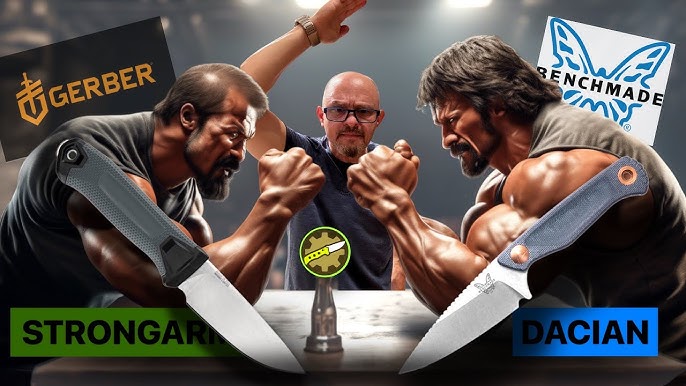
Gerber Strongarm Vs Benchmade Griptilian
The Gerber StrongArm is built for tough tasks. It has a fixed blade, strong grip, and durable steel. This knife suits survival and heavy use well.
The Benchmade Griptilian features a folding design and excellent ergonomics. It uses high-quality steel and offers easy one-handed opening. It works great for everyday carry.
StrongArm excels in durability, while Griptilian shines in convenience. Both knives balance strength and usability differently.
Gerber Bear Grylls Vs Benchmade Bugout
The Gerber Bear Grylls model targets outdoor enthusiasts. It combines a fixed blade with a sharp edge and a comfortable handle. It performs well in survival situations.
The Benchmade Bugout is ultra-light and slim. It fits pockets easily and uses premium steel. Ideal for hikers who want a light, sharp tool.
Bear Grylls focuses on ruggedness, Bugout on portability. Each fits distinct outdoor needs.
Other Notable Picks
Gerber offers the LMF II, a tactical fixed blade with strong features. It suits military and rescue work. Benchmade’s Mini Griptilian is a compact, versatile folding knife. It appeals to everyday users wanting reliability.
Both brands have diverse models for different tasks. Their range covers survival, tactical, and everyday knives well.

Credit: www.youtube.com
Final Thoughts On Choice
Choosing between Gerber and Benchmade can feel tough. Both brands offer strong knives with good designs. Your needs and budget will guide the final choice. Think about what matters most to you in a knife. Quality, price, and style all play a part.
Understanding Your Knife Needs
Consider what you will use the knife for daily. Gerber knives suit outdoor tasks and heavy use. Benchmade knives often fit precision and detailed work. Knowing your main use helps narrow down the options.
Budget And Value Considerations
Gerber provides solid knives at a lower price. Benchmade knives cost more but use premium materials. Check which brand gives the best value for your money. Spending more can mean longer-lasting blades.
Comfort And Design Preferences
Handle feel and blade design affect comfort. Gerber offers practical, rugged designs. Benchmade focuses on ergonomic handles and smooth action. Choose the knife that feels best in your hand.
Brand Reputation And Warranty
Both brands have good reputations. Benchmade is known for strong warranties and customer service. Gerber also supports their products well. A good warranty adds peace of mind to your purchase.
Frequently Asked Questions
Which Brand Offers Better Knife Durability, Gerber Or Benchmade?
Benchmade knives generally offer superior durability due to premium materials and precise craftsmanship. Gerber provides good durability but targets a broader market with varied quality levels.
Are Gerber Knives More Affordable Than Benchmade Knives?
Yes, Gerber knives are typically more affordable, appealing to budget-conscious buyers. Benchmade knives are premium-priced, reflecting higher quality and advanced features.
Which Brand Is Best For Everyday Carry Knives?
Benchmade is often preferred for everyday carry due to ergonomic designs and reliable locking mechanisms. Gerber offers practical options but focuses more on tactical and outdoor knives.
How Do Gerber And Benchmade Compare In Warranty Coverage?
Benchmade offers a lifetime warranty covering defects and repairs. Gerber provides a limited warranty focused on manufacturing defects, usually shorter and less comprehensive.
Conclusion
Choosing between Gerber and Benchmade depends on your needs. Both brands offer strong, reliable knives. Gerber suits budget buyers wanting solid tools. Benchmade works well for those who want premium quality. Consider blade type, handle comfort, and price before buying.
Each brand has loyal fans for good reasons. Think about what feels right in your hand. Quality and value matter most in the end. Your perfect knife is out there. Take your time and choose wisely.