Drop Point Vs Sheepsfoot: Ultimate Blade Showdown Explained
When it comes to choosing the right knife blade for your everyday tasks, you might find yourself stuck between two popular options: Drop Point and Sheepsfoot. Each blade shape offers unique benefits that can make your cutting experience easier, safer, and more efficient.
But which one is truly the best fit for your needs? You’ll discover the key differences, advantages, and ideal uses of Drop Point and Sheepsfoot blades. By the end, you’ll feel confident picking the perfect blade that matches your lifestyle and tasks—no more guesswork or second-guessing.
Ready to find out which blade suits you best? Let’s dive in.
Credit: keganico.com
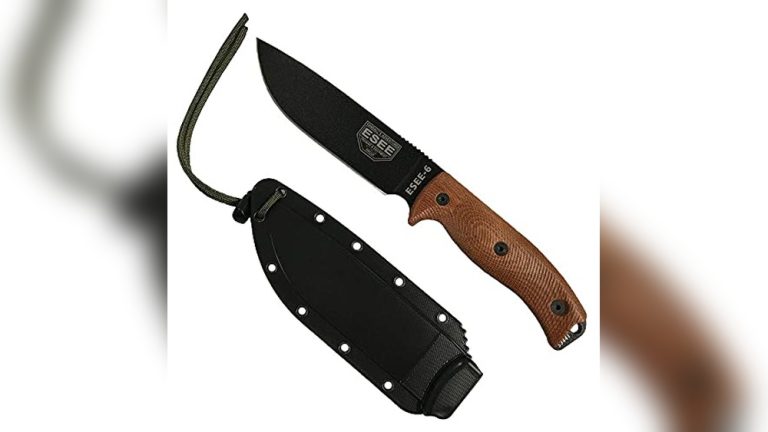
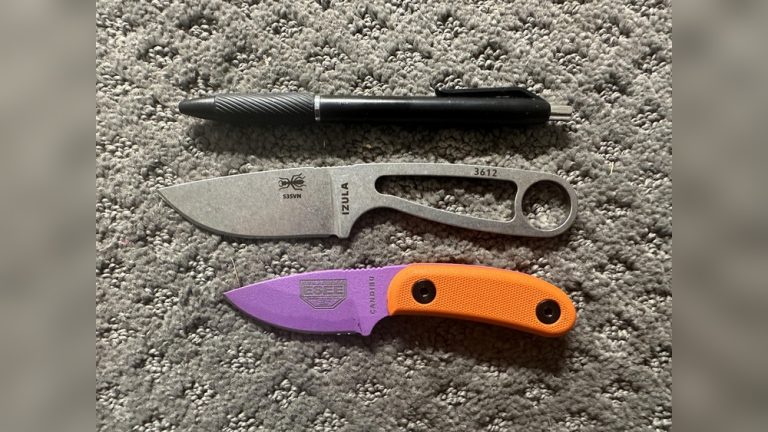
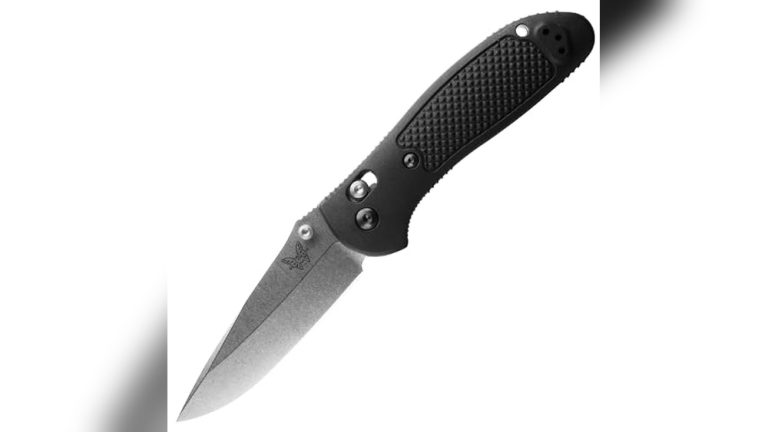
Drop Point Blade
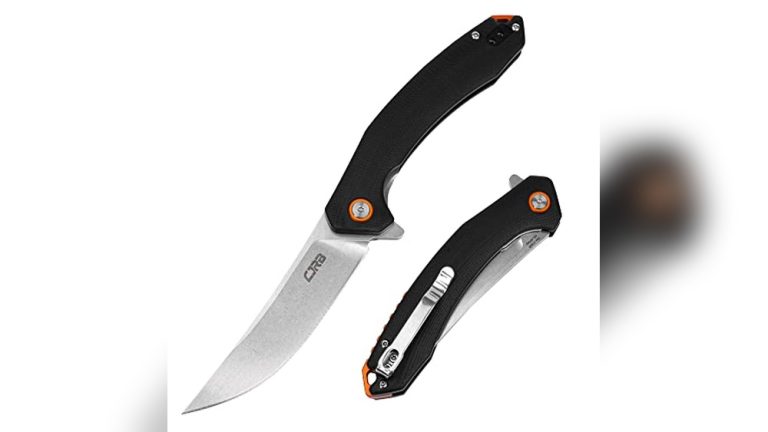
The drop point blade is a popular knife design. It features a strong, curved edge that slopes down to the tip. This design offers control and durability. The drop point blade is easy to handle and versatile. It suits many tasks from outdoor activities to everyday use.
Design Features
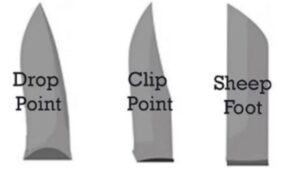
The blade has a convex curve on the spine. This curve drops gently toward the tip. The tip is thick and strong, not sharp or fragile. The edge is wide and curves smoothly to the tip. This shape helps in precise cutting and piercing. The blade’s thickness near the spine adds strength.
Common Uses
Drop point blades are common in hunting knives. They help skin and clean animals carefully. Campers use them for cutting ropes and preparing food. Many carry drop point knives for daily chores. They work well for slicing and general cutting tasks. The blade design suits both soft and hard materials.
Advantages
The drop point blade offers excellent control. Its strong tip reduces the risk of breaking. The wide edge makes cutting easier and faster. It works well in both delicate and tough jobs. The simple shape is easy to sharpen and maintain. This blade style suits beginners and experts alike.

Credit: www.reddit.com
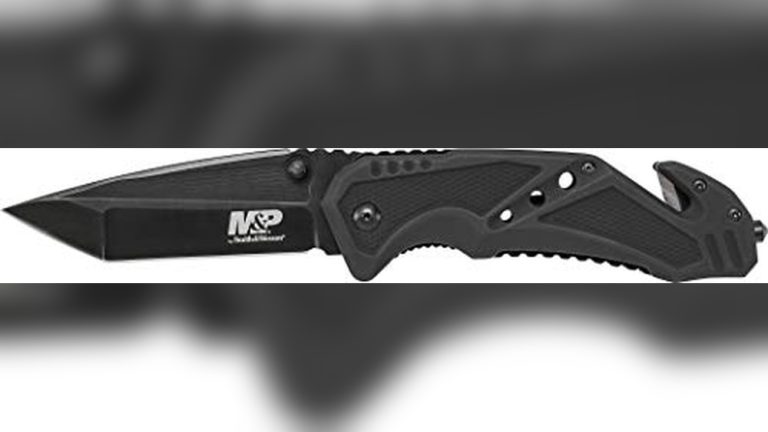
Sheepsfoot Blade
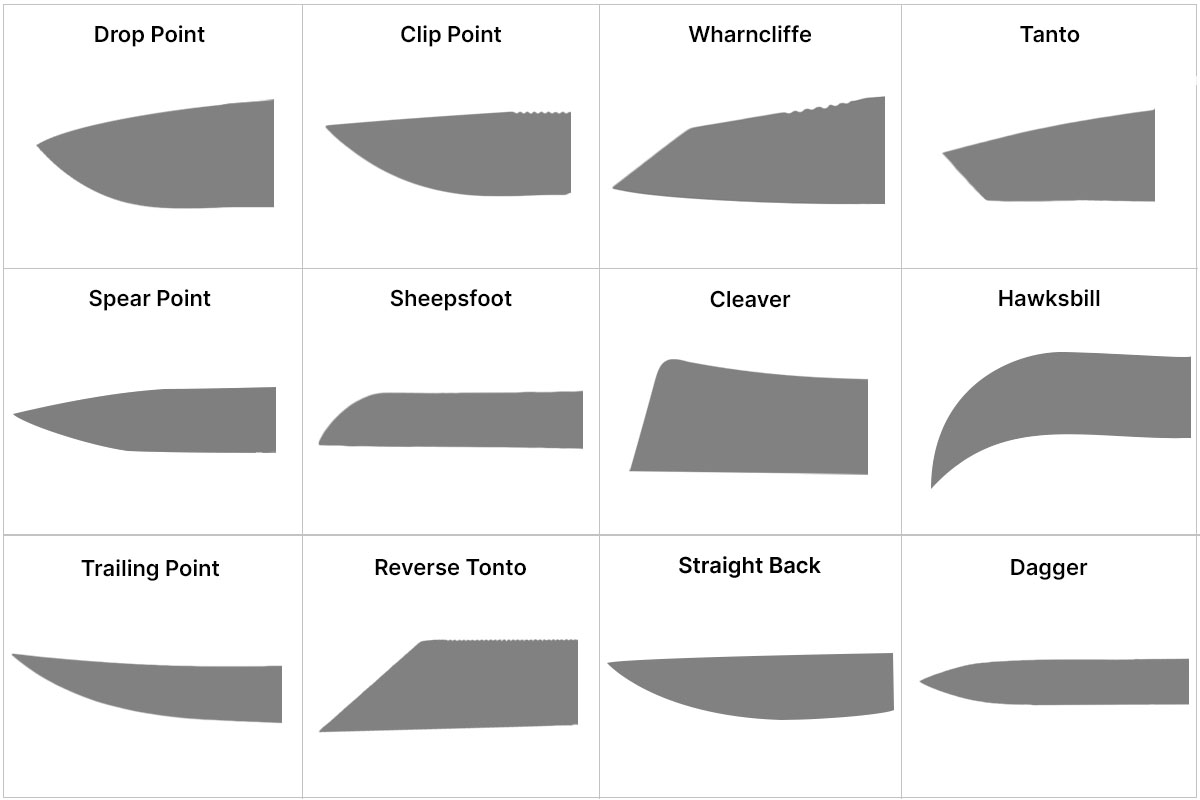
The sheepsfoot blade is a popular knife blade style. It stands out with its unique shape. This blade has a straight edge and a rounded tip. The design helps control cutting and reduces accidental stabs. It is useful in many tasks and valued for safety and precision.
Design Features
The sheepsfoot blade has a flat edge from the handle to the tip. The tip curves downwards, creating a blunt point. This shape prevents the blade from piercing or stabbing. The spine is straight and thick, adding strength. The blade usually has a wide surface, good for slicing.
Common Uses
This blade is common in rescue knives and medical tools. It works well for cutting ropes, cords, and bandages. Many use it in woodworking and carving. The design helps with tasks needing careful, controlled cuts. It is also popular in kitchen knives for chopping and slicing.
Advantages
The sheepsfoot blade offers safety due to its blunt tip. It reduces the risk of injuries during use. The straight edge allows smooth and precise cutting. It is easy to control, even in tight spaces. The thick spine makes the blade strong and durable.
Blade Shape Comparison
The blade shape of a knife affects how it cuts, how strong it is, and how much control you have. Drop point and sheepsfoot blades look very different. Each design suits different tasks. Understanding their differences helps you pick the right knife.
This section breaks down the key features of both blade shapes. It covers their edge geometry, tip strength, and cutting control. These points show how each blade works best in daily use.
Edge Geometry
The drop point blade has a curved edge that slopes gently to the tip. This shape gives a long, sharp cutting edge. It works well for slicing and general use.
The sheepsfoot blade has a straight edge with a flat tip. The edge curves upward near the tip. This design is good for precise cuts and push cuts.
Tip Strength
Drop point blades have a strong, thick tip. This makes them good for tasks needing piercing or stabbing. The tip resists breaking under pressure.
Sheepsfoot blades have a blunt, rounded tip. This reduces the chance of accidental punctures. The tip is less likely to snap but not made for piercing.
Cutting Control
Drop point knives give good control for general cutting tasks. The curved edge helps with smooth slicing motions.
Sheepsfoot knives offer excellent control for detailed work. The flat edge allows steady, straight cuts without slipping.
Credit: www.sportsmans.com
Performance In Different Tasks
Choosing between a Drop Point and a Sheepsfoot knife depends on the tasks ahead. Both blades have unique shapes that suit different needs. Understanding their performance helps in selecting the right knife for each job.
Outdoor Activities
Drop Point knives excel in outdoor tasks like hunting and camping. Their curved tip offers precise control for skinning and cutting. The strong point resists breaking during tough jobs. Sheepsfoot blades work well for cutting ropes or food. Their straight edge makes slicing clean and safe. But they lack a sharp point for piercing tasks.
Everyday Carry
Drop Point blades are versatile for daily use. They handle general cutting, opening packages, and small repairs easily. Sheepsfoot knives shine in tasks needing controlled cuts. Their blunt tip avoids accidental pokes or stabs. This makes them popular for work and school environments. Both knives fit well in pockets and carry discreetly.
Safety Considerations
Sheepsfoot blades provide higher safety during cutting. The rounded tip reduces injury risks in crowded spaces. Drop Point knives require more care due to their sharp tip. Users must handle them carefully to avoid accidents. Choosing the right blade can improve safety based on the environment. Proper use and maintenance also play a key role.
Choosing The Right Blade
Choosing the right blade for your knife is very important. It affects how well the knife works for different tasks. Drop point and sheepsfoot blades each have unique shapes and strengths. Understanding these helps you pick the best blade for your needs.
Personal Preferences
Your comfort with a blade shape matters. Drop point blades have a curved tip that feels natural in hand. Sheepsfoot blades have a straight edge and a blunt tip, which some find safer. Think about which shape feels better when you hold it.
Task Requirements
Different blades suit different jobs. Drop point blades work well for slicing and general use. Sheepsfoot blades excel at cutting straight lines and making precise cuts. Choose the blade that fits the main tasks you will do with it.
Maintenance Needs
Blade care varies by shape. Drop point blades are easier to sharpen due to their curved edge. Sheepsfoot blades need careful sharpening along the straight edge to keep them sharp. Consider how much time you want to spend on maintenance.
Popular Knife Models
Choosing the right knife shape depends on the task. Drop point and sheepsfoot blades each suit different uses. Many popular knife models use these blade styles. Knowing some examples helps understand their strengths and designs.
Drop Point Examples
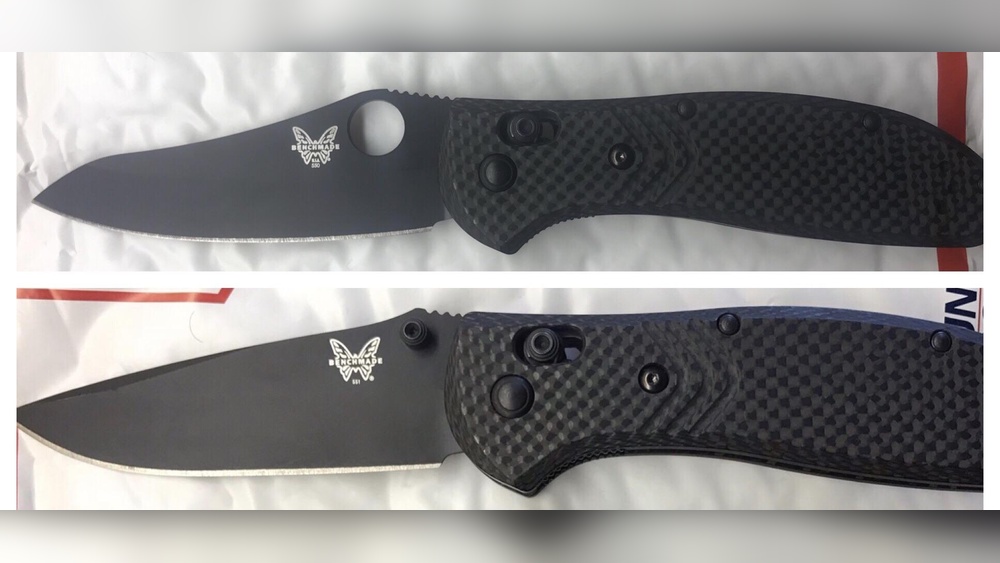
The drop point blade is common in hunting and outdoor knives. The thick spine offers strength and control. One well-known model is the Buck 110 Folding Hunter. It features a strong drop point blade for skinning and general use. Another favorite is the ESEE 4, a survival knife with a large drop point blade. It handles tough cutting tasks with ease. The Spyderco Delica also uses a drop point blade, popular for everyday carry. Its shape balances sharpness and durability.
Sheepsfoot Examples
Sheepsfoot blades have a straight edge and a rounded tip. They work well for precise cutting without piercing. The Ontario Rat 1 is a popular sheepsfoot knife, known for its safe, controlled cuts. Another example is the Buck 379 Sheepsfoot, designed for utility and rescue tasks. The Kershaw Leek also uses a modified sheepsfoot blade, favored for its clean, accurate slicing. These knives suit work requiring careful blade control.
Frequently Asked Questions
What Is The Main Difference Between Drop Point And Sheepsfoot Blades?
Drop Point blades have a curved spine ending in a sharp tip, ideal for precision tasks. Sheepsfoot blades have a straight edge and rounded tip, designed for safe, controlled cutting without piercing.
Which Blade Is Better For Everyday Carry Knives?
Drop Point blades are generally preferred for everyday carry due to versatility. Sheepsfoot blades excel in tasks requiring safety, like cutting ropes or opening boxes without accidental stabs.
Are Sheepsfoot Blades Safer Than Drop Point Blades?
Yes, Sheepsfoot blades are safer for controlled cutting since the tip is rounded and blunt. Drop Point blades have sharper tips, increasing piercing risk in delicate tasks.
Can Drop Point Blades Be Used For Outdoor Activities?
Absolutely, Drop Point blades are popular for outdoor use. Their strong tip and curved edge handle hunting, camping, and general utility tasks well.
Conclusion
Choosing between a drop point and sheepsfoot depends on your needs. Drop point blades offer strong tips and good control. Sheepsfoot blades focus on safe, straight cuts without piercing. Both have clear uses in daily tasks or outdoor activities. Think about what you cut most often.
Your choice should match your typical work or hobby. This way, you get the best tool for the job. Simple and smart selection leads to better results and satisfaction.