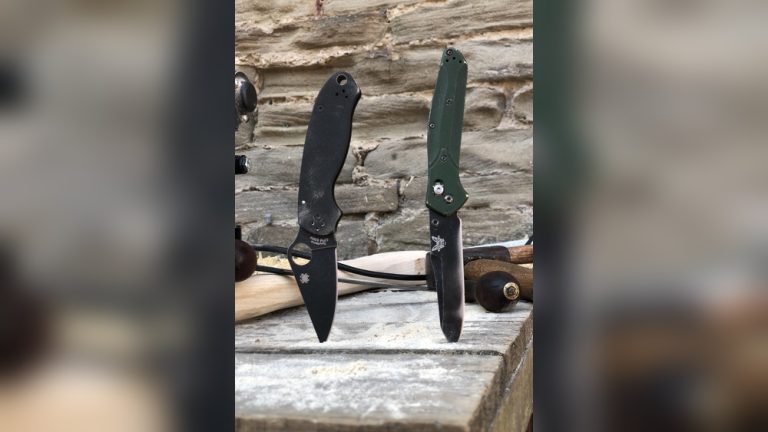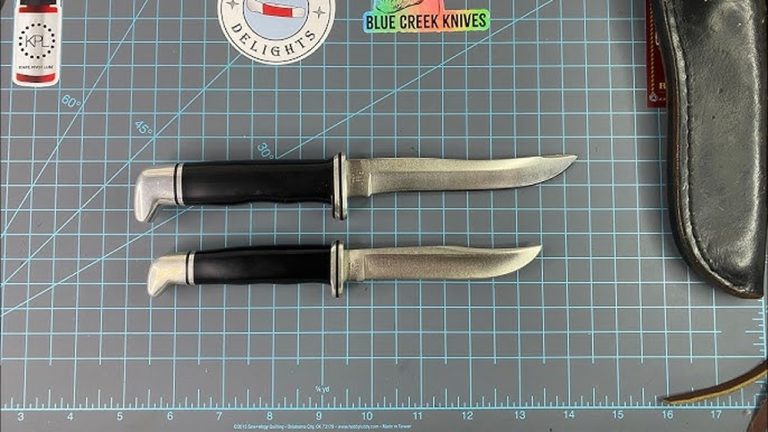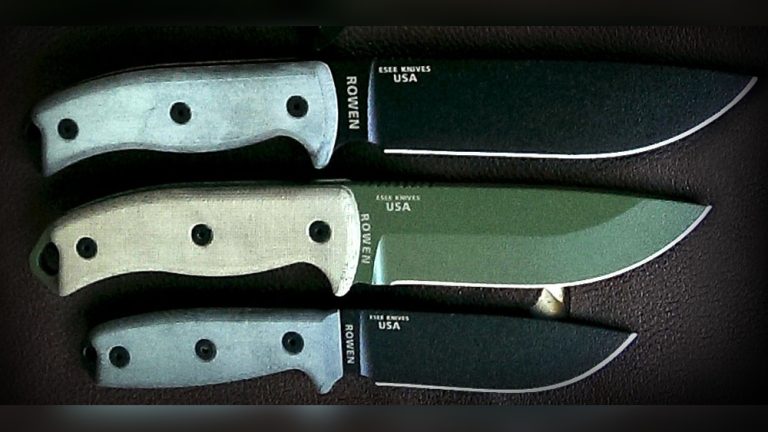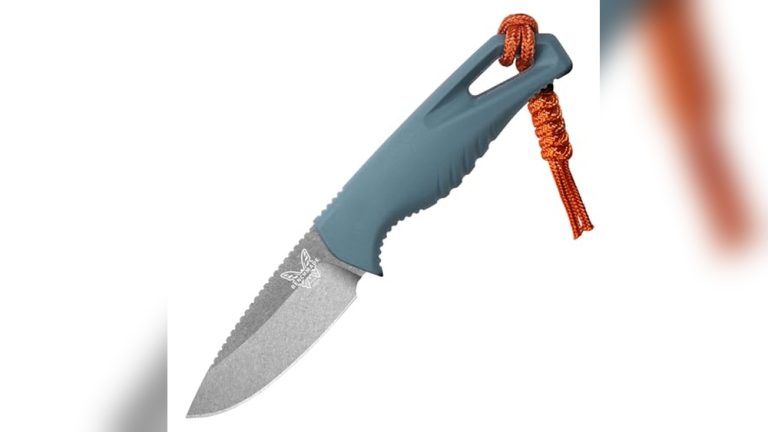
Buck Vs Benchmade: Ultimate Knife Showdown for 2025
When it comes to choosing a reliable knife, Buck and Benchmade are two names that often come up. But which one is truly the best fit for your needs?
Whether you’re hunting, camping, or just need a dependable tool, knowing the differences between Buck and Benchmade can save you time and money. You’ll discover key points that will help you make a smart choice. Keep reading to find out which brand matches your style, budget, and expectations perfectly.
Buck Knives History
Buck Knives has a rich history that spans nearly a century. The brand started as a small family business and grew into a well-known name worldwide. Its story is one of passion, skill, and innovation in the knife industry.
Buck Knives is famous for crafting reliable and durable knives. Many hunters, outdoorsmen, and collectors trust the brand. The company’s history reflects strong American craftsmanship and a commitment to quality.
Origins And Legacy
Buck Knives began in 1902 with Hoyt Buck, who made knives by hand. The business stayed in the Buck family and grew slowly. In 1948, Hoyt’s son, Al Buck, started producing folding knives with a locking mechanism. This design was new and helped the brand gain popularity.
The company’s focus on quality and durability built a strong legacy. Buck Knives became known for making knives that last for generations. Their products often pass from father to son, symbolizing trust and tradition.
Signature Models
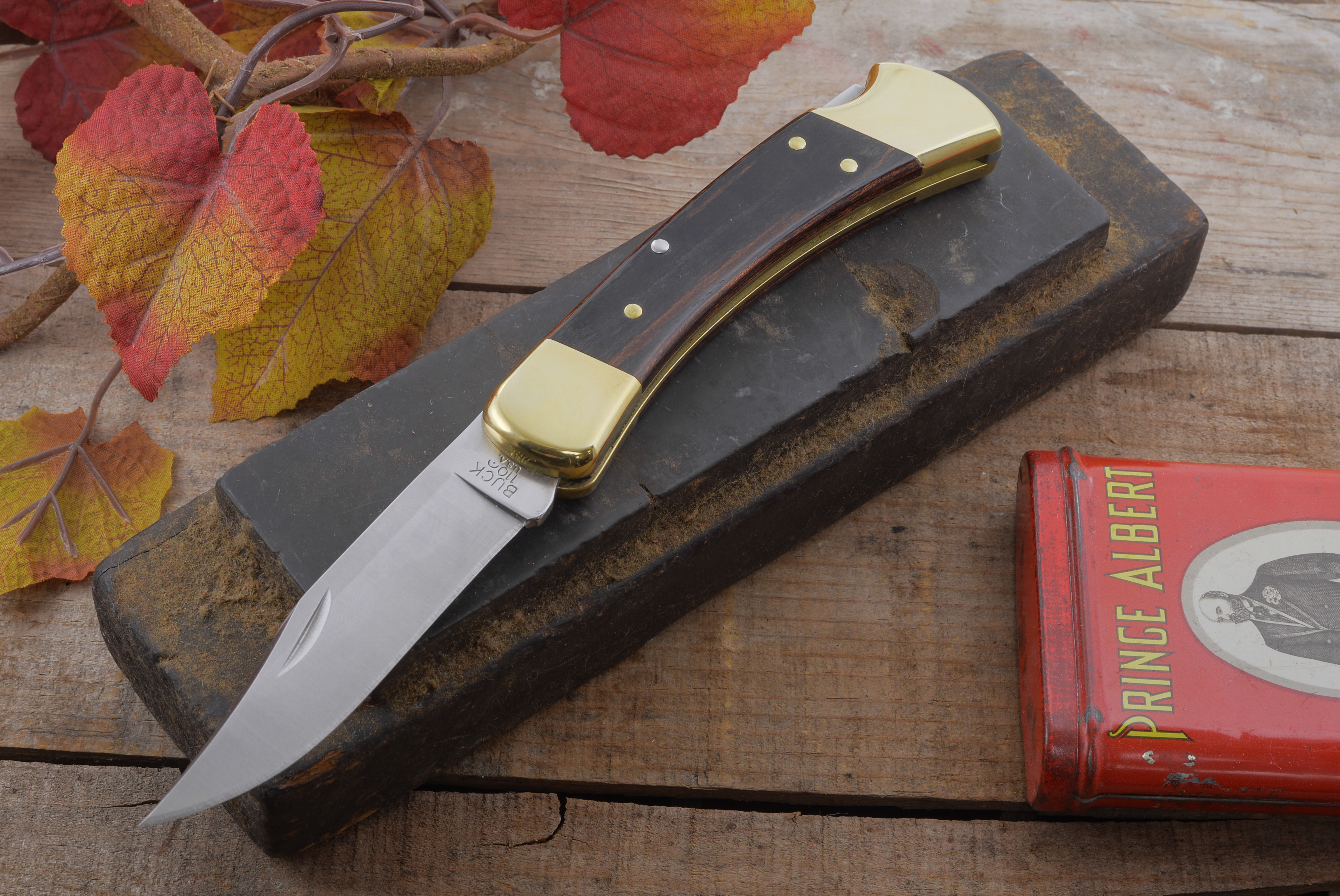
The Buck 110 Folding Hunter is the brand’s most famous knife. It introduced the folding lockback design. This model remains popular among hunters and collectors today. The 110’s design is simple, strong, and easy to use.
Other notable models include the Buck 119 Special and Buck Vantage series. Each model serves different purposes, from hunting to everyday carry. These knives helped Buck Knives expand its appeal to a wider audience.
Innovations Over The Years
Buck Knives has improved blade steel and handle materials over time. They use stainless steel for better rust resistance. New handle materials add comfort and durability.
The company also developed new locking mechanisms and blade shapes. These changes improve safety and cutting performance. Buck Knives continues to adapt to modern needs while respecting its heritage.
Benchmade Background
Benchmade is a well-known name in the knife industry. The brand is famous for making high-quality knives. These knives suit outdoor activities, everyday use, and tactical purposes. The company focuses on strong materials and precise craftsmanship. This background explains why many trust Benchmade knives.
Company Founding
Benchmade started in 1988 in Oregon, USA. It began as Bali-Song, making butterfly knives. The company changed its name to Benchmade to reach more users. Since then, it grew fast and gained respect. The focus stayed on quality and innovation.
Popular Knife Lines
Benchmade offers several popular knife lines. The Griptilian series is loved for its grip and strength. The Bugout line is light and easy to carry. The Anthem series features automatic knives for fast use. Each line serves different needs and styles.
Technological Advances
Benchmade uses modern technology in knife making. They apply precision machining for sharp and durable blades. The AXIS Lock system is a key safety feature. It keeps the blade locked during use. Materials like CPM-S30V steel improve blade life and sharpness.
Blade Materials Comparison
Blade materials play a key role in knife performance. Buck and Benchmade use different steels. These choices affect how sharp, strong, and long-lasting the blades are. Understanding these materials helps pick the right knife for your needs.
Let’s explore the steel types, durability, sharpness, and corrosion resistance of Buck and Benchmade blades.
Steel Types Used
Buck knives often use 420HC stainless steel. It is easy to sharpen and affordable. Some higher-end Buck models feature S30V steel, known for better edge retention.
Benchmade prefers premium steels like CPM-S30V, CPM-S90V, and 154CM. These steels offer a balance between hardness and toughness. Benchmade knives generally have higher-grade steel options.
Durability And Sharpness
Buck blades are tough and resist chipping well. They hold an edge for a decent time but need regular sharpening.
Benchmade blades stay sharp longer due to harder steel. They resist wear and keep their edge through heavy use. Sharpness is easier to maintain with Benchmade knives.
Corrosion Resistance
420HC steel in Buck knives resists rust but needs care. Cleaning and drying after use prevent corrosion.
Benchmade’s premium steels offer stronger corrosion resistance. They handle moisture and harsh conditions better. Less frequent maintenance is needed to avoid rust.

Credit: www.youtube.com
Handle Design And Comfort
The handle design and comfort play a big role in choosing a knife. It affects how the knife feels in your hand. A good handle gives control and reduces hand fatigue. Both Buck and Benchmade focus on this area but in different ways. Let’s explore their handle designs closely.
Materials And Ergonomics
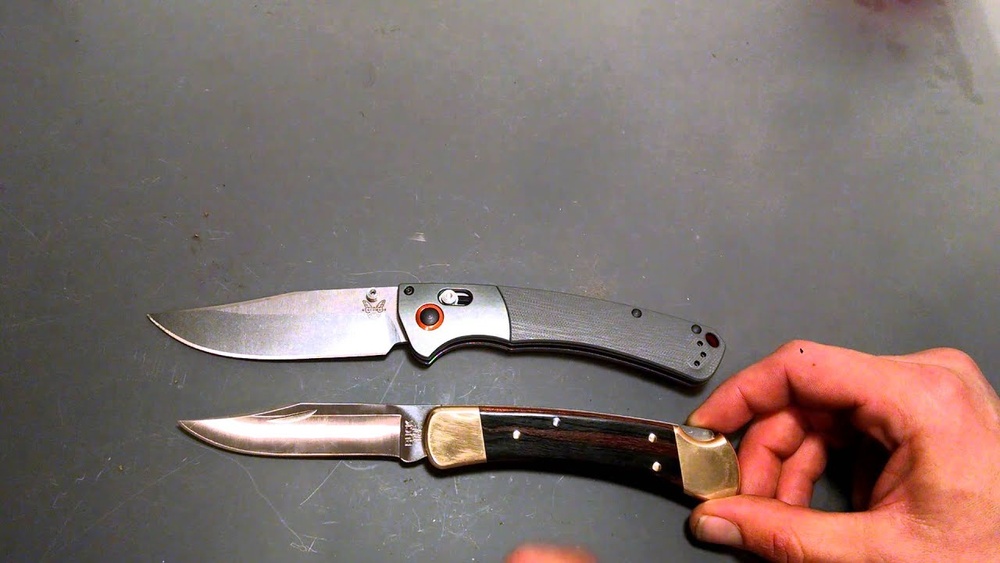
Buck uses traditional materials like wood and aluminum for their handles. These materials offer a classic look and solid feel. The shapes are often simple but fit well in the hand. Benchmade prefers modern materials such as G10, carbon fiber, and aluminum. These materials are lightweight and durable. Benchmade also designs handles with curves and finger grooves. This helps the knife fit naturally in your hand.
Grip And Usability
Buck handles provide a firm grip but can feel smooth when wet. They perform well in everyday tasks. Benchmade handles often have textured surfaces. This texture improves grip, especially in wet or slippery conditions. Benchmade knives are easy to hold for long use. They focus on usability for outdoor and tactical purposes.
Aesthetic Appeal
Buck knives look classic and timeless. Their handle materials give a warm, natural appearance. Benchmade offers a modern and tactical look. Their handles often come in dark or bold colors. Both brands provide good-looking knives but with different styles. Your choice depends on whether you prefer traditional or modern design.
Locking Mechanisms
Locking mechanisms are vital in folding knives. They keep the blade secure during use. A good lock stops the blade from closing by mistake. This adds safety and confidence for the user. Buck and Benchmade use different locking systems. Each has unique features and benefits. Understanding these locks helps choose the right knife.
Types Employed By Buck
Buck mainly uses the classic lockback design. This lock has a spine on the back of the handle. Pressing it down releases the blade. It is simple and strong. Buck’s lockback is easy to use and maintain. It offers a solid lock with a satisfying click. This system has been trusted for decades.
Benchmade’s Lock Systems
Benchmade uses several locking mechanisms. The most famous is the AXIS lock. It uses a small bar that slides into place. This bar holds the blade open firmly. The lock works on both sides, good for right or left-handed users. Benchmade also uses liner locks and grip tilts in some models. These locks are quick to operate and secure.
Safety And Reliability
Both brands focus on safety and reliability. Buck’s lockback is very sturdy and hard to fail. It requires a firm press to unlock, avoiding accidents. Benchmade’s AXIS lock is smooth but strong. It prevents blade movement during use. Both locks give users peace of mind. They ensure knives stay open until you choose to close them.
Performance In Field Use
Performance in field use is a key factor when choosing between Buck and Benchmade knives. Both brands offer strong tools built for real tasks. Their design and materials impact how well they work outdoors. This section compares their strengths in different field activities.
Hunting And Outdoor Tasks
Buck knives often feature durable blades with classic designs. They handle skinning and cutting well in hunting settings. Their sturdy build holds up to tough outdoor tasks. Benchmade knives bring advanced blade steels and sharper edges. This helps with precise cuts and longer blade life. Both brands offer reliable options for camping and survival work.
Everyday Carry Efficiency
Benchmade excels in lightweight, compact knife designs. Their locking mechanisms add safety for daily use. Buck knives tend to be simpler but very sturdy. They fit well in pockets or belts for quick access. Both brands balance size and function for everyday carry needs.
Tactical Applications
Benchmade is popular among tactical users for its strong materials. Their knives often include features like quick deployment and grip texture. Buck knives also provide solid, dependable tools for tough conditions. They may lack some high-tech features but remain effective. Both brands serve well in demanding tactical scenarios.
Price And Value
Price and value play a big role in choosing a knife brand. Buck and Benchmade offer different price points and benefits. Understanding cost, warranty, and resale helps buyers decide.
Cost Range Comparison
Buck knives usually cost less. Their prices often fall between $30 and $150. Benchmade knives tend to be pricier, ranging from $100 to $400. The higher price reflects advanced materials and designs. Buck is a good pick for budget buyers. Benchmade suits those who want premium features.
Warranty And Support
Buck offers a limited lifetime warranty. It covers defects in materials and workmanship. Benchmade provides a full lifetime warranty. They also offer free repairs and sharpening. Benchmade’s customer service often gets high marks. Buck’s warranty is solid but less extensive. Support quality affects overall value greatly.
Resale And Longevity
Benchmade knives keep their value better over time. Their strong build and brand reputation attract buyers. Buck knives may lose value faster, but they last long with care. Both brands use durable steel and solid handles. Longevity depends on use and maintenance. Resale value can offset initial cost differences.

Credit: www.reddit.com
Customer Feedback
Customer feedback reveals what real users think about Buck and Benchmade knives. Reviews show how these knives perform in daily tasks and outdoor use.
This feedback helps to understand strengths and weaknesses from a user’s view. It also highlights how each brand meets expectations.
User Reviews And Ratings
Many users rate both Buck and Benchmade knives highly for quality and durability. Buck knives often score well for value and reliability.
Benchmade knives receive praise for precision and innovative designs. Users appreciate the smooth action and sharp blades in Benchmade products.
Common Praises
Customers like Buck knives for their strong build and classic style. They often mention the knives hold sharp edges for a long time.
Benchmade knives get praise for their ergonomic handles and comfortable grip. Many users say these knives feel balanced and easy to control.
Typical Complaints
Some Buck users report issues with blade locking mechanisms after heavy use. A few find the designs less modern compared to other brands.
Benchmade customers sometimes mention the higher price as a downside. Others note that some models can be heavier than expected.
Special Editions And Collaborations
Special editions and collaborations highlight the creativity and uniqueness of Buck and Benchmade knives. These exclusive models attract collectors and fans. Both brands release limited runs that feature unique designs, materials, and craftsmanship. These special knives often tell a story or celebrate a milestone.
Collectors seek these knives for their rarity and distinct appeal. Collaborations with designers and artists bring fresh ideas. These partnerships create knives that stand out from regular collections. Exploring special editions reveals a rich world of innovation and style.
Limited Releases
Buck and Benchmade often launch limited release knives. These knives come in small quantities. This makes them rare and valuable. Limited releases may include special materials like Damascus steel or exotic handles. They often feature unique engravings or finishes. These releases attract collectors and enthusiasts eager to own something special.
Designer Partnerships
Both companies work with well-known knife designers. These partnerships produce knives with fresh, creative designs. Designers add their signature style to the blades and handles. This collaboration ensures high-quality performance and aesthetic appeal. Fans appreciate the blend of expert craftsmanship and artistic vision.
Collector’s Items
Special editions become collector’s items over time. The rarity and craftsmanship increase their value. Collectors look for knives with unique features or limited availability. These items often come with certificates of authenticity. Owning a collector’s item connects users to the brand’s history and culture.
Credit: www.knivesshipfree.com
Choosing The Right Knife
Choosing the right knife is important for many tasks. Both Buck and Benchmade offer strong options. Understanding your needs helps pick the best one. This section breaks down key factors to consider.
Purpose And Needs
Think about what you want the knife to do. Hunting, camping, or everyday use need different blades. Buck knives often suit outdoor and hunting tasks well. Benchmade knives work great for precision and tactical uses. Match the knife to your daily activities for best results.
Budget Considerations
Knives come in many price ranges. Buck knives are usually more affordable. Benchmade knives often cost more but offer premium materials. Decide how much you want to spend. Choose a knife that fits your budget without sacrificing quality.
Personal Preferences
Handle shape, weight, and blade style matter to each person. Buck knives tend to have classic designs. Benchmade offers modern styles and innovative features. Hold both types if possible. Pick the one that feels comfortable and suits your style.
Frequently Asked Questions
What Are The Key Differences Between Buck And Benchmade Knives?
Buck knives focus on traditional designs with sturdy blades. Benchmade offers modern features and innovative locking systems. Buck is known for classic hunting knives, while Benchmade excels in tactical and everyday carry styles. Both brands ensure high-quality materials and craftsmanship.
Which Brand Offers Better Blade Steel Quality?
Benchmade typically uses premium steels like CPM-S30V and CPM-S90V for superior edge retention. Buck mainly employs 420HC steel, which is durable but less premium. For long-lasting sharpness and corrosion resistance, Benchmade edges ahead in steel quality.
Are Buck Knives More Affordable Than Benchmade?
Yes, Buck knives generally have a lower price range. They provide excellent value for traditional knife users. Benchmade knives are pricier due to advanced materials and technology. Budget-conscious buyers often prefer Buck for cost-effectiveness.
Which Knife Brand Is Better For Everyday Carry?
Benchmade is favored for everyday carry due to lightweight design and reliable locking mechanisms. Buck knives are heavier and more suited for outdoor and hunting purposes. For daily use, Benchmade offers more ergonomic options.
Conclusion
Both Buck and Benchmade offer strong, reliable knives. Buck knives stand out for their classic design and affordability. Benchmade knives are known for advanced features and tough materials. Choosing depends on what you need and how much you want to spend.
Consider your daily tasks and preferences carefully. Either brand can serve you well for years. Quality and performance matter most in the end. Your perfect knife is waiting, just pick wisely.