Buck 111 Vs 110: Ultimate Comparison for Knife Enthusiasts
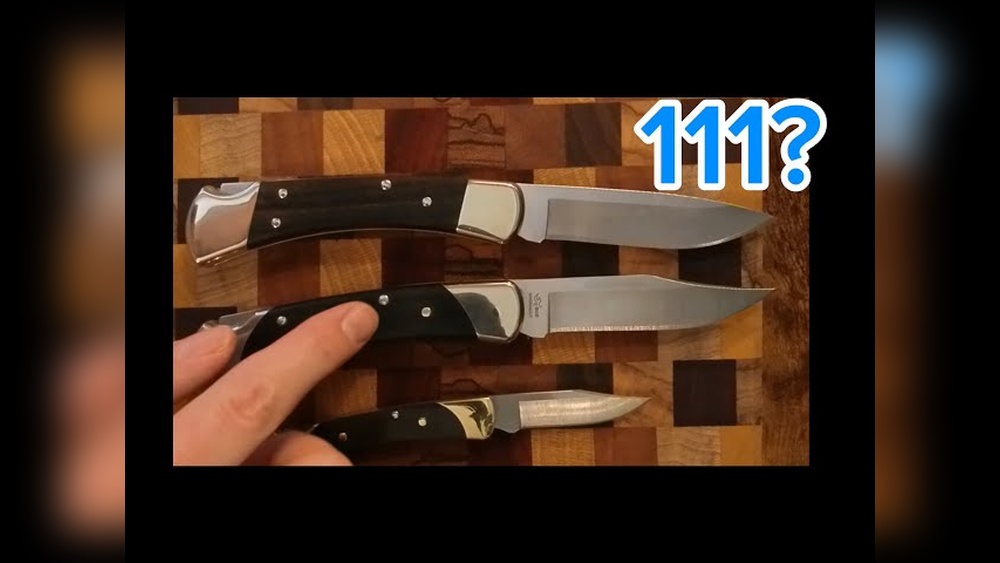
When you’re choosing a reliable folding knife, the Buck 111 and Buck 110 often come up as top contenders. Both have their fans, but which one is the right fit for your needs?
You might be wondering about the key differences, the feel in your hand, or which design suits your daily tasks better. This comparison will clear up the confusion and help you make a confident choice. Keep reading to discover what sets these two classic knives apart—and find out which one matches your style and purpose perfectly.
Credit: www.bladeforums.com
History Of Buck 110 And 111
The Buck 110 and 111 knives have a rich history that many outdoor enthusiasts respect. Both models come from the same family but serve slightly different purposes. Understanding their background helps appreciate their design and use.
These knives have stood the test of time because of their quality and reliability. Collectors and users alike value the story behind these classic tools.
Origins And Evolution
The Buck 110 was introduced in 1964. It quickly became popular for hunting and general use. Its folding design was strong and easy to carry. The knife’s solid lockback mechanism made it safe and reliable.
The Buck 111 followed later as a fixed blade version. It kept the same blade shape but added a full tang for extra strength. The 111 was designed for tougher tasks and more demanding users.
Both models evolved with small updates but kept their core features. Their history shows a balance of tradition and practical improvement.
Design Changes Over Time
The Buck 110 has seen changes in handle materials. Early models used walnut wood. Later versions introduced synthetic and other wood types for durability.
The blade steel also improved with time. Buck moved from simple carbon steel to stainless steel for better rust resistance. The shape stayed mostly the same to keep its classic look.
The Buck 111 kept its fixed blade style but refined the handle for better grip. The sheath designs also improved for easier carry and protection.
These design changes show careful updates without losing the original knife’s spirit.
Blade Design And Materials
The blade design and materials define how a knife performs and lasts. Both Buck 111 and 110 are popular folding knives known for quality. Their blades differ in shape, length, and steel type. These differences affect cutting tasks and durability. Understanding these details helps choose the right knife for you.
Blade Shape And Length
The Buck 110 features a clip point blade. This shape has a sharp tip, good for detailed work. Its blade length is about 3.75 inches, ideal for everyday tasks. The Buck 111 has a drop point blade. This shape is stronger and safer for heavy use. Its blade is slightly shorter, around 3.5 inches. Both shapes serve different needs well.
Steel Types And Durability
Buck 110 blades use 420HC stainless steel. This steel resists rust and is easy to sharpen. It holds an edge well for most tasks. The Buck 111 uses 420HC steel too, but with a different heat treatment. This makes the blade tougher and more durable. Both knives last long with proper care. Steel choice impacts sharpness and strength.
Handle Construction And Comfort
The handle construction and comfort of a knife affect how well it performs. It also impacts how long you can use the knife without feeling tired or slipping. Both Buck 111 and 110 have strong handles, but their designs and materials differ. These differences matter when choosing the right knife for your needs.
Materials Used
The Buck 111 features a handle made of wood. This wood gives it a classic and warm look. It feels natural in the hand and ages well over time. Wood handles can absorb moisture, so they need care to avoid damage.
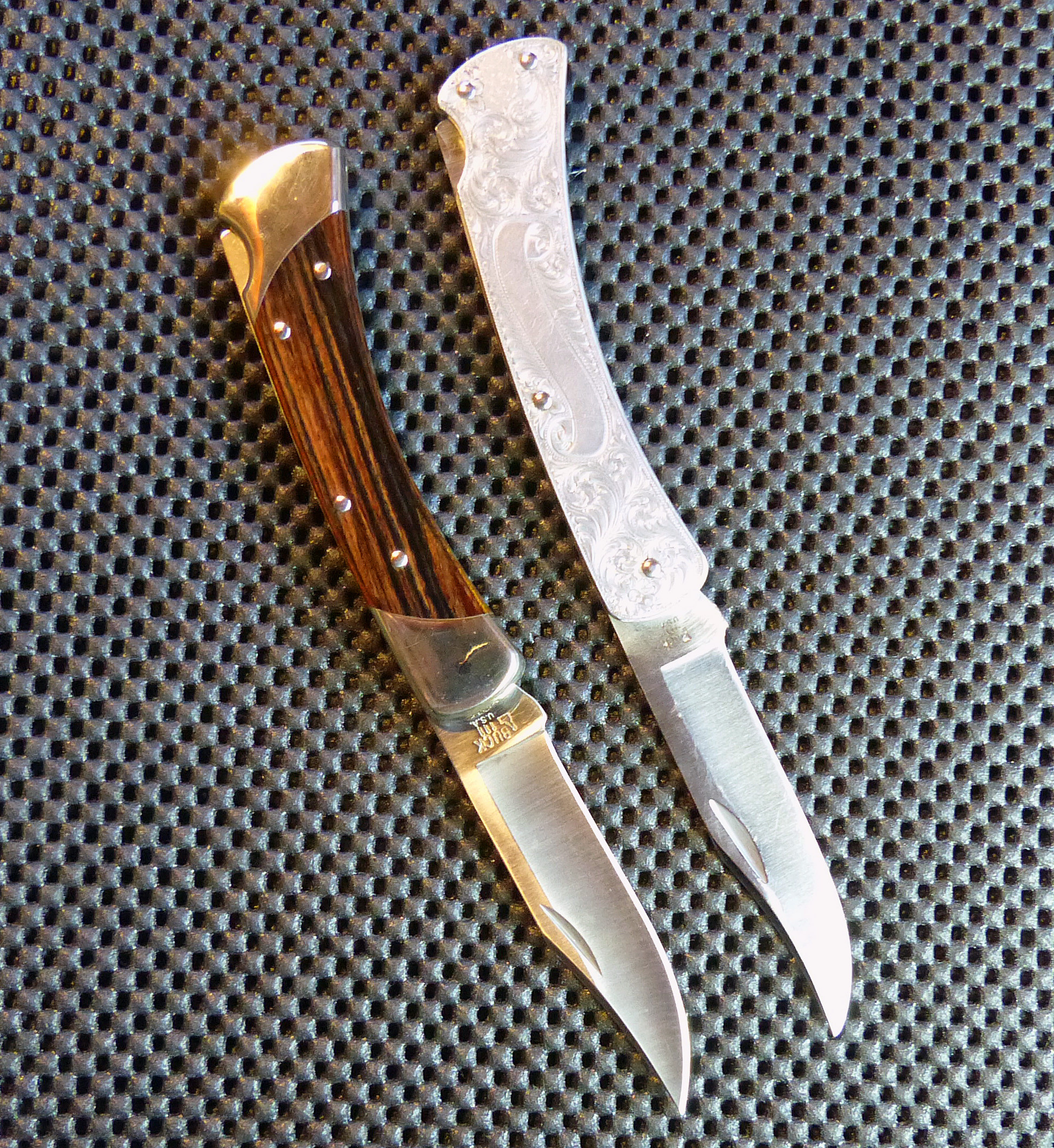
The Buck 110 has a handle made of hardwood with brass bolsters. This mix offers durability and a traditional style. Brass adds weight and strength, improving balance. The hardwood is tough and handles rough use well.
Ergonomics And Grip
The Buck 111 handle is thicker and more rounded. This shape fits comfortably in large hands. It offers a secure grip, reducing slips during use. The smooth finish feels good but may be slippery when wet.
The Buck 110 handle has a slimmer, flatter design. It suits smaller hands better. The brass bolsters add grip points, helping hold the knife firmly. The wood texture also improves grip, even when your hands are damp.

Credit: epragueknives.com
Locking Mechanism And Safety
The locking mechanism plays a crucial role in the safety and functionality of knives. It keeps the blade firmly in place during use. Both the Buck 111 and Buck 110 models feature locking mechanisms, but they differ in design and operation. Understanding these differences helps users choose the right knife for their needs.
Lock Type Comparison
The Buck 110 uses a classic lockback mechanism. This design features a notch on the spine of the knife. Pressing this notch releases the blade from the locked position. It is simple and trusted by many knife users for decades.
The Buck 111 uses a liner lock instead. This lock uses a spring bar inside the handle to hold the blade open. The liner lock allows for one-handed operation. It makes opening and closing the knife faster and easier.
Ease Of Use And Reliability
The lockback on the Buck 110 is very reliable. It offers strong blade security but requires two hands to open and close safely. This can slow down use in fast tasks.
The Buck 111’s liner lock shines in ease of use. One hand can unlock and close the blade quickly. It suits users who need faster access. The liner lock is also sturdy but may wear over time.
Weight And Portability
Weight and portability play a big role in choosing between the Buck 111 and 110 knives. Both are known for their classic design and reliable use. But how they feel in hand and how easy they are to carry can differ. This section breaks down the key points about their weight and portability.
Overall Weight Differences
The Buck 110 weighs about 5.3 ounces. It feels solid but not heavy in the pocket. The Buck 111 is slightly lighter, weighing around 5 ounces. This small difference makes the 111 easier to carry every day. The lighter weight helps reduce hand fatigue during use. Both knives balance well, but the 111 feels a bit more nimble.
Carry Options
Both models come with a leather sheath. The sheath attaches easily to belts for quick access. The Buck 110’s sheath is slightly bulkier due to the knife’s weight. The Buck 111’s lighter weight allows for a slimmer sheath. This makes the 111 more comfortable for long periods. The sheath designs protect the blade and keep it secure during movement.

Credit: www.bladeforums.com
Performance In Various Tasks
Both the Buck 111 and 110 knives perform well in many tasks. Each knife has strengths that suit different needs. Understanding their performance helps choose the right knife for each job.
Outdoor And Survival Use
The Buck 111 offers a fixed blade, giving more strength for tough outdoor jobs. It handles cutting wood, preparing food, and carving with ease. The solid build resists bending or breaking during heavy use.
The Buck 110 is a folding knife, lighter to carry in the wild. It works well for smaller tasks like cutting rope or opening packages. Its locking mechanism keeps the blade safe while working.
Both knives can survive outdoor challenges, but the 111 is better for hard work. The 110 suits those who want a compact knife for light survival tasks.
Everyday Carry And Utility
The Buck 110 folds into a smaller size, easy to carry daily. It fits well in pockets and handles common tasks like opening boxes or trimming threads. Its classic design is both practical and stylish.
The Buck 111 is bigger and less convenient for everyday carry. It feels heavier and takes more space in a bag. Still, it excels in utility tasks needing more blade strength.
For daily use, the 110 is preferred for its portability and ease. The 111 fits better when heavy-duty tasks are expected during the day.
Price And Value
Price and value play a major role when choosing between the Buck 111 and 110 knives. Both knives offer quality and durability, but their prices differ. Understanding cost and long-term worth helps make a smart choice.
Cost Comparison
The Buck 110 usually costs less than the Buck 111. The 110 is a classic model and widely available. The 111 has a more modern design and higher price. Both knives offer strong blades and solid handles. The price gap reflects design and material differences.
Long-term Investment
Both knives last many years with proper care. The Buck 111 may keep value longer due to its newer style. The 110 has a proven track record for reliability. Repair and maintenance costs are similar for both models. Choosing either knife offers good value over time.
User Feedback And Popularity
User feedback plays a big role in understanding the popularity of the Buck 111 and 110 knives. Both models have loyal fans who share their thoughts online. These insights help new buyers decide which knife suits their needs.
Popularity depends on many factors like design, usability, and history. The Buck 110 has a classic appeal that many appreciate. The Buck 111 offers some modern tweaks that attract a different crowd. Listening to real users shows what each knife offers in daily use.
Community Reviews
Many users praise the Buck 110 for its sturdy build and reliable performance. It is often called a timeless tool for outdoor activities. Some find it heavy, but most agree it feels solid in the hand. Reviews highlight its easy lock mechanism and sharp blade.
The Buck 111 gets attention for being lighter and slimmer. Users like its smoother opening and updated look. Some say it fits better in pockets and feels more comfortable. Feedback notes it keeps the strength of the original while improving carry comfort.
Collector Preferences
Collectors often choose the Buck 110 for its iconic status. Its vintage design and history make it valuable. Limited editions and older models can be prized possessions. Collectors enjoy displaying it as part of knife history.
The Buck 111 appeals to collectors interested in newer designs. It represents the brand’s evolution. Some collectors prefer this model for its modern touches and fresh style. Both knives hold value, but for different reasons.
Customization And Accessories
The Buck 111 and 110 knives offer great options for customization and accessories. Both models allow users to tailor the knife to their needs. Modifying these knives can improve comfort, grip, and functionality. Accessories enhance the knife’s use in outdoor and everyday tasks. Explore the ways you can personalize each knife below.
Available Modifications
Blade sharpening is a common upgrade for sharper cuts. Some users replace the original handle scales with materials like wood or micarta. This change improves grip and adds a unique look. Adding custom engraving is popular for personal touch or gifts. Some owners swap the sheath for leather or kydex for better durability. These modifications keep the knife reliable and stylish.
Additional Gear
Sheaths are essential for carrying and protecting the knife safely. Many choose leather sheaths for a classic feel. Kydex sheaths offer lightweight and secure retention. Pocket clips can be added for easier carry. Some users add lanyards for quick access in the field. Accessories like sharpening stones and maintenance kits help keep the knife ready.
Frequently Asked Questions
What Are The Main Differences Between Buck 111 And 110?
Buck 111 has a narrower blade and updated handle design. Buck 110 features a wider clip point blade and classic wood handle. Both knives share a lockback mechanism but differ in aesthetics and blade shape.
Which Knife Is Better For Everyday Carry, Buck 111 Or 110?
Buck 111 is better for everyday carry due to its slimmer profile and lighter weight. Buck 110 is bulkier but offers a more substantial grip. Choose based on your comfort and style preference.
How Do Buck 111 And 110 Compare In Blade Material?
Both Buck 111 and 110 use high-quality 420HC stainless steel. This steel offers good edge retention, corrosion resistance, and ease of sharpening. Blade performance is similar in both models.
Is The Buck 111 More Modern Than Buck 110?
Yes, Buck 111 has a more modern design with cleaner lines and a streamlined handle. Buck 110 retains a classic, traditional look with wooden scales. The 111 appeals to those wanting a contemporary knife.
Conclusion
Both Buck 111 and 110 offer strong, reliable knives. The 111 is bigger and better for heavy tasks. The 110 is smaller and easy to carry daily. Choose based on your needs and style. Both have sharp blades and solid handles.
You get quality and durability with either choice. Think about what fits your hand best. Either way, Buck knives deliver trusted performance every time. Simple tools for everyday use. A smart pick for any knife lover.