Buck 105 Vs 118: Ultimate Blade Showdown for Every Task
Choosing the right knife can make all the difference when you’re out in the wild or tackling everyday tasks. If you’ve been eyeing Buck knives, you might be torn between the Buck 105 and the Buck 118.
Both are popular, trusted models—but which one fits your needs better? You’ll discover the key differences that could change how you use your knife and why one might feel just right in your hand while the other doesn’t. Keep reading to find out which Buck knife is the perfect match for you.
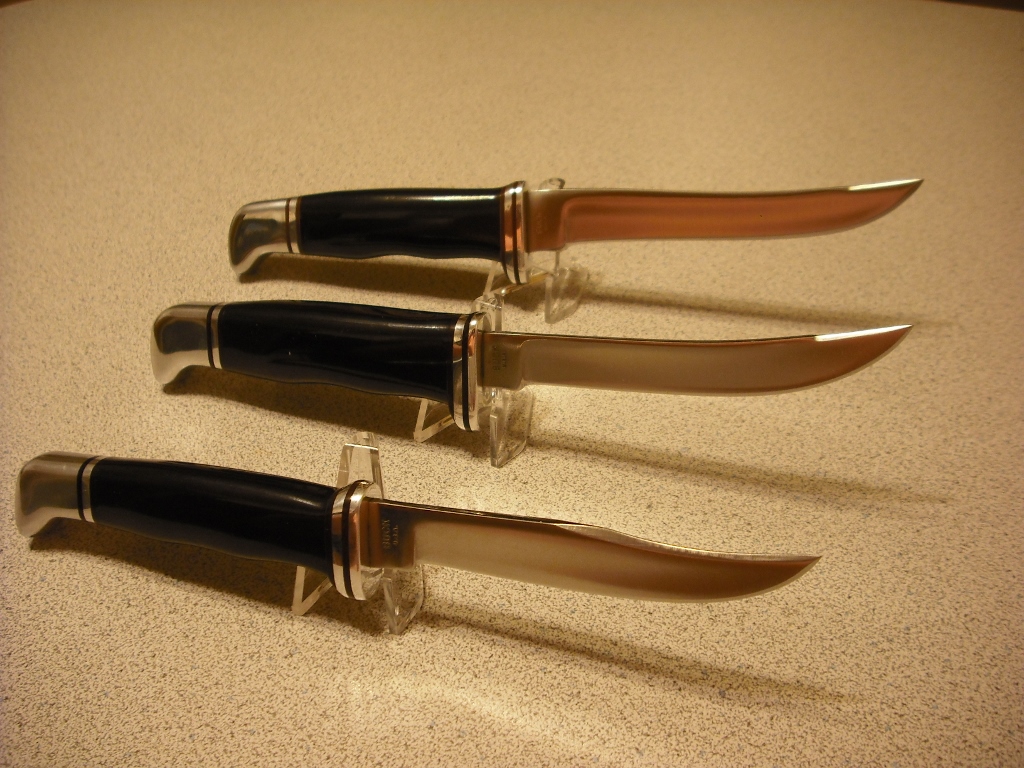.jpg)
Credit: www.knifetalkforums.com
Blade Design
The blade design plays a big role in choosing between the Buck 105 and 118. It affects how the knife cuts, holds sharpness, and feels in hand. Each model has unique features that suit different tasks and users. Understanding the blade design helps pick the right knife for your needs.
Blade Shape And Length
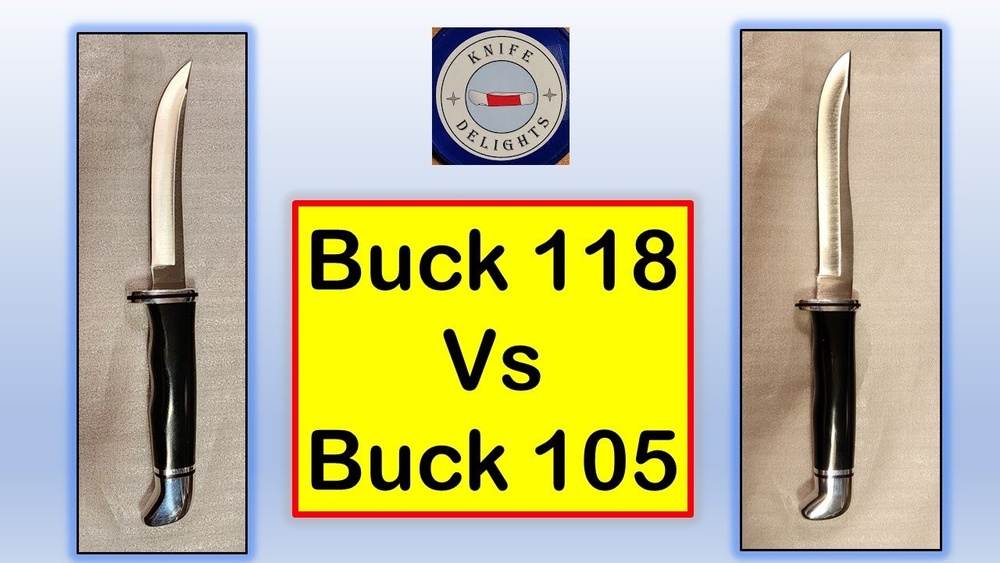
The Buck 105 has a clip point blade shape. This shape offers a sharp tip for detailed work. Its blade length is around 3.75 inches, making it good for everyday tasks.
The Buck 118 has a drop point blade shape. This shape provides a strong tip for tough jobs. Its blade length is about 4 inches, giving more cutting power.
Steel Composition
The Buck 105 uses 420HC steel. This steel is easy to sharpen and resists rust well. It holds an edge decently but may need more frequent sharpening.
The Buck 118 uses 420HC steel too. It shares the same qualities as the 105’s steel. Both knives offer reliable performance with this steel type.
Edge Geometry
The Buck 105 has a flat grind edge. This design allows smooth, precise cuts. It works well for light and medium cutting tasks.
The Buck 118 features a hollow grind edge. This edge type enhances sharpness and slicing ability. It is ideal for clean cuts and tougher materials.
Handle And Grip
The handle and grip of a knife are key for comfort and control. These parts affect how well you use the knife for different tasks. Buck 105 and 118 have different designs in their handles. These differences impact the feel and safety during use. Understanding these can help you pick the right knife.
Material And Texture
The Buck 105 uses a wood handle. It feels smooth but can get slippery when wet. The Buck 118 has a synthetic handle with a textured surface. This makes it easier to hold, even with wet hands. The texture helps stop slipping and improves grip security.
Ergonomics
The Buck 105’s handle shape fits well in the hand. It has a slight curve for comfort. The Buck 118 offers a more contoured grip. Its design supports longer use without hand fatigue. Both knives provide good control but differ in hand fit.
Durability
The wood handle of the Buck 105 may wear over time. It can crack or swell if exposed to water often. The Buck 118’s synthetic handle is tougher. It resists water, impact, and temperature changes. This makes the 118 better for rugged use.
Performance In Tasks
The Buck 105 and 118 knives perform well in many tasks. Each model offers unique strengths. Choosing the right one depends on your daily needs and activities.
Everyday Carry Use
The Buck 105 feels sturdy and reliable in hand. Its size suits daily chores like opening boxes or cutting rope. The knife stays sharp after regular use. The Buck 118 is lighter and easier to carry. It fits well in pockets without feeling bulky. Both knives handle simple tasks with ease.
Outdoor And Survival
The Buck 105 excels in tough outdoor jobs. Its thick blade can handle chopping small branches and cutting tough materials. The strong build adds confidence in survival situations. The Buck 118 is better for light outdoor work. It is easier to control for precise cuts. Both knives offer durability but serve different outdoor needs.
Hunting And Skinning
The Buck 118 is preferred by many hunters. Its slim blade allows for precise skinning and dressing. The sharp edge cuts cleanly through hides. The Buck 105 can do hunting tasks but feels heavier. It works better for field dressing larger game. Each knife suits different parts of the hunting process.
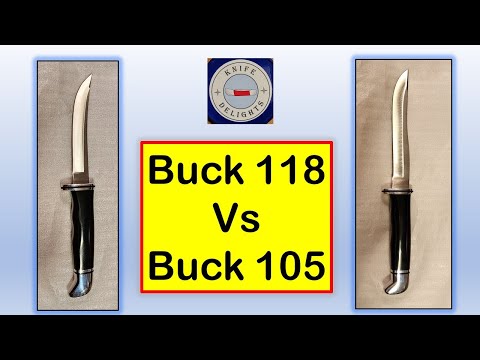
Credit: www.youtube.com
Portability And Weight
Portability and weight are key factors when choosing between the Buck 105 and Buck 118 knives. Carrying a knife comfortably matters a lot, especially for outdoor activities or everyday use. Both knives offer different benefits in size and weight, affecting how easy they are to carry and use.
Size Comparison
The Buck 105 is smaller and lighter than the Buck 118. It has a blade length of about 3.75 inches, making it easy to handle and store. The Buck 118 features a longer blade, around 6 inches, which adds to its weight and size.
The bigger size of the Buck 118 can be useful for tougher tasks. But the smaller Buck 105 fits better in pockets and packs. If you want a knife that does not feel heavy, the Buck 105 is a good choice.
Carrying Options
The Buck 105 usually comes with a clip or sheath for easy carrying. Its compact size allows it to fit in pockets or small pouches comfortably. This makes it handy for everyday carry or light outdoor use.
The Buck 118 often includes a leather sheath for belt carry. This helps hold the knife securely but adds some bulk. Carrying the Buck 118 on a belt is ideal for those who want quick access and do not mind extra weight.
Both knives offer practical options, but the Buck 105 is better for lighter carry. The Buck 118 suits users who need a larger blade and do not mind the added size.
Maintenance And Care
Proper maintenance and care keep your Buck 105 and 118 knives sharp and reliable. Regular cleaning and correct storage extend their life. Both knives need attention to stay effective and safe.
Sharpening Ease
The Buck 105 has a simpler blade shape, making it easier to sharpen. Its drop-point design allows smooth strokes on sharpening stones. The Buck 118 has a clip-point blade, which can be tricky to sharpen. The narrow tip needs careful attention to avoid damage. For beginners, the 105 is more forgiving during sharpening.
Rust Resistance
Both knives use stainless steel, which resists rust well. The Buck 105 uses 420HC steel with good rust protection. The Buck 118 features 420HC steel too but with a different finish. Both need drying after use, especially in wet conditions. Applying a light oil coat helps prevent rust. Proper care keeps the blades shiny and corrosion-free.
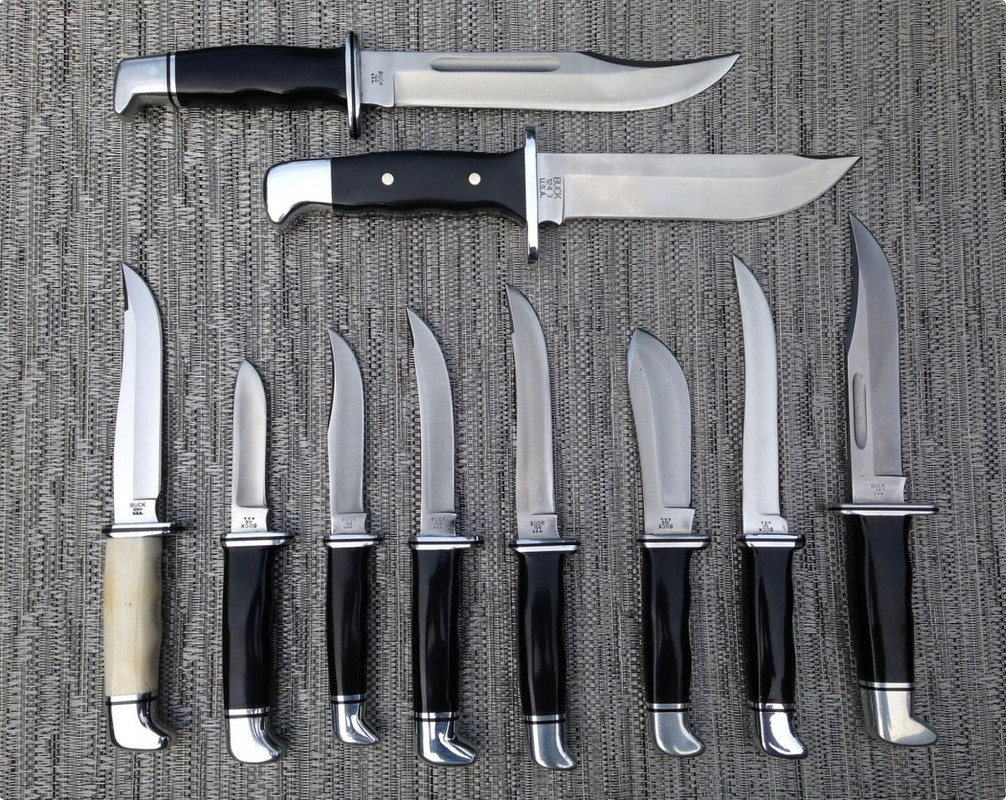
Credit: www.bladeforums.com
Price And Value
Price and value are key factors when choosing between the Buck 105 and Buck 118 knives. Both models offer quality, but their costs and long-term benefits differ. Understanding these differences helps buyers make smart decisions.
Cost Differences
The Buck 105 is generally less expensive than the Buck 118. This makes it a good choice for those on a tighter budget. The 118 has a higher price due to its larger size and extra features. Price varies by retailer and any included accessories. Buyers should check current prices before deciding.
Long-term Investment
Both knives are built to last many years. The Buck 118’s size and blade type suit heavy tasks better. This could save money on replacements. The Buck 105 is lighter and easier to carry daily. Its value lies in convenience and versatility. Choosing the right knife depends on how you plan to use it over time.
User Feedback
User feedback plays a key role in understanding the real value of Buck 105 and 118 knives. It reveals how these knives perform in daily use. Users share their honest thoughts on strengths and weaknesses. This helps potential buyers make informed choices.
Pros And Cons
Many users praise the Buck 105 for its strong build and sharp blade. It feels solid and reliable in hand. The knife is easy to carry and use for everyday tasks. Some users mention the handle could be more comfortable for long use.
The Buck 118 is loved for its classic design and sharp edge. It offers a good grip and excellent cutting power. People find it great for outdoor activities like hunting. Some users note the blade can be a bit heavy for small tasks.
Popular Opinions
Users often say the Buck 105 suits those who want a compact, sturdy knife. It fits well in pockets and backpacks. Many recommend it for general use and small jobs.
The Buck 118 is popular among outdoor lovers and hunters. Its larger size appeals to those needing a tougher blade. People say it performs well in rough conditions and heavy cutting.
Frequently Asked Questions
What Are The Main Differences Between Buck 105 And 118?
Buck 105 is a fixed blade with a 3. 8-inch blade, ideal for everyday tasks. Buck 118 is a folding knife with a 3. 5-inch blade, designed for portability and general use. The 105 offers durability, while the 118 provides convenience.
Which Knife Is Better For Outdoor Activities?
Buck 105 is better for outdoor use due to its fixed blade strength. It handles tougher tasks like cutting wood or preparing food. Buck 118 suits lighter tasks and quick access, making it less ideal for heavy outdoor work.
How Do Buck 105 And 118 Differ In Blade Design?
Buck 105 features a clip point fixed blade, offering precision and strength. Buck 118 has a clip point folding blade, balancing sharpness with portability. Both blades use high-quality steel but serve different purposes due to their design.
Is The Buck 118 More Portable Than Buck 105?
Yes, Buck 118 is more portable because it is a folding knife. It easily fits in pockets and is safer to carry. Buck 105, being fixed blade, requires a sheath and is bulkier to carry around.
Conclusion
Choosing between the Buck 105 and 118 depends on your needs. The 105 is smaller and lighter, good for everyday tasks. The 118 is bigger and stronger, better for heavy use. Both knives offer quality and durability. Think about what you will use it for most.
Either choice gives you a reliable tool. Simple, practical, and built to last. Your decision comes down to size and strength preferences. Both are solid picks for any knife user.