Buck 102 Vs 105: Ultimate Comparison for Knife Enthusiasts
Are you torn between the Buck 102 and Buck 105 knives? Choosing the right tool can make all the difference in your outdoor adventures or everyday tasks.
Both knives have strong features, but which one fits your needs best? You’ll discover the key differences that matter most to you. By the end, you’ll feel confident picking the knife that suits your style and purpose perfectly. Keep reading to find out which Buck knife deserves a spot in your collection.
Blade Design
The blade design plays a big role in how a knife performs. It affects cutting ability, strength, and ease of use. Both Buck 102 and 105 have unique blade designs suited for different tasks. Understanding their blade shape, steel quality, and size helps choose the right one for you.
Blade Shape And Style
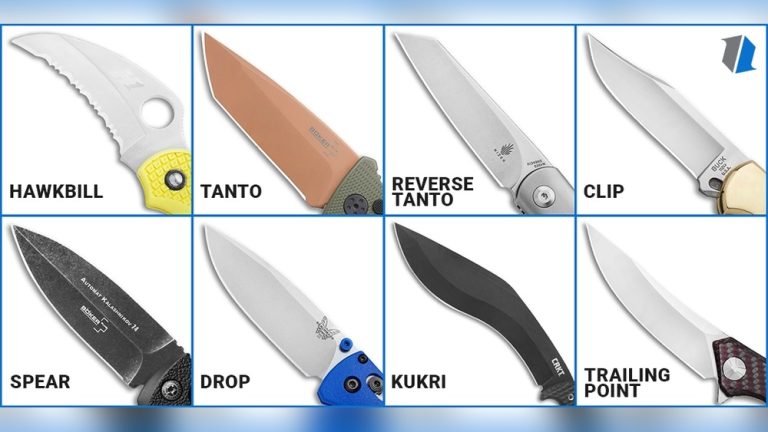
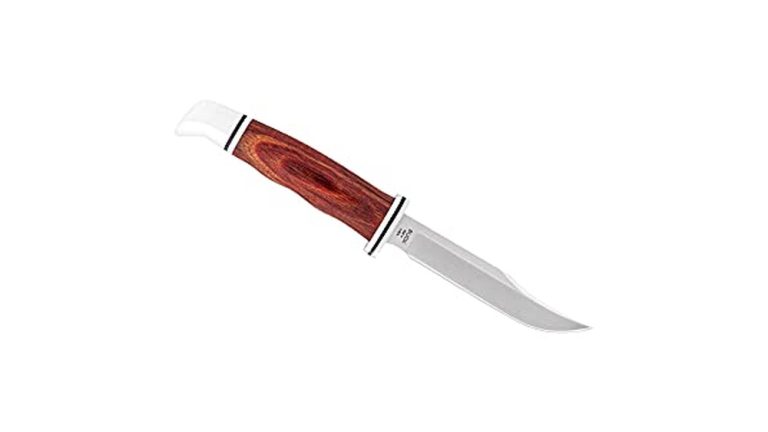
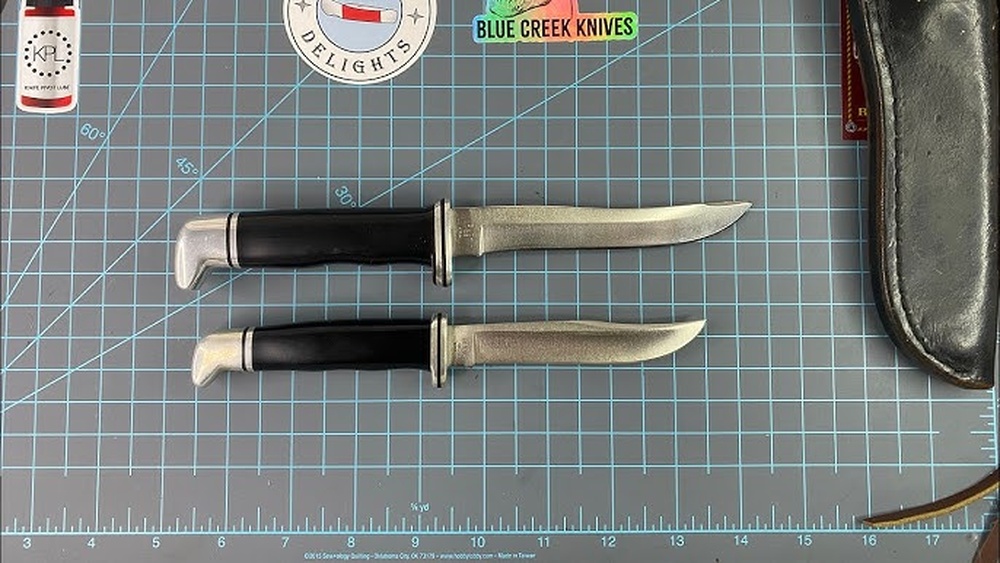
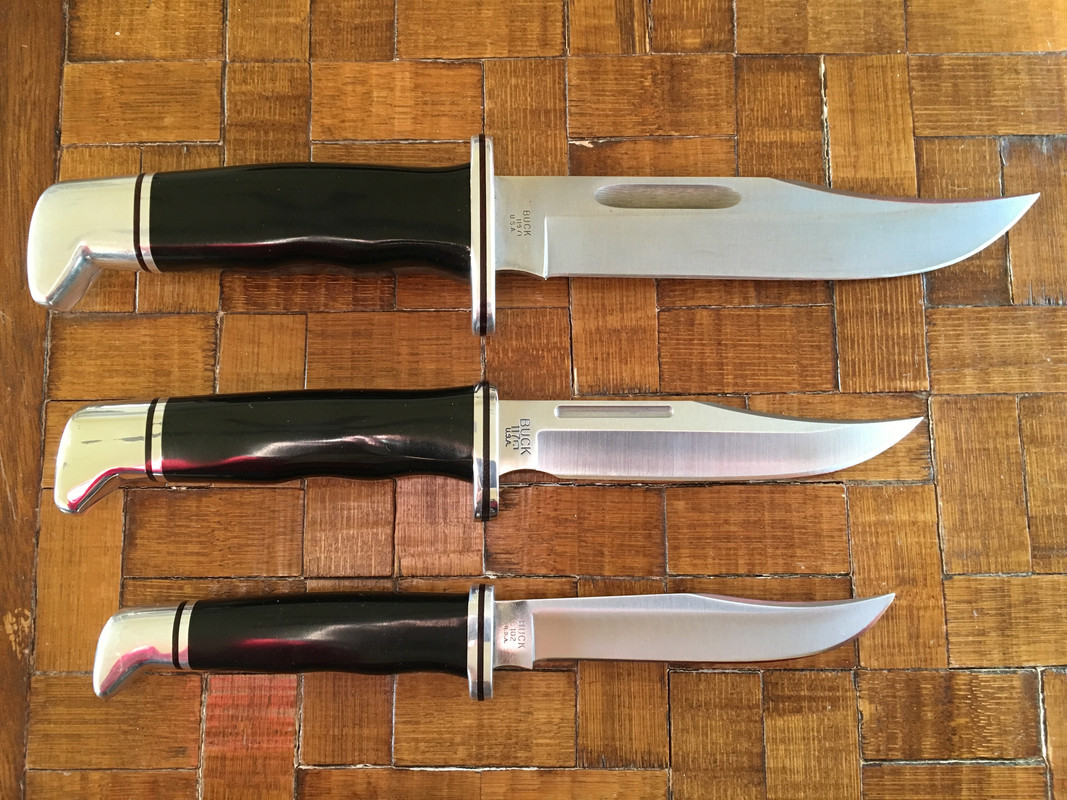
The Buck 102 features a drop point blade. This shape offers a strong tip and wide cutting edge. It is great for precise cuts and control. The Buck 105 has a clip point blade. This style has a sharp, narrow tip. It excels at detailed work and piercing. Both shapes are classic and popular in hunting knives.
Steel Quality And Durability
Buck 102 uses 420HC steel. It resists rust and holds an edge well. The Buck 105 also uses 420HC steel but with a thicker blade. This adds strength and durability. Both knives can handle tough tasks without bending or breaking. Steel quality ensures long-lasting sharpness and easy maintenance.
Blade Thickness And Length
The Buck 102 blade is about 3.5 inches long and thinner. This makes it lighter and easier to carry. The Buck 105 has a blade around 4 inches long and thicker. It offers more power for heavy cutting jobs. Blade length and thickness affect weight and cutting strength. Choose based on your needs and comfort.
Credit: www.allaboutpocketknives.com
Handle Features
The handle plays a big role in the overall use of a knife. It affects how the knife feels and performs. Buck 102 and 105 offer distinct handle features. These differences impact grip, comfort, and style. Let’s explore the details.
Material And Grip
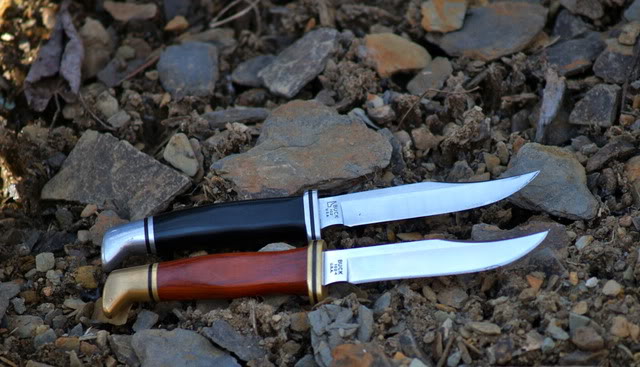
Buck 102 features a wooden handle, often made from walnut. Wood gives a natural feel and a solid grip. It can get slippery when wet but offers warmth in hand.
Buck 105 uses a synthetic material called Kraton. This rubber-like material provides a firm, non-slip grip. It works well in wet or cold conditions. The grip feels secure and steady during use.
Ergonomics And Comfort
The Buck 102 handle has a simple, straight shape. It fits well in medium to large hands. The wood handle is smooth but may feel hard after long use.
Buck 105’s handle is shaped to fit the hand better. It has curves that follow finger placement. The Kraton material cushions the hand. This design reduces fatigue during long tasks.
Aesthetic Differences
The Buck 102 shows a classic, traditional look. Its polished wood looks elegant and timeless. It appeals to those who like vintage style.
Buck 105 looks modern and rugged. The black synthetic handle contrasts with the blade. It gives a tactical, practical appearance for outdoor use.
Performance And Use
The performance and use of Buck 102 and 105 knives differ in several key areas. Both knives serve specific purposes, and understanding these helps in choosing the right one. This section breaks down their cutting power, weight, and best uses.
Cutting Efficiency
Buck 102 offers precise cuts with its narrower blade. It excels at tasks needing fine control.
Buck 105 has a thicker blade, giving it more power for tougher materials. It cuts through heavier tasks with less effort.
Weight And Balance
Buck 102 is lighter, making it easy to handle for long periods. Its balance favors detailed work.
Buck 105 is heavier, which adds strength but can tire the hand faster. Its weight helps in strong, forceful cuts.
Suitability For Tasks
Buck 102 suits detailed jobs like skinning and carving small game. It works well for delicate cutting.
Buck 105 fits broader tasks such as chopping and heavier outdoor use. It handles rough cutting better.
Locking Mechanisms
The locking mechanism is a key feature in knives. It keeps the blade safe and secure during use. Understanding the locking system helps you choose the right knife. Buck 102 and 105 use different locking types. Each has pros and cons for safety and ease of use.
Lock Type Comparison
Buck 102 uses a lockback mechanism. It has a notch on the spine that locks the blade. To close, press the back lever to release the lock.
Buck 105 uses a liner lock system. A metal liner inside the handle holds the blade open. Push the liner to the side to unlock and close.
Lockback is simple and strong. Liner lock is faster and easier to operate with one hand.
Safety And Reliability
Lockback knives rarely close by accident. The locking bar holds the blade firmly. This design is reliable during heavy tasks.
Liner locks offer quick blade deployment. They are safe if used correctly but can wear over time. Regular care keeps liner locks dependable.
Both locks provide good safety. Choose based on your comfort and how you use the knife.
Maintenance And Care
Maintaining your Buck 102 or 105 knife keeps it sharp and ready. Proper care extends the knife’s life. Regular attention prevents damage and rust. Both models need some care, but their features affect how easy that is.
Sharpening Ease
The Buck 102 is easier to sharpen. Its simpler blade shape helps maintain a good edge. You can sharpen it with basic tools. The 105 has a more complex blade design. It needs more skill or a special sharpener. Both blades hold sharp edges well after proper sharpening.
Corrosion Resistance
The Buck 105 has better corrosion resistance. It uses stainless steel that fights rust effectively. This means less frequent cleaning and oiling. The Buck 102 needs more care to avoid rust. Regular cleaning and drying are necessary. Applying light oil after use keeps both knives in good shape.

Credit: www.youtube.com
Price And Value
Price and value play a big role in choosing between Buck 102 and 105. Both knives offer strong features, but their costs differ. Understanding their price and what you get helps make a smart choice. A good knife should fit your budget and last a long time.
Cost Comparison
Buck 102 usually costs less than Buck 105. The 102 is a classic folding knife with simpler parts. The 105 has a bigger blade and more metal, raising its price. Buyers pay more for the 105’s size and build. Choosing the right knife depends on how much you want to spend and what you need it for.
Warranty And Support
Both Buck 102 and 105 come with Buck’s lifetime warranty. This means the company will fix or replace the knife if it breaks. The warranty shows Buck’s trust in their product quality. Customer support is easy to reach. This gives buyers confidence in their purchase and long-term value.
User Feedback
User feedback reveals how real users feel about Buck 102 and 105. Reviews show strengths and weaknesses from everyday use. This insight helps to understand which model suits different needs.
Popular Opinions
Many users praise Buck 102 for its light weight and easy handling. It fits well in small hands and feels balanced. Buck 105 gets compliments for its strong build and sharp blade. Users like how it holds an edge longer.
Both models receive high marks for their comfortable grip and stylish design. People find them reliable for daily tasks and outdoor use. The safety locks also get positive mentions for secure use.
Common Complaints
Some users find Buck 102’s blade a bit too thin for heavy work. They say it can bend or dull faster. Buck 105 is sometimes called too heavy for long carry. A few mention the locking mechanism can be stiff at first.
Both knives have occasional reports of blade play after long use. Some wish the handle had more texture for a better grip. These points show room for improvement in both models.
Credit: www.bladeforums.com
Frequently Asked Questions
What Are The Key Differences Between Buck 102 And 105?
Buck 102 is a lightweight fixed blade knife, ideal for everyday carry. Buck 105 is a larger hunting knife with a heavier blade. Both offer durability, but 105 suits heavy-duty tasks while 102 fits casual use better.
Which Knife Is Better For Hunting, Buck 102 Or 105?
Buck 105 is better for hunting due to its larger, stronger blade. It excels at skinning and processing game. Buck 102 is more suited for light outdoor tasks or general use.
How Do Buck 102 And 105 Compare In Blade Material?
Both knives use high-quality stainless steel for durability and rust resistance. Buck 102 typically features 420HC steel, while Buck 105 uses 420HC or 420J steel. Both offer good edge retention suitable for their intended uses.
Is Buck 102 Or 105 More Suitable For Everyday Carry?
Buck 102 is more suitable for everyday carry due to its compact size and lighter weight. Buck 105 is bulkier and better for outdoor or hunting purposes, not ideal for daily use.
Conclusion
Both Buck 102 and 105 offer strong features for everyday use. Buck 102 is lighter and easier to carry. Buck 105 feels solid and works well for tough tasks. Choose based on your needs and preferences. Small size or extra strength?
Both knives provide good value. Think about what matters most to you. Either way, you get a reliable, sharp tool. Simple, practical, and ready for action.