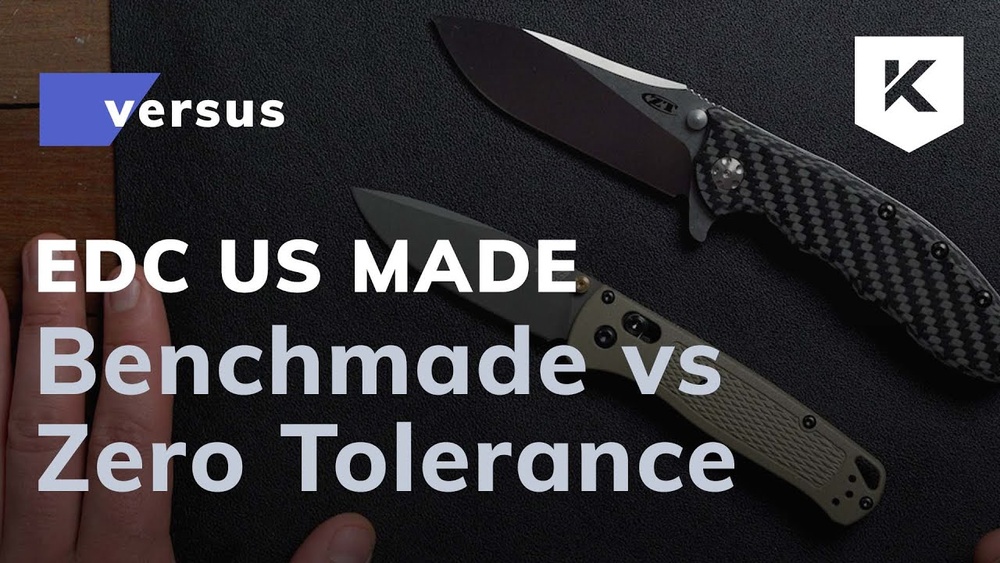
Benchmade Vs Zero Tolerance: Ultimate Knife Showdown 2025
When it comes to choosing the perfect knife, you want something reliable, sharp, and built to last. But with so many brands out there, how do you decide?
If you’re stuck between Benchmade and Zero Tolerance, you’re not alone. Both offer top-quality knives, but they serve different needs and styles. This guide will help you understand the key differences, so you can find the knife that fits your lifestyle perfectly.
Ready to make the right choice? Let’s dive in and break down everything you need to know about Benchmade vs Zero Tolerance.
Credit: www.knivesandtools.com
Brand Histories
Understanding the histories of Benchmade and Zero Tolerance helps to see their strengths. Both brands have unique stories that shaped their knives. Their backgrounds influence design, quality, and customer trust.
Benchmade Origins
Benchmade started in 1988 in Oregon. It began as Bali-Song, focused on butterfly knives. The company changed its name to Benchmade to reach a wider market. Benchmade built a reputation for precision and durability. It uses high-quality steel and solid materials. The brand serves outdoor enthusiasts, collectors, and professionals.
Zero Tolerance Beginnings
Zero Tolerance launched in 2006 under Kai USA. It aimed to make tough knives for hard use. The brand focuses on heavy-duty, reliable tools. It works closely with top knife designers. Zero Tolerance knives often feature strong locking systems and sharp blades. The brand targets tactical users and serious knife fans.
Design Philosophy
Design philosophy shapes how a knife looks and works. It guides every choice, from blade shape to handle material. Benchmade and Zero Tolerance each follow a unique path. Their designs reflect different goals and styles. Understanding these philosophies helps buyers pick the right knife.
Benchmade’s Style
Benchmade focuses on balance and comfort. Their knives often have sleek, smooth lines. The design aims for easy handling and long use. They use lightweight materials to reduce fatigue. Many models include ergonomic grips for better control. Benchmade blends form with function carefully. The look is modern but not too flashy. Their knives suit both everyday tasks and outdoor adventures.
Zero Tolerance’s Approach
Zero Tolerance builds knives for strength and durability. Their designs look bold and tough. Heavy-duty materials like steel and titanium are common. The knives feel solid and rugged in hand. Zero Tolerance favors aggressive shapes for hard work. They often include features for tactical use. The style is more industrial and robust. These knives aim to perform well in extreme conditions.
Blade Materials
Blade materials play a big role in knife performance. They affect sharpness, strength, and how long the blade lasts. Benchmade and Zero Tolerance choose top-quality steels for their knives. Each brand uses different types of steel to meet various needs. Understanding these steel types helps pick the right knife.
Steel Types Used By Benchmade
Benchmade uses a mix of steels for strength and sharpness. One popular steel is CPM-S30V. It offers good edge retention and resists rust well. Another choice is CPM-20CV, known for high hardness and corrosion resistance. Benchmade also uses D2 steel in some models. D2 is tough and holds an edge but can rust if not cared for.
For more affordable options, Benchmade often uses 154CM steel. It balances sharpness and durability. Some knives feature premium steels like CPM-S90V for extreme edge retention. Benchmade selects steels based on the knife’s purpose and price range.
Steel Choices In Zero Tolerance
Zero Tolerance knives use very tough steels. One common steel is CPM-S35VN. It offers strong edge retention with good corrosion resistance. Another popular steel is CPM-20CV, used in many high-end models. This steel is hard and very resistant to rust.
Zero Tolerance also uses CTS-204P steel. This steel is known for toughness and sharpness. Some models feature CPM-S110V steel, which holds a sharp edge for a long time. Zero Tolerance focuses on steels that suit heavy use and tough conditions.
Handle Materials And Ergonomics
The handle of a knife plays a big role in how it feels and works. Good materials make the handle strong and light. The shape of the handle helps the knife fit well in your hand. This means less slip and more control. Both Benchmade and Zero Tolerance use quality materials. They focus on comfort and grip. This section looks at their handle materials and ergonomics.
Benchmade Handle Options
Benchmade uses materials like G10, aluminum, and carbon fiber. G10 is a tough plastic that grips well even when wet. Aluminum handles feel solid and look sleek. Carbon fiber is light and very strong. Benchmade shapes their handles to fit the hand naturally. They add curves and finger grooves for better hold. The designs aim for long-term comfort. You can use the knife for hours without pain. Benchmade also adds textured surfaces to stop slipping.
Zero Tolerance Handle Features
Zero Tolerance often uses titanium and carbon fiber. Titanium is very strong and light. It also resists rust and scratches. Carbon fiber handles are stylish and firm. Zero Tolerance handles usually have a rough texture. This helps keep a steady grip in all conditions. Their shapes are bold and sturdy. The knives feel solid in hand and ready for tough use. Zero Tolerance focuses on a secure hold for hard tasks. They balance comfort with durability well.
Locking Mechanisms
Locking mechanisms are crucial for folding knives. They keep the blade safe and secure during use. A strong lock prevents the blade from closing by mistake. Both Benchmade and Zero Tolerance use reliable locking systems. Each brand offers unique features that suit different needs.
Benchmade Lock Types
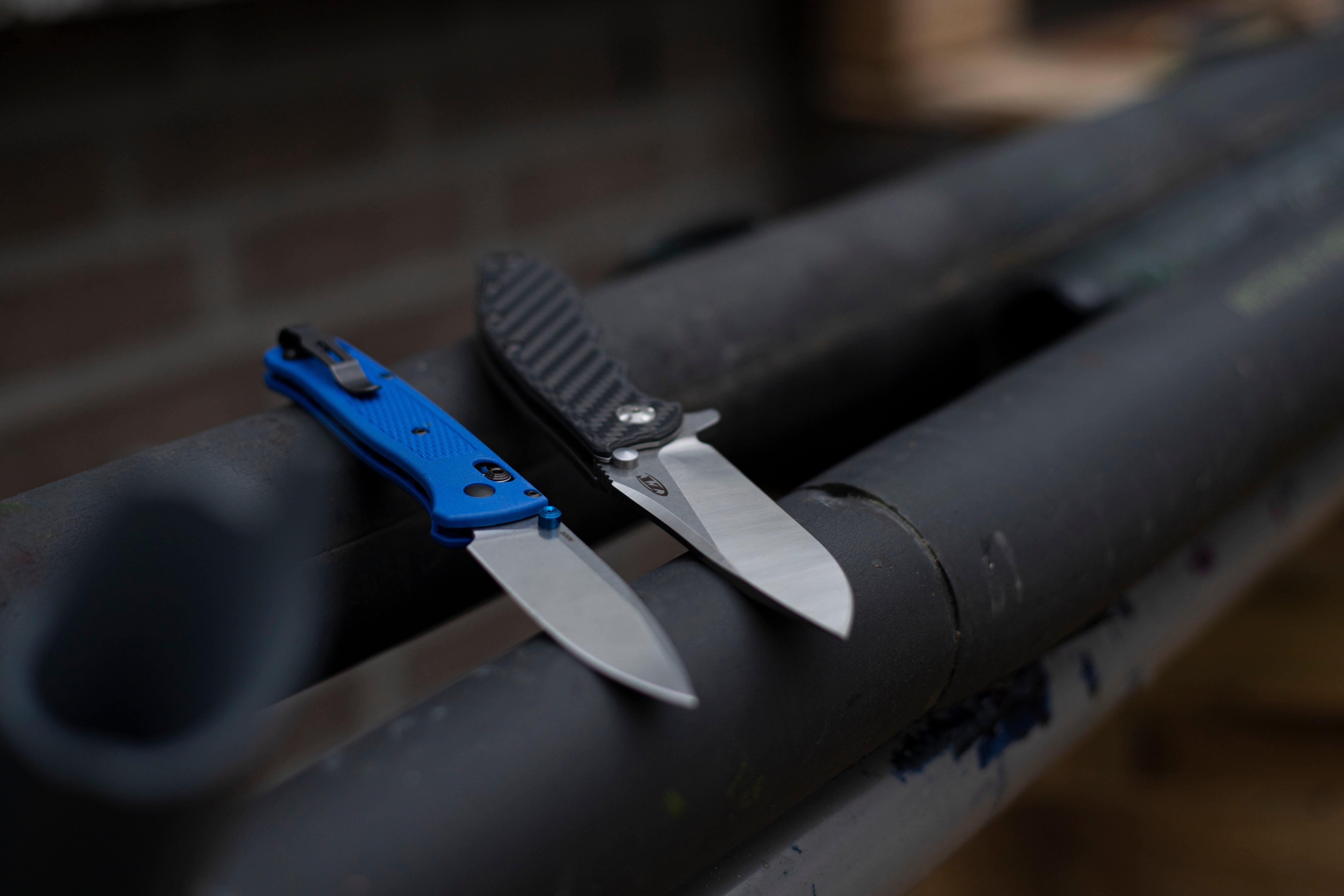
Benchmade mostly uses the Axis Lock. This lock has a small bar that slides to lock the blade open. It works smoothly and is easy to use with one hand. The Axis Lock is very strong and holds the blade firmly in place.
Some Benchmade knives use other locks like the Lockback or the Compression Lock. The Lockback has a lever on the back of the handle that you press to release. The Compression Lock uses a strong piece that fits into a notch on the blade. Both are safe and reliable.
Zero Tolerance Lock Systems
Zero Tolerance mainly uses the Frame Lock. The handle itself acts as the lock by pressing against the blade. This system is very tough and can handle heavy use. The Frame Lock is simple but strong, popular among hard users.
Some Zero Tolerance knives also use the Lockback style lock. It offers a secure hold and is easy to operate. Their focus is on durability and strength in every locking mechanism they use.
Credit: www.knivesandtools.com
Performance And Durability
Performance and durability are key factors for anyone choosing between Benchmade and Zero Tolerance knives. Both brands offer strong, reliable tools built to last. Their knives are designed for tough use, from everyday tasks to outdoor adventures.
Understanding how these knives perform in real situations helps buyers decide which brand fits their needs best. Durability ensures the knife stays sharp and sturdy over time. This section explores how both brands hold up under pressure.
Field Testing Results
Tests show Benchmade knives handle cutting and slicing tasks with ease. Their blades stay sharp after heavy use. The handle grip provides good control, even in wet conditions.
Zero Tolerance knives excel in strength. They resist chipping and bending during tough jobs. Their robust build makes them ideal for demanding environments. Both brands proved reliable in field tests but differed in weight and balance.
User Feedback And Reviews
Users praise Benchmade for its comfortable grip and smooth blade action. Many note the knives feel lighter and easier to carry daily. Some mention the price is higher but worth the quality.
Zero Tolerance receives high marks for toughness and edge retention. Users say these knives stand up to hard use without damage. A few find them heavier but appreciate the solid feel. Overall, customer reviews highlight durability and strong performance for both brands.
Price Comparison
Price plays a big role when choosing between Benchmade and Zero Tolerance knives. Both brands offer quality, but their prices vary depending on the model. Comparing their costs helps buyers find the right knife within their budget. Let’s explore how their prices differ for entry-level and premium options.
Entry-level Models
Benchmade entry-level knives usually start around $100. These models balance quality and price well. They are good for everyday use and beginners.
Zero Tolerance’s entry-level knives are often priced slightly higher, starting near $120. They focus on tough materials and strong build. This means extra durability but a higher price tag.
Both brands offer reliable entry models. Benchmade is a bit more affordable for starters. Zero Tolerance invests in stronger designs for users needing more rugged knives.
Premium Offerings
Benchmade premium knives can cost $200 or more. These include advanced features and top-quality materials. They attract collectors and professionals.
Zero Tolerance premium knives often exceed $250. They emphasize heavy-duty use and innovative designs. These knives are suited for hard tasks and serious users.
Zero Tolerance tends to price their premium knives higher. Benchmade offers a wider range of prices in this category. Both brands deliver excellent value for the price paid.
Popular Models To Consider
Choosing the right knife depends on the model and features. Both Benchmade and Zero Tolerance offer excellent options. Each brand has knives that suit different needs and styles. Below are some popular models to consider for your collection or daily use.
Top Benchmade Knives
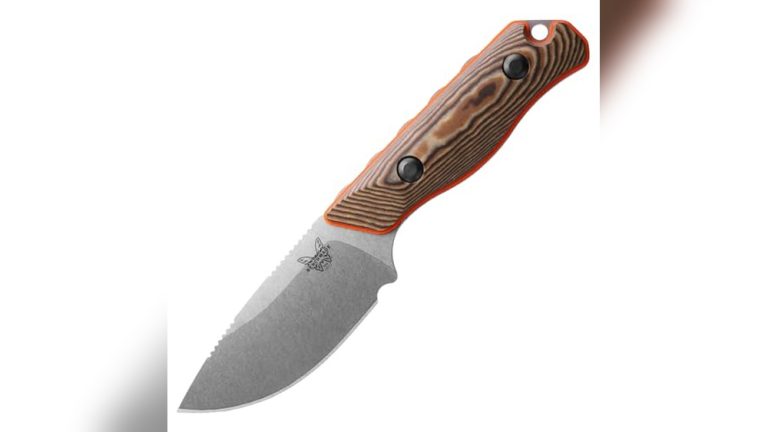
Benchmade is known for its quality and precision. The Benchmade 940 is a favorite for its sleek design and strong blade. The Griptilian offers a comfortable grip and reliable performance. The Bugout is lightweight and perfect for outdoor activities. Each model has unique features that appeal to different users.
Top Zero Tolerance Knives
Zero Tolerance knives focus on toughness and durability. The ZT 0350 has a robust blade and solid handle. The ZT 0450 is thin and easy to carry daily. The ZT 0801 offers a large blade for heavy tasks. These models deliver strength and reliability for tough jobs.
Customization And Warranty
Customization and warranty are key factors for many knife buyers. They want knives that fit their style and last long. Both Benchmade and Zero Tolerance offer services to meet these needs. These brands stand out for their quality and customer care. Understanding their options helps you choose the right knife.
Benchmade Services
Benchmade offers a custom knife program called Benchmade Custom. Buyers can select blade shape, handle material, and finish. This lets users create a knife that suits their taste and needs.
Benchmade also provides a limited lifetime warranty. It covers defects in materials and craftsmanship. They repair or replace knives free of charge. The warranty does not cover damage from misuse or normal wear.
Zero Tolerance Support
Zero Tolerance focuses on rugged, high-performance knives. They offer limited customization options through select models. Some knives come with different finishes or handle colors.
Zero Tolerance includes a lifetime warranty. It protects against defects in materials and workmanship. Repairs or replacements are handled promptly. The warranty excludes damage from accidents or misuse.

Credit: www.reddit.com
Choosing The Right Knife
Choosing the right knife can change your daily tasks and outdoor activities. Both Benchmade and Zero Tolerance offer strong, reliable knives. Picking the best fit depends on how you plan to use the knife and what you like most. Understanding your needs and preferences helps make the choice clear.
Intended Use Cases
Think about what you need the knife for. Benchmade knives often suit everyday tasks and light outdoor use. Their blades are sharp and easy to handle. Zero Tolerance knives are built tougher for heavy-duty jobs. They work well for hard use like cutting through thick materials. Choose a knife that matches your main activities. For casual use, Benchmade fits well. For strong, rough tasks, Zero Tolerance is a good pick.
Personal Preferences
Handle design and weight matter a lot. Benchmade offers comfortable grips and lighter knives. This makes them easy to carry all day. Zero Tolerance knives feel solid and heavier in hand. Some prefer this for better control and strength. Blade style and opening mechanisms also differ. Pick what feels natural to you. Your comfort with the knife improves your experience.
Frequently Asked Questions
What Are The Key Differences Between Benchmade And Zero Tolerance?
Benchmade focuses on versatile, everyday knives with premium materials. Zero Tolerance offers heavy-duty, tactical designs. Benchmade emphasizes aesthetics and user comfort, while Zero Tolerance prioritizes durability and robustness. Both brands deliver excellent quality but target different user needs.
Which Brand Offers Better Knife Durability, Benchmade Or Zero Tolerance?
Zero Tolerance knives are known for superior durability and toughness. They use thicker blades and stronger steel. Benchmade knives are durable but lean towards precision and lighter use. For rugged tasks, Zero Tolerance is often preferred.
Are Benchmade Knives More Affordable Than Zero Tolerance Knives?
Benchmade knives generally have a wider price range, including more affordable models. Zero Tolerance knives are usually priced higher due to premium materials and heavy-duty design. Pricing depends on the knife model and features.
Which Brand Is Better For Everyday Carry Knives?
Benchmade excels in creating comfortable, lightweight everyday carry (EDC) knives. Their designs focus on usability and style. Zero Tolerance knives are bulkier and better suited for tough tasks. For daily use, Benchmade is often favored.
Conclusion
Both Benchmade and Zero Tolerance make strong, reliable knives. Each brand offers different styles and features to fit your needs. Benchmade focuses on precision and smooth operation. Zero Tolerance builds tough, heavy-duty blades for hard use. Choose the one that feels right in your hand.
Think about where and how you will use the knife. Either choice will give you quality and performance. The final pick depends on your personal taste and needs. Simple. Clear. Practical.