Benchmade Bugout Vs Osborne: Ultimate Lightweight Knife Showdown
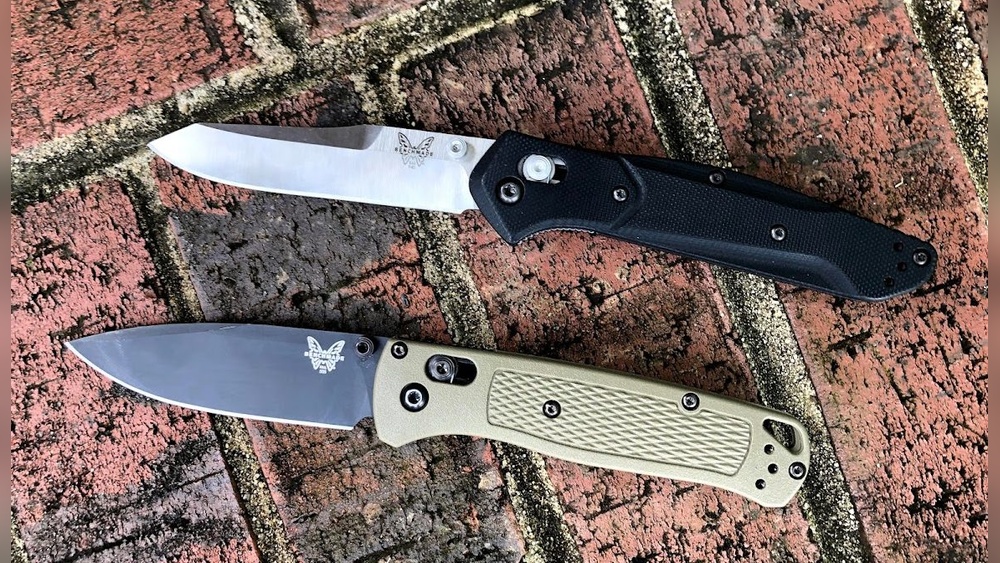
If you’re searching for a reliable, sharp, and comfortable folding knife, you’ve probably come across the Benchmade Bugout and the Osborne. Both knives have earned a strong reputation, but which one truly fits your needs?
Choosing between these two isn’t just about specs—it’s about how the knife feels in your hand, how it performs in real life, and how it matches your everyday tasks. Keep reading, and by the end, you’ll know exactly which knife deserves a place in your pocket.
Design And Build
The design and build of a knife affect its use and feel. Benchmade Bugout and Osborne both have strong designs. Each focuses on different needs and preferences. Understanding their build helps you choose the right one.
Both knives offer durability and style. Yet, their materials and shape set them apart. The choice depends on what you want in a knife.
Blade Materials And Shapes
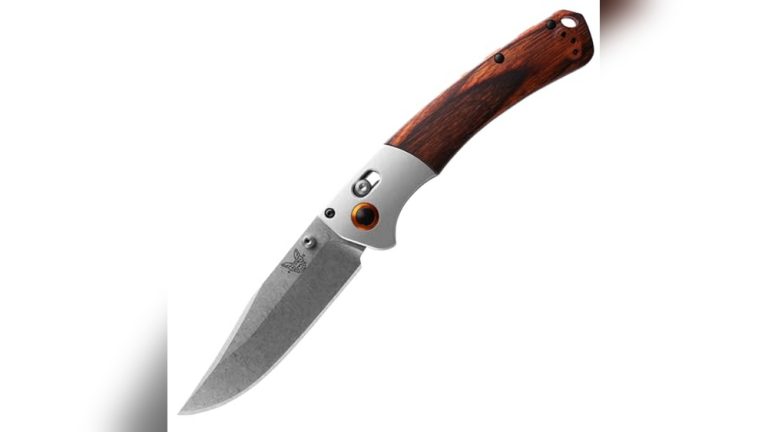
Bugout uses CPM-S30V steel. It is tough and resists rust well. Osborne uses 20CV steel, known for edge retention and hardness. Both hold a sharp edge for a long time.
The Bugout has a drop-point blade. This shape is good for general use and control. Osborne features a drop-point blade too but with a thicker edge. This makes it better for tougher tasks.
Handle Construction And Ergonomics
Bugout’s handle is made from lightweight Grivory. It feels smooth and comfortable in hand. Osborne’s handle uses G10 material. It offers a stronger grip, even when wet.
The Bugout handle is slim and fits small hands well. Osborne has a wider handle for a solid hold. Both designs reduce hand fatigue during use.
Weight And Dimensions
Bugout is very light, weighing about 1.85 ounces. This makes it easy to carry all day. Osborne is heavier at around 3.9 ounces. It feels more balanced for heavy tasks.
Bugout’s blade length is 3.24 inches, perfect for light work. Osborne’s blade is 3.8 inches, offering more cutting power. Both knives fold to a compact size for easy storage.
Performance In Everyday Tasks
The Benchmade Bugout and Osborne knives both perform well in everyday tasks. Each offers unique strengths suited for daily use. Understanding their performance helps in choosing the right knife.
Cutting Efficiency
The Bugout features a thin, sharp blade that slices smoothly. It excels in light cutting tasks like opening packages or slicing fruit. The Osborne has a thicker blade, good for tougher jobs. It cuts through rope and wood more easily. Both knives handle daily cutting tasks with ease.
Durability And Edge Retention
The Osborne’s blade is thicker and stronger. It holds its edge longer during heavy use. The Bugout is lighter but may dull faster with tough cutting. Both blades are made from quality steel that resists rust. The Osborne suits users needing a tough, long-lasting blade.
Ease Of Maintenance
The Bugout cleans and sharpens quickly due to its thin blade. It requires less effort to keep sharp. The Osborne needs more care because of its thicker blade. Both knives disassemble easily for deep cleaning. Regular maintenance keeps them ready for daily use.
Portability And Carry Options
Portability is key when choosing a pocket knife for daily use. Both the Benchmade Bugout and Osborne offer strong options for easy carry. Their design focuses on comfort and quick access. Let’s explore how each handles portability and carry options.
Pocket Clip Design
The Bugout features a slim, lightweight clip. It sits low on the pocket, reducing bulk. The clip is reversible for right or left hand use. The Osborne clip is thicker and sturdier. It offers strong grip on fabric but adds slight weight. The clip is also reversible but less subtle in pocket.
Carry Comfort
The Bugout excels with its lightweight frame. It feels almost weightless during long carry. Its slim profile prevents pocket bulge and discomfort. The Osborne is heavier but well balanced. It may feel noticeable in tight pockets. Both knives fit comfortably but differ by user preference.
Accessibility
The Bugout opens quickly with its thumb stud. It allows one-handed deployment with ease. The Osborne uses a thumb hole for opening. It requires a bit more effort but is reliable. Both knives lock securely and release smoothly. Quick access is possible with either model.
Locking Mechanism And Safety
The locking mechanism is a key feature in any folding knife. It keeps the blade secure during use. Safety depends on how well this lock works. The Benchmade Bugout and Osborne use different locks. Each offers unique benefits for everyday tasks.
Lock Type Comparison
The Benchmade Bugout uses the AXIS lock. This lock uses a small bar that slides into place. It holds the blade firmly. The Osborne uses the Lockback style. It has a lever on the back that locks the blade. Both locks are strong but work differently.
Reliability And Security
The AXIS lock is known for smooth action. It stays strong even with heavy use. Dirt and dust rarely affect it. The Lockback lock is simple and reliable. It provides a solid lock but can wear over time. Both keep the blade from folding by accident.
User Experience
The AXIS lock opens easily with one hand. Many users find it quick and safe. The Lockback lock needs two hands to close safely. Some prefer its tactile click. Both locks give confidence during use. Comfort and ease depend on user preference.
Price And Value
Price and value play a big role when choosing between the Benchmade Bugout and the Osborne. Both knives offer quality and durability. Yet, their price points and features affect their overall worth differently. Understanding these differences helps buyers pick the right knife for their needs and budget.
Cost Differences
The Benchmade Bugout usually costs more than the Osborne. Bugout’s price reflects its lightweight design and premium materials. Osborne offers a lower price but still provides strong build quality. The cost gap can influence which knife fits your budget better.
Features Vs Price
Bugout features a lighter frame and better corrosion resistance. It uses high-end steel and has a slim profile. Osborne offers a solid, heavier design with good blade steel. Bugout’s extra features justify its higher price for some users. Osborne gives good value for its cost with dependable performance.
Long-term Investment
Both knives last long with proper care. Bugout’s lightweight and corrosion resistance can keep it looking new longer. Osborne’s sturdy build handles rough use well. Choosing a knife is about how you plan to use it over time. Spending more upfront may save money later with fewer replacements.
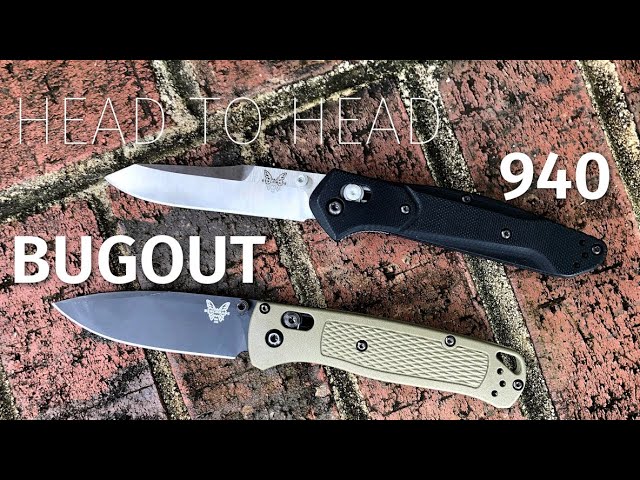
Credit: www.youtube.com
User Feedback And Community Opinions
User feedback and community opinions reveal real experiences with the Benchmade Bugout and Osborne knives. These views help potential buyers understand strengths and weaknesses. Knife users often share their thoughts on forums, reviews, and social media. This section highlights what users praise and criticize. It also discusses the brands’ reputations in the knife community.
Popular Praise
The Benchmade Bugout is loved for its light weight and slim design. Many users say it is easy to carry all day. Its sharp blade and smooth opening get high marks. The Osborne model earns praise for its sturdy build and strong blade. Users like its comfortable handle and solid feel. Both knives have loyal fans who appreciate quality and reliability.
Common Criticisms
Some users find the Bugout’s handle too thin for heavy tasks. A few mention the clip can be loose or bent. Osborne critics point out the knife is heavier and less compact. Some say the blade finish wears quickly. Both knives receive notes about price being higher than average. These issues appear in a small number of reviews.
Brand Reputation
Benchmade has a strong reputation for quality and customer support. Many users trust the brand for everyday carry knives. Osborne is seen as a classic design with a loyal following. The brand stands for durability and craftsmanship. Both brands maintain respect among knife enthusiasts worldwide. Their reputation helps users feel confident in their purchase.
Final Comparison And Recommendations
The final comparison between the Benchmade Bugout and Osborne helps clarify which knife suits your needs best. Both knives have strong points and slight differences. Understanding these can guide your choice.
This section breaks down the best use cases for each knife. It also explains who should pick which model. Lastly, it offers an overall verdict to help you decide with confidence.
Best Use Cases
The Benchmade Bugout is light and easy to carry all day. It works well for outdoor activities like hiking and camping. Its slim design fits well in pockets without feeling bulky.
The Osborne offers a sturdy feel and strong locking system. It suits daily tasks like cutting boxes or opening packages. The blade shape also helps with precise cutting jobs.
Who Should Choose Which
Choose the Bugout if you want a lightweight, simple knife for outdoor use. It is great for people who carry a knife every day but dislike heavy tools.
The Osborne fits those who need a tough, reliable knife for daily chores. It is ideal for people who want strong blade control and durability.
Overall Verdict
Both knives offer quality and reliable performance. The Bugout shines in portability and comfort. The Osborne stands out in strength and versatility.
Your choice depends on your daily activities and preferences. Each model delivers value in its own way.

Credit: www.youtube.com
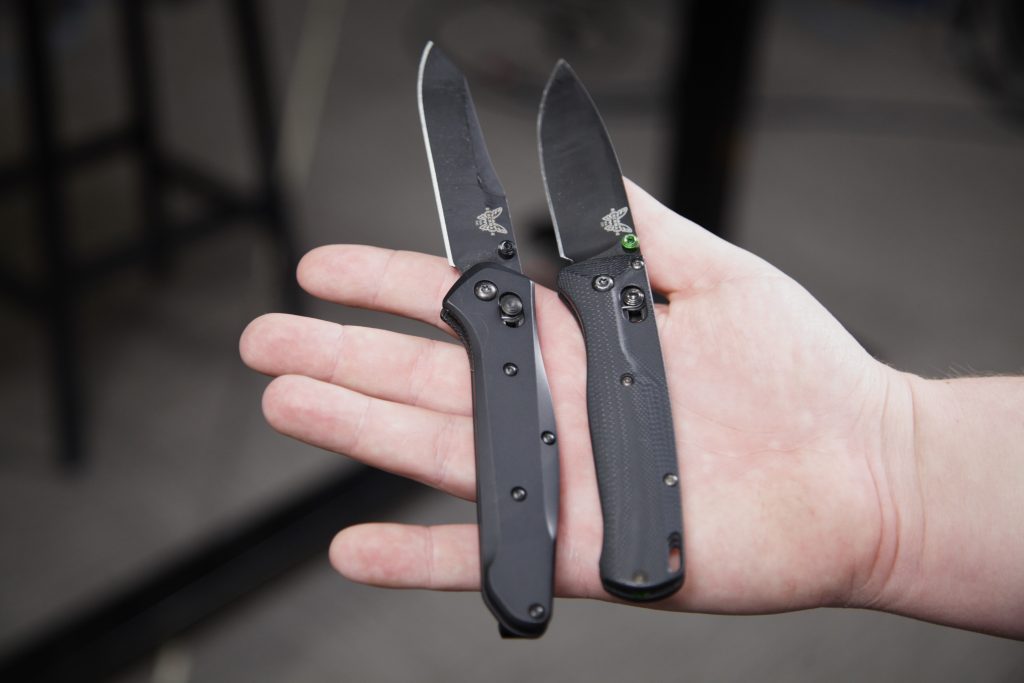
Credit: www.bladehq.com
Frequently Asked Questions
What Are The Main Differences Between Benchmade Bugout And Osborne?
The Bugout is lighter and designed for everyday carry, while the Osborne offers a robust frame lock and heavier blade. Bugout excels in portability, Osborne in durability. Both have premium materials but serve slightly different user needs.
Which Knife Is Better For Outdoor Activities?
The Benchmade Bugout is better for outdoor use due to its lightweight design and sharp drop-point blade. It’s easy to carry and handle in various conditions. The Osborne is heavier, more suited for tactical or heavy-duty tasks.
How Do The Blade Materials Compare?
Both knives use high-quality steel, but Bugout often features CPM-S30V steel for corrosion resistance and sharpness. Osborne may use 154CM or CPM-S30V, focusing on strength and edge retention. Both offer excellent blade performance.
Is Benchmade Bugout Or Osborne More Durable?
Osborne is generally more durable due to its solid construction and thicker blade. Bugout prioritizes lightweight design, which may sacrifice some toughness. For heavy-duty use, Osborne is preferred; for light to moderate tasks, Bugout suffices.
Conclusion
Both the Benchmade Bugout and Osborne offer great features for knife users. The Bugout is light and easy to carry every day. Osborne feels sturdy and solid in your hand. Each knife suits different needs and styles. Think about what matters most to you.
Comfort, weight, or blade strength? Choose the one that fits your daily tasks best. Either way, both knives deliver quality and reliability. A smart choice depends on your personal preference and use. Simple tools can make a big difference.