Benchmade Bailout Vs Bugout: Ultimate Knife Comparison Guide
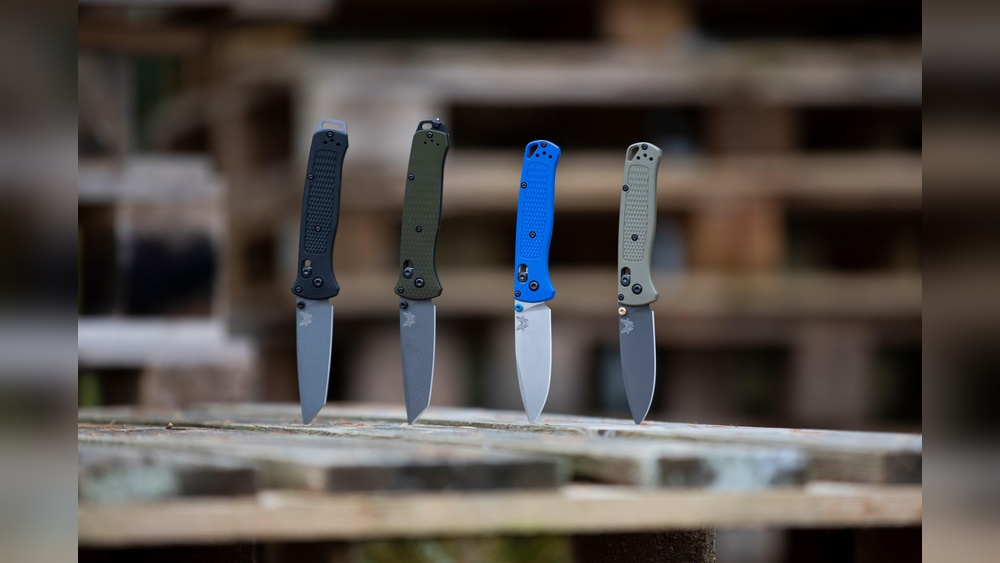
When it comes to choosing the right everyday carry knife, you want something reliable, lightweight, and built to perform. Benchmade offers two popular options that often leave people wondering: Bailout or Bugout?
Each has its own strengths, and picking the right one can make a big difference in your daily tasks and outdoor adventures. You’ll discover the key differences between these two knives, helping you decide which one fits your needs perfectly.
Stick around—you’re about to find out which Benchmade could become your new go-to tool.
Design And Build
The design and build of the Benchmade Bailout and Bugout define their use and appeal. Both knives show careful thought in materials and shape. They fit different needs but share quality and strong construction. Understanding their design helps you see which fits your tasks best.
Blade Materials
The Bailout uses CPM-S30V steel for its blade. This steel is tough and holds its sharp edge well. The Bugout uses CPM-S30V or CPM-S90V steel, depending on the model. CPM-S90V offers better edge retention but can be harder to sharpen. Both blades resist rust and wear effectively.
Handle Construction
The Bailout handle is made from textured G10 material. It offers a firm grip even in wet conditions. The Bugout handle uses lightweight Grivory, a strong plastic. It feels comfortable and is easy to hold for long use. Both handles focus on control and comfort.
Weight And Dimensions
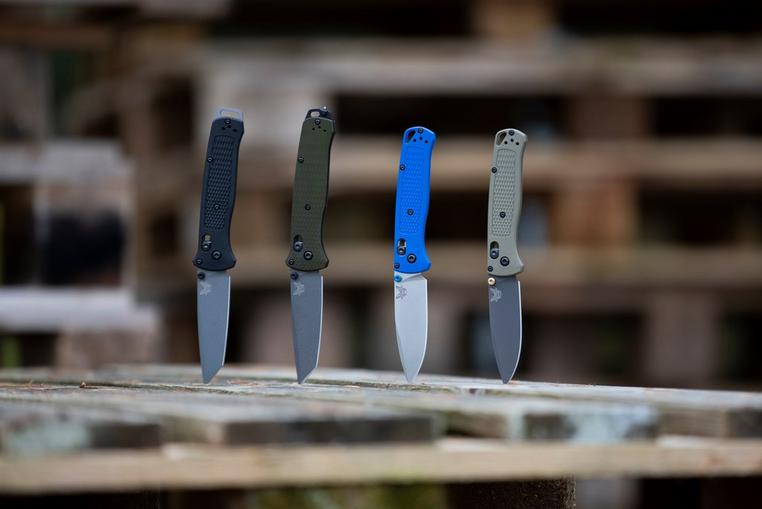
The Bailout is heavier, around 3.3 ounces. Its blade length is about 3.1 inches. The Bugout is very light, only 1.85 ounces. It has a slightly longer blade, about 3.24 inches. The Bailout feels solid and sturdy. The Bugout feels light and quick to use.
Credit: www.knivesandtools.com
Blade Performance
Blade performance is a key factor in choosing the right knife. Both Benchmade Bailout and Bugout offer strong blades. Each has unique qualities that affect how well they cut and hold their edge. Understanding these differences helps you pick the best tool for your needs.
Edge Retention
Bailout uses a tougher steel for longer edge life. It stays sharp after many uses. Bugout’s steel is easier to sharpen but dulls faster. For heavy tasks, Bailout holds its edge better. Bugout needs more frequent sharpening for peak performance.
Sharpness And Cutting Ability
Both knives come sharp from the factory. Bailout’s blade cuts through tough materials with ease. Bugout excels at precision cutting and fine tasks. Its lighter blade offers better control. Each blade suits different cutting styles well.
Blade Shape And Versatility
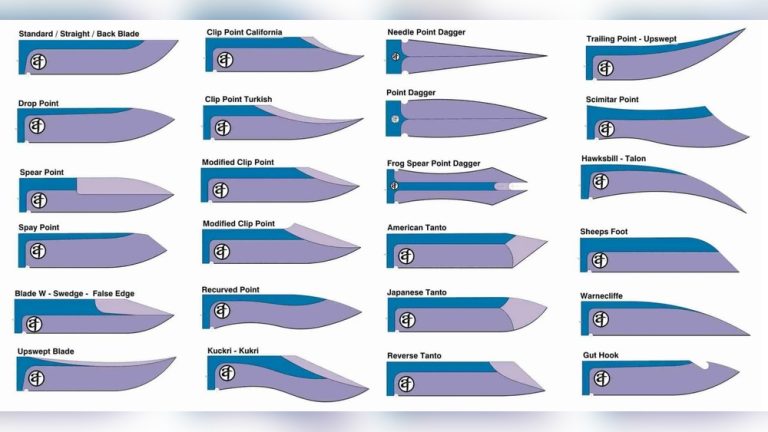
Bailout has a drop-point blade, good for heavy-duty work. Bugout features a slender, drop-point blade designed for speed. Bailout’s shape handles a variety of tasks. Bugout’s blade shape makes it great for everyday carry and light use.
Ergonomics And Handling
Ergonomics and handling are crucial for any knife. They affect comfort, control, and safety during use. The Benchmade Bailout and Bugout offer distinct experiences in these areas. Both knives aim to provide a secure grip and smooth operation, but their designs target slightly different needs. Let’s explore their grip comfort, opening mechanism, and locking system to understand how they handle in real life.
Grip Comfort
The Bailout has a thicker handle that fits well in larger hands. Its textured surface improves grip, reducing slips. The Bugout is lighter and slimmer, designed for quick carry and ease. It feels comfortable in most hand sizes, but smaller hands may prefer it more. Both handles offer good control but suit different hand shapes.
Opening Mechanism
The Bailout uses Benchmade’s AXIS lock with a thumb stud for opening. This mechanism is smooth and allows fast deployment. The Bugout also features the AXIS lock but with a slightly lighter touch. It opens easily with one hand, perfect for quick use. Both knives offer reliable and consistent opening action.
Locking System
Benchmade’s AXIS lock is strong and safe. It locks the blade firmly in place during use. The Bailout’s lock feels robust, suitable for heavy tasks. The Bugout’s lock is equally secure but designed for lighter activities. Both ensure the blade stays put, preventing accidental closure.
Durability And Maintenance
Durability and maintenance are key points when choosing between the Benchmade Bailout and Bugout. Both knives are built to last, but they have different strengths. Understanding these differences helps you pick the right knife for your needs. This section explores how each knife handles wear and care.
Corrosion Resistance
Both Benchmade Bailout and Bugout use high-quality stainless steel. This steel resists rust well, even in wet conditions. The Bailout features stainless steel with a protective coating. This adds extra defense against corrosion. The Bugout uses CPM-S30V steel, known for strong rust resistance. Both knives perform well, but the Bailout’s coating gives it a slight edge in salty or humid environments.
Ease Of Cleaning
The Bugout is very easy to clean. Its slim design and simple construction allow quick rinsing and drying. The Bailout has more parts and a complex blade shape. This means cleaning takes more time and care. Dirt and debris can hide in small spaces on the Bailout. Regular cleaning is important for both knives to keep them working smoothly.
Repair And Parts Availability
Benchmade offers good support for both knives. Replacement parts like screws, clips, and scales are easy to find. The Bugout has fewer parts, making repairs simpler and faster. The Bailout’s more complex design may require more careful repairs. Both knives can be serviced by Benchmade or trusted knife shops. This helps extend their lifespan and maintain peak performance.
Portability And Everyday Use
Portability plays a big role in choosing a pocket knife for daily use. Both the Benchmade Bailout and Bugout offer excellent options. Their designs focus on easy carry and quick access. These qualities make them popular for everyday tasks and outdoor activities.
Understanding how each knife handles pocket carry helps you pick the right one. Small differences in clip design, carry options, and weight change the user experience. Let’s explore these factors to see which knife fits your daily needs.
Pocket Clip Design
The Benchmade Bugout features a slim, low-profile clip. It sits flat against the pocket, reducing bulk. The clip is strong but easy to remove or reposition. This design helps the knife stay secure and hidden.
The Bailout uses a thicker clip with more grip. It allows a deeper carry, making the knife less visible outside the pocket. The clip is also reversible, supporting different carry styles. This adds flexibility for users who prefer various positions.
Carry Options
Bugout offers versatile carry options, including tip-up and tip-down. Users can switch the clip to left or right side. This makes it suitable for both right- and left-handed people.
Bailout focuses on secure, tactical carry. It mainly supports tip-up carry only. This style suits quick draw and safer handling. The clip’s design limits carry positions but adds stability during movement.
Weight Impact On Daily Carry
The Bugout is extremely light, weighing around 1.85 ounces. Its lightweight makes it easy to carry all day. Users rarely notice it in the pocket.
The Bailout is heavier at about 3.6 ounces. Though heavier, it stays comfortable for most users. The extra weight comes from stronger materials and a larger blade.
Choosing between the two depends on your comfort with weight. Lightness favors discreet carry. Heavier models offer a solid feel and durability.

Credit: www.youtube.com
Price And Value
Price and value play a big role in choosing between the Benchmade Bailout and Bugout. Both knives offer excellent features, but their costs and benefits differ. Understanding these differences helps you pick the best knife for your needs and budget.
Retail Cost Comparison
The Benchmade Bailout costs more than the Bugout. Bailout’s price is usually around $200. Bugout’s price is closer to $150. This price gap reflects the materials and design differences. Bailout uses tougher materials, which can raise the cost. Bugout aims for lightweight and affordability. Both knives provide quality, but the Bailout has a higher price tag.
Warranty And Customer Support
Benchmade offers a strong warranty for both knives. This warranty covers defects in material and workmanship. The company also provides free sharpening. Customer support is responsive and helpful. Whether you choose Bailout or Bugout, you get good service. This support adds value beyond the initial price.
Overall Value For Money
The Bugout offers great value for everyday use. It is light, reliable, and affordable. The Bailout adds value with durability and strength. It suits tougher tasks and heavy use. Both knives deliver good quality, but your choice depends on your needs. Budget users may prefer the Bugout. Users needing ruggedness may lean toward the Bailout.
Ideal Use Cases
The Benchmade Bailout and Bugout knives serve different purposes based on their design and features. Choosing the right knife depends on the main task you plan to use it for. Both knives offer strong value but excel in separate areas.
Outdoor And Survival
The Bugout is lightweight, making it great for hiking and camping. It handles food prep, light woodwork, and small tasks well. The Bailout, with its strong blade, suits tougher jobs like cutting rope or emergency escape. It is reliable in rough conditions and harsh environments.
Everyday Carry
The Bugout’s slim design fits easily in pockets. It feels comfortable for daily tasks like opening boxes or slicing fruit. The Bailout is bulkier but offers quick deployment for urgent needs. It works well if you want a knife ready in a flash.
Tactical Applications
The Bailout is designed for emergency use by rescue teams. Its strong blade and quick open make it ideal for self-defense or cutting seat belts. The Bugout lacks some tactical features but remains useful for light-duty tasks in the field. It suits users wanting a reliable backup knife.

Credit: www.knifeart.com
User Feedback And Reviews
User feedback offers real insights into the Benchmade Bailout and Bugout knives. Reviews from users reveal strengths and weaknesses. This section highlights what users say about these popular models. It helps you understand how each knife performs in daily use.
Positive Experiences
Many users praise the Bailout for its strong build and sharp blade. The knife feels solid and reliable in hand. Its quick deployment is a favorite feature among outdoor enthusiasts. The Bugout gets high marks for its lightweight design. Users love carrying it all day without fatigue. Its slim profile fits well in pockets and packs. Both knives receive compliments for their smooth opening action and secure locking mechanisms.
Common Complaints
Some users find the Bailout slightly heavy for everyday carry. The handle can feel bulky for small hands. A few mention the blade finish wears over time. For the Bugout, complaints include the thin blade not suitable for tough tasks. Some users wish the handle had more grip texture. A small number report issues with the pocket clip bending or loosening. These points show where each knife may not fit every need.
Expert Opinions
Knife experts highlight the Bailout’s durability and tactical design. They recommend it for rescue and survival purposes. Experts say the Bugout excels in lightweight EDC roles. Its balance of strength and weight stands out. Professionals note both knives use high-quality steel and materials. Experts suggest choosing based on intended use and hand size. Their insights add a layer of trust to user reviews.
Frequently Asked Questions
What Are The Main Differences Between Benchmade Bailout And Bugout?
The Bailout features a thicker blade and more robust frame. The Bugout is lighter with a slimmer blade. Bailout suits heavy-duty use, while Bugout excels in everyday carry and light tasks.
Which Knife Is Better For Everyday Carry, Bailout Or Bugout?
Bugout is ideal for everyday carry due to its lightweight design. It offers excellent portability and versatility. Bailout is bulkier, better suited for tactical or survival scenarios.
How Does The Blade Material Compare In Bailout Vs Bugout?
Both knives use premium steel, but the Bailout often features tougher steel like CPM-S30V. Bugout uses CPM-S30V or CPM-S90V for sharper edges and corrosion resistance.
Which Knife Has Better Ergonomics, Benchmade Bailout Or Bugout?
Bugout is designed with slim, ergonomic handles for comfortable all-day carry. Bailout handles are thicker, offering a secure grip for heavy-duty tasks but less comfort in pocket carry.
Conclusion
Both the Benchmade Bailout and Bugout offer strong choices for everyday carry. The Bailout suits those who want a tougher, heavier knife. The Bugout fits users who prefer a lighter, simpler tool. Consider your needs and style before choosing. Either way, you get a reliable knife from a trusted brand.
Small differences make a big impact in daily use. Decide what matters most: weight, strength, or ease of carry. This guide helps you pick the right Benchmade for your tasks.