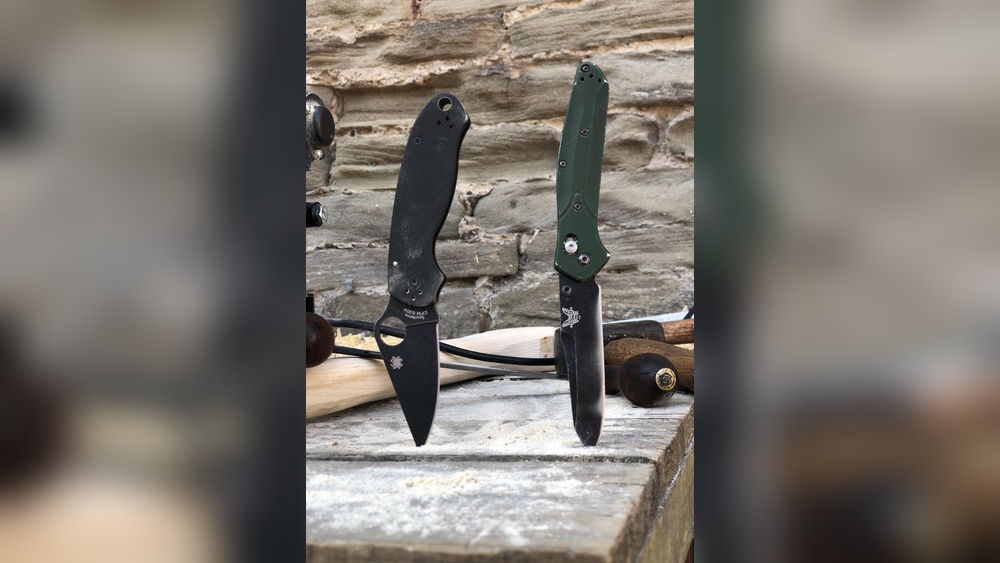
Benchmade 940 Vs Spyderco Para 3: Ultimate Knife Showdown
When you’re choosing a reliable everyday carry knife, the Benchmade 940 and Spyderco Para 3 often come up as top contenders. But which one truly fits your needs?
Whether you value sharpness, durability, or ease of use, this comparison will help you see which knife stands out. By the end, you’ll know exactly which blade matches your lifestyle and feels right in your hand. Ready to find your perfect match?
Let’s dive into the details.
Blade Design And Materials
The blade design and materials define the core of any folding knife. They affect cutting ability, strength, and overall performance. Benchmade 940 and Spyderco Para 3 each offer unique blade designs and materials. These features suit different needs and preferences. Understanding their differences helps choose the best knife for daily use or collection.
Blade Shape Comparison
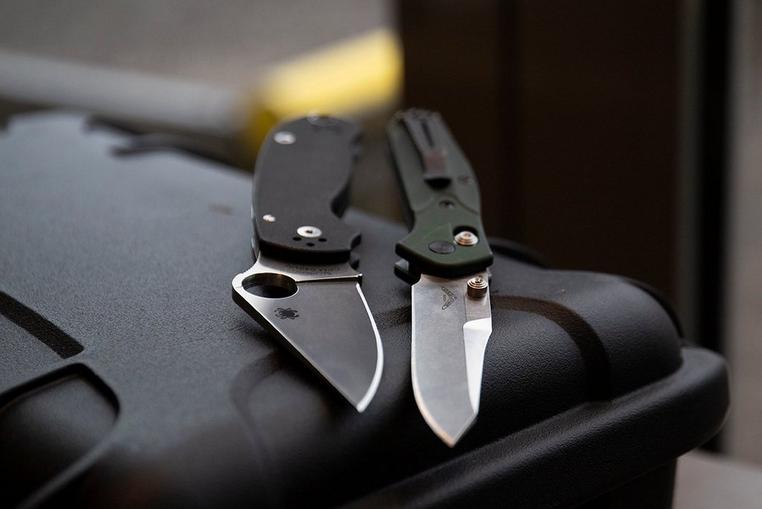
The Benchmade 940 has a drop point blade. This shape offers a strong tip and wide belly. It works well for slicing and general tasks. The blade is slim and long, making it ideal for precision cuts.
The Spyderco Para 3 uses a leaf-shaped blade. It has a curved edge and a sharp tip. This shape is great for detailed work and quick cuts. The wider belly helps with slicing through various materials.
Steel Types And Durability
The Benchmade 940 uses CPM-S30V steel. It is known for good edge retention and corrosion resistance. This steel stays sharp longer and handles tough jobs well.
The Spyderco Para 3 features CPM-S35VN steel. This is an improved version of S30V. It offers better toughness and easier sharpening. Both steels are durable, but S35VN adds more resistance to chipping.
Blade Finish And Coating
The Benchmade 940 blade has a satin finish. This gives a smooth, shiny look. It resists rust and shows fewer scratches.
The Spyderco Para 3 blade comes with a stonewashed finish. This finish hides scratches well and reduces glare. It gives the knife a rugged, used look that many users like.
Handle Construction And Ergonomics
The handle construction and ergonomics define the feel and control of a knife. Both the Benchmade 940 and Spyderco Para 3 offer unique designs that affect handling. Comfort, grip, and size play key roles in daily use and tasks. Understanding these factors helps choose the right knife.
Handle Materials
The Benchmade 940 uses anodized aluminum for its handle. This material is lightweight and strong, with a smooth finish. It gives a sleek look and resists scratches well. The Spyderco Para 3 features G-10 handles. G-10 is a type of fiberglass laminate known for durability. It feels rougher, offering a secure grip in wet or dry conditions.
Grip Comfort And Texture
The Benchmade 940 handle has a slim profile and smooth texture. It fits well in the hand but can feel slippery if wet. The Spyderco Para 3 offers a textured surface with small patterns. This texture improves grip and control, especially for precise tasks. Both knives have ergonomic shapes, but Spyderco’s grip feels more secure during use.
Size And Weight Differences
The Benchmade 940 is larger and lighter, weighing about 2.9 ounces. Its longer handle suits bigger hands and longer tasks. The Spyderco Para 3 weighs around 2.7 ounces and is more compact. Its smaller handle fits smaller hands better and allows easy pocket carry. Weight and size affect how each knife feels during long use or quick tasks.
Locking Mechanisms
Locking mechanisms play a key role in folding knives. They keep the blade safe and stable during use. A strong lock stops the blade from closing by accident. This section compares the locking systems of the Benchmade 940 and Spyderco Para 3.
Benchmade 940’s Axis Lock
The Benchmade 940 uses an Axis Lock. This lock has a small bar that moves back and forth. It holds the blade open with strong pressure. The Axis Lock works on both hands easily. It feels smooth and clicks into place firmly. Many users like it for quick one-handed opening and closing.
Spyderco Para 3’s Compression Lock
The Spyderco Para 3 features a Compression Lock. This lock uses a wedge that fits into a notch on the blade. It stops the blade from closing under pressure. The lock is on the spine, making it safe and easy to operate. It also allows fast one-handed closing without touching the blade.
Lock Strength And Reliability
Both locks offer strong blade security. The Axis Lock provides reliable strength and smooth action. It resists wear well over time. The Compression Lock is very sturdy and safe under heavy use. It also reduces wear on the locking parts. Both locks are trusted by many knife users worldwide.
Pocket Carry And Deployment
Carrying a knife every day means it must be easy to carry and quick to open. Both the Benchmade 940 and Spyderco Para 3 offer strong choices for pocket carry and deployment. Comfort and speed matter most when you need your knife fast and secure. This section compares the pocket clip design, opening mechanism, and one-handed use of these two knives.
Pocket Clip Design
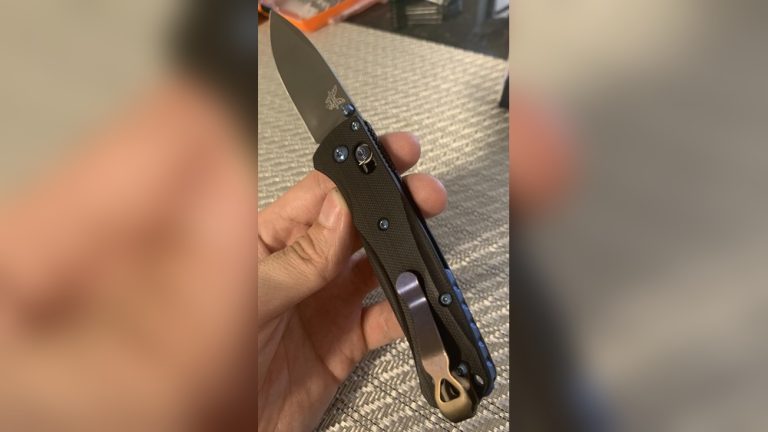
The Benchmade 940 has a slim, deep-carry clip. It holds the knife low in the pocket, making it less visible and more secure. The clip is reversible for left or right-hand carry.
The Spyderco Para 3 features a sturdy, deep-carry clip as well. It also allows carry on either side. Its wider clip offers a strong grip on the pocket fabric, preventing slips.
Both clips offer strong retention and low profile. The choice depends on your pocket size and preference for clip width.
Opening Mechanism And Speed
The Benchmade 940 uses an AXIS lock and thumb studs. The thumb studs provide a smooth, quick flick open. It requires a bit of wrist motion but feels controlled.
The Spyderco Para 3 uses a compression lock and a round hole for opening. The hole allows fast and natural thumb flicks. Many users find it quicker and easier to deploy.
Spyderco’s hole offers speed and simplicity. Benchmade’s studs give a more secure but slightly slower open.
One-handed Operation
Both knives are designed for one-handed use. The Benchmade 940’s thumb studs are easy to reach with the thumb. It opens smoothly but needs a steady flick.
The Spyderco Para 3’s thumb hole allows easy one-handed opening. It works well even with gloves or wet hands.
Spyderco offers a more natural one-hand open. Benchmade balances speed with a solid, locked feel.
Performance And Use Cases
Choosing the right knife depends on what you need it for. Both the Benchmade 940 and Spyderco Para 3 excel in different areas. Their performance varies across everyday tasks, outdoor use, and tactical situations. Understanding these differences helps pick the best tool for your needs.
Everyday Tasks
The Benchmade 940 shines in daily chores. Its slim design and sharp blade handle cutting, slicing, and opening packages with ease. The Spyderco Para 3 is also reliable but feels bulkier in hand. The 940’s lightweight frame makes it easier to carry all day. Both knives open smoothly, but the 940 is slightly faster to deploy.
Outdoor And Survival Use
For outdoor activities, the Spyderco Para 3 stands out. Its sturdy blade resists tough tasks like cutting rope or carving wood. The wider blade provides better control for survival needs. The Benchmade 940 works well but lacks the same rugged feel. It suits light outdoor work but is less ideal for heavy use.
Tactical And Self-defense
The Spyderco Para 3 offers quick access and a solid grip. This makes it suitable for self-defense or tactical use. Its blade shape allows precise, controlled cuts. The Benchmade 940 is less aggressive but still effective in emergencies. Its slim profile aids concealment but may not deliver as much stopping power.
Credit: www.knivesandtools.com
Maintenance And Sharpening
Maintenance and sharpening are key for keeping knives sharp and reliable. Both the Benchmade 940 and Spyderco Para 3 need regular care. Proper maintenance helps the blade last longer and perform better. It also keeps the knife safe to use every day.
Ease Of Sharpening
The Benchmade 940 has a thinner blade edge. This makes sharpening quicker and easier. The Spyderco Para 3 has a thicker blade. It needs more effort to sharpen well. Both knives work with common sharpening tools. But the 940 suits beginners better for sharpening.
Corrosion Resistance
The Benchmade 940 uses high-quality steel that resists rust well. It handles moisture and sweat without problems. Spyderco Para 3 also uses good steel. Still, it may need more frequent cleaning to avoid corrosion. Regular oiling helps both knives stay rust-free.
Blade Longevity
Blade longevity depends on steel type and use. The 940’s steel holds an edge longer with normal use. The Para 3’s blade is tough and durable but dulls faster. Both knives last a long time if sharpened and cleaned often. Proper care extends their life greatly.
Price And Value
Price and value are key factors when choosing between the Benchmade 940 and Spyderco Para 3. Both knives offer quality and performance. Understanding their costs helps buyers make smart decisions. This section breaks down the price differences, resale values, and overall cost effectiveness of each knife.
Retail Price Comparison
The Benchmade 940 usually costs more than the Spyderco Para 3. Its price often ranges from $180 to $220. The Spyderco Para 3 is generally priced between $120 and $150. The higher price of the 940 reflects its materials and design. Buyers can expect to pay more upfront for the Benchmade.
Resale Value
Both knives hold their value well over time. Benchmade 940 tends to keep a higher resale price. Its strong brand and demand support this trend. Spyderco Para 3 also resells well but often at a slightly lower price. Condition and rarity influence resale prices for both models.
Overall Cost Effectiveness
The Spyderco Para 3 offers great value for its price. It balances cost and quality effectively. The Benchmade 940 is a better investment for those who want premium features. Its durability and resale value justify the higher cost. Buyers should weigh their budget against desired features.
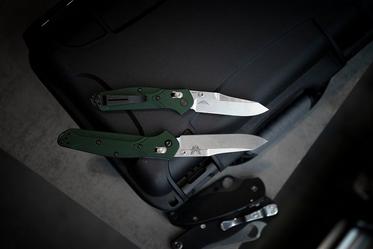
Credit: www.knivesandtools.com
User Feedback And Reputation
User feedback and reputation play a big role in choosing a knife. Both Benchmade 940 and Spyderco Para 3 have strong followings. Understanding what users say helps to see real strengths and weaknesses. This part dives into community reviews, brand reliability, and warranty support.
Community Reviews
Users praise the Benchmade 940 for its sleek design and smooth action. Many find it lightweight yet sturdy. Some mention the blade stays sharp for a long time. Spyderco Para 3 gets high marks for its ergonomic handle and excellent grip. People like the quick deployment and robust build. Both knives have loyal fans who share detailed experiences online.
Brand Reliability
Benchmade has built a reputation for quality and precision. Its knives often meet high standards for materials and craftsmanship. Spyderco is known for innovation and practical designs. The brand focuses on making knives that work well in everyday tasks. Both companies keep delivering reliable products trusted by many users worldwide.
Warranty And Customer Support
Benchmade offers a limited lifetime warranty covering defects. The company provides clear instructions for repairs and replacements. Spyderco also has a solid warranty policy, supporting customers with repairs. Their customer service is responsive and helpful. Users appreciate easy access to support from both brands.

Credit: www.reddit.com
Frequently Asked Questions
What Are The Main Differences Between Benchmade 940 And Spyderco Para 3?
Benchmade 940 offers a slim, lightweight design with an aluminum handle. Spyderco Para 3 features a robust G-10 handle and a thicker blade. Both excel in quality but serve different carrying preferences and cutting tasks.
Which Knife Is Better For Everyday Carry (edc)?
Spyderco Para 3 is favored for EDC due to its ergonomic grip and quick deployment. Benchmade 940 is better for those wanting a slimmer, lighter knife with a versatile blade shape.
How Do The Blade Steels Compare In These Knives?
Benchmade 940 commonly uses CPM-S30V steel, known for edge retention and corrosion resistance. Spyderco Para 3 often comes in CPM-S30V or CPM-S90V, offering a harder, longer-lasting edge but requiring more maintenance.
Which Knife Offers Better Locking Mechanisms?
Benchmade 940 uses the AXIS lock, praised for strength and ambidextrous use. Spyderco Para 3 features the Compression lock, known for safety and ease of one-handed operation. Both locks are reliable and secure.
Conclusion
Both Benchmade 940 and Spyderco Para 3 offer great quality knives. Each has a strong build and sharp blade. The 940 suits those who want a slim, light knife. Para 3 fits users who prefer a sturdy, easy-to-open tool. Price and style also differ between these two models.
Choose based on your needs and daily use. Either knife will serve well for many tasks. Think about what matters most to you before buying. Simple and reliable—these knives stand out in their own ways.