Coarse Vs Fine Knife Sharpener: Ultimate Guide to Perfect Edges
Are you tired of struggling with dull knives that just won’t cut right? Choosing the right knife sharpener can make all the difference, but with options like coarse and fine sharpeners, it’s easy to get confused.
Which one should you use? How do they affect your knives? Understanding the difference can save your blades and improve your kitchen skills. Keep reading to discover how coarse and fine knife sharpeners work and which one is best for your needs.
Your knives will thank you!
Credit: www.amazon.com
Types Of Knife Sharpeners
Knife sharpeners come in different types for various sharpening needs. Understanding these types helps maintain your knives better. Sharpeners mainly fall into two categories: coarse and fine. Each serves a specific purpose in knife care.
Coarse Sharpeners
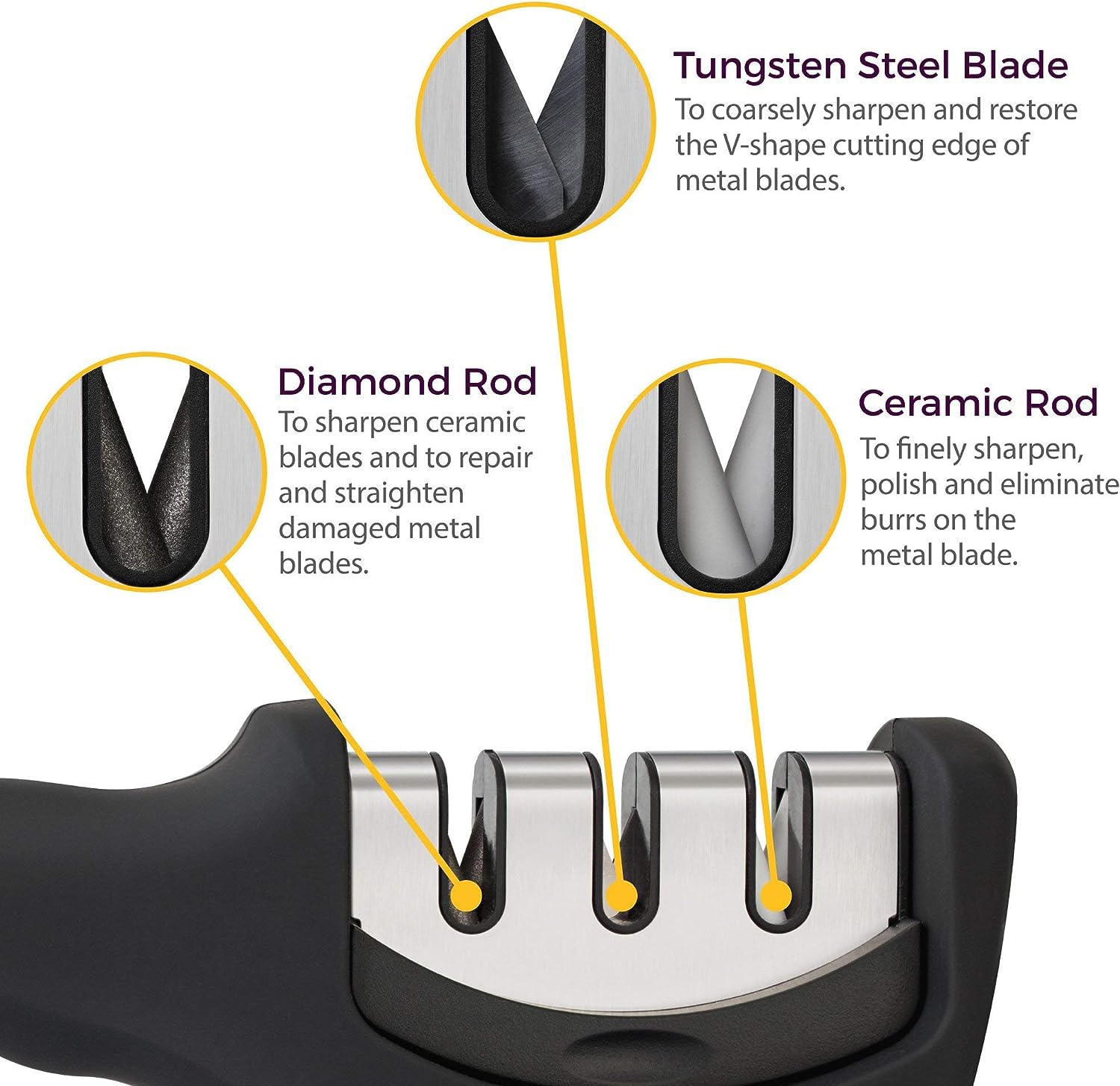
Coarse sharpeners have rough surfaces to remove more metal. They fix very dull or damaged blades quickly. These sharpeners create a new edge on the knife. They work best for knives that have chips or nicks. Using coarse sharpeners often can wear out the blade faster.
Fine Sharpeners
Fine sharpeners have smooth surfaces to polish the blade edge. They refine the sharpness for a clean, precise cut. These sharpeners are great for regular maintenance. Fine sharpeners keep knives sharp longer after coarse sharpening. They help achieve a smooth, razor-sharp finish on blades.
How Coarse Sharpeners Work
Coarse knife sharpeners fix very dull or damaged blades. They use rough surfaces to grind the blade edges. This process removes metal fast to reshape the blade.
Coarse sharpeners prepare the blade for finer sharpening steps. They create a new edge by cutting away old, worn metal. This makes the blade sharp enough to use again.
Material Removal Process
Coarse sharpeners have rough surfaces, often made of diamond or carbide. These surfaces cut into the blade quickly. They remove metal chips from the blade edge.
This fast removal fixes nicks and dull spots. It reshapes the blade by cutting away damaged parts. The blade edge becomes sharper but rough after this process.
Ideal Blade Conditions
Coarse sharpeners work best on very dull or chipped blades. They are not for blades that need only a small touch-up. Using coarse sharpeners on sharp blades can cause damage.
They prepare blades that have lost their edge completely. After coarse sharpening, the blade needs fine sharpening for a smooth finish. This two-step process keeps knives sharp and strong.
How Fine Sharpeners Work
Fine knife sharpeners work by gently smoothing the blade’s edge. They remove tiny metal particles left by coarse sharpeners. This process improves the blade’s sharpness and durability. Fine sharpeners polish the blade for a cleaner cut. Using them regularly keeps knives sharper for longer.
Edge Refinement
Fine sharpeners focus on refining the knife’s edge. They use very fine grit materials that wear down rough spots. This step narrows the blade’s edge to a precise line. The result is a sharper and more accurate blade. Edge refinement helps knives slice smoothly without tearing.
Polishing Techniques
Polishing with fine sharpeners removes small burrs from the blade. It creates a mirror-like surface on the edge. This reduces friction during cutting, making the knife glide easily. Polishing also protects the blade from rust and corrosion. It extends the knife’s life and keeps it looking new.
Choosing Between Coarse And Fine
Choosing between a coarse and fine knife sharpener depends on your knife’s condition and how often you use it. Both types serve different purposes in maintaining sharp blades. Understanding their roles helps keep your knives effective and safe.
Blade Damage And Wear
Coarse sharpeners remove more metal from the blade. They fix dull or chipped edges quickly. But using them often can wear down knives faster. Fine sharpeners polish the blade and refine the edge. They cause less damage and keep the blade smooth. Use coarse sharpeners only when the blade is very dull or damaged.
Frequency Of Use
Use fine sharpeners regularly for routine maintenance. They keep the blade sharp without removing too much metal. Coarse sharpeners are for rare use, only when the knife is very dull. Sharpening too often with coarse tools shortens the knife’s life. Fine sharpeners help maintain sharpness between coarse sharpening sessions.
Combining Both Sharpeners
Combining both coarse and fine knife sharpeners gives the best results. Coarse sharpeners fix dull or chipped blades quickly. Fine sharpeners polish the edge and make it razor sharp. Using both types keeps knives sharp for a long time. This method works well for all kitchen knives. It improves cutting performance and safety.
Step-by-step Sharpening Process
Start with the coarse sharpener. Hold the knife at the correct angle. Pull the blade across the coarse surface slowly. Repeat this step about 5 to 10 times. This reshapes the edge and removes any damage.
Next, switch to the fine sharpener. Use the same angle as before. Pull the blade over the fine surface 10 to 15 times. This step smooths the edge and makes it sharp.
Clean the knife with a damp cloth after sharpening. Always check the sharpness carefully before use.
Maintaining Sharp Edges
Use the fine sharpener regularly to keep the blade smooth. Avoid overusing the coarse sharpener. It removes more metal and can shorten knife life.
Store knives properly to protect the edges. Avoid cutting on hard surfaces like glass or stone. Use wooden or plastic cutting boards instead.
Regular maintenance keeps knives sharp and safe for all tasks.
Common Mistakes To Avoid
Using a knife sharpener seems easy. But many make mistakes that harm their knives. Avoiding these errors helps keep knives sharp and long-lasting. Here are common mistakes to watch out for when using coarse and fine sharpeners.
Over-sharpening
Sharpening too often wears down the blade fast. Each time you sharpen, a small layer of metal is removed. Over-sharpening makes the blade thin and weak. Use coarse sharpener only when the blade is very dull. Fine sharpener is for touch-ups and polishing. Stop sharpening as soon as the blade feels sharp.
Incorrect Angle Usage
Holding the knife at the wrong angle can damage the blade. Each knife needs a certain sharpening angle, usually between 15 and 20 degrees. Too steep or too flat an angle ruins the edge. Practice keeping a steady angle while sharpening. Some sharpeners have guides to help with this. Correct angle use results in a sharper and stronger blade.
Sharpening Tools Comparison
Choosing the right sharpener matters for your knives’ life and performance. Different tools suit different needs and skills. Knowing the differences helps you pick the best option.
Some sharpeners focus on coarse grinding to fix dull blades. Others use fine sharpening to polish and refine the edge. Both types play a role in knife care.
Manual Vs Electric
Manual sharpeners need more effort and control. You move the blade yourself across the sharpening surface. This method offers precision and a personal touch.
Electric sharpeners work faster and with less effort. They use motorized wheels or belts to sharpen the knife. This is good for quick fixes or less skill.
Manual sharpeners often allow you to choose coarse or fine settings. Electric ones may have fixed stages for different sharpening levels. Both types can handle coarse and fine sharpening tasks.
Whetstones And Rods
Whetstones are flat stones that come in coarse and fine grits. Coarse stones remove chips and reshape edges. Fine stones polish and smooth the blade.
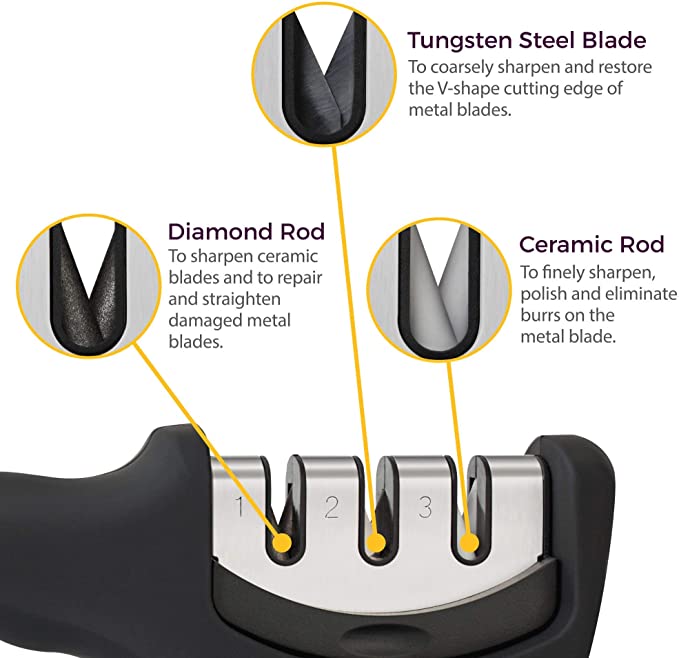
Sharpening rods come in steel, ceramic, or diamond. Steel rods realign edges but do not remove much metal. Ceramic and diamond rods can sharpen lightly or finely.
Whetstones require water or oil to work well. Rods are dry tools and easier to use quickly. Both are popular for home cooks and professionals.

Credit: seidoknives.com
Tips For Long-lasting Sharpness
Keeping your knives sharp for a long time saves effort and money. Sharp knives work better and safer. Simple habits help maintain their edge. Follow these tips to keep your knives sharp.
Proper Storage
Store knives carefully to protect the blade. Use a knife block, magnetic strip, or blade guards. Avoid tossing knives in a drawer. This causes chips and dullness. Keep knives dry to stop rust. Proper storage keeps blades strong and ready.
Regular Maintenance
Sharpen knives regularly using coarse and fine sharpeners. Coarse sharpeners fix dull edges fast. Fine sharpeners polish and smooth the blade. Wipe blades clean after each use. Check blades for damage often. Honing with a steel rod helps maintain sharpness. Regular care extends knife life and performance.
Credit: seidoknives.com
Frequently Asked Questions
What Is The Difference Between Coarse And Fine Knife Sharpeners?
Coarse sharpeners remove more metal to fix dull or damaged blades. Fine sharpeners refine the edge for a smooth, sharp finish. Using both ensures effective sharpening and longer blade life.
When Should I Use A Coarse Knife Sharpener?
Use a coarse sharpener for very dull or chipped knives. It quickly reshapes the blade edge, preparing it for fine sharpening. Avoid frequent use to prevent excessive metal removal.
How Often Should I Use A Fine Knife Sharpener?
Use a fine sharpener regularly to maintain a sharp edge. It hones the blade without removing much metal. Frequent honing keeps knives efficient and prolongs their lifespan.
Can I Use Coarse And Fine Sharpeners Together?
Yes, start with coarse to repair and reshape, then finish with fine. This two-step process restores sharpness and polishes the blade for smooth cutting.
Conclusion
Choosing between coarse and fine knife sharpeners depends on your knife’s needs. Coarse sharpeners fix dull or damaged blades quickly. Fine sharpeners polish and maintain sharp edges. Both types help keep knives safe and effective. Regular sharpening extends your knife’s life and improves cutting.
Use coarse sharpening first for rough edges, then fine for smoothness. A sharp knife makes cooking easier and safer. Keep your tools ready for any kitchen task. Simple steps lead to better results every time.