Honesuki Vs Boning Knife: Ultimate Guide to Choosing the Best Tool
Choosing the right knife can change the way you cook. If you’ve ever wondered whether a Honesuki or a Boning Knife is better for your kitchen tasks, you’re not alone.
Both knives look similar but serve very different purposes. Understanding these differences will help you make smarter choices and improve your cooking experience. Keep reading to discover which knife fits your needs perfectly and why it matters for your meals.

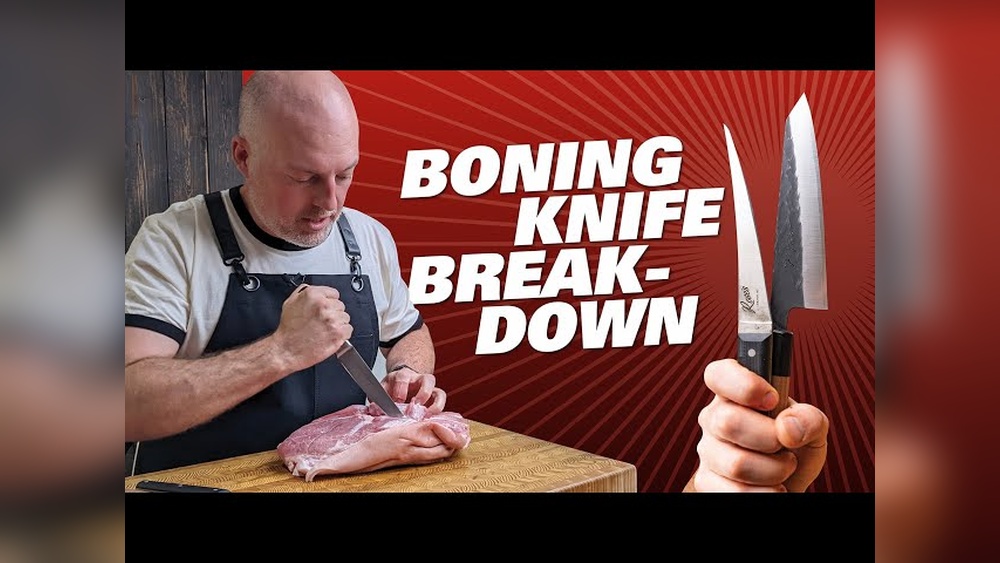
Credit: www.youtube.com
Honesuki Knife Features
The Honesuki knife has unique features that make it stand out in the kitchen. This knife is designed for precision and ease. It helps with specific tasks that other knives may not handle well.
Understanding these features can help you decide if the Honesuki fits your cooking style. It offers control and sharpness that many chefs appreciate.
Blade Design And Shape
The Honesuki has a triangular blade shape. It is thick and strong, perfect for cutting through bones. The pointed tip allows for detailed work, like removing joints. The blade is usually short, about 5 to 6 inches long. This size gives better control and precision.
Material And Durability
Most Honesuki knives are made from high-quality stainless steel. This material resists rust and holds a sharp edge longer. Some high-end models use carbon steel for extra sharpness. The knife’s construction is sturdy, built to last. Proper care can keep the blade sharp and strong for years.
Typical Uses In The Kitchen
The Honesuki is mainly used for boning poultry. It helps separate meat cleanly from bones. Chefs also use it for trimming fat and cartilage. Its sharp tip reaches tight spaces easily. It is less common for filleting fish or cutting vegetables. The knife shines in tasks needing accuracy and strength.

Credit: knifewear.com
Boning Knife Features
The boning knife is a key tool in the kitchen. It helps remove bones from meat, poultry, and fish with ease. Understanding its features helps pick the right knife for your tasks. The boning knife combines sharpness, flexibility, and comfort to make precise cuts.
Each boning knife has unique traits. These traits impact how well it performs. The following sections explain the main features of boning knives.
Blade Design And Flexibility
Boning knives have thin, narrow blades. This design allows close work near bones. The blade usually curves slightly for better control. Flexibility varies from stiff to very bendy. Stiff blades cut through tough joints. Flexible blades slide under delicate skin easily. The right flexibility depends on the type of meat you prepare.
Material And Build Quality
High-quality steel is common for boning knife blades. Stainless steel resists rust and holds sharpness well. Some knives use high-carbon steel for better edge retention. Handles come in wood, plastic, or composite materials. A comfortable, non-slip grip improves safety and control. Well-built knives last longer and perform better.
Common Applications
Boning knives are used to separate meat from bones. They work well with chicken, beef, pork, and fish. The knife’s shape helps trim fat and remove skin. Chefs prefer boning knives for detailed work. These knives make butchering easier and more precise.
Comparing Blade Shapes
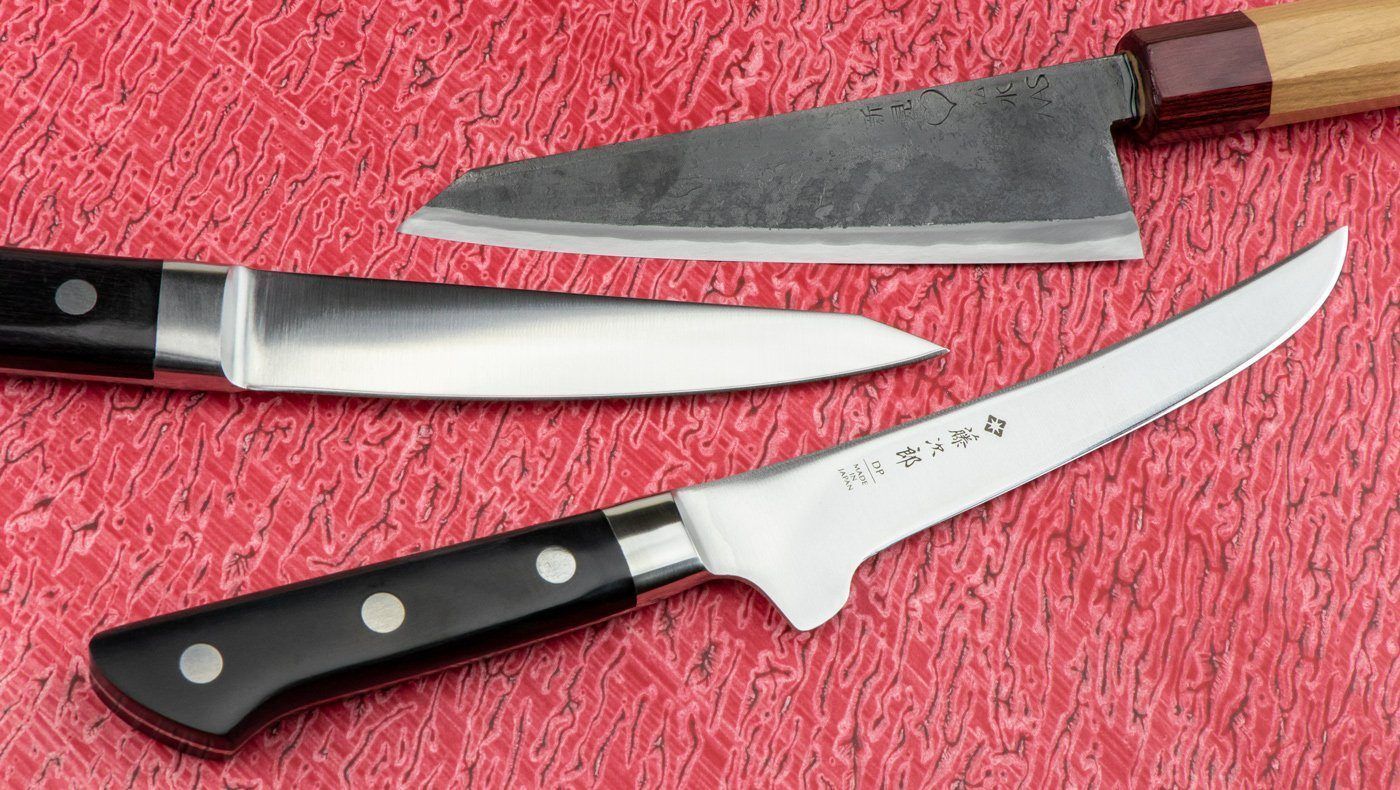
The blade shape plays a big role in how a knife works. Honesuki and boning knives have different blade shapes designed for specific tasks. These shapes affect sharpness, flexibility, and handling of meats. Understanding these differences helps you choose the right knife for your kitchen needs.
Sharpness And Cutting Precision
The Honesuki blade is sharp and pointed. It has a triangular shape that helps with precise cuts. This shape allows you to cut through joints and small bones easily. The boning knife has a thinner, curved blade. It is sharp but focuses on slicing meat away from the bone smoothly. Both knives offer sharpness but in different ways for cutting precision.
Flexibility Vs Stiffness
The Honesuki blade is stiff and strong. It does not bend much, making it good for tough tasks like cutting through cartilage. The boning knife has a flexible blade. This flexibility helps you move around bones and remove meat without damaging it. The choice depends on whether you need strength or flexibility.
Handling Different Meats
The Honesuki excels with poultry. Its shape and strength help break down chicken and other birds easily. The boning knife works well with beef, pork, and fish. Its curved and flexible blade allows smooth meat removal from bones. Each blade shape suits different types of meat for better results.
Credit: knifewear.com
Choosing Based On Tasks
Choosing the right knife depends on the task you need to do. Each knife has a special design that fits certain jobs better. Knowing which knife to pick can make your work easier and faster. Here is a simple guide to help you choose between the Honesuki and the Boning knife based on common tasks.
Deboning Poultry
The Honesuki knife works best for deboning poultry. Its stiff, pointed blade cuts close to the bones. This shape helps separate meat from joints with ease. The strong tip can slip into small spaces around bones. It gives more control for precise cuts. The Boning knife is flexible but less sharp for tight corners in poultry.
Filleting Fish
The Boning knife excels at filleting fish. It has a thin, flexible blade that bends easily. This flexibility helps follow the fish’s bones closely. It removes skin and flesh smoothly without wasting meat. The Honesuki blade is too stiff and thick for delicate fish fillets. It may tear the flesh or miss fine cuts.
Processing Red Meat
For processing red meat, the Boning knife is ideal. Its sharp, flexible blade cuts around bones and cartilage well. It makes clean cuts needed for steaks or roasts. The Honesuki knife can handle red meat but is better for poultry tasks. It may not glide as smoothly through large muscle pieces.
Maintenance And Care
Proper maintenance and care keep your Honesuki and boning knives sharp and safe. Both knives need regular attention to perform well. Simple steps extend their life and preserve their cutting edge. Good care also prevents rust and damage.
Sharpening Techniques
Use a whetstone for the best results. Start with a coarse grit to shape the edge. Then use a finer grit to polish it. Hold the knife at a 15 to 20-degree angle. Move the blade smoothly across the stone. Sharpen both sides evenly for balance. Avoid electric sharpeners to protect the blade.
Cleaning Tips
Wash knives by hand with warm water and mild soap. Use a soft sponge to avoid scratches. Rinse well to remove all soap. Dry immediately with a clean towel. Never soak knives in water. Avoid dishwashers as they harm the blade and handle.
Storage Recommendations
Store knives in a wooden block or magnetic strip. Avoid loose storage to prevent dulling and damage. Keep knives separate from other utensils. Use blade guards for extra protection during storage or travel. Store in a dry place to stop rust.
Price And Value
Price and value play a big role in choosing between a Honesuki and a boning knife. Both knives serve specific purposes in the kitchen. Their cost reflects the materials, craftsmanship, and brand. Understanding price ranges helps pick the right knife for your needs and budget.
Entry-level Options
Entry-level Honesuki and boning knives cost less than $50. These knives often use basic steel and simpler handles. They work well for home cooks or beginners. Though affordable, they may need frequent sharpening. Good for light use and learning the techniques.
Professional Grade Knives
Professional knives often cost between $100 and $300. They use high-quality steel that holds sharp edges longer. Handles are made for comfort during long use. These knives offer better balance and precision. Ideal for chefs or serious cooking enthusiasts.
Balancing Cost And Performance
Choosing a knife means balancing price and performance. A higher price usually means better materials and durability. But some mid-range knives offer great value too. Consider how often you will use the knife. Match the knife’s quality with your cooking style and budget.
Frequently Asked Questions
What Is The Main Difference Between Honesuki And Boning Knife?
Honesuki is a Japanese poultry boning knife with a triangular blade. Boning knives are versatile with a thin, flexible blade for various meats. Honesuki excels at joint removal, while boning knives handle a wider range of tasks.
Which Knife Is Better For Deboning Chicken?
Honesuki is ideal for deboning chicken due to its stiff, pointed blade. It easily separates joints without damaging meat. Boning knives can work but are less precise for poultry.
Can I Use A Boning Knife Instead Of Honesuki?
Yes, a boning knife can replace Honesuki but may lack precision. Boning knives are more flexible, suited for fish and beef. For poultry, Honesuki offers better control and durability.
How To Maintain A Honesuki Knife?
Sharpen Honesuki regularly using a whetstone for a fine edge. Clean and dry it immediately after use. Store in a protective sheath to avoid damage and rust.
Conclusion
Choosing between a Honesuki and a boning knife depends on your needs. The Honesuki is great for poultry and precise cuts. The boning knife works well for general meat boning and trimming. Both knives have unique shapes and uses. Pick the knife that fits your cooking style best.
Understanding their differences helps improve your kitchen skills. Keep practicing to get comfortable with each knife. This way, you prepare food more easily and safely. Simple tools, better results.