Pocket Knife Vs Utility Knife: Ultimate Guide to Choose Right
When it comes to choosing the right cutting tool, you might find yourself stuck between a pocket knife and a utility knife. Both have their own strengths, but which one fits your needs best?
Whether you’re tackling everyday tasks or preparing for outdoor adventures, making the right choice can save you time, effort, and even frustration. You’ll discover clear differences, surprising advantages, and expert tips that will help you pick the perfect knife for your lifestyle.
Keep reading—you’re about to unlock the secret to cutting smarter and working easier.
Pocket Knife Features
Pocket knives are small tools designed for everyday use. They fit easily in your pocket or bag. People carry them for quick tasks like cutting rope, opening packages, or whittling wood. Understanding pocket knife features helps you pick the right one for your needs.
Blade Types And Sizes
Pocket knives come with various blade shapes. Common blades include drop point, clip point, and spear point. Each shape suits different tasks. Blades usually measure between 2 to 4 inches. Smaller blades are easier to carry. Larger blades handle tougher jobs better.
Handle Materials
Handles affect grip and comfort. Popular materials include wood, plastic, metal, and rubber. Wood offers a classic look and good grip. Plastic is lightweight and affordable. Metal handles are strong but can be heavy. Rubber handles provide extra grip, especially in wet conditions.
Locking Mechanisms
Locking features keep the blade safe during use. Common types are liner locks, frame locks, and lock backs. Liner locks use a spring bar to hold the blade open. Frame locks are similar but use the handle frame. Lock backs lock the blade with a notch on the spine. Locks prevent accidents and make cutting safer.
Portability And Convenience
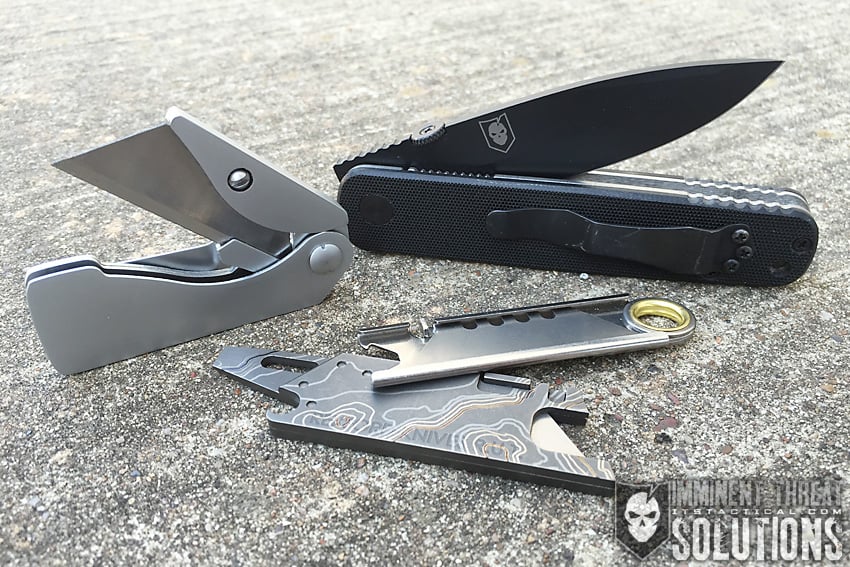
Pocket knives are easy to carry. Most have a clip to attach to a belt or pocket. Their compact size fits in small spaces. Folding blades keep the knife safe when not in use. Some models include tools like screwdrivers or scissors. This adds convenience without extra weight.
Credit: www.itstactical.com
Utility Knife Features
Utility knives are essential tools for many tasks at home and work. Their design focuses on functionality and safety. Understanding their features helps you pick the right one for your needs.
Blade Design And Replacement
Utility knives have sharp, straight blades. These blades cut through various materials like cardboard and plastic. The blade is often segmented. You can snap off dull sections to reveal a fresh edge. This keeps the knife sharp without needing constant sharpening. Blade replacement is simple and quick. You just slide out the old blade and insert a new one.
Grip And Ergonomics
Utility knives feature grips designed for comfort and control. Handles are often textured or rubber-coated. This reduces slipping during use. The shape fits well in your hand to reduce fatigue. Some models have adjustable handles for better grip. Good ergonomics improve safety and precision.
Durability And Strength
Utility knives are made from strong materials like steel and heavy plastic. These materials resist wear and damage. The blade holder is sturdy to avoid bending. The knife can handle tough cutting jobs. This durability makes utility knives reliable tools for daily use.
Safety Features
Safety is a key feature of utility knives. Many have retractable blades that slide back into the handle. This prevents accidental cuts when not in use. Some knives include a locking mechanism to keep the blade in place. Others have blade covers or guards. These features protect users and reduce injuries.
Common Uses
Both pocket knives and utility knives serve many purposes in daily life. Each tool suits different tasks depending on its design and features. Understanding their common uses helps choose the right knife for any job.
Everyday Tasks
Pocket knives are handy for small daily chores. Opening packages, cutting strings, or peeling fruit are simple jobs for them. Their compact size makes them easy to carry anywhere.
Utility knives excel at cutting tough materials. They handle cardboard, plastic, and carpet with ease. Their sharp, replaceable blades keep tasks quick and neat.
Outdoor Activities
Pocket knives shine outdoors. Camping, fishing, or hiking often need cutting ropes or preparing food. They also help with minor repairs and first aid.
Utility knives are less common outdoors but useful in setting up tents or cutting heavy fabrics. Their strong blades handle rougher materials better than small pocket knives.
Crafts And Diy Projects
Pocket knives work well for light craft projects. Carving wood or cutting paper requires precision, which pocket knives offer. Their folding design adds safety during work.
Utility knives are perfect for bigger projects. Cutting drywall, vinyl, or foam boards is easier with their strong blades. They provide straight, clean cuts for better results.
Professional Applications
Pocket knives are popular among electricians and first responders. Their portability and multiple tools help solve small problems fast. Many models include screwdrivers and scissors.
Utility knives are essential in construction and warehousing. Workers rely on them to open boxes and cut materials daily. Their durability and sharpness improve work speed and safety.
Advantages Of Pocket Knives
Pocket knives offer several advantages that make them popular tools for many people. They are small, easy to carry, and useful in various situations. These knives provide practical benefits that suit daily tasks and outdoor activities alike.
Compactness And Portability
Pocket knives are small and fold easily into your pocket. Their compact size makes them easy to store and carry. You can take them anywhere without feeling weighed down. This portability is ideal for quick access and everyday use.
Versatility
Pocket knives serve many purposes beyond cutting. They often include tools like screwdrivers or scissors. This versatility helps with tasks like opening packages, fixing things, or preparing food. One tool can replace several, saving space and effort.
Ease Of Carry
Pocket knives are designed to be safe and easy to carry. Many have locking mechanisms to prevent accidental opening. They fit comfortably in pockets, belts, or bags. This ease of carry ensures you have a handy tool whenever needed.
Advantages Of Utility Knives
Utility knives offer several benefits that make them a popular choice for various cutting tasks. Their design focuses on functionality and ease of use. These knives handle different materials well, making them reliable tools for many jobs.
Precision Cutting
Utility knives provide sharp, straight blades for clean cuts. The thin blade allows users to cut with accuracy. This is helpful for detailed work like trimming or slicing thin materials. You can control the blade easily to avoid mistakes.
Blade Replacement Convenience
Utility knives feature quick and simple blade changes. This saves time and effort during work. You do not need special tools to replace the blade. This makes the knife ready to use again in seconds.
Heavy-duty Performance
Utility knives are built for tough jobs. They can cut through thick and hard materials without breaking. Their strong handle supports firm grip and safe use. This makes them suitable for construction and repair tasks.
Credit: www.reddit.com
Choosing Based On Needs
Choosing the right knife depends on what you need it for. Both pocket knives and utility knives offer unique benefits. Understanding your needs helps pick the best tool. Consider how often you carry it, the tasks you perform, and your budget. These factors make a big difference in your choice.
Daily Carry Preferences
Think about how often you carry a knife. Pocket knives are great for daily carry. They are compact and easy to slip into your pocket. Many have locking blades for safety. Utility knives are bulkier and often used at work. They may not be convenient for everyday carry.
Task Specific Requirements
Different tasks need different tools. Pocket knives handle light cutting and small chores. They work well for opening packages or cutting strings. Utility knives excel in heavy-duty tasks. Cutting thick materials like carpet or cardboard is easier. Choose based on the tasks you do most.
Budget Considerations
Knives come in various price ranges. Pocket knives can be affordable or expensive, depending on features. Utility knives are usually cheaper and replaceable. Think about how much you want to spend. Investing in quality can save money over time.
Maintenance Tips
Keeping your pocket knife or utility knife in good shape is key. Proper care makes the blades last longer and work better. Small efforts in maintenance save money and time.
Follow these simple tips to keep your knives sharp, clean, and ready to use.
Sharpening Techniques
Use a sharpening stone or a knife sharpener to keep edges sharp. Hold the blade at a 20-degree angle to the stone. Move the blade smoothly across the stone in one direction. Repeat on both sides equally. Avoid using electric sharpeners often, as they can remove too much metal quickly.
Cleaning And Storage
After every use, wipe the blade with a damp cloth to remove dirt and residue. Dry the knife completely to stop rust from forming. Store knives in a dry place away from moisture. Use a sheath or blade cover to protect the edge and prevent injuries. Avoid leaving knives loose in drawers to stop damage.
Blade Replacement
Utility knives often have replaceable blades. Change the blade when it becomes dull or chipped. Follow the knife’s instructions for safe removal and insertion. Pocket knives usually need professional sharpening instead of blade replacement. Check blade condition regularly to ensure safe use.
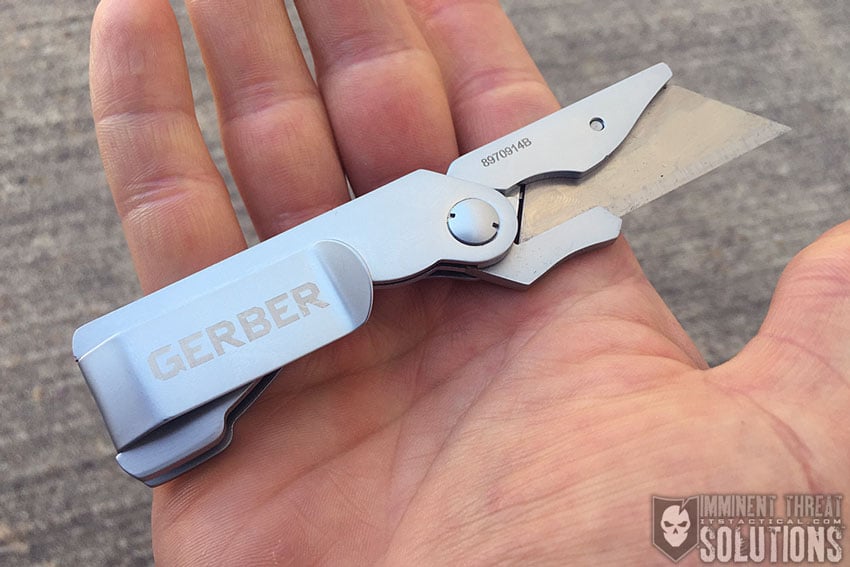
Credit: www.itstactical.com
Frequently Asked Questions
What Is The Main Difference Between Pocket And Utility Knives?
A pocket knife is compact and foldable for everyday carry. A utility knife has a fixed or retractable blade designed for heavy-duty tasks and cutting tough materials. Each serves different purposes based on portability and cutting needs.
Which Knife Is Better For Outdoor Activities?
Pocket knives are better for outdoor activities due to their portability and versatility. They can handle various tasks like cutting rope, preparing food, and minor repairs. Utility knives are less convenient outdoors as they are bulkier and mainly designed for worksite use.
Can A Utility Knife Replace A Pocket Knife?
A utility knife cannot fully replace a pocket knife. Utility knives excel in heavy-duty cutting but lack portability and multi-function features. Pocket knives offer convenience and versatility for everyday tasks, making them ideal for general use.
Are Pocket Knives Legal To Carry Everywhere?
Pocket knife laws vary by location, often restricting blade length or type. Some places allow folding knives, while others ban carrying knives entirely. Always check local regulations before carrying a pocket knife to ensure compliance and safety.
Conclusion
Choosing between a pocket knife and a utility knife depends on your needs. Pocket knives are small, handy, and easy to carry. Utility knives work well for cutting tough materials. Both have their strengths. Think about what tasks you do most.
Carrying the right knife makes work easier and safer. Keep your knife sharp and clean for best use. A good knife is a useful tool every day. Simple tools, smart choices.