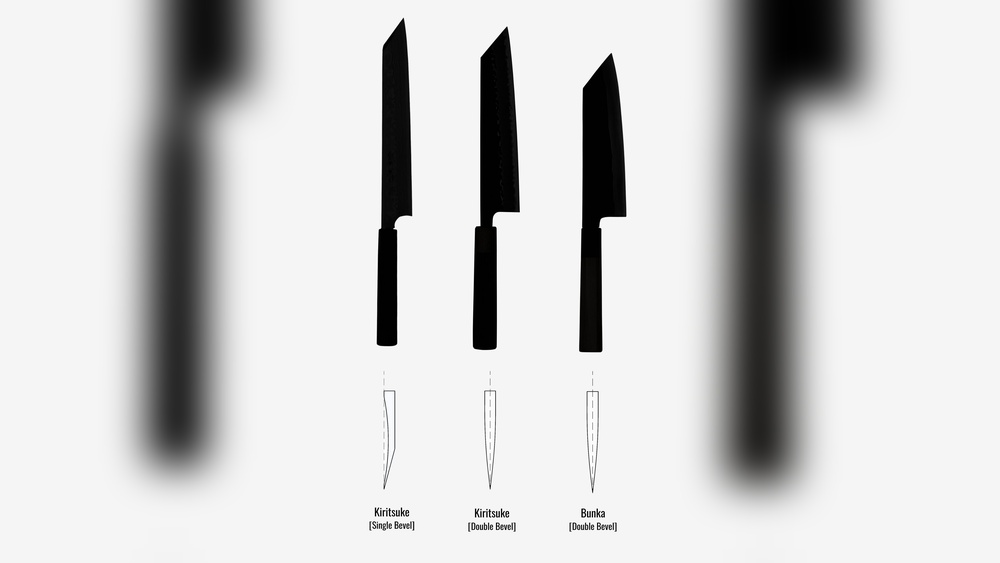
Kiritsuke Knife Vs Bunka: Ultimate Guide to Choosing the Best Blade
Choosing the right knife can change the way you cook every meal. If you’re torn between a Kiritsuke knife and a Bunka knife, you’re not alone.
Both knives offer unique benefits that can make your kitchen work easier and more enjoyable. But which one fits your style and needs best? Keep reading to discover the key differences, so you can make a smart choice and elevate your cooking game.
Blade Design
The blade design is a key factor that sets the Kiritsuke and Bunka knives apart. Each blade shape offers unique advantages for different kitchen tasks. Understanding these differences helps in choosing the right knife for your cooking style.
Both knives combine traditional Japanese craftsmanship with modern needs. Their blade designs reflect their intended use and skill level of the user.
Kiritsuke Shape And Features
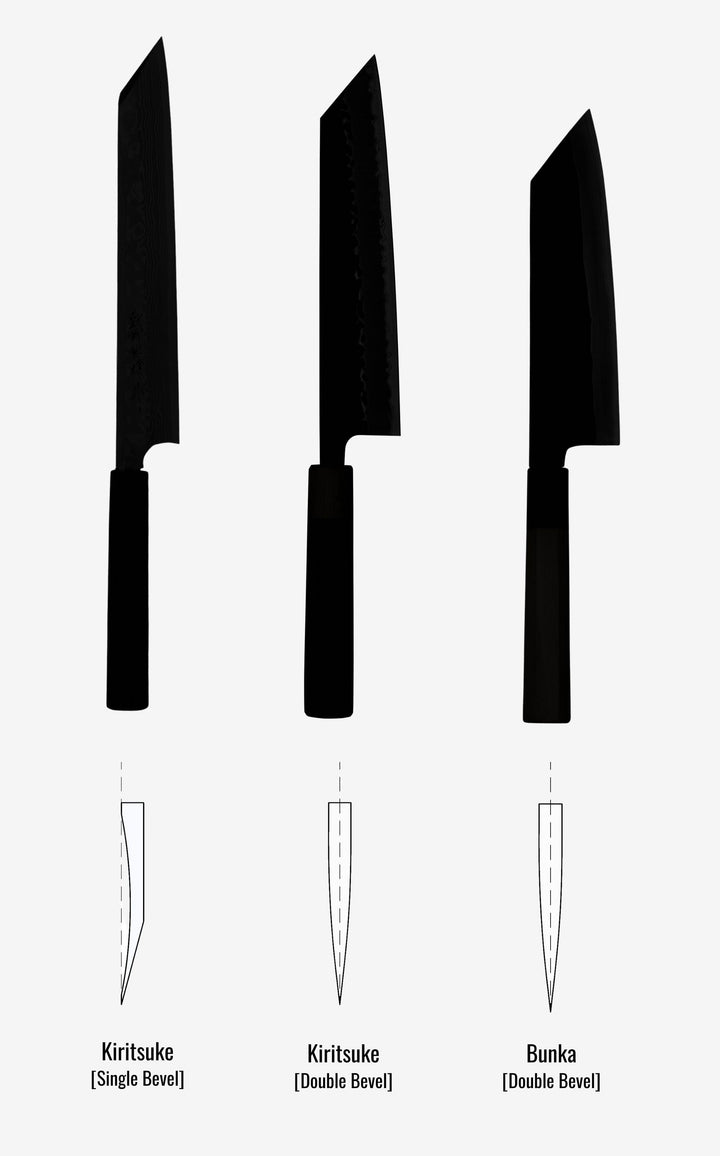
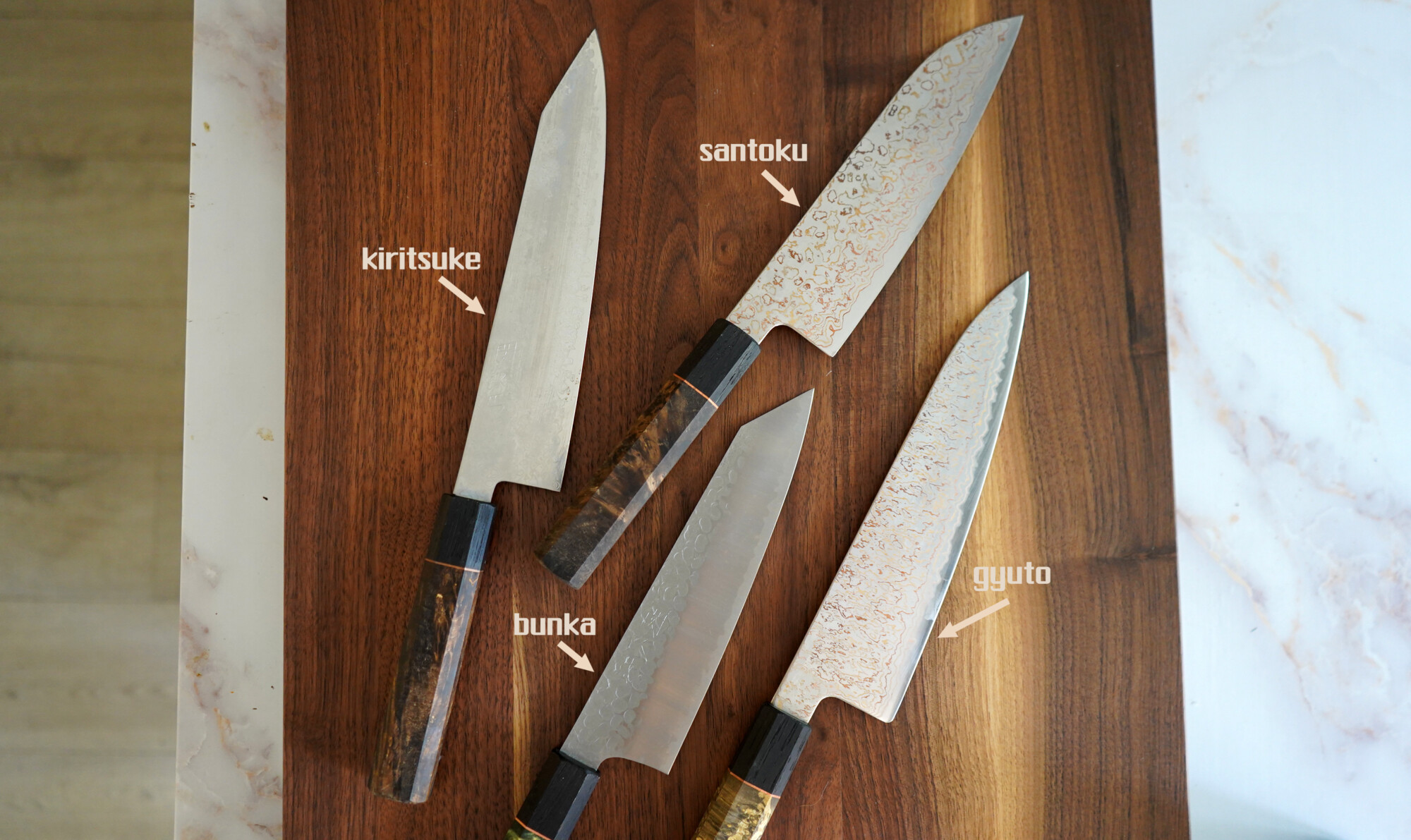
The Kiritsuke blade has a long, straight edge with a pointed tip. It blends the qualities of the yanagiba and usuba knives. The flat edge allows for precise slicing and chopping. The sharp, angled tip is perfect for delicate cuts and intricate work.
This knife often has a single bevel edge, making it sharp but harder to use for beginners. Its length and shape make it ideal for slicing fish and vegetables in thin, clean cuts.
Bunka Blade Characteristics
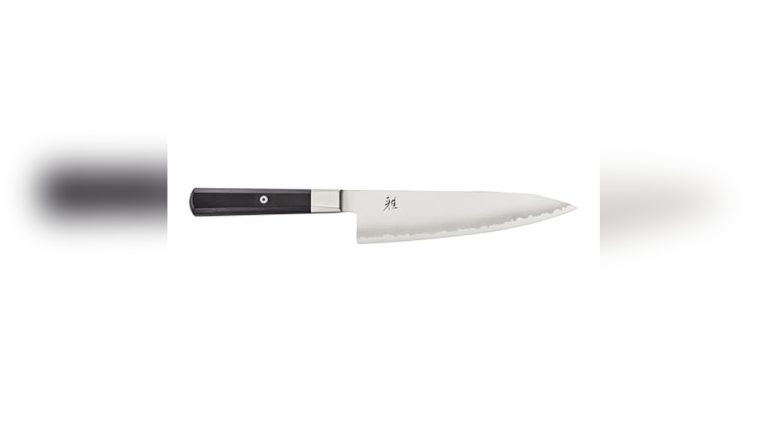
The Bunka blade has a shorter, wider shape with a distinctive angled tip. This tip resembles a reverse tanto, which improves piercing and cutting control. The blade is double beveled, making it easier to handle for most cooks.
The wider blade offers more surface area for scooping and chopping. It suits a variety of tasks, from slicing vegetables to cutting meat. The Bunka is a versatile knife that balances precision and ease of use.

Credit: www.youtube.com
Blade Functionality
The blade functionality of Kiritsuke and Bunka knives defines their use in the kitchen. Each blade shape suits specific cutting tasks. Knowing these differences helps pick the right tool for cooking.
Cutting Techniques With Kiritsuke
The Kiritsuke knife has a long, straight edge with a sharp tip. It excels at slicing fish and vegetables with thin, clean cuts. Chefs use it for precise, delicate work. The flat edge allows smooth chopping and push cuts. The pointed tip is great for detailed tasks like scoring or trimming. Kiritsuke suits experienced cooks due to its size and shape.
Bunka Versatility In The Kitchen
The Bunka knife features a shorter, wider blade with a curved edge. It handles many tasks well, from chopping to slicing. The curved edge helps rock the blade for quick mincing. Its pointed tip is perfect for piercing and detail work. Bunka knives work well with vegetables, meat, and fish. This knife fits home cooks who want one tool for many jobs.
Blade Materials And Construction
Blade materials and construction play a key role in the performance of Kiritsuke and Bunka knives. The choice of steel affects sharpness, durability, and ease of maintenance. Each knife type has distinct preferences for materials that suit its design and function.
Common Materials For Kiritsuke
Kiritsuke knives often use high-carbon steel. This steel offers excellent sharpness and edge retention. Some Kiritsuke blades use layered Damascus steel for added strength and beauty. The construction usually involves a hard core steel with softer outer layers. This design balances sharpness with durability.
Kiritsuke knives may also feature stainless steel for easier care. Stainless steel resists rust and stains but may need more frequent sharpening. The blade often has a single bevel edge, which requires precise steel quality to maintain sharpness.
Material Choices For Bunka Knives
Bunka knives commonly use stainless steel for its rust resistance. This choice makes Bunka knives practical for daily kitchen use. Some models use high-carbon stainless steel. This steel combines sharpness with corrosion resistance.
Bunka blades usually have a double bevel edge. This edge type demands uniform steel quality across the blade. Many Bunka knives have a solid steel construction without layering. This helps keep the blade strong and easy to sharpen.
Credit: sharpedgeshop.com
Handling And Balance
Handling and balance are key factors in choosing the right kitchen knife. They affect how comfortable and safe the knife feels during use. Both the Kiritsuke and Bunka knives offer unique handling experiences. These differences help cooks decide which knife suits their style and tasks best.
Weight And Grip Of Kiritsuke
The Kiritsuke knife is usually heavier than many other kitchen knives. This weight helps in cutting through dense foods with less effort. Its handle is often long and straight, giving a firm grip. The grip design supports precise control over slicing and chopping. The knife feels steady in hand, making long cuts smoother and more consistent.
Bunka Handling Comfort
The Bunka knife is lighter and more balanced toward the handle. This design makes it easy to move quickly and change angles. The handle is slightly curved, fitting well in most hand sizes. It offers a comfortable hold for extended use. The balance between blade and handle helps reduce hand fatigue. This feature makes the Bunka ideal for detailed work and everyday chopping.
Maintenance And Durability
Maintaining your Kiritsuke and Bunka knives is key to their long life. Both knives require care, but their needs differ. Understanding how to sharpen and care for each blade keeps them sharp and durable. Proper maintenance saves money and ensures safe, smooth cutting.
Sharpening Kiritsuke Knives
Kiritsuke knives have a complex blade shape. Sharpen them with a whetstone for best results. Use a fine grit stone to keep the edge smooth. Maintain the blade’s unique angled tip carefully. Avoid electric sharpeners as they can damage the blade. Regular sharpening keeps the Kiritsuke precise and sharp.
Care Tips For Bunka Blades
Bunka knives have a thicker blade than Kiritsuke. Wash them by hand with mild soap and dry immediately. Avoid soaking to prevent rust and blade damage. Store Bunka knives in a wooden block or sheath. Regular honing with a steel rod keeps the edge aligned. Proper care helps the Bunka blade stay strong and sharp longer.
Usage Scenarios
Choosing the right knife depends on the task in your kitchen. Both Kiritsuke and Bunka knives offer unique features. Understanding their usage helps you pick the best tool for each job.
Best Tasks For Kiritsuke
Kiritsuke knives excel at slicing and precision cuts. Their long, flat blade is perfect for cutting fish and sushi. The sharp tip helps with detailed work like scoring and garnishing. Kiritsuke knives also work well for slicing vegetables thinly. They suit chefs who want one knife for multiple tasks. The blade’s shape allows smooth rocking and straight cuts. This knife fits skilled users who need control and finesse.
Ideal Uses For Bunka
Bunka knives handle chopping, slicing, and dicing with ease. Their shorter blade and angled tip make them versatile. Use Bunka for cutting vegetables, fruits, and boneless meat. The blade shape helps with quick, clean cuts. It suits home cooks and beginners thanks to its balance and control. Bunka knives also work well for everyday kitchen tasks. They offer a good mix of precision and strength.
Price And Value
Choosing between a Kiritsuke and a Bunka knife involves more than just style and use. Price and value play key roles. Both knives offer unique benefits, but their costs vary. Understanding these differences helps you pick the right knife for your needs.
Cost Factors For Kiritsuke
Kiritsuke knives often cost more than other kitchen knives. Their price depends on blade length and steel quality. Hand-forged Kiritsuke knives carry higher prices due to craftsmanship. The unique shape and finishing add to the cost. Buyers pay for the knife’s versatility and elegance.
Bunka Knife Pricing
Bunka knives generally cost less than Kiritsuke knives. They use common steel types and simple blade shapes. Mass production lowers Bunka knife prices. Still, high-quality Bunka knives made with premium steel can be pricey. The Bunka offers good value for its cost.
Choosing The Right Knife
Selecting the perfect knife is key for any cook. The Kiritsuke and Bunka knives each have strong points. Understanding your needs helps you pick the best tool.
Both knives serve different purposes. Knowing their features guides your choice. This step improves your kitchen work and makes cooking easier.
Assessing Your Cooking Style
Think about how you cook daily. Do you prepare many vegetables or mostly fish and meat?
Kiritsuke knives suit precise slicing and fine cuts. Bunka knives handle chopping and general tasks well.
Your style influences which knife fits best. A sharp, thin blade works well for delicate work. A wider blade is good for robust chopping.
Matching Knife To Needs
Consider the types of food you cut most often. Soft vegetables, hard roots, or large pieces of meat?
Kiritsuke knives offer control and sharp edges for detailed cutting. Bunka knives provide versatility and strength for many tasks.
Choose a knife that feels comfortable in your hand. The right balance and weight reduce fatigue. This helps you work longer and safer.
Credit: oishya.com
Frequently Asked Questions
What Is The Main Difference Between Kiritsuke And Bunka Knives?
Kiritsuke knives have a straight edge and pointed tip, ideal for slicing. Bunka knives feature a curved edge and angled tip, perfect for chopping and dicing. Both excel in precision but suit different cutting styles and techniques in the kitchen.
Which Knife Is Better For Slicing Fish And Vegetables?
Kiritsuke knives are better for slicing fish due to their long, straight blade. Bunka knives excel at chopping vegetables with their curved edge and pointed tip. Choose based on the primary kitchen tasks you perform for optimal results.
Are Kiritsuke And Bunka Knives Suitable For Beginners?
Bunka knives are more beginner-friendly due to their versatile design and ease of handling. Kiritsuke knives require advanced skills because of their unique shape and precision use. Beginners should start with Bunka before progressing to Kiritsuke knives.
How Do Kiritsuke And Bunka Knives Differ In Blade Design?
Kiritsuke blades are longer, straight, and flat with a sharp angled tip. Bunka blades are shorter, have a curved edge, and an angled tip. These design differences affect cutting style, control, and the types of food they best handle.
Conclusion
Choosing between Kiritsuke and Bunka knives depends on your cooking style. Kiritsuke knives suit precise slicing and elegant cuts. Bunka knives work well for chopping and versatile kitchen tasks. Both knives offer sharp edges and unique shapes. Think about the foods you prepare most often.
Consider how comfortable each knife feels in your hand. Either choice can improve your cooking experience. Try each knife to see which fits you best. Quality and care will keep your knife sharp longer. A good knife makes cooking easier and more fun.