Bunka Knife Vs Santoku: Ultimate Guide to Choose the Best Knife
When it comes to choosing the right kitchen knife, you might feel overwhelmed by all the options. You’ve probably heard about the Bunka knife and the Santoku knife, but which one is really the best fit for your cooking style?
Understanding the key differences between these two Japanese knives can make a huge difference in how you prepare your meals. You’ll discover what sets the Bunka and Santoku apart, helping you pick the perfect tool that makes your chopping, slicing, and dicing easier and more enjoyable.
Keep reading to find out which knife belongs in your kitchen drawer.
Bunka Knife Origins
The Bunka knife is a unique tool in the kitchen. It holds a special place in Japanese cooking. Knowing its origins helps understand its role better. This knife blends tradition with practical design. It serves many tasks, from slicing to chopping. The Bunka knife’s story shows its value in culinary arts.
History And Tradition
The Bunka knife appeared in Japan in the 20th century. It is a modern design inspired by older Japanese knives. The name “Bunka” means “culture” in Japanese. It reflects the knife’s connection to Japanese food culture. Chefs created it to meet changing cooking styles. It combines ideas from traditional knives and Western influences. The Bunka knife became popular for its versatility and sharpness.
Design Characteristics
The Bunka knife has a distinctive shape. It features a pointed tip and a wide blade. The blade usually measures between 6 to 7 inches. Its edge is sharp and slightly curved for easy cutting. The handle is often simple and comfortable to hold. This knife design helps with precise cuts and quick chopping. Its lightweight build makes it easy to control. The Bunka knife is a perfect balance of form and function.
Santoku Knife Origins
The Santoku knife is a popular kitchen tool known for its versatility. Its origins trace back to Japan, where it was designed to handle multiple tasks. Understanding its history helps us appreciate its design and use today.
Background And Evolution
The Santoku knife first appeared in Japan during the mid-20th century. It was created to combine features of Western chef’s knives and traditional Japanese knives. The name “Santoku” means “three virtues” or “three uses.” It refers to its ability to slice, dice, and mince with ease. Over time, the knife gained popularity worldwide for home and professional cooks.
Distinctive Features
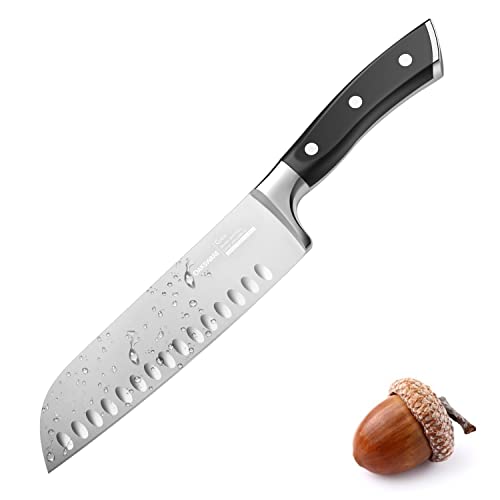
Santoku knives have a shorter, wider blade compared to Western chef knives. The blade usually measures between 5 and 7 inches. It has a flat cutting edge and a rounded tip. This design allows for precise chopping and slicing. The blade often has small indentations called grantons. These reduce food sticking to the knife. The lightweight and balanced build make it easy to control during use.
Blade Shape Comparison
The shape of a knife blade affects how you cut and handle food. Bunka and Santoku knives have unique blade shapes. These differences change their use in the kitchen. Understanding these shapes helps you pick the right knife.
Edge Design
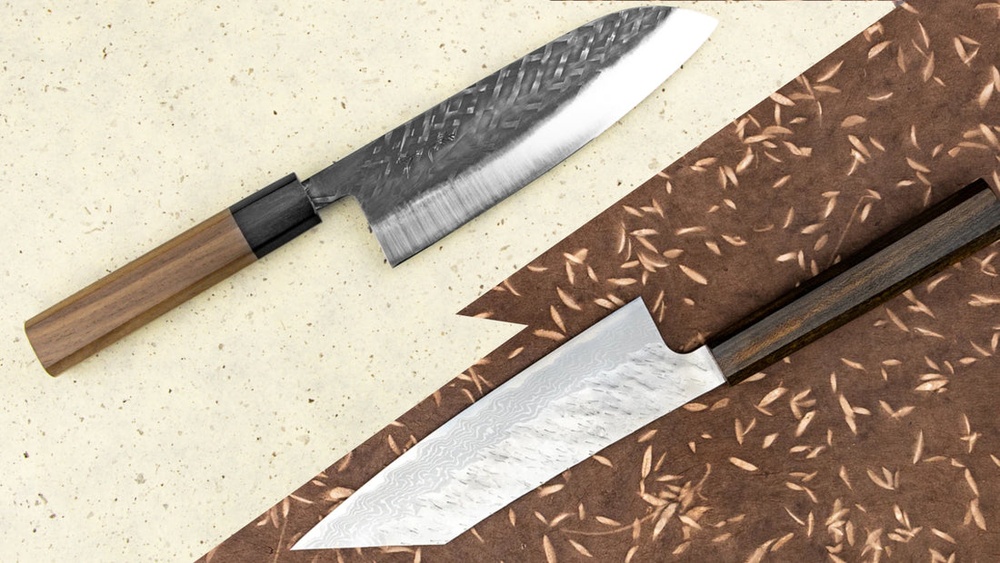
The Bunka knife has a pointed tip with a sharp edge. This tip helps with detailed tasks like slicing and piercing. The edge often has a slight curve, allowing smooth rocking motions.
The Santoku knife features a rounded tip and a straighter edge. It is great for chopping and slicing in a straight up-and-down motion. The edge usually has small indentations to reduce food sticking.
Blade Angle
Bunka knives have a sharper blade angle, usually around 15 degrees per side. This angle makes the edge very sharp but less durable. It works well for precise cuts and thin slices.
Santoku knives have a wider blade angle, about 17 to 20 degrees per side. This angle offers more strength and durability. It suits everyday cutting tasks and tougher ingredients.

Credit: kasumijapan.com
Performance In The Kitchen
Performance in the kitchen depends on the knife’s design and purpose. Bunka and Santoku knives offer distinct advantages. Their shapes and edges affect how they cut and handle food. Understanding these differences helps choose the right knife for tasks.
Cutting Techniques
The Bunka knife has a pointed tip, ideal for precise cuts. It excels at slicing, dicing, and intricate work. Its sharp edge allows clean, thin slices.
The Santoku knife features a rounded tip and a flat edge. It works well with a chopping motion. The blade’s shape helps with scooping food after cutting.
Bunka suits detailed work, while Santoku handles quick, smooth cuts. Each knife supports different styles in the kitchen.
Best Uses
Bunka knives shine with vegetables, herbs, and boneless meat. They perform well for fine, delicate tasks. The pointed tip helps reach tight spots.
Santoku knives are versatile for everyday cooking. They handle vegetables, fish, and light meats easily. Their broad blade also helps with crushing garlic or ginger.
Choosing between them depends on the foods and techniques you use most often.
Handle And Balance
The handle and balance of a knife shape your cutting experience. They affect control, safety, and comfort. Choosing between a Bunka knife and a Santoku means understanding these key features.
Both knives have unique handle designs that fit different hand types. Balance also varies to suit various cutting styles.
Grip Comfort
The Bunka knife handle often feels slimmer and longer. This design suits people with smaller hands. It offers a firm grip for detailed tasks like slicing vegetables.
The Santoku handle is usually wider and rounded. It fits comfortably in larger hands. This handle style reduces hand fatigue during long chopping sessions.
Weight Distribution
Bunka knives tend to have a blade-heavy balance. This makes cutting easier by adding natural weight to the blade. It helps when cutting through tougher ingredients.
Santoku knives often balance more evenly between handle and blade. This creates better control for quick, precise cuts. It works well for chopping herbs and soft vegetables.
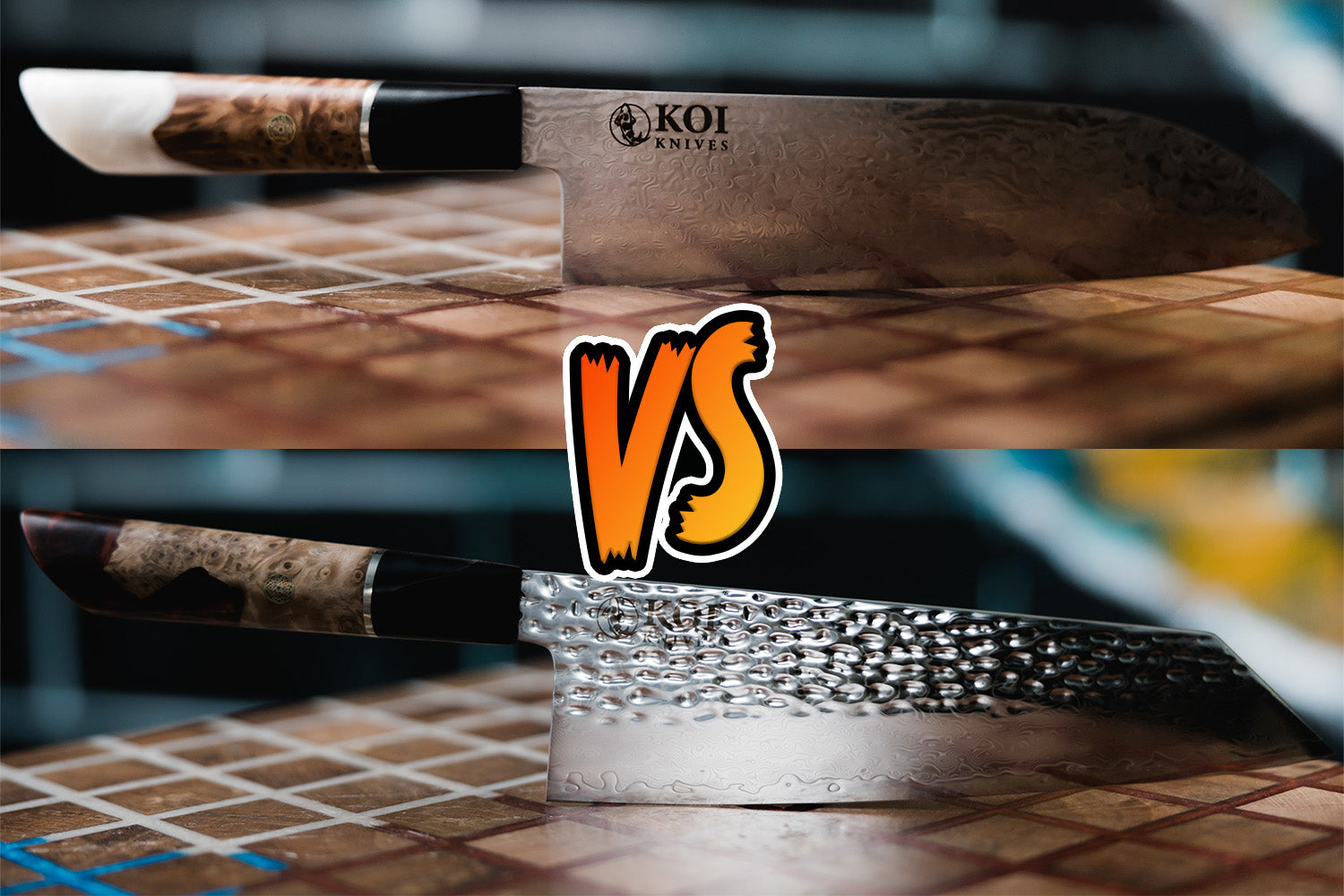
Credit: www.koiknives.com
Maintenance And Durability
Maintenance and durability play a big role in choosing the right kitchen knife. Both Bunka and Santoku knives need proper care to last long. Understanding their maintenance needs helps keep them sharp and safe. Durability depends on how well they resist wear and damage. This section breaks down the key points for each knife type.
Sharpening Ease
Bunka knives often have a sharper angle on their edges. This angle can make sharpening a bit harder for beginners. Santoku knives usually have a wider edge angle. This angle is easier to sharpen with basic tools. Both knives benefit from regular sharpening to maintain performance. Using a whetstone is a good choice for both types.
Material Quality
Bunka knives are often made from high-carbon steel. This steel holds a sharp edge longer but can rust if not dried properly. Santoku knives use stainless steel more commonly. Stainless steel resists rust and stains better. Both knives last longer when cleaned and stored correctly. Quality materials improve strength and reduce chipping over time.
Price And Value
Price and value play a big role in choosing between a Bunka knife and a Santoku. Both knives offer unique benefits, but their costs vary. Understanding their price range and whether they are worth the money helps make a smart purchase.
Cost Range
Bunka knives usually cost between $40 and $150. The price depends on brand, materials, and craftsmanship. Cheaper models are often made of basic steel. Higher-end ones use premium steel and have better balance.
Santoku knives range from $30 to $200. Budget options are common and work well for everyday use. Professional-grade Santoku knives use high-quality steel and have a sharper edge. These knives tend to be a bit more expensive than Bunka knives on average.
Investment Worthiness
Both knives offer good value for money. Bunka knives suit cooks who want precision and a sharp point. They hold their edge well and last long with care. This makes them a smart investment for regular use.
Santoku knives are versatile and easy to handle. They work well for chopping, slicing, and dicing. Their price reflects their broad usefulness in the kitchen. Choosing a Santoku means investing in a reliable all-round knife.
Choosing The Right Knife
Choosing the right knife can change your cooking experience. A good knife fits your style and needs. It helps you cook faster and safer. Both Bunka and Santoku knives offer unique benefits. Understanding your personal style and kitchen needs guides your choice.
Personal Cooking Style
Do you prefer slicing vegetables or cutting meat? Bunka knives have a sharp tip for detailed work. Santoku knives excel at chopping and dicing. If you like precise cuts, Bunka might suit you. For quick, smooth chopping, Santoku works well. Think about how you cook every day.
Kitchen Needs
Consider the space in your kitchen. Bunka knives tend to be lighter and easier to handle. Santoku knives are versatile and good for many tasks. If you want one knife for most jobs, Santoku is a good choice. If you need a knife for specific tasks, Bunka fits well. Match the knife to your kitchen tasks.
Credit: www.reddit.com
Frequently Asked Questions
What Is The Main Difference Between Bunka And Santoku Knives?
Bunka knives have a pointed tip and a flat edge, ideal for precise cuts. Santoku knives feature a rounded tip and a granton edge, perfect for slicing and dicing. Both excel in Japanese cuisine but serve slightly different cutting styles.
Which Knife Is Better For Chopping Vegetables?
Santoku knives are generally better for chopping vegetables due to their wider blade and granton edge. This design prevents food from sticking. However, Bunka knives also handle vegetables well with precise control and sharper tips for intricate cuts.
Can Bunka Knives Replace Santoku Knives In Cooking?
Yes, Bunka knives can replace Santoku knives, especially for detailed work and slicing. They offer versatility but may lack the Santoku’s non-stick edge. Choosing depends on your cutting style and specific kitchen tasks.
Are Bunka And Santoku Knives Easy To Sharpen?
Both Bunka and Santoku knives are easy to sharpen with proper tools. Their straight edges and high-quality steel retain sharpness well. Regular maintenance ensures optimal performance and longevity for both knife types.
Conclusion
Choosing between a Bunka knife and a Santoku depends on your cooking style. Both knives offer sharp blades and good balance. Bunka knives excel in precise slicing, while Santoku knives work well for chopping and dicing. Each knife brings unique features that suit different tasks.
Think about what you cut most often in the kitchen. A good knife makes cooking easier and more enjoyable. Try both types if you can. Find the one that feels right for you. Cooking becomes better with the right tools in hand.