Butter Knife Vs Butter Spreader: Ultimate Guide to Choose Right
When it comes to spreading butter, you might think any knife will do. But have you ever stopped to wonder if a butter knife or a butter spreader works better for you?
Choosing the right tool can make your mornings smoother and your toast tastier. You’ll discover the key differences between a butter knife and a butter spreader, helping you pick the perfect one for your kitchen. Stick with me, and by the end, you’ll know exactly which tool fits your needs and why it matters to your daily routine.

Credit: inoxflatware.com
Butter Knife Basics
Understanding the basics of a butter knife helps you choose the right tool for spreading butter smoothly. This utensil looks simple but has specific features designed for easy use at the table or in the kitchen. Knowing its design, materials, and uses makes your dining experience better and more enjoyable.
Design And Shape
A butter knife has a blunt edge, not sharp like a regular knife. Its blade is usually wide and rounded, helping to spread butter without tearing bread. The handle is easy to grip, giving control while spreading. The shape focuses on spreading, not cutting.
Material Types
Butter knives come in stainless steel, plastic, or wood. Stainless steel is durable and easy to clean. Plastic knives are lightweight and often colorful. Wooden knives offer a natural look but need careful cleaning. Each material suits different needs and styles.
Common Uses
Butter knives mainly spread butter, margarine, or soft cheeses. They work well for jams and spreads too. They are safe for kids to use at meals. Butter knives keep bread intact while spreading soft toppings evenly.
Credit: www.thekitchn.com
Butter Spreader Features
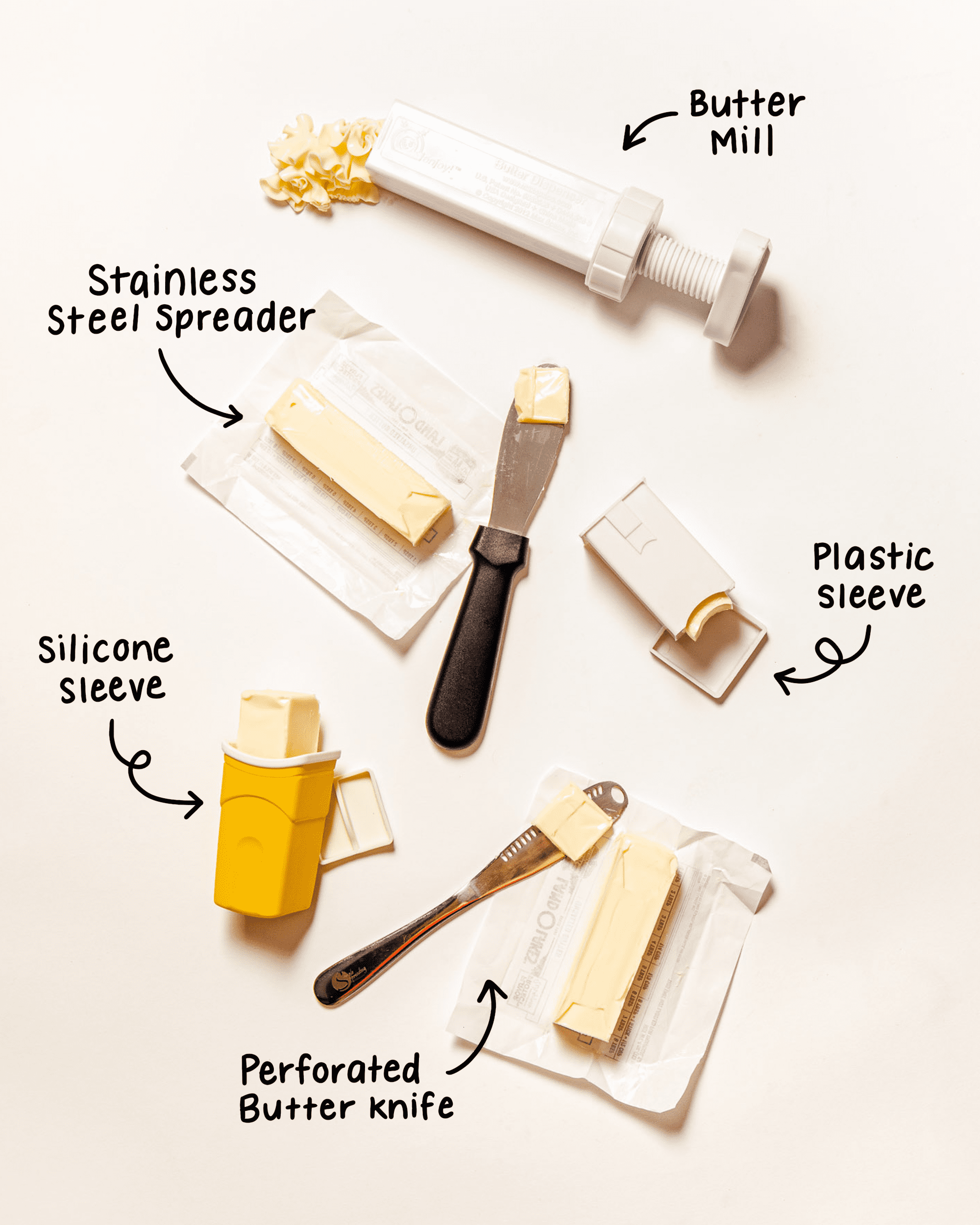
Butter spreaders have unique features that make spreading butter easier and neater. They differ from regular butter knives in shape, size, and function. These features help spread soft or cold butter smoothly on bread or toast.
Unique Design Elements
Butter spreaders often have a rounded or flat blade. This shape helps spread butter evenly without tearing bread. Some have a wider blade to cover more surface quickly. The edges are usually smooth to prevent scratching plates or cutting bread.
Materials And Durability
Butter spreaders come in stainless steel, plastic, or wood. Stainless steel is strong and easy to clean. Plastic spreaders are lightweight and safe for non-stick surfaces. Wooden spreaders add a rustic look but need careful washing. Durable materials ensure long-lasting use.
Ideal Uses
Butter spreaders work best for soft spreads like butter, cream cheese, or jam. They glide smoothly without tearing bread. They are perfect for breakfast, snacks, and party platters. Their gentle touch keeps food looking neat and fresh.
Comparing Functionality
Comparing the functionality of a butter knife and a butter spreader helps you choose the best tool. Each tool has a unique design for handling butter. Understanding their differences makes spreading butter easier and cleaner.
Spreading Efficiency
A butter spreader has a wider, flat blade. It covers more bread surface quickly and smoothly. A butter knife has a thinner, sharper blade. It is better for cutting butter but spreads slower. For soft butter, the spreader works best. For cold, hard butter, the knife cuts better.
Ease Of Use
The butter spreader feels comfortable in hand. Its shape helps apply even pressure. The butter knife can be harder to hold steady. It requires more effort to spread butter evenly. Beginners find the spreader easier to use. The knife demands more control and skill.
Cleaning And Maintenance
Both tools clean easily with warm water and soap. The spreader’s flat blade has fewer crevices. It dries faster and stays cleaner. The butter knife’s sharp edge needs careful washing. Both tools last long with regular cleaning. Avoid harsh scrubbers to keep blades smooth.
Choosing Based On Needs
Choosing between a butter knife and a butter spreader depends on your daily needs. Each tool serves a unique purpose in the kitchen. Picking the right one can make spreading butter easier and more enjoyable. Consider how you use butter most often to decide.
For Everyday Use
A butter knife works well for daily tasks. It cuts and spreads butter with ease. Its simple design fits any kitchen drawer. Use it to slice butter for toast or cooking. It handles firm butter better than a spreader.
For Entertaining Guests
A butter spreader shines during gatherings. Its wide, flat blade spreads butter smoothly. Guests appreciate its neat and elegant use. It makes spreading soft butter or flavored butter easier. A spreader adds a touch of style to your table.
For Special Diets
Special diets often require soft spreads or alternatives. A butter spreader works best with these. It can gently spread vegan butter or margarine. The smooth blade prevents tearing delicate bread. Choose a spreader for healthier, softer spreads.
Styling And Aesthetic Appeal
Choosing between a butter knife and a butter spreader goes beyond function. Style and look play a big role too. These tools add charm to your dining table. Their design affects the overall feel of your meal setting. Let’s explore how styling and aesthetic appeal differ in these two kitchen essentials.
Matching Tableware
Butter knives often match classic table settings. Their sleek and simple look fits formal dinners well. Butter spreaders tend to have a casual, fun style. They pair nicely with rustic or modern tableware. Matching your butter tool with plates and cutlery creates a neat look.
Trends And Designs
Butter knives usually stay traditional in design. They favor smooth lines and shiny finishes. Butter spreaders embrace creative shapes and colors. Some come with patterned handles or bright tones. Trends show more people choose spreaders for a unique touch.
Personal Preferences
Some like the sharp look of a butter knife. Others prefer the soft, rounded edges of a spreader. Comfort and grip also matter. Butter spreaders often feel easier to handle. Your choice reflects your style and dining habits.

Credit: sabrinacurrie.com
Price And Availability
Price and availability are important when choosing between a butter knife and a butter spreader. Both tools serve similar purposes but come at different costs. Finding the right balance between price and quality helps you pick the best option for your kitchen.
Budget Options
Basic butter knives and spreaders are affordable. You can find sets for under $10. These usually have simple designs and materials like stainless steel or plastic. They work well for everyday use and small households. Budget options are easy to replace if lost or damaged.
Premium Choices
Premium butter knives and spreaders cost more. Prices range from $20 to $50 or higher. These often feature high-quality materials like silver, wood, or ceramic handles. They may have special designs or engraved details. Premium tools add style and durability to your kitchen.
Where To Buy
Butter knives and spreaders are widely available. Find them in kitchenware stores, supermarkets, and online shops. Online retailers offer a wide selection with customer reviews. Specialty stores may carry unique or handcrafted options. Choose a place that fits your budget and needs.
Frequently Asked Questions
What Is The Difference Between A Butter Knife And Spreader?
A butter knife typically has a blunt edge for cutting soft butter. A butter spreader has a wider, flat blade designed for easy spreading. Both tools serve distinct purposes in handling butter efficiently and improving the dining experience.
Can I Use A Butter Knife As A Spreader?
Yes, a butter knife can spread butter but is less efficient. It’s narrower and not as flat as a spreader. For smooth, even spreading, a butter spreader is a better choice.
Which Tool Is Better For Soft Butter?
A butter knife works well for soft butter as it easily cuts through. However, a butter spreader ensures smooth, even coverage on bread or toast. Choose based on the butter’s texture and your spreading preference.
Are Butter Spreaders Dishwasher Safe?
Most butter spreaders are dishwasher safe, but check the manufacturer’s instructions. Stainless steel and durable plastic handles typically withstand dishwasher cleaning. Proper care ensures longevity and maintains the tool’s quality.
Conclusion
Both butter knives and butter spreaders have their uses. Butter knives work well for cutting and serving. Butter spreaders make spreading soft and easy. Choose the tool that fits your needs best. Simple tools can make your kitchen tasks smoother.
Remember, small differences can change your experience. Try both and see which feels right. Enjoy your meals with the right utensil in hand.