Ulu Knife Vs Regular Knife: Ultimate Blade Battle Revealed
Are you tired of using the same old knife that just doesn’t feel right in your hand? Imagine a blade that offers more control, comfort, and efficiency every time you chop, slice, or dice.
That’s where the Ulu knife comes in. But how does it really stack up against your regular knife? If you want to know which one can make your kitchen tasks easier and more enjoyable, keep reading. This comparison will help you discover which knife suits your style and needs best.
Your cooking experience might just change forever.

Credit: lamsonproducts.com
Blade Design Differences
Blade design plays a key role in how a knife performs. The Ulu knife and regular knife differ greatly in this area. Each design suits different cutting tasks and styles. Understanding these differences helps in choosing the right tool.
Shape And Curvature
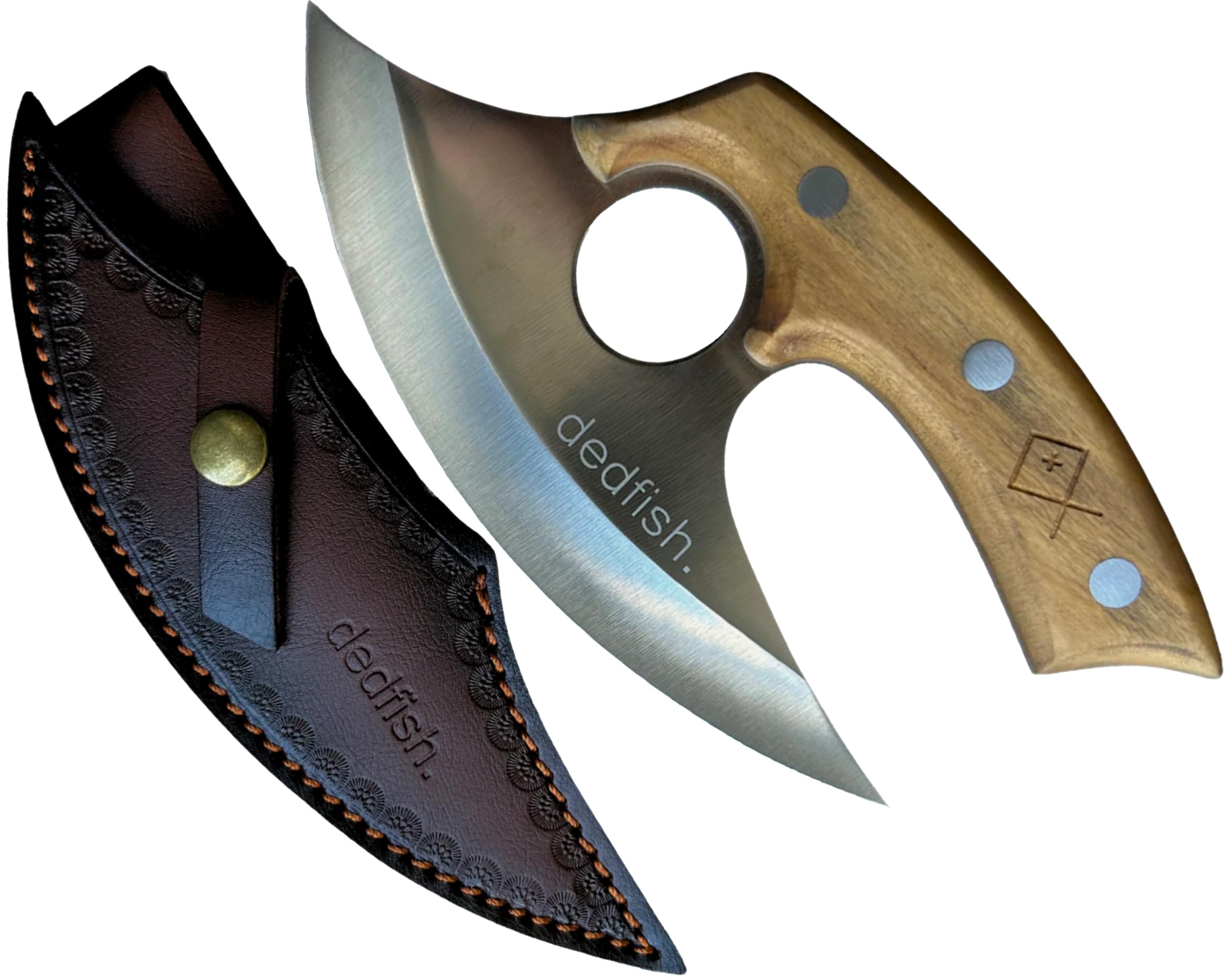
The Ulu knife has a wide, curved blade. It looks like a half-moon or a crescent. This shape allows for a rocking motion during cutting. Regular knives usually have straight or slightly curved blades. Their shape fits slicing and chopping with a straight up-and-down motion.
Edge And Sharpness
The Ulu knife’s edge is long and continuous. It stays sharp for many uses. The edge is ideal for chopping and mincing. Regular knives often have pointed tips and varied edge styles. Their sharpness suits precise cuts and detailed work.
Blade Thickness And Weight
The Ulu knife typically has a thicker, heavier blade. This adds strength and durability. It helps push through tough foods easily. Regular knives are lighter and thinner. This makes them easier to handle for delicate tasks.
Handle And Grip Styles
The handle and grip style play a big role in how a knife feels and works. Ulu knives and regular knives have very different handle designs. These differences affect comfort, control, and safety. Understanding these features can help you choose the right knife for your needs.
Ergonomics And Comfort
The Ulu knife has a curved handle that fits the palm well. This shape allows a rocking motion for cutting. It reduces wrist strain during long use. Regular knives usually have straight handles. They require a chopping motion and more wrist movement. Comfort depends on how the handle fits your hand size and shape.
Materials Used
Ulu knife handles often use wood, bone, or plastic. These materials give a warm, solid feel. Some modern Ulus have rubber grips for extra slip resistance. Regular knife handles come in wood, plastic, metal, or composite. Plastic and metal can be slippery when wet. Wood offers a classic look but needs care to avoid damage.
Balance And Control
The Ulu’s handle sits directly above the blade’s center. This design gives excellent control and balance. It helps with precise cutting and easy rocking motions. Regular knives have handles behind the blade. This setup offers power for chopping but less balance for fine work. Control depends on handle shape and weight distribution.
Cutting Performance
Cutting performance is a key factor when choosing between an Ulu knife and a regular knife. The shape and design of each knife affect how well it cuts through different foods. Understanding their cutting strengths helps to pick the right tool for your kitchen tasks.
Each knife offers unique benefits. The Ulu knife’s curved blade allows smooth rocking motions. Regular knives have a straight blade for precise slices. These differences impact how each knife performs in daily use.
Precision And Versatility
The Ulu knife excels in rocking cuts, making it great for chopping herbs and vegetables. Its curved blade provides a broad cutting surface. This design allows quick, smooth cuts with less effort.
Regular knives offer more control for detailed work. Their straight edges help make clean, thin slices. This precision is useful for tasks like filleting fish or slicing fruits.
Suitable Cutting Tasks
The Ulu knife suits chopping, mincing, and dicing. It handles tough vegetables and meats with ease. Its wide blade also helps scoop up chopped food.
Regular knives fit well for slicing, peeling, and trimming. They work well on delicate foods requiring accuracy. Their narrower blades are better for detailed kitchen tasks.
Efficiency In Food Preparation
The Ulu knife speeds up chopping large quantities. Its design reduces hand fatigue during repetitive motions. This makes it ideal for heavy-duty food prep.
Regular knives offer efficient cutting for precise tasks. They allow careful control to avoid damaging food. This efficiency suits recipes needing fine cuts.

Credit: www.amazon.com
Durability And Maintenance
Durability and maintenance are key factors when choosing between an Ulu knife and a regular knife. Both knives serve different purposes and require different care. Understanding these differences helps users keep their knives sharp and long-lasting.
Blade Longevity
The Ulu knife has a broad, curved blade. This design spreads wear evenly. It tends to last longer with proper use. Regular knives have thinner, straight blades. These can dull faster, especially with hard cutting tasks.
Sharpening Techniques
Sharpening an Ulu knife needs a special approach. Its curved blade requires a rocking motion. Regular knives are easier to sharpen. A simple push-and-pull on a sharpening stone works well.
Resistance To Wear And Tear
Ulu knives resist wear due to their thick blade. They handle chopping and slicing without bending. Regular knives are more prone to chips. They may need frequent sharpening and careful use.
Cultural And Historical Significance
The cultural and historical significance of the Ulu knife sets it apart from regular knives. It holds deep meaning beyond just cutting tasks. The Ulu is a symbol of heritage and identity for many Indigenous peoples. Its story reveals traditions and values passed down through generations.
Regular knives, while useful, lack this rich cultural background. They represent everyday tools without the same historical depth. Understanding these differences helps appreciate the Ulu’s special place in history and culture.
Origins And Traditions
The Ulu knife originated with the Inuit people. It was made for women to help with skinning animals and preparing food. The shape of the blade was designed for efficiency in these tasks. Passed down through families, it became part of everyday life and survival.
Regular knives have varied origins worldwide. They serve general purposes and do not carry specific cultural stories. Their designs focus more on practicality than tradition.
Modern Adaptations
Today, the Ulu knife appears in many modern forms. Materials like stainless steel and plastic handles are common. Despite changes, the traditional shape remains. This keeps the connection to its cultural roots strong.
Regular knives also evolve with technology. New materials and designs improve their function. But they rarely hold cultural meaning like the Ulu knife does.
Symbolism And Usage
The Ulu knife symbolizes strength, skill, and community. It represents the role of women in Indigenous societies. Used in ceremonies and daily tasks, it connects people to their heritage.
Regular knives symbolize utility and convenience. Their use is practical, not symbolic. They do not carry deep cultural or social meanings.
Price And Accessibility
Price and accessibility play a big role in choosing between an Ulu knife and a regular knife. Many buyers want to know which option fits their budget and is easy to find. This section breaks down the costs, market availability, and value for money of both knives.
Cost Comparison
Ulu knives usually cost more than regular knives. The unique shape and handmade design add to the price. Regular knives come in many types and prices. Basic models are often cheaper. High-end regular knives can be more expensive than some Ulu knives.
Availability In Markets
Regular knives are widely available in stores worldwide. Grocery stores, kitchen shops, and online markets stock them easily. Ulu knives are less common. They often appear in specialty shops or online stores that focus on traditional tools. Finding an Ulu knife may take more effort.
Value For Money
Ulu knives offer good value for specific tasks like skinning and chopping. Their unique design makes some jobs easier. Regular knives are more versatile for everyday use. Choosing depends on your cooking style and needs. Both knives can be worth the price if used properly.
User Preferences And Recommendations
Choosing between an Ulu knife and a regular knife depends on what you need most. Each knife has strengths that suit different tasks and users. Understanding these differences helps pick the right tool.
Best Uses For Ulu Knife
The Ulu knife shines in chopping and mincing. Its curved blade cuts food with a rocking motion. It works well on herbs, vegetables, and boneless meat. The design offers good control and reduces wrist strain. Many find it perfect for tasks needing quick, repetitive cuts.
When To Choose Regular Knife
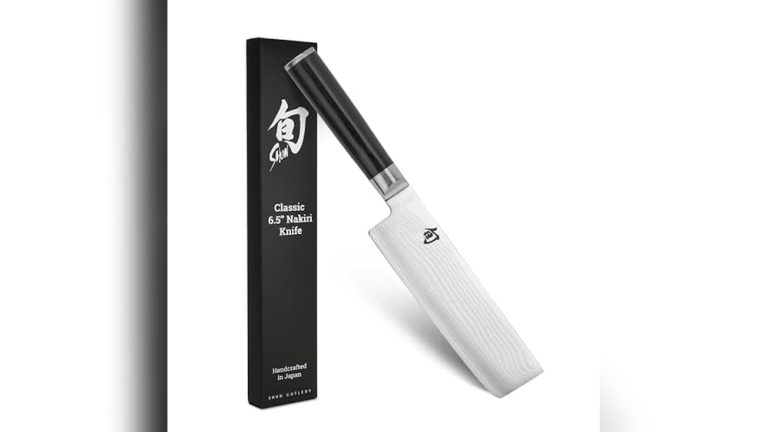
Regular knives fit well in many kitchens. They perform well in slicing, dicing, and peeling. Their straight blade helps make precise cuts. They handle tougher jobs like cutting through bones or hard vegetables. Regular knives come in various types for specific tasks.
Expert Tips And Tricks
Keep the Ulu knife sharp for smooth cutting. Use a gentle rocking motion to avoid damage. Clean it carefully to maintain the blade shape. For regular knives, choose the right size for each task. Sharpen often to keep edges sharp and safe. Store knives properly to prevent accidents and dullness.
Credit: www.amazon.com
Frequently Asked Questions
What Is The Main Difference Between Ulu And Regular Knives?
The Ulu knife has a curved blade designed for rocking cuts. Regular knives have straight blades for slicing and chopping. This unique shape makes the Ulu ideal for tasks like mincing and skinning.
Which Knife Is Better For Chopping Vegetables?
Regular knives are generally better for chopping vegetables. Their straight blades provide more control and precision. The Ulu knife excels more in rocking motions but can be less precise for detailed cuts.
How Does The Ulu Knife Handle Compare To Regular Knives?
Ulu knives have a horizontal handle above the blade for a strong grip. Regular knives have a vertical handle for varied grip styles. The Ulu’s handle reduces wrist strain during repetitive cutting tasks.
Are Ulu Knives Easier To Sharpen Than Regular Knives?
Ulu knives can be harder to sharpen due to their curved blade. Regular knives usually have straight edges, making sharpening simpler. Specialized tools are recommended for maintaining an Ulu knife’s edge.
Conclusion
The Ulu knife and regular knife serve different kitchen needs. The Ulu knife works well for chopping and slicing with ease. Regular knives offer more versatility for everyday tasks. Choose the knife that fits your cooking style best. Both knives can make food preparation easier.
Understanding their differences helps you pick the right tool. Each knife has its own strengths in the kitchen. Use the one that feels right for you. Simple tools can make cooking more enjoyable.