Swiss Army Knife Vs Multitool: Ultimate Gear Showdown Revealed
When you need a tool that can handle almost anything, choosing between a Swiss Army Knife and a multitool can be tricky. You want something reliable, easy to carry, and packed with useful features.
But which one fits your needs better? By the end of this article, you’ll know exactly which tool suits your lifestyle, whether you’re tackling everyday tasks or going on outdoor adventures. Keep reading to discover the key differences that will help you make the smartest choice for your toolbox.
Swiss Army Knife Origins
The Swiss Army Knife is a small tool with a big story. It started as a simple pocket knife for soldiers. Over time, it grew into a symbol of clever design and usefulness.
This tool combines many functions in one compact form. Its history shows how smart ideas can become lasting tools.
History And Evolution
The Swiss Army Knife was first made in the late 1800s. The Swiss army wanted a tool to help soldiers with many tasks. A company named Victorinox made the first knives in 1891.
Early versions had a blade, screwdriver, can opener, and reamer. Soldiers used them in the field for repairs and food. Over the years, new tools were added for more jobs.
Today, there are dozens of types of Swiss Army Knives. They include scissors, corkscrews, tweezers, and more. The design stayed small and easy to carry.
Iconic Features
The Swiss Army Knife has some features that everyone knows. The red handle with a white cross is one of them. It makes the tool easy to spot and recognized worldwide.
Each knife folds its tools inside the handle. This makes it safe and compact. The blades and tools are made from strong stainless steel. They stay sharp and resist rust.
The Swiss Army Knife fits many functions in one small package. It can open cans, cut ropes, fix things, and much more. This versatility makes it a favorite for many people.

Credit: www.youtube.com
Multitool Beginnings
The multitool is a handy device that combines many tools into one small item. It offers great convenience for many tasks. People have used multitools for decades, and their designs have changed over time. These changes made multitools more useful and easier to carry.
Understanding the history of multitools helps us see how they became popular. Early designs and key innovations paved the way for modern multitools.
Early Designs
The first multitools were simple. They often combined a knife blade with a few other tools like a screwdriver or can opener. These tools were made to fit easily in a pocket. Soldiers and outdoorsmen used them a lot. Early multitools focused on basic, practical functions.
Some early models looked like small folding knives. They had limited tools but helped users handle small repairs and tasks. These designs laid the foundation for more complex multitools later.
Key Innovations
Over time, new ideas improved multitools. One big change was adding pliers. This made multitools more useful for gripping and twisting. Designers also added scissors, files, and saw blades. These tools increased the multitool’s versatility.
Another innovation was the locking mechanism. It made tools safer to use and stopped them from folding back accidentally. Compact size improved as well. Today’s multitools are stronger but still easy to carry. These innovations helped multitools become essential for many people.
Design And Build
The design and build of Swiss Army Knives and multitools play a big role in their use. Both tools are made to be strong and useful. Their designs affect how easy they are to carry and use daily.
Understanding their materials and how they feel in hand helps choose the right tool. Size and comfort also matter a lot for everyday tasks.
Materials Used
Swiss Army Knives mostly use stainless steel for blades. This metal resists rust and stays sharp longer. The handles are often made of plastic or aluminum.
Multitools also use stainless steel, but some parts may have tougher metals. This helps with heavy-duty jobs. Their handles can be metal or rubber for a better grip.
Ergonomics And Size
Swiss Army Knives are compact and light. They fit easily in pockets. Their shape is smooth and simple to hold.
Multitools tend to be bigger and heavier. They have thicker handles to hold many tools inside. This can make them harder to carry but easier to grip during work.
Tool Variety
Tool variety is key when choosing between a Swiss Army Knife and a multitool. Each offers different sets of tools designed for various tasks. Knowing what tools come with each helps pick the right one.
Swiss Army Knives often focus on everyday tasks and personal use. Multitools tend to include more heavy-duty and specialized tools for work or outdoor projects.
Common Tools In Swiss Army Knives
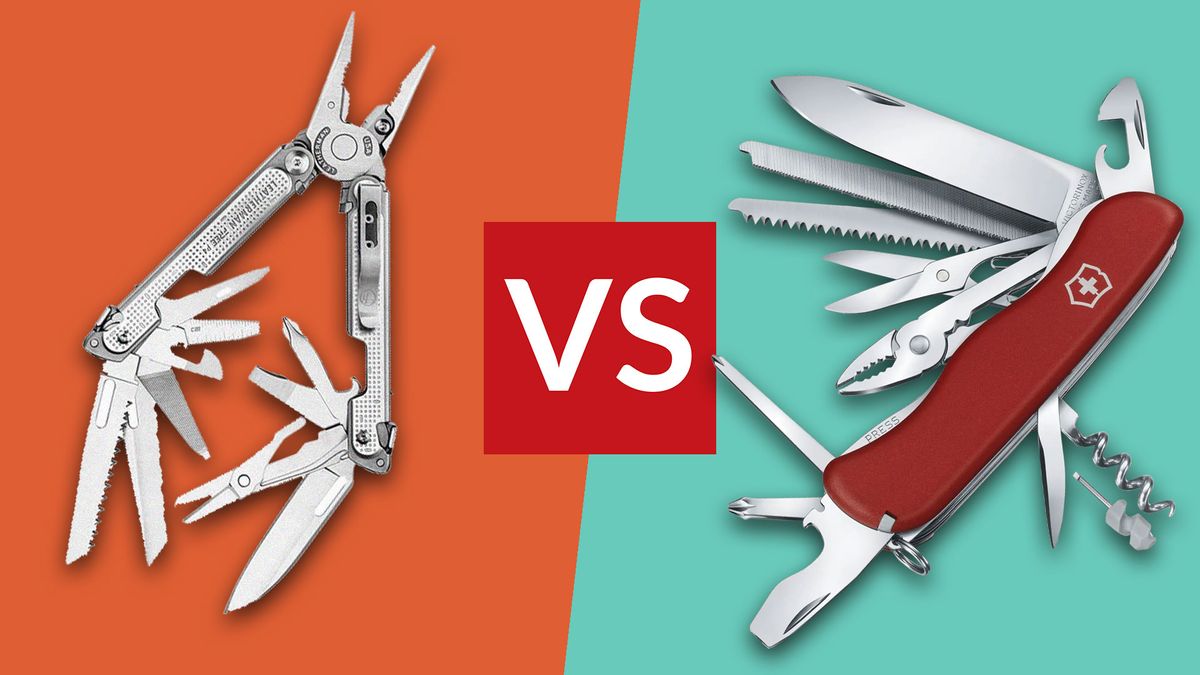
Swiss Army Knives usually have a small blade for cutting tasks. They often include scissors, a nail file, and a screwdriver. Many models also come with a can opener and a bottle opener. Tweezers and toothpicks are common for personal care. Some versions add a corkscrew for opening bottles of wine. The tools fold compactly into the handle for easy carrying.
Typical Multitool Components
Multitools often include pliers as the main feature. They usually have wire cutters built into the pliers. Knife blades in multitools are often larger and stronger. Screwdrivers come in various sizes, sometimes with bits for different screws. Many have saw blades for wood or plastic cutting. File tools and scissors are common additions. Some multitools include can and bottle openers too. They are built to handle tougher tasks.
Functionality And Use Cases
The functionality of a Swiss Army Knife and a multitool defines their value to users. Each tool suits different needs and environments. Knowing their strengths helps pick the right one for the task.
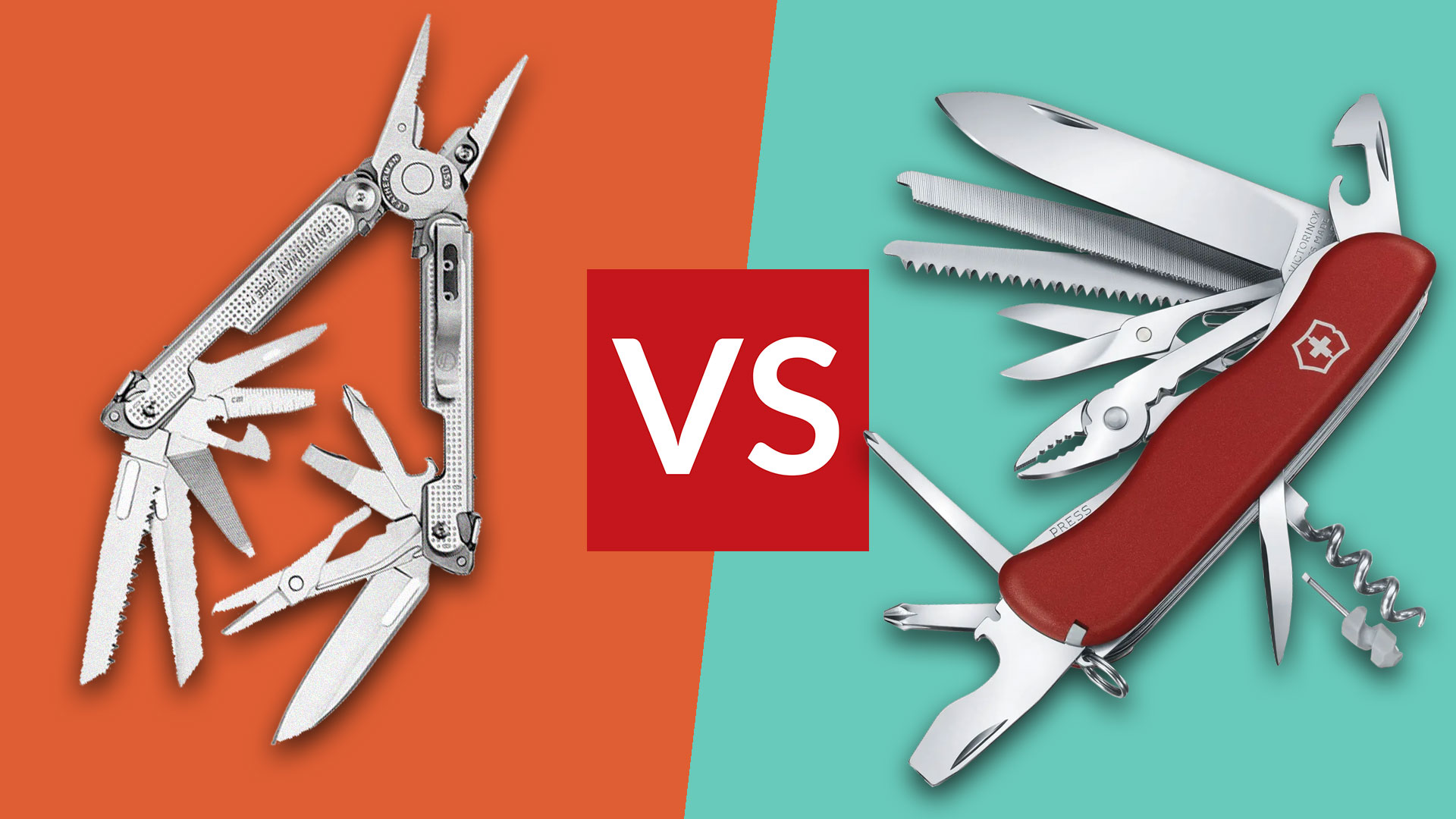
Both tools combine multiple functions into one compact device. The Swiss Army Knife usually has blades, screwdrivers, and scissors. Multitools often include pliers, wire cutters, and more heavy-duty tools. This variety affects how they perform in daily life and special situations.
Everyday Tasks
Swiss Army Knives excel in small daily jobs. Opening packages, cutting strings, or tightening small screws are easy tasks for them. Their lightweight design fits well in pockets. Multitools handle similar tasks but add pliers and stronger blades. This makes them better for tougher fixes at home or work.
Outdoor And Survival
For outdoor use, multitools offer more robust functions. Pliers and wire cutters help with camping, fishing, or fixing gear. Swiss Army Knives provide useful tools like saws and can openers. They are lighter and simpler for hiking or quick survival needs. Both tools support outdoor activities but suit different levels of challenge.
Professional Applications
Professionals often prefer multitools for their strength and versatility. Electricians, mechanics, and technicians use multitools for cutting wires and gripping parts. Swiss Army Knives work well for light repairs and small adjustments. The choice depends on the job’s demands and the user’s preference for portability or power.
Portability And Convenience
Portability and convenience play a big role when choosing between a Swiss Army Knife and a multitool. Both tools offer multiple functions but differ in size and ease of carrying. Understanding these differences helps pick the right tool for daily use or outdoor activities.
Weight And Pocketability
Swiss Army Knives usually weigh less than multitools. Their slim design fits easily in a pocket or small pouch. Multitools tend to be bulkier and heavier because of larger pliers and more tools. Carrying a multitool in a pocket may feel uncomfortable for some. Swiss Army Knives offer a lighter option for those who want easy carry.
Ease Of Access
Swiss Army Knives have tools that fold out quickly and smoothly. Many models have nail nicks or thumb slots for fast opening. Multitools often require unfolding multiple parts to reach the tool you need. This can slow down access in urgent situations. Swiss Army Knives provide quicker tool access for simple tasks on the go.
Durability And Maintenance
Durability and maintenance are key factors when choosing between a Swiss Army Knife and a multitool. Both tools face wear and tear from daily use. Knowing how strong they are and how to care for them helps keep them working well for years.
Material Strength
Swiss Army Knives mostly use stainless steel. This metal resists rust and stays sharp. Their tools are thin but tough. Multitools use heavier steel, often with extra coatings. This makes them strong for hard tasks. Some parts may be thicker or bulkier. Both tools can handle regular jobs without breaking.
Care Tips
Keep tools clean after use. Dirt and moisture can cause rust or stickiness. Wipe blades with a dry cloth. Use light oil on moving parts. Avoid soaking them in water. Store tools in a dry place. Sharpen blades carefully to keep edges smooth. Regular care extends tool life and ensures smooth operation.
Credit: www.t3.com
Price And Value
Price and value play a big role when choosing between a Swiss Army Knife and a multitool. Both have different costs and benefits that affect your choice. Understanding these differences helps you pick the best tool for your needs and budget.
Cost Range Comparison
Swiss Army Knives usually cost less. Basic models start around $20. More advanced versions can reach $100 or more. Multitools tend to be pricier. Basic multitools start at $40. High-end models can go beyond $150. The price depends on size, brand, and features. Swiss Army Knives offer good value for simple tasks. Multitools give more tools but at a higher price.
Long-term Investment
Both tools last long with proper care. Swiss Army Knives have strong blades and solid build. They stay sharp and reliable. Multitools offer more functions in one device. They can replace many tools you carry. This saves money over time. Repair parts are often available for both. Choosing a durable model means fewer replacements. This makes your purchase a smart investment.
Popular Brands And Models
Choosing the right tool depends a lot on the brand and model. Both Swiss Army Knives and multitools come from trusted makers. These brands have built strong reputations for quality and durability. Knowing the top names helps pick the best tool for any task. Here’s a look at the most popular brands for each type.
Top Swiss Army Knife Makers
Victorinox is the most famous Swiss Army Knife brand. It has made knives since 1884. Their knives are reliable and lightweight. Wenger was another big Swiss brand. It joined Victorinox in 2013 but still stands out for quality. These brands offer many models. From small pocket knives to full sets with many tools. Swiss Army Knives are known for their sharp blades and classic design.
Leading Multitool Manufacturers
Leatherman is the top name for multitools. Started in 1983, it changed the multitool market. Their tools have pliers and many attachments. Gerber is another popular brand. It offers strong, affordable multitools. SOG and Schrade also make solid multitools. These brands focus on tough tools for outdoor use. Multitools often include scissors, saws, and screwdrivers. They are built for heavy-duty jobs and versatility.
Choosing The Right Tool
Choosing the right tool between a Swiss Army Knife and a multitool depends on your daily needs. Each tool offers unique benefits. Knowing what you need helps you pick the best option. This section guides you through the process.
Assessing Your Needs
Think about what tasks you face often. Do you need a tool for camping or small repairs? Consider the size and weight you can carry. Are you looking for simple tools or many functions in one? Understanding your main uses narrows down your choices.
Matching Features To Lifestyle
Your lifestyle affects the tool you choose. For outdoor adventures, a sturdy multitool might be best. For everyday carry, a Swiss Army Knife offers handy features in a compact form. Match tool features with your activities to get the most value. Choose a tool that fits your daily routine smoothly.
Credit: www.t3.com
Frequently Asked Questions
What Is The Difference Between Swiss Army Knife And Multitool?
A Swiss Army Knife is a compact, pocket-sized tool with specific blades and tools. A multitool often includes pliers and more heavy-duty functions. Both serve versatile purposes, but multitools tend to be bulkier and suited for tougher tasks than Swiss Army Knives.
Which Tool Is Better For Everyday Carry?
Swiss Army Knives are ideal for everyday carry due to their compact size and lightweight design. They offer essential tools for minor tasks. Multitools are bulkier but better for heavy-duty or mechanical tasks. Your choice depends on daily needs and portability preferences.
Can A Multitool Replace A Swiss Army Knife?
Yes, a multitool can replace a Swiss Army Knife for many users. Multitools provide more robust tools like pliers and wire cutters. However, Swiss Army Knives are often preferred for lighter, more precise tasks and compact design. It depends on the intended use.
Are Swiss Army Knives Easier To Carry Than Multitools?
Yes, Swiss Army Knives are generally easier to carry. They are slimmer, lighter, and fit comfortably in pockets. Multitools are usually bulkier and heavier, making them less convenient for everyday carry but better suited for demanding tasks.
Conclusion
Both Swiss Army Knives and multitools offer useful features. Swiss Army Knives are compact and lightweight. Multitools provide more heavy-duty tools. Choose based on your needs and tasks. For everyday carry, Swiss Army Knives work well. For tough jobs, multitools handle more power.
Each has strengths that suit different users. The right choice depends on your daily use. Simple tools or rugged gear? Think about what fits your lifestyle best. Both tools can help solve many problems. Pick the one that feels right for you.