Boning Knife Vs Carving Knife: Key Differences Explained
Choosing the right knife for your kitchen tasks can be confusing. Boning knives and carving knives each have unique purposes.
In this blog post, we will explore the differences between boning knives and carving knives. Understanding these differences can help you select the right tool for your cooking needs. Whether you are preparing a roast or filleting fish, knowing which knife to use can make your job easier.
This comparison will guide you through the features, uses, and benefits of each knife. Let’s dive into the details and help you make an informed choice for your kitchen.
Design And Structure
Understanding the design and structure of a boning knife vs a carving knife is crucial for selecting the right tool. These knives have distinct features that make them ideal for specific tasks in the kitchen.
Blade Shape
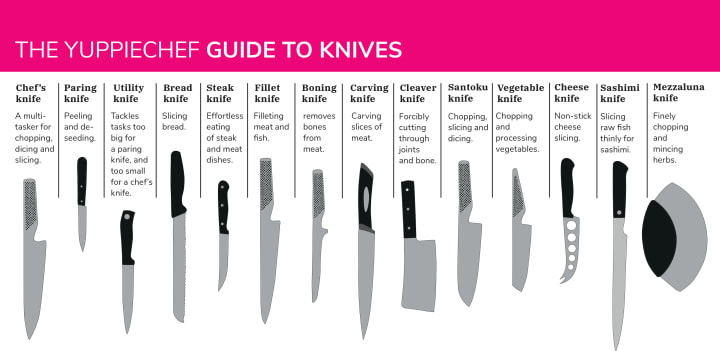
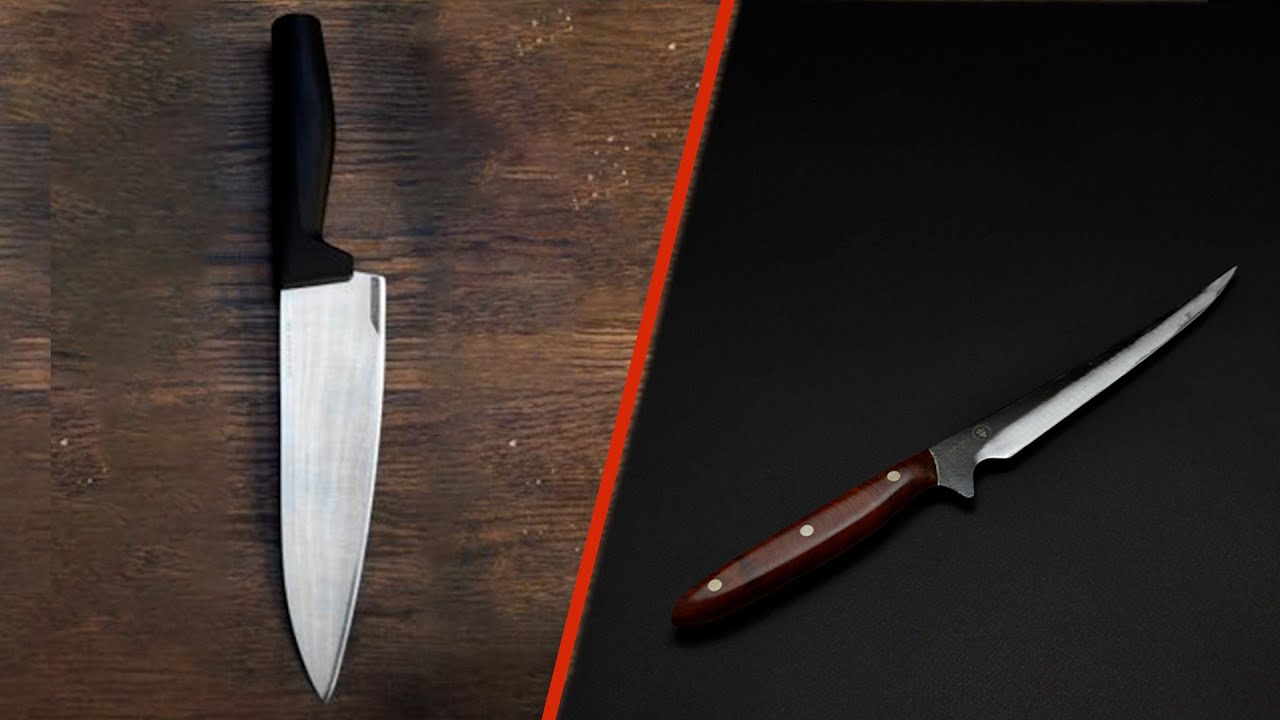
A boning knife typically has a narrow, flexible blade. This design allows it to maneuver around bones and joints with ease. The pointed tip helps in making precise cuts. On the other hand, a carving knife has a long, thin blade with a more rigid structure. The blade often tapers to a sharp point, making it perfect for slicing through large cuts of meat.
| Knife Type | Blade Shape |
|---|---|
| Boning Knife | Narrow and Flexible |
| Carving Knife | Long and Rigid |
Blade Length
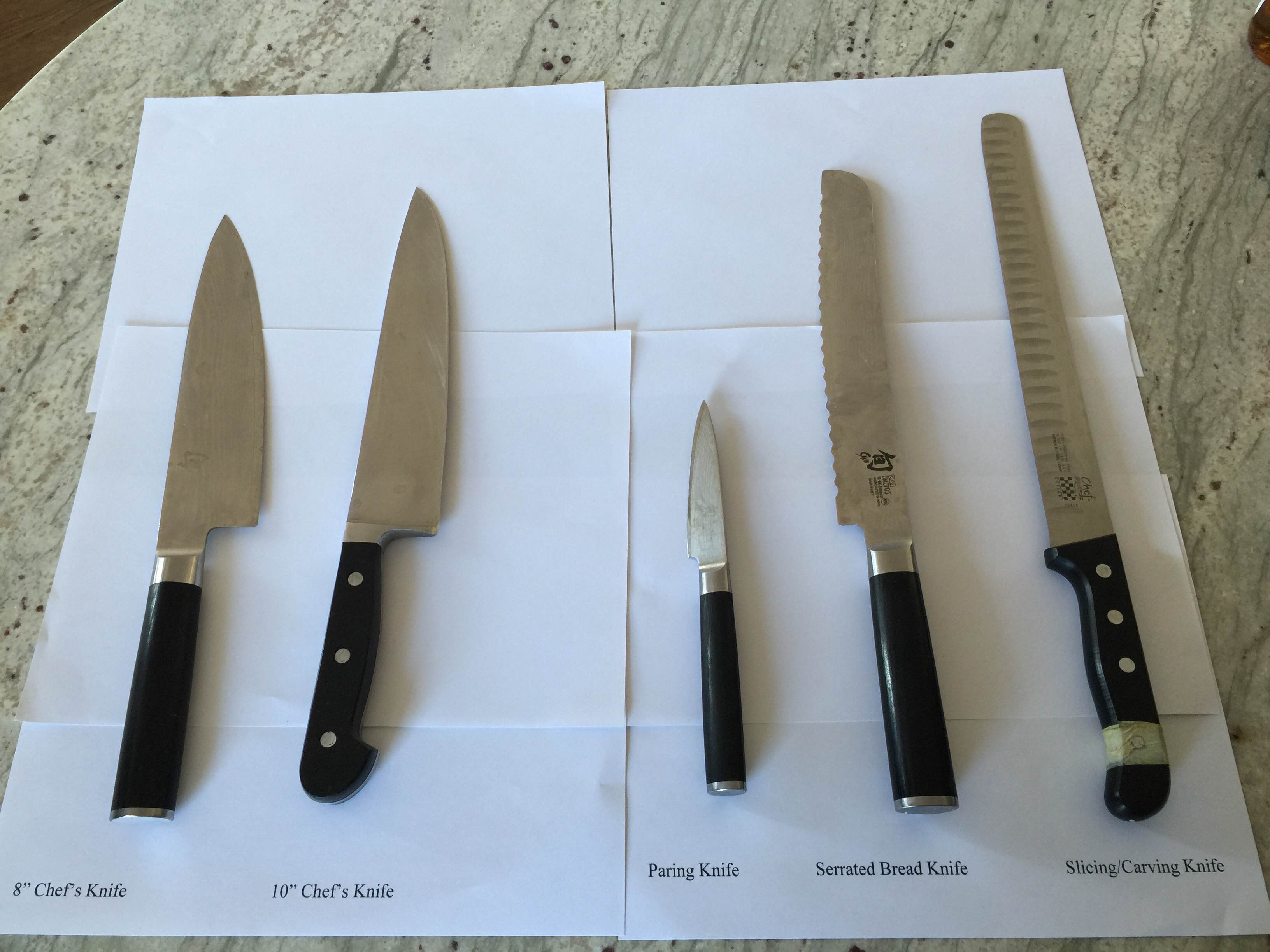
The blade length of a boning knife is usually between 5 to 7 inches. This shorter length offers better control for intricate tasks. In contrast, a carving knife often ranges from 8 to 15 inches. The longer blade helps in making clean, even slices of meat or poultry.
- Boning Knife: 5 to 7 inches
- Carving Knife: 8 to 15 inches
Choosing between these knives depends on the task at hand. For detailed work around bones, a boning knife is ideal. For slicing large roasts, a carving knife is the better choice.
Credit: www.youtube.com
Material And Construction
Choosing the right knife for your kitchen tasks is vital. The material and construction of a boning knife versus a carving knife plays a significant role in their performance. Understanding these differences will help you make the best choice.
Blade Material
Boning knives often use high-carbon stainless steel. This material keeps the blade sharp and durable. A carving knife, on the other hand, might use stainless steel or high-carbon stainless steel. The latter is tougher and maintains sharpness longer.
High-carbon stainless steel blades resist rust and stains. They also require less maintenance. Stainless steel blades are easier to sharpen but may not hold an edge as long. Consider your needs before choosing the blade material.
Handle Material
The handle material affects comfort and grip. Boning knives often feature plastic, wood, or composite handles. Plastic handles are lightweight and easy to clean. Wooden handles provide a traditional feel but need more care.
Composite handles combine the best of both worlds. They are durable and resistant to moisture. Carving knives might have handles made from wood, plastic, or metal. Metal handles are strong but can be slippery when wet.
Choose a handle material that feels good in your hand. A comfortable grip ensures better control and reduces fatigue.
Intended Use
Understanding the intended use of kitchen knives is crucial for any cook. Whether preparing a family meal or a gourmet feast, the right knife makes a difference. Boning knives and carving knives serve unique purposes in the kitchen. Let’s explore their specific uses.
Boning Knife Uses
A boning knife excels in precision tasks. Its narrow, flexible blade removes bones from poultry, meat, and fish. This knife also trims fat and sinew with ease. The sharp point aids in detailed cuts around joints. Boning knives reduce waste by cutting close to the bone.
Butchers and chefs rely on boning knives for their control. Home cooks benefit from the same precision. This knife is essential for anyone who processes their own meat. It simplifies tasks that other knives struggle with.
Carving Knife Uses
A carving knife is designed for slicing cooked meats. Its long, thin blade creates even, thin slices. Carving knives are ideal for turkey, roast beef, and ham. They glide through meat without tearing or shredding.
This knife also works well for slicing large fruits and vegetables. The length and sharpness ensure smooth cuts. Carving knives often appear during holiday meals. They make serving easier and presentation more appealing.
Cutting Techniques
Understanding the different cutting techniques used with a boning knife and a carving knife can enhance your cooking skills. Each knife serves a unique purpose, and mastering their cutting techniques can make food preparation easier and more efficient.
Precision Cutting
A boning knife is designed for precision. Its narrow, sharp blade allows you to make delicate cuts around bones. This knife is perfect for removing bones from meat, poultry, and fish. You can also use it to trim fat and sinew, providing you with clean cuts and better presentation.
On the other hand, a carving knife is used for slicing cooked meat. It has a long, thin blade that ensures even slices. This knife is ideal for making precise cuts on roasts, hams, and other large cuts of meat. It glides smoothly through the meat, allowing you to create uniform slices every time.
Slicing And Carving
When slicing raw meat, the boning knife excels. Its sharp point and flexible blade make it easy to maneuver around bones and joints. You can use it to cut chicken breasts, debone a fish, or remove ribs from pork chops.
The carving knife is best for slicing and carving cooked meat. It’s perfect for creating thin, even slices of turkey, beef, or lamb. The long blade allows you to make smooth, continuous cuts, which is essential for achieving a professional presentation.
| Feature | Boning Knife | Carving Knife |
|---|---|---|
| Blade Type | Narrow and flexible | Long and thin |
| Best For | Removing bones, trimming fat | Slicing cooked meat |
| Precision | High | Medium |
Using the right knife for the job not only improves efficiency but also safety. A boning knife is essential for butchering tasks, while a carving knife is indispensable for serving cooked meat. Choose wisely based on your needs and enhance your culinary experience.
Maintenance And Care
Maintaining your kitchen knives ensures they last long and stay effective. Understanding the differences between a boning knife and a carving knife is essential. Proper care and maintenance help preserve their functionality and longevity.
Sharpening
Sharpening is crucial for both boning and carving knives. A boning knife has a flexible blade. Use a sharpening stone or honing rod. Maintain a 15-degree angle. This keeps the edge sharp and precise.
A carving knife has a long, thin blade. It requires a different approach. Use a sharpening stone or electric sharpener. Maintain a 20-degree angle. This ensures the blade remains smooth and effective.
Cleaning
Proper cleaning is vital for both knives. Hand wash your boning knife after each use. Use warm soapy water. Avoid dishwashers. They can damage the blade.
For a carving knife, follow a similar routine. Hand wash in warm soapy water. Dry immediately with a soft cloth. Store in a knife block or protective cover. This prevents damage and maintains sharpness.
| Aspect | Boning Knife | Carving Knife |
|---|---|---|
| Sharpening Angle | 15 Degrees | 20 Degrees |
| Cleaning Method | Hand Wash | Hand Wash |
| Storage | Knife Block | Knife Block |
- Always dry knives immediately after washing.
- Regularly check for any signs of rust or damage.
- Use proper storage methods to maintain blade integrity.
Credit: www.thechoppingblock.com
Pros And Cons
Choosing between a boning knife and a carving knife can be challenging. Each knife has its pros and cons. Knowing these will help you make an informed decision. Let’s explore the advantages and disadvantages of each knife.
Boning Knife Pros And Cons
A boning knife is great for removing bones from meat. Its narrow blade offers precision. This helps in making clean cuts. The knife is flexible, which adds to its versatility. It is perfect for trimming fat and sinew.
But, a boning knife has its downsides. The blade is thin, so it can bend easily. This makes it less sturdy. It’s not ideal for cutting through large bones. Using it on hard surfaces can dull the blade quickly. It requires frequent sharpening to maintain its edge.
Carving Knife Pros And Cons
A carving knife excels at slicing cooked meat. Its long, thin blade ensures smooth cuts. This helps in creating even slices. It’s great for roasts, poultry, and ham. The knife’s design reduces the need for sawing motions.
Yet, there are cons to consider. A carving knife is less versatile. It’s not suitable for boning tasks. The blade is rigid, making it less flexible. This can limit its use in the kitchen. It also requires maintenance to keep it sharp.
Choosing The Right Knife
Choosing the right knife can make a significant difference in your kitchen experience. Whether you are a professional chef or a home cook, having the right tools is essential. Two common types of knives you might consider are the boning knife and the carving knife.
Factors To Consider
When selecting between a boning knife and a carving knife, consider the following factors:
- Purpose: A boning knife is ideal for removing bones from meat, fish, and poultry. A carving knife, on the other hand, is perfect for slicing large cooked meats like roasts.
- Blade Design: Boning knives have a thin, flexible blade, which allows for precise cuts around bones. Carving knives have a longer, straight blade designed for smooth, even slices.
- Length: Boning knives usually range from 5 to 7 inches. Carving knives are typically longer, about 8 to 15 inches, to accommodate larger cuts of meat.
- Material: Both knives come in various materials, such as stainless steel or high-carbon steel. Choose one that suits your maintenance preferences and budget.
Personal Preferences
Personal preferences play a crucial role in choosing the right knife:
- Comfort: The handle should feel comfortable in your hand. Test different knives to see which one fits best.
- Weight: Some people prefer a heavier knife for stability, while others like a lighter knife for ease of use.
- Flexibility: A boning knife’s flexibility is key for delicate tasks. Carving knives need less flexibility but should still provide a smooth cutting experience.
- Maintenance: Consider how much effort you want to put into maintaining your knife. High-carbon steel blades need more care than stainless steel.
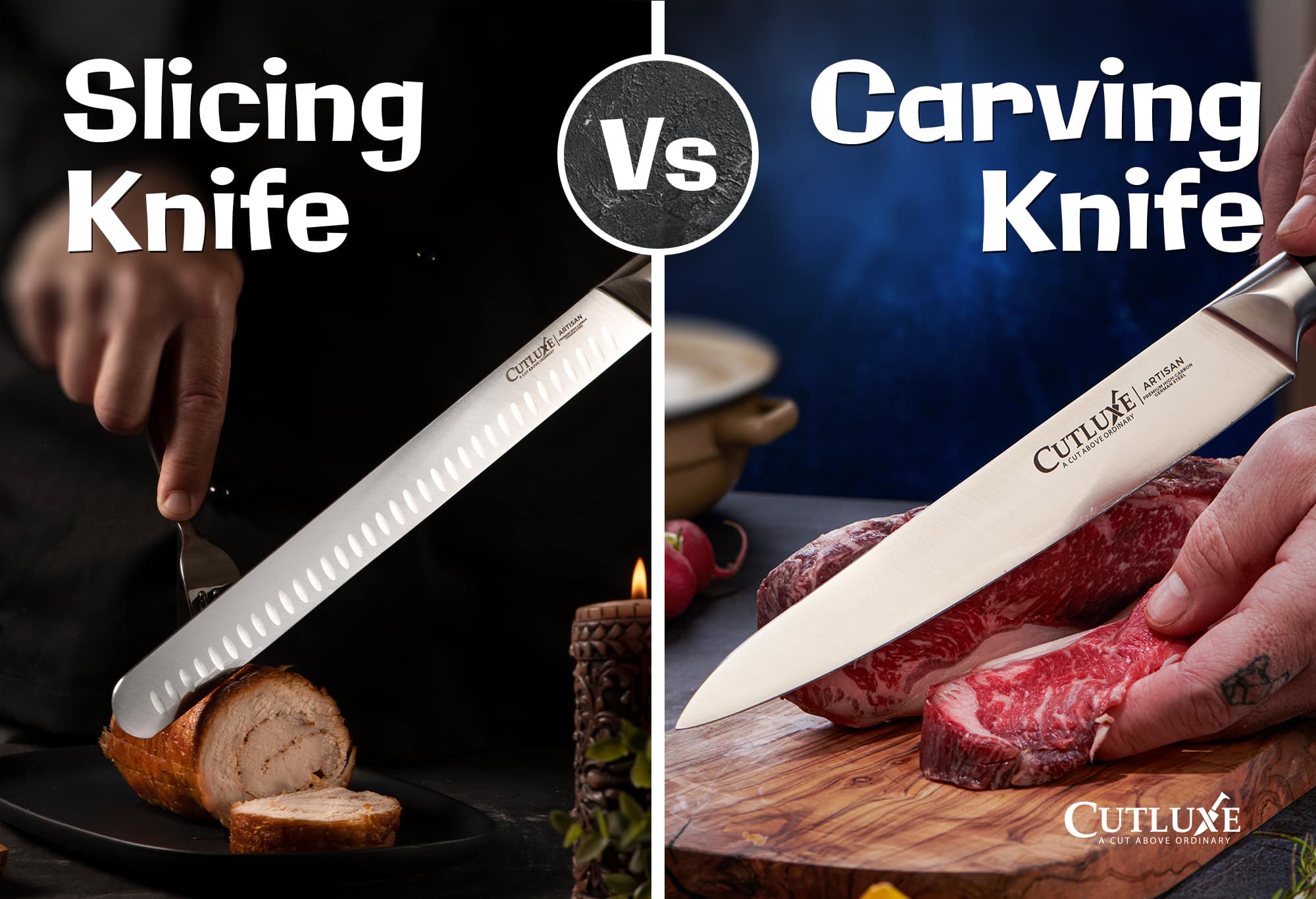
By considering these factors and your personal preferences, you can choose the right knife for your needs. Whether it’s a boning knife for intricate cuts or a carving knife for perfect slices, having the right tool will enhance your culinary skills.
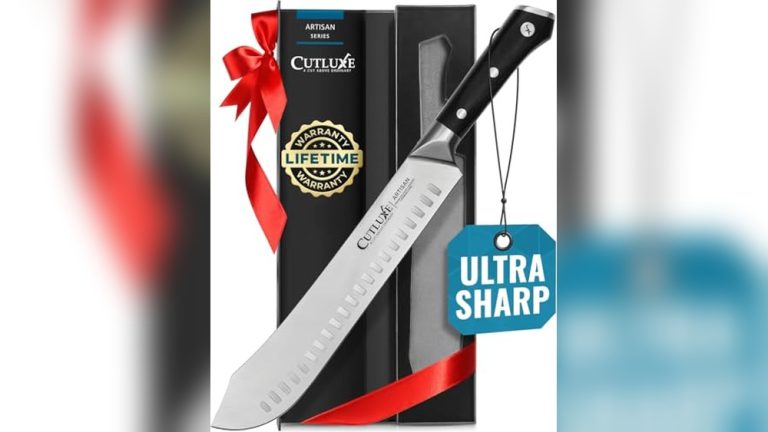
Credit: www.cutluxe.com
Frequently Asked Questions
What Is A Boning Knife Used For?
A boning knife is used for removing bones from meat, poultry, and fish. Its narrow, flexible blade allows precise cuts close to the bone.
What Is A Carving Knife Used For?
A carving knife is used for slicing cooked meats, such as roasts, hams, and poultry. Its long, thin blade ensures thin, even slices.
How Do Boning And Carving Knives Differ?
Boning knives are flexible and narrow for deboning. Carving knives are long and thin for slicing cooked meat. Each serves a specific purpose.
Can A Boning Knife Slice Cooked Meat?
While possible, a boning knife is not ideal for slicing cooked meat. A carving knife provides cleaner, even slices.
Conclusion
Choosing the right knife makes a big difference in your kitchen. Boning knives are perfect for removing bones from meat. Carving knives excel at slicing cooked meats thinly and evenly. Both knives serve unique purposes and enhance your cooking. Knowing their specific uses helps you decide which to use.
So, pick the right knife for your needs and enjoy better meals. Happy cooking!