Splitter Vs Riving Knife: Ultimate Guide to Table Saw Safety
Woodworking often involves choosing the right tools for safety and precision. A common dilemma is the decision between a splitter and a riving knife.
Understanding the differences between these two tools can help you make an informed choice. Both are essential for table saw safety, but they serve slightly different purposes. A splitter is a simple device that prevents the wood from pinching the blade.
On the other hand, a riving knife moves with the blade, providing continuous protection. This comparison will guide you through their features, benefits, and ideal use cases. By the end, you will know which tool suits your woodworking needs better. Let’s dive into the details and clear up any confusion.
Credit: www.youtube.com
What Is A Splitter?
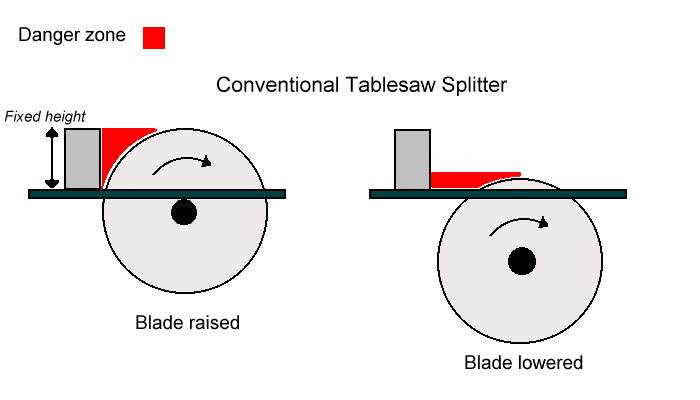
A splitter is a safety device on a table saw that keeps wood pieces from pinching the blade. Unlike a riving knife, it doesn’t move with the saw blade.
A splitter is a crucial safety device used in woodworking. It is a thin piece of metal or plastic attached behind the saw blade on a table saw. The primary purpose of a splitter is to prevent wood from pinching the blade during a cut. This helps avoid dangerous kickbacks and ensures smoother cuts.Definition And Function
A splitter is a vertical fin positioned behind the saw blade. It maintains the cut wood’s alignment as it passes through the saw. This simple device keeps the cut kerf open, stopping the wood from closing back on the blade. Functions of a Splitter: – Keeps the kerf open – Prevents kickback – Ensures straight cuts – Enhances safetyBenefits Of Using A Splitter
Using a splitter provides several benefits that improve both safety and cut quality. Below are the key benefits: Safety Benefits: – Reduces Kickback: A splitter reduces the risk of kickback, which can be dangerous. – Prevents Binding: It prevents the wood from binding against the blade. Operational Benefits: – Improves Cut Quality: A splitter ensures a cleaner and more precise cut. – Easy Installation: Most splitters are easy to install and remove. Table of Benefits:| Safety Benefits | Operational Benefits |
|---|---|
| Reduces Kickback | Improves Cut Quality |
| Prevents Binding | Easy Installation |
What Is A Riving Knife?
A riving knife is a crucial safety component in woodworking. It’s designed to prevent dangerous kickback during cutting operations. Many woodworkers often confuse it with a splitter, but they serve different purposes. Understanding a riving knife’s role can enhance your safety and efficiency in the workshop.
Definition And Function
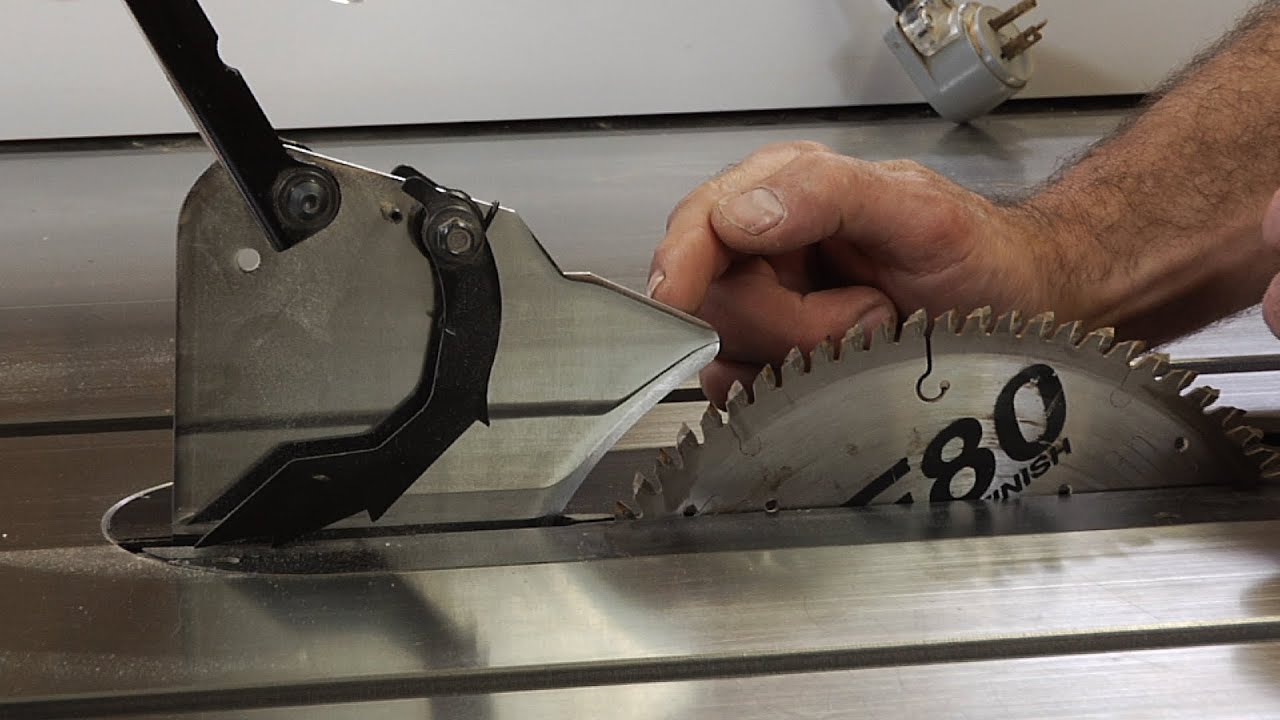
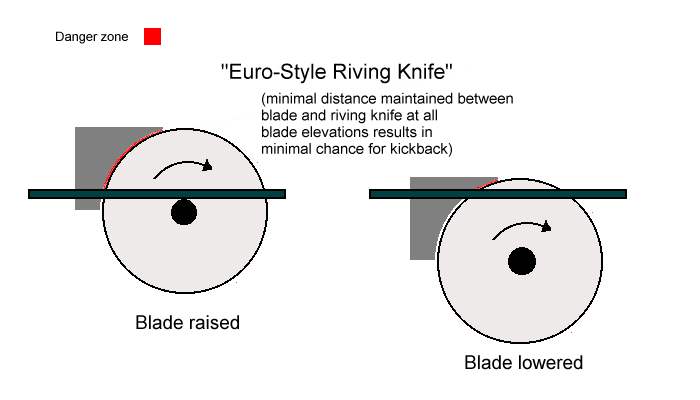
The riving knife is a thin piece of metal installed behind the saw blade. It moves with the blade, maintaining a constant distance. This design ensures it stays close to the blade, reducing the gap where the wood can pinch.
Primary function: Preventing wood from pinching the blade, leading to potential kickback.
Secondary function: Keeping the cut sections of the wood apart, ensuring clean and precise cuts.
Benefits Of Using A Riving Knife
Using a riving knife offers several benefits:
- Safety: Drastically reduces the risk of kickback, protecting the operator.
- Precision: Helps in making cleaner and more accurate cuts.
- Convenience: Its design makes it easy to adjust and remove as needed.
- Versatility: Suitable for various cutting tasks, from ripping to crosscutting.
In essence, a riving knife is an invaluable tool for any woodworker. It not only enhances safety but also improves the quality of your work.
Key Differences
Understanding the key differences between a splitter and a riving knife is important for anyone using a table saw. These differences impact safety, performance, and user experience. Let’s dive into the specifics.
Design And Mechanism
The design of a splitter and a riving knife is distinct. A splitter is a fixed blade that sits behind the saw blade. It remains in a fixed position. This means it doesn’t move with the blade.
On the other hand, a riving knife moves with the saw blade. It maintains a constant distance from the blade. This movement provides better safety and reduced kickback.
| Component | Splitter | Riving Knife |
|---|---|---|
| Position | Fixed | Moves with the blade |
| Safety | Good | Better |
| Kickback Reduction | Moderate | High |
Installation And Adjustment
Installing a splitter is usually straightforward. It is often bolted to the saw’s table. This simplicity can be convenient for beginners.
In contrast, riving knives require more precise installation. They need to be aligned perfectly with the saw blade. This alignment ensures they move correctly with the blade.
Adjusting a splitter can be more challenging. Since it is fixed, any adjustments require tools. This can be time-consuming.
Adjusting a riving knife is generally easier. Its design allows for quick adjustments. This makes it more user-friendly for frequent changes.
- Splitter: Fixed installation, tool-required adjustment
- Riving Knife: Precise installation, easy adjustment
Understanding these key differences can help you choose the right tool. It enhances both safety and efficiency in your woodworking projects.
Safety Considerations
Ensuring safety while using table saws is paramount. Both splitters and riving knives play crucial roles in maintaining user safety. Let’s dive into the key safety considerations.
Kickback Prevention
Kickback is one of the most dangerous incidents in woodworking. It happens when the wood suddenly moves back towards the operator. Both splitters and riving knives help prevent this.
A splitter is a stationary blade positioned behind the saw blade. It ensures the wood does not close on the blade, reducing the risk of kickback. It is an effective solution for many.
On the other hand, a riving knife moves with the saw blade. It maintains a constant gap between the wood and the blade. This dynamic feature provides consistent protection against kickback, making riving knives highly effective.
Additional Safety Features
Both splitters and riving knives come with extra safety features. These features enhance their functionality and user safety.
Anti-Kickback Pawls: Many splitters and riving knives include anti-kickback pawls. These small, toothed arms catch the wood if it tries to kick back. They are a significant safety addition.
Blade Guards: Blade guards are often used in conjunction with splitters and riving knives. They provide a physical barrier, protecting hands from the blade. This combination increases overall safety.
Quick Release Mechanism: Some riving knives have a quick release mechanism. This feature allows for easy removal and adjustment. It ensures the riving knife is always in the optimal position for safety.
In summary, both splitters and riving knives are essential for table saw safety. They prevent kickback and offer additional protective features. Choose the one that best fits your needs to ensure safe woodworking.
Choosing Between Splitter And Riving Knife
Choosing between a splitter and a riving knife is essential for woodworkers. Both tools enhance safety and improve cutting accuracy. Understanding their differences helps in making the right choice for your woodworking needs.
Factors To Consider
- Safety: A riving knife is safer as it moves with the blade. A splitter stays stationary, which can cause kickback.
- Compatibility: Riving knives are modern and fit new saws. Splitters often come with older models.
- Ease of Use: Riving knives are easier to set up. Splitters may require more adjustments.
- Cost: Riving knives can be more expensive. Splitters are usually cheaper.
Suitability For Different Tasks
| Task | Splitter | Riving Knife |
|---|---|---|
| Rip Cutting | Good | Excellent |
| Cross Cutting | Acceptable | Good |
| Non-through Cuts | Poor | Excellent |
Consider a riving knife for tasks requiring precision and safety. For basic cutting, a splitter is sufficient. Make your choice based on your specific needs and saw compatibility.
:max_bytes(150000):strip_icc()/100400844-e77c76c59983401dbe57bb07948a3635.jpg)
Credit: www.woodmagazine.com
Maintenance And Care
Proper maintenance and care of your splitter and riving knife ensure their longevity and performance. Regular upkeep prevents accidents and keeps your tools in top shape. Let’s dive into some essential maintenance tips.
Regular Inspections
Inspect your splitter and riving knife before each use. Check for wear and damage. Ensure that there are no cracks, bends, or chips. Verify that all screws and bolts are tight. Loose components can lead to accidents.
Cleaning And Storage Tips
Clean your splitter and riving knife after each use. Remove sawdust and debris. Use a soft cloth or brush for this task. Avoid using harsh chemicals that can damage the metal.
Store your tools in a dry place. Moisture can cause rust and weaken the metal. Use protective covers if available. This extra step extends the life of your splitter and riving knife.
Remember, proper maintenance ensures safety and efficiency in your woodworking projects.
Credit: woodworking.stackexchange.com
Frequently Asked Questions
What Is A Splitter On A Table Saw?
A splitter is a safety device mounted behind the saw blade. It helps keep the cut kerf open, preventing the wood from pinching the blade and reducing the risk of kickback.
What Is A Riving Knife?
A riving knife is a thin piece of metal attached to the saw. It maintains a fixed distance from the blade, moving up and down with it, preventing kickback.
Difference Between Splitter And Riving Knife?
A splitter is fixed and doesn’t move with the blade. A riving knife moves with the blade, offering more consistent protection against kickback.
Are Riving Knives Safer Than Splitters?
Yes, riving knives are generally considered safer. They move with the blade, offering better and continuous protection, reducing the risk of kickback.
Conclusion
Choosing between a splitter and a riving knife depends on your needs. Both tools improve safety while cutting wood. A riving knife offers more protection against kickback. A splitter can be easier to install and remove. Consider your table saw type and woodworking projects.
Always prioritize safety and proper tool use. With the right choice, your woodworking will be safer and more efficient. Happy woodworking!