Tanto Vs Wakizashi: Ultimate Samurai Blade Showdown
Are you curious about the difference between a Tanto and a Wakizashi? If you’ve ever wondered which blade suits your style or collection better, you’re in the right place.
Both are iconic Japanese swords, but they serve different purposes and carry unique histories. Understanding these differences can help you make smarter choices, whether you’re a collector, martial artist, or just passionate about Japanese culture. Keep reading to discover what sets the Tanto and Wakizashi apart—and find out which one fits your needs perfectly.
Samurai Blades At A Glance
Samurai blades have a long history in Japanese culture. These swords are not just weapons. They are symbols of honor and skill. Two famous types are the Tanto and Wakizashi. Both have unique shapes and uses. Understanding their features helps appreciate their value.
The Tanto and Wakizashi are short swords. They were used by samurai for different tasks. Each blade shows different styles and purposes. Let’s explore what makes each blade special.
Key Features Of Tanto
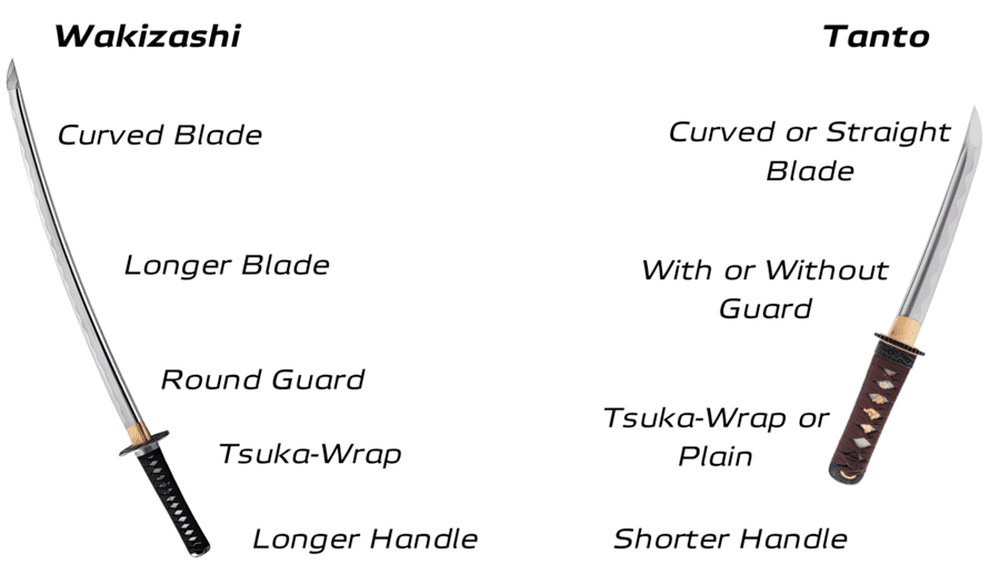
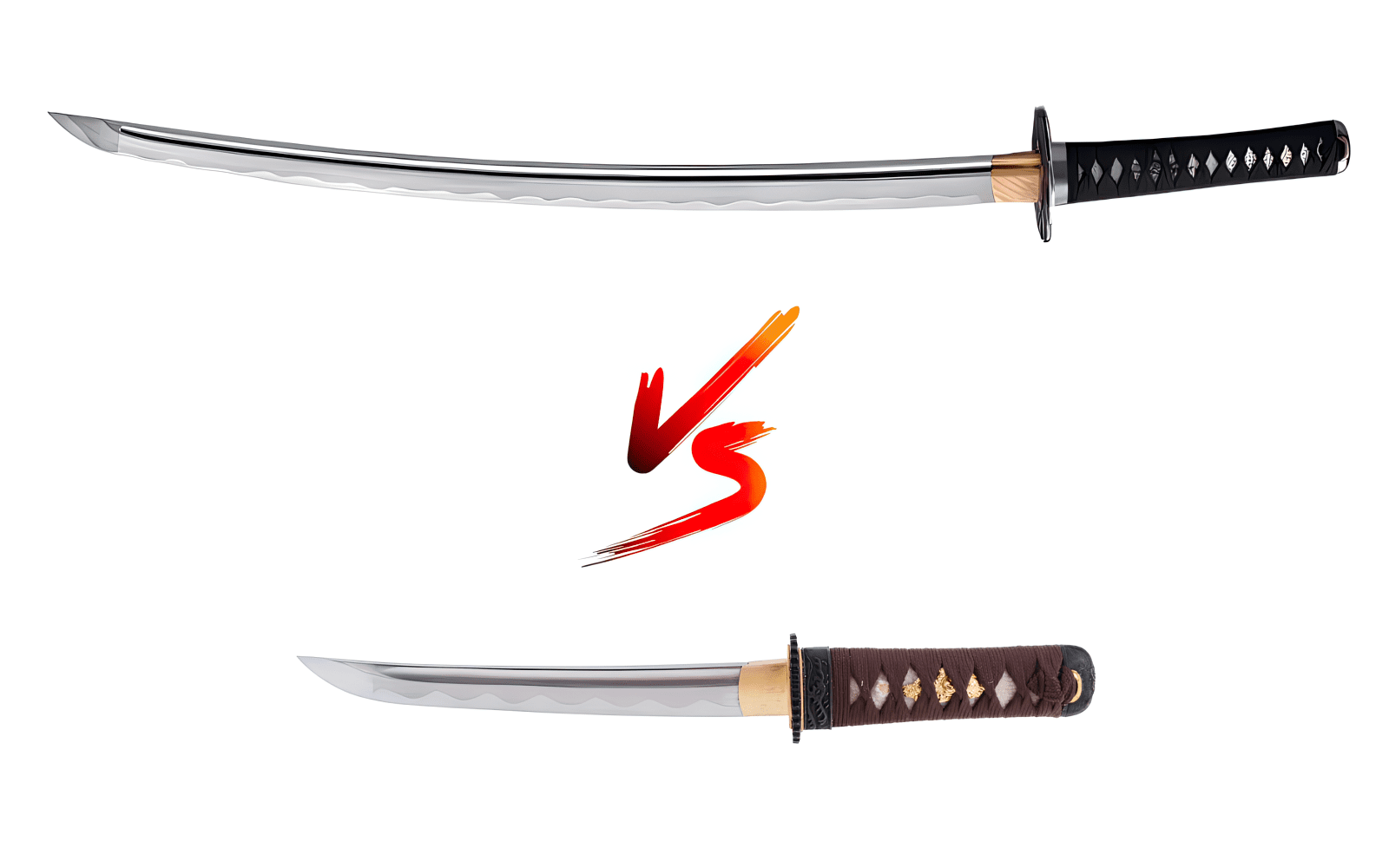
The Tanto is a short dagger, usually 6 to 12 inches long. It has a sharp, pointed tip for stabbing. The blade is thick and strong. It was used in close combat and as a tool. The Tanto often has a single edge. Its design is simple and practical. Many samurai carried it as a backup weapon.
Distinct Traits Of Wakizashi
The Wakizashi is longer than the Tanto, around 12 to 24 inches. It has a curved blade, making it good for slicing. Samurai used it alongside the Katana in battle. The Wakizashi was also worn indoors for protection. Its shape is elegant and balanced. This sword could cut and thrust with ease.

Credit: romanceofmen.com
Blade Design And Craftsmanship
The blade design and craftsmanship of Tanto and Wakizashi reflect their unique roles in Japanese sword history. Each blade shows a special style and detail that highlights its purpose. Understanding these features helps appreciate the skill behind these weapons.
Length And Shape Comparison
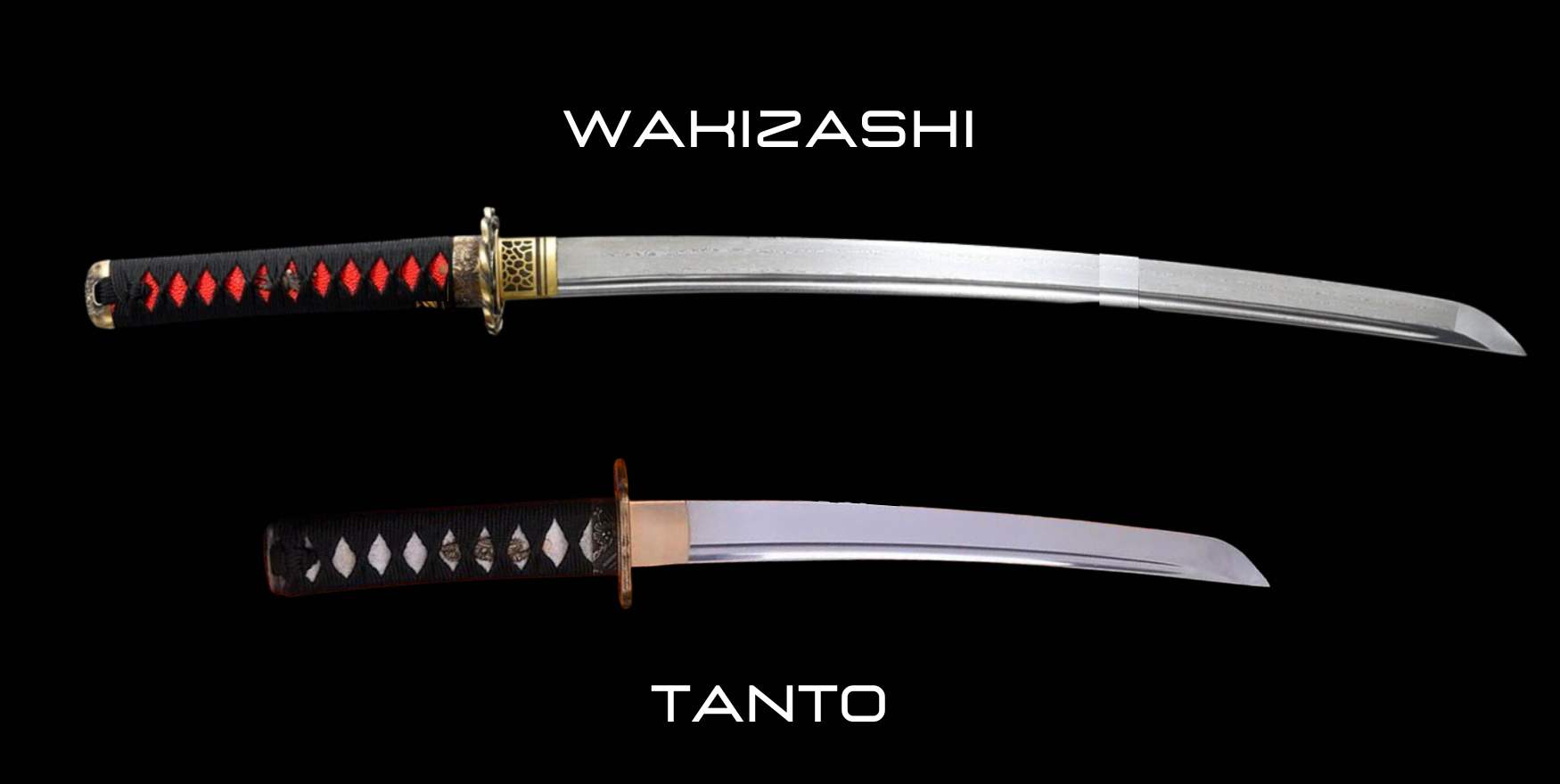
The Tanto blade is usually short, about 6 to 12 inches long. It has a pointed tip, ideal for stabbing. Its shape is straight or slightly curved, making it easy to handle close up.
The Wakizashi blade is longer, typically 12 to 24 inches. It has a gentle curve, suited for quick, slicing cuts. The Wakizashi’s length allows more reach than the Tanto.
Materials And Forging Techniques
Both blades use high-quality steel, folded many times. This folding removes impurities and adds strength. The process creates a unique grain pattern on the blade’s surface.
Craftsmen use clay tempering to harden the edge. This method gives the blade a sharp cutting edge and a flexible spine. Each blade is hand-forged, showing the maker’s skill and care.
Combat Roles And Usage
The combat roles of Tanto and Wakizashi differ due to their design and size. Both weapons served samurai warriors but had unique uses on the battlefield. Understanding how each blade was used helps explain their place in Japanese martial culture.
Each weapon excelled in specific fighting scenarios. The Tanto was favored for its sharpness and ease in tight spaces. The Wakizashi offered more flexibility, useful in a variety of combat situations.
Tanto In Close-quarters Battle
The Tanto is short and sturdy, ideal for close combat. It works well in confined spaces like narrow corridors or crowded areas. Its sharp point can pierce armor and deliver quick, lethal strikes. Samurai used it for defense and surprise attacks. The compact size allowed fast movements and easy concealment.
Wakizashi’s Versatility In Combat
The Wakizashi is longer than the Tanto, offering reach and power. It handles both cutting and thrusting techniques effectively. Samurai carried it alongside a katana for backup in close fights. The Wakizashi works well indoors and outdoors, adapting to many battle conditions. It also served as a tool for non-combat tasks, showing its multi-purpose design.
Credit: katana.store
Cultural And Historical Significance
The cultural and historical significance of the tanto and wakizashi runs deep in Japanese tradition. These blades are more than weapons. They hold stories about honor, duty, and the way of the samurai. Understanding their roles helps us appreciate their true value.
Each blade carries its own meaning and history. Both shaped the identity of samurai warriors. Their use and symbolism reflect Japan’s rich past and social values.
Tanto’s Place In Samurai Tradition
The tanto was a small, sharp blade used by samurai. It served as a tool for close combat and self-defense. Samurai carried it alongside larger swords for protection. The blade was also a symbol of skill and precision. Its design allowed quick, silent strikes during battle.
Beyond fighting, the tanto was linked to ritual and honor. Samurai sometimes used it in seppuku, a form of ritual suicide. This act showed loyalty and courage. The tanto represented both a warrior’s strength and deep commitment.
Wakizashi’s Symbolism And Status
The wakizashi is a short sword worn with the katana. Together, they formed the daisho, the samurai’s paired swords. The wakizashi symbolized a samurai’s social status and authority. Only samurai were allowed to wear these swords in public.
It was also a practical weapon for close quarters. The wakizashi was used indoors or in tight spaces where the katana was too large. This sword showed readiness and respect for tradition. It connected the samurai to their code of honor, bushido.
Practical Considerations
Choosing between a Tanto and a Wakizashi involves more than style. Practical factors matter for everyday use. These factors affect how you carry, maintain, and use each blade. Understanding these points helps you pick the right blade for your needs.
Carrying And Accessibility
The Tanto is compact and easy to carry. Its small size fits well on a belt or in a pocket. This makes it quick to grab in tight spaces. The Wakizashi is longer but still portable. It usually hangs from a belt or sash. The length may slow quick access but offers more reach. Consider where and how often you carry your blade.
Maintenance And Durability
Both blades need regular cleaning and sharpening. The Tanto’s shorter blade is easier to sharpen. Dirt and moisture are less likely to damage it. The Wakizashi requires more care due to its length. It may need extra attention to prevent rust and wear. Durable materials help both last longer with proper care.
Modern Applications And Collecting
The Tanto and Wakizashi swords hold a special place in history and culture. Today, their roles have evolved beyond ancient battlefields. Both swords find new life in martial arts and collections worldwide. Understanding their modern uses highlights their lasting value and appeal.
Use In Martial Arts Today
Martial artists use Tanto and Wakizashi for practice and demonstration. The Tanto is favored for close combat training. Its small size makes it easy to handle. The Wakizashi is popular in traditional Japanese sword arts. It teaches precision and control. Both swords help students learn ancient techniques. They also build focus and discipline. Safe, blunt replicas are common for training. Practitioners respect the history behind each blade. This respect keeps the swords relevant today.
Value For Collectors And Enthusiasts
Collectors prize Tanto and Wakizashi for their craftsmanship. Antique blades often carry historical stories. Authentic swords can be rare and valuable. Condition, age, and maker affect price. Many enjoy displaying these swords as art. Enthusiasts seek both original and modern pieces. Custom-made swords also attract interest. Collecting offers a way to preserve culture. Each sword tells a unique story. This connection draws many to start collecting.
Choosing Between Tanto And Wakizashi
Choosing between a Tanto and a Wakizashi can feel tricky. Both blades come from rich Japanese history. Each has unique features and uses. Knowing these differences helps pick the right one for you.
Purpose And Preference
The Tanto is a short blade. It is sharp and strong for close combat. Many prefer it for self-defense or utility tasks. The Wakizashi is longer and more flexible. It suits both fighting and display. Some like Wakizashi for its balance and style. Your choice depends on what you want to do.
Budget And Availability
Tantos are often less expensive. They are easier to find in many stores. Wakizashis usually cost more because of their size and design. Finding a quality Wakizashi can take more time. Decide based on your budget and how soon you want the blade.
Credit: swordis.com
Frequently Asked Questions
What Is The Main Difference Between Tanto And Wakizashi?
The Tanto is a small dagger mainly for stabbing, while the Wakizashi is a short sword used for both stabbing and slashing. Tanto blades are typically under 12 inches, whereas Wakizashi blades range from 12 to 24 inches. Both are traditional Japanese weapons.
Which Blade Is Better For Self-defense, Tanto Or Wakizashi?
Tanto is often favored for close combat due to its compact size and piercing ability. Wakizashi offers more versatility with its longer blade. The choice depends on the situation, but Tanto excels in quick, precise defense scenarios.
Can Tanto And Wakizashi Be Used Together?
Yes, samurai traditionally carried both: the Wakizashi for combat and the Tanto as a backup weapon. This pairing provided versatility in battle and daily life, allowing different fighting techniques and utility uses.
How Do Tanto And Wakizashi Differ In Design And Length?
Tanto blades are shorter, usually 6 to 12 inches, with a thick spine for stabbing. Wakizashi blades are longer, 12 to 24 inches, with a curved edge for slashing. Their designs reflect their distinct combat roles.
Conclusion
Both Tanto and Wakizashi have unique roles in Japanese history. Tanto serves well for close combat and daily use. Wakizashi offers longer reach and better defense. Choosing between them depends on your needs and style. Each blade reflects the skill and culture of its time.
Understanding their differences helps appreciate their value today. Both remain symbols of tradition and craftsmanship. Which one suits you best? The choice is personal and meaningful.