Buck 120 Vs 119: Ultimate Comparison for Knife Enthusiasts
When you’re choosing a reliable knife, every detail matters. That’s why the Buck 120 and 119 often come up in conversations among knife enthusiasts.
You might be wondering which one fits your needs better. Both have loyal fans, but there are key differences that could make one perfect for you. Keep reading to discover how these two classics stack up, so you can make the best choice for your next adventure or everyday use.

Credit: www.youtube.com
Blade Design
The blade design plays a big role in the Buck 120 and 119 knives. It affects how the knife feels and performs during use. Both knives have unique features in their blades that suit different tasks and preferences.
Shape And Size
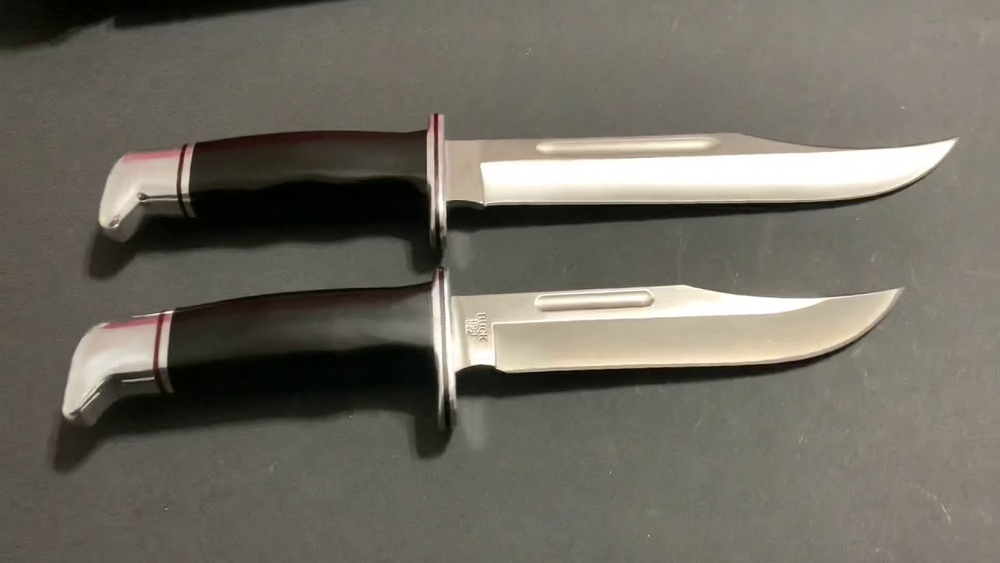
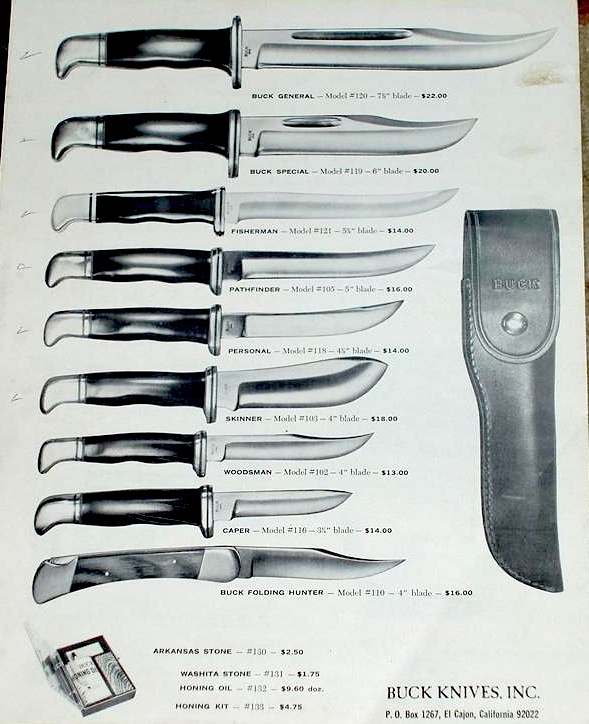
The Buck 120 has a longer blade, about 6 inches. Its shape is a clip point, which helps with precise cuts and piercing. The Buck 119 has a slightly shorter blade, around 6 inches too, but with a drop point design. This shape is good for general use and offers strong tip control.
Steel Composition
Both knives use high-quality steel. The Buck 120 uses 420HC steel, known for good corrosion resistance. The Buck 119 also uses 420HC steel, making both blades durable and tough. This steel is easy to sharpen and holds a decent edge for many tasks.
Edge Retention
The edge retention in these knives is solid but not the longest in the market. The Buck 120 keeps its sharpness well during regular use. The Buck 119 also holds an edge nicely but may need sharpening sooner with heavy use. Both blades balance sharpness and ease of maintenance effectively.
Handle Features
The handle of a knife plays a crucial role in its overall use and comfort. Both Buck 120 and 119 have distinct handle features. These features affect how the knife feels in your hand. They also influence control and safety during use.
Material And Texture
The Buck 120 handle uses a hardwood material. It feels smooth but firm in the hand. The Buck 119 handle is made from synthetic material. It offers a slightly rough texture for better hold. Both materials resist moisture and wear well over time.
Ergonomics
The Buck 120 handle has a classic straight design. It fits comfortably in most hand sizes. The Buck 119 handle features a slight curve. This shape helps reduce hand fatigue during long use. Both handles balance the knife’s weight effectively.
Grip Security
The Buck 120 handle provides a solid grip but can feel slippery when wet. The Buck 119 handle shines here. Its textured surface improves grip security, especially in wet conditions. Both handles have a guard to prevent the hand from slipping onto the blade.
Weight And Balance
Weight and balance are key for any knife’s use. They affect comfort and control. The Buck 120 and 119 differ in these areas. Understanding these differences helps choose the right knife for your needs.
Overall Weight
The Buck 120 weighs about 11 ounces. It feels solid but not too heavy. The Buck 119 is lighter, around 7 ounces. This makes the 119 easier to carry all day. Weight affects how the knife feels in hand.
Balance Point
The balance point of the Buck 120 is near the handle. This gives more control for precise cuts. The Buck 119 balances closer to the blade tip. This helps with chopping and heavier work. Balance changes how the knife moves.
Impact On Handling
Heavier knives like the Buck 120 offer more power in cuts. The weight helps push through tougher materials. Lighter knives like the Buck 119 are faster and more agile. They reduce fatigue during long use. Balance also changes grip comfort and control.
Durability And Maintenance
Durability and maintenance are key factors when choosing between the Buck 120 and 119 knives. Both knives are built to last, but their materials and design affect how they hold up over time. Understanding their corrosion resistance, ease of sharpening, and long-term wear helps you pick the right tool for your needs.
Corrosion Resistance
The Buck 120 features stainless steel, which resists rust well. It performs better in wet or humid conditions. The Buck 119 uses carbon steel, known for sharpness but prone to rust. It requires regular cleaning and oiling to prevent corrosion. Stainless steel is low-maintenance, while carbon steel demands extra care.
Ease Of Sharpening
Carbon steel in the Buck 119 is easier to sharpen. It quickly regains a sharp edge with basic tools. Stainless steel in the Buck 120 is tougher to sharpen. It holds an edge longer but needs more effort to sharpen. Beginners may find the Buck 119 easier to keep sharp.
Long-term Wear
The Buck 120 resists wear and tear with its stainless steel blade. It maintains durability even after frequent use. The Buck 119 blade wears faster but sharpens quickly. Both knives last long with proper maintenance. Choose based on how much effort you want to spend on upkeep.
Intended Use
The Buck 120 and 119 knives serve different purposes based on their design and features. Understanding their intended use helps in choosing the right tool for specific tasks. Both knives have strong points that fit distinct needs.
Hunting Applications
The Buck 119 is ideal for hunting. Its large blade cuts through animal hide with ease. It offers strong control for skinning and dressing game. The Buck 120 also works for hunting but suits bigger tasks better. It has a thicker blade that handles tougher cuts. Both knives provide durability needed in the field.
Survival Scenarios
The Buck 120 excels in survival situations. Its robust build can handle wood chopping and heavy use. It is useful for building shelters or making firewood. The Buck 119 is lighter and easier to carry. It performs well for light survival tasks and food prep. Each knife supports survival in its own way.
Everyday Carry
The Buck 119 fits better for everyday carry. It is lighter and less bulky in a pocket. Its blade size suits common daily tasks like cutting rope or opening packages. The Buck 120 is larger and heavier, less suited for daily carry. It works best when more strength is needed.
Price And Value
Price and value are key factors when choosing between the Buck 120 and 119 knives. Both offer strong build quality and classic design. Understanding their cost and benefits helps buyers pick the right option.
Cost Comparison
The Buck 119 usually costs more than the 120. This difference reflects materials and design details. The 119 uses a clip point blade, which adds to its price. The 120 features a drop point blade and is more affordable. Both knives offer good value for their price tags.
Warranty And Support
Buck offers a lifetime warranty on both models. This warranty covers defects in materials and craftsmanship. The company provides good customer support for repairs. Buyers can feel confident about their purchase with this reliable service.
Resale Potential
Buck knives hold value well over time. The 119 tends to keep higher resale prices due to its popularity. The 120 also resells well but may fetch slightly less. Both knives are solid choices for collectors and users alike.
User Feedback
User feedback plays a key role in choosing between the Buck 120 and 119 knives. Real users share their hands-on experience. They highlight what works well and what does not. This helps potential buyers make smart choices. Listening to actual users gives a clear view beyond specs and ads.
Positive Reviews
Many users praise the Buck 120 for its sturdy build. It feels solid and reliable in hand. The sharp blade cuts smoothly through various materials. People like its balanced weight and comfortable grip. The Buck 119 gets compliments for its classic design. Users find it easy to carry and use daily. Both knives earn respect for their durability and sharpness.
Common Complaints
Some users mention the Buck 120 feels a bit heavy for long use. A few say its handle can get slippery when wet. The Buck 119 has occasional reports of the blade loosening after heavy use. Some find the knife’s size a bit small for big tasks. Both knives have minor issues but remain trusted tools overall.
Expert Opinions
Experts note the Buck 120 suits outdoor activities and tougher jobs. They appreciate its robust design and strong blade. The Buck 119 is favored for everyday carry and lighter work. Specialists say both knives offer great value for their price. They recommend picking based on your main use and comfort.

Credit: www.reddit.com
Final Verdict
The final verdict helps you choose between the Buck 120 and 119 knives. Both have strong points. Each suits different needs and users. This section breaks down who each knife fits best and offers a clear recommendation.
Best For Beginners
The Buck 119 is great for beginners. It has a simple, sturdy design. The blade is easy to control and safe to use. New users find it comfortable for many tasks. It requires less skill to handle well.
Ideal For Professionals
The Buck 120 fits professionals better. It has a longer blade and stronger build. This knife handles tough jobs with ease. Experts appreciate its durability and sharpness. It performs well in demanding outdoor work.
Overall Recommendation
Choose the Buck 119 for basic use and learning. Pick the Buck 120 for serious tasks and longer use. Both knives offer good value and quality. Your choice depends on skill and job needs.
Credit: www.usmilitariaforum.com
Frequently Asked Questions
What Are The Main Differences Between Buck 120 And 119?
Buck 120 has a slightly longer blade and a thicker handle than Buck 119. The 120 is designed for heavy-duty use, while the 119 is lighter and more maneuverable. Both are durable but serve different purposes based on size and weight.
Which Is Better For Hunting: Buck 120 Or 119?
Buck 119 is often preferred for hunting due to its lighter weight and better control. Buck 120 suits users needing a tougher blade for heavier tasks. Choice depends on hunting style and personal comfort with knife size.
How Do Buck 120 And 119 Compare In Blade Material?
Both Buck 120 and 119 feature 420HC stainless steel blades. This steel offers excellent edge retention and corrosion resistance. The blade quality is consistent, ensuring reliable performance for both knives.
Is The Buck 120 Suitable For Everyday Carry Compared To 119?
Buck 119 is more suitable for everyday carry due to its lighter weight and compact size. Buck 120 is bulkier and better for outdoor or survival tasks. Consider your daily needs before choosing.
Conclusion
Both Buck 120 and 119 offer strong features for knife users. The Buck 120 is larger and heavier, suited for tough tasks. The Buck 119 is lighter and easier to carry daily. Each knife fits different needs and preferences. Choose based on what feels right for you.
Both provide good quality and durability. Your choice depends on size and weight you prefer. Either way, you get a reliable knife that lasts long. Simple and sturdy tools for outdoor or everyday use.