Sheepsfoot Vs Wharncliffe: Ultimate Blade Showdown Explained
When it comes to choosing the right knife blade, you might find yourself stuck between Sheepsfoot and Wharncliffe designs. Both blades look similar but serve very different purposes.
If you want to make the best choice for your needs—whether it’s for safety, precision, or everyday use—you need to understand how each blade works. Keep reading, and you’ll discover which blade fits your lifestyle perfectly, helping you avoid costly mistakes and get the most from your knife.

Credit: www.bladeforums.com
Sheepsfoot Blade Design
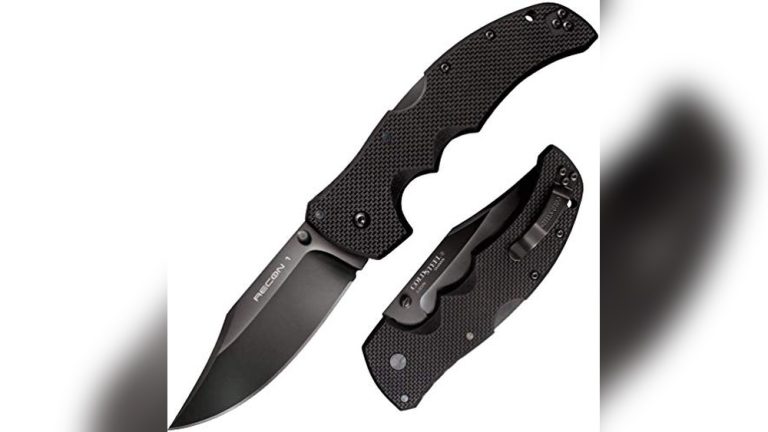
The Sheepsfoot blade design is popular for its unique shape and safe cutting edge. It stands out with a straight edge and a rounded tip. This design keeps the blade strong and reduces the chance of accidental cuts. The Sheepsfoot blade is often used in tasks that need control and precision.
Shape And Edge Characteristics
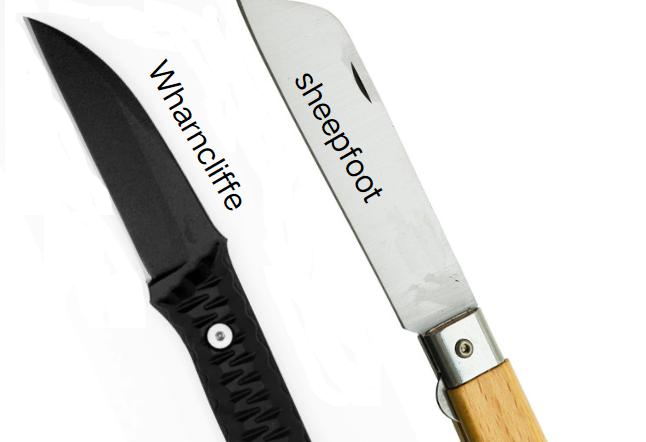
The Sheepsfoot blade has a straight cutting edge. The spine curves down to meet the edge at a blunt tip. This shape avoids sharp points. It makes the blade safer for pushing cuts. The edge is flat, which helps with smooth slicing. This design gives the user better control.
Common Uses And Benefits
Sheepsfoot blades are great for cutting tasks that need care. They work well for trimming, carving, and slicing. This blade is common in rescue knives because it can cut rope or seat belts safely. It also helps avoid damaging the material under the cut. Users like it for its stability and control during work.
Credit: www.reddit.com
Wharncliffe Blade Design
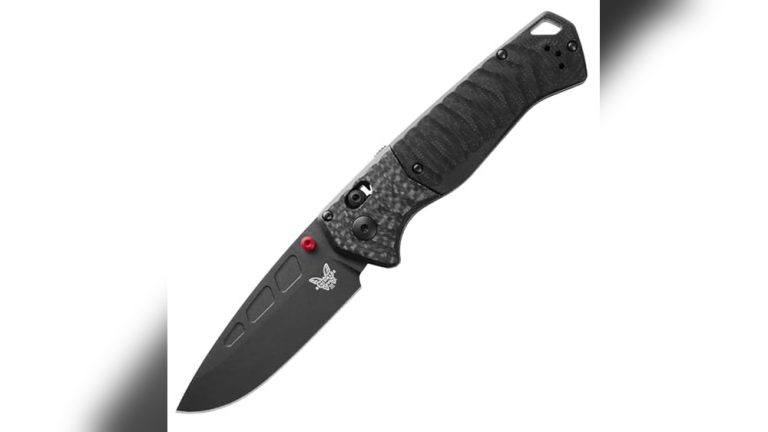
The Wharncliffe blade design is known for its straight edge and strong tip. This style offers precise control, making it popular for detailed work. Its unique shape helps in cutting tasks that need accuracy and safety. Many knife users choose Wharncliffe blades for their balance of strength and finesse.
Shape And Edge Characteristics
The Wharncliffe blade has a straight cutting edge. The spine curves down to meet the tip, forming a sharp point. This shape gives excellent control during cuts. The straight edge allows smooth slicing without rocking the blade. The strong tip can handle tough tasks without breaking.
Common Uses And Benefits
Wharncliffe blades are great for carving and trimming. Their shape helps make clean, straight cuts. Many use them for crafts, woodworking, and everyday carry knives. The design reduces the risk of slipping while cutting. It also works well for precise tasks in tight spaces.
Cutting Performance Comparison
Choosing between a Sheepsfoot and a Wharncliffe knife often depends on cutting performance. Both knives offer unique strengths for different tasks. Understanding their cutting abilities helps in picking the right tool. This section compares their precision, control, strength, and durability.
Precision And Control
The Sheepsfoot blade has a straight edge and a blunt tip. This design helps in making clean, straight cuts. It prevents accidental punctures. Great for slicing and carving tasks that need accuracy.
The Wharncliffe blade features a slightly curved edge and a sharp tip. It offers more control for detailed cuts. Ideal for tasks requiring careful maneuvering. Users can guide the blade easily along curves or edges.
Strength And Durability
The Sheepsfoot blade is thick and strong. Its shape spreads pressure evenly, reducing blade damage risk. Perfect for tough cutting jobs and heavy use.
The Wharncliffe blade is slimmer but still sturdy. Its tip is more delicate and can break under heavy force. Best for lighter tasks needing precision rather than brute strength.
Safety Features
Safety features are key when choosing between Sheepsfoot and Wharncliffe knives. Both knives offer unique designs that help reduce accidents. Understanding these features helps you pick the safer option for your needs.
Tip Protection
Sheepsfoot knives have a rounded tip. This design lowers the risk of accidental punctures. The blunt tip makes them safer for cutting tasks near the body.
Wharncliffe knives have a sharp, straight tip. This shape allows precise cuts but can be risky. Extra care is needed to avoid poking injuries.
User Handling
Sheepsfoot knives offer excellent control. Their curved edge guides the blade smoothly. This helps prevent slips during detailed work.
Wharncliffe knives have a flat edge. This shape suits straight cuts but requires steady hands. Users must focus to keep control and avoid accidents.
Ideal Applications
Choosing between a Sheepsfoot and a Wharncliffe blade depends on the tasks you plan to do. Both knives have unique shapes that suit different uses. Understanding their ideal applications helps you pick the right tool for your needs.
Everyday Tasks
Sheepsfoot knives excel at safe, straight cuts. Their flat edge avoids accidental piercing. This makes them great for cutting boxes, opening packages, and slicing soft materials. They offer control and precision for daily chores. Wharncliffe knives also handle everyday tasks well. Their straight edge and slight curve help with fine cutting. They work well on rope, fabric, and small branches. Both blades serve well for general use around the house.
Specialized Uses
Sheepsfoot blades shine in marine and rescue work. Their blunt tip prevents injury while cutting seatbelts or fishing lines. They also excel in woodworking for trimming and shaping. Wharncliffe knives suit detailed craftwork and carving. Their sharp tip reaches tight spots easily. They are popular among hunters and outdoor enthusiasts for skinning and trimming tasks. Each blade type offers advantages in specific fields.
Credit: keganico.com
Maintenance And Sharpening
Maintaining and sharpening Sheepsfoot and Wharncliffe knives keeps them working well. Both blades need regular care to stay sharp and safe. Proper maintenance also extends their life and keeps the edges strong.
Sharpening Techniques
Sheepsfoot blades have a straight edge with a curved tip. Use a flat sharpening stone or a guided sharpener. Keep the angle steady, usually around 20 degrees. Move the blade gently across the stone, from heel to tip.
Wharncliffe blades also have a straight edge but with a pointed tip. Sharpen the edge evenly on both sides. Use small, controlled strokes to keep the blade shape. Check the sharpness often to avoid over-sharpening.
Blade Longevity Tips
Clean the blades after every use to prevent rust and dirt. Dry them well before storing. Store knives in a dry place away from moisture. Use a blade oil occasionally to protect the metal.
Avoid cutting hard materials that can chip the blade. Use cutting boards made of wood or plastic. Regularly inspect the blade for small chips or bends. Fix minor damage early to keep the blade healthy.
Choosing Between Sheepsfoot And Wharncliffe
Choosing between a Sheepsfoot and a Wharncliffe knife depends on what fits your needs best. Both blades offer unique shapes and functions. Understanding their differences helps you make a better choice. Consider how you will use the knife and what feels comfortable in your hand.
Personal Preferences
Some people prefer the Sheepsfoot for its straight edge and rounded tip. It offers safe cutting with less chance of accidental stabbing. The Wharncliffe has a sharp point and a curved edge. It provides more precision for detailed work. Comfort and control in your grip matter a lot. Think about which blade shape feels easier to handle.
Task-specific Recommendations
Use the Sheepsfoot for tasks needing strong, straight cuts. It is great for slicing ropes or opening boxes. The Wharncliffe suits tasks needing fine, precise cuts. It works well for carving or cutting small materials. Choose the blade that matches your main tasks. This makes your work safer and more efficient.
Frequently Asked Questions
What Are The Main Differences Between Sheepsfoot And Wharncliffe Blades?
Sheepsfoot blades have a straight edge with a rounded tip, ideal for slicing. Wharncliffe blades feature a straight edge but with a pointed tip, perfect for precision cutting and detail work.
Which Blade Is Better For Carving Wood, Sheepsfoot Or Wharncliffe?
Wharncliffe blades are generally better for carving wood due to their pointed tip and straight edge. Sheepsfoot blades are less suitable as they prioritize safety and slicing over detailed cuts.
Are Sheepsfoot Knives Safer To Use Than Wharncliffe Knives?
Yes, Sheepsfoot knives are safer because their rounded tip reduces accidental punctures. Wharncliffe knives have pointed tips, making them less safe for beginners or tasks requiring caution.
Which Blade Type Is Best For Everyday Carry (edc)?
Sheepsfoot blades are often preferred for EDC because of their safety and versatility. Wharncliffe blades suit users needing precise cutting or specialized tasks in daily use.
Conclusion
Choosing between Sheepsfoot and Wharncliffe knives depends on your needs. Sheepsfoot blades offer safety and control for cutting tasks. Wharncliffe knives provide a sharp point for precision work. Both blades have unique shapes and uses. Think about what you cut most often.
Your choice should fit your daily tasks well. Either knife can serve you well with proper care. Keep your blade sharp and clean for best results. Small details make a big difference in knife performance.