Buck 105 Vs 119: Ultimate Blade Comparison for Outdoor Enthusiasts
Choosing the right knife can make all the difference when you’re out in the wild or just tackling everyday tasks. If you’ve been torn between the Buck 105 and Buck 119, you’re not alone.
Both knives have earned a solid reputation, but which one truly fits your needs? You’ll discover the key differences, benefits, and which knife will serve you better. Keep reading—you’re about to find the perfect match for your next adventure or project.
Credit: www.reddit.com
Blade Design
The blade design plays a key role in a knife’s performance. It affects cutting ability, strength, and overall use. The Buck 105 and Buck 119 have distinct blade designs. Each suits different tasks and preferences. Understanding their blade design helps in choosing the right knife.
Shape And Profile
The Buck 105 has a drop point blade shape. It offers a strong tip for control and durability. The blade is slightly curved, aiding slicing and cutting. The Buck 119 uses a clip point blade. It has a sharper, thinner tip for detail work. The 119’s blade is longer and narrower than the 105’s. Both profiles serve different cutting needs clearly.
Blade Material
Both knives use high-quality stainless steel. This steel resists rust and holds an edge well. The Buck 105 and 119 feature 420HC steel. It balances toughness with easy sharpening. This steel is perfect for outdoor and survival use. It can handle rough tasks without breaking or dulling fast.
Edge And Grind
The Buck 105 has a hollow grind edge. This grind creates a thin, sharp edge for precise cuts. It is easier to sharpen in the field. The Buck 119 uses a flat grind edge. This grind provides strength and durability for tougher work. The 119’s edge is thick, ideal for heavy cutting tasks. Both edges fit their blade purposes well.
Handle Features
The handle plays a key role in the knife’s overall feel and use. Both Buck 105 and 119 offer strong handles but differ in design and comfort. Understanding these differences helps in choosing the right knife for your needs.
Material And Grip
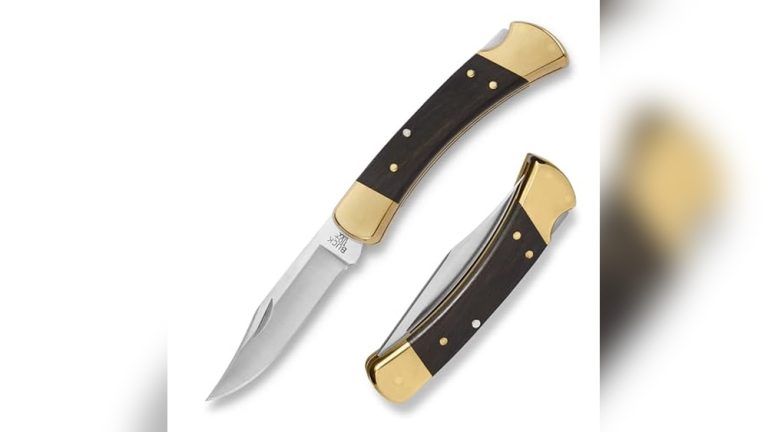
The Buck 105 features a hardwood handle. It provides a firm and natural grip. The wood feels warm and solid in hand. The Buck 119 uses a phenolic handle. This material is hard and smooth. It offers a secure hold, even when wet.
Ergonomics
The Buck 105 handle has a slight curve. This shape fits well in most hands. It reduces hand fatigue during long use. The Buck 119 handle is straighter and longer. It suits larger hands and heavy tasks. Both handles offer good control.
Durability
Hardwood on the Buck 105 can wear over time. It may need care to avoid cracks. The phenolic handle on the Buck 119 is very tough. It resists moisture and impact better. Both handles last long with proper care.
Size And Weight
The size and weight of a knife affect how it feels and performs. The Buck 105 and Buck 119 differ in these aspects. Understanding their size and weight helps choose the right knife for your needs.
Overall Dimensions
The Buck 105 has a blade length of about 4.5 inches. Its total length reaches roughly 9 inches when open. The blade width is moderate, fitting many tasks well. The Buck 119 features a longer blade, about 6 inches. Its total length is nearly 11 inches open. The 119’s blade is also wider and thicker. These differences make the 119 more suited for bigger jobs.
Portability
The Buck 105 is lighter and easier to carry daily. It fits comfortably in most pockets or belt sheaths. The 119, being larger and heavier, needs a strong sheath for safe carrying. It may feel bulky for some users. Portability depends on how you plan to use the knife.
Balance
The Buck 105 offers a balanced feel, good for control. Its weight distribution helps steady cuts and precision work. The Buck 119 has more weight toward the blade tip. This adds power but reduces fine control slightly. The 119’s balance suits heavy chopping better than delicate tasks.
Performance In Outdoor Tasks
Both the Buck 105 and 119 knives perform well outdoors. Each has strengths in different tasks. Choosing the right one depends on your needs. Performance in cutting, battoning, and precision matters most in the wild.
Cutting And Slicing
The Buck 105 offers sharpness ideal for light cutting. It handles food prep and small branches smoothly. The 119 has a larger blade, perfect for tougher cutting jobs. It slices through thick materials with ease. Both knives stay sharp for longer outdoor use.
Battoning And Splitting
The Buck 119 excels in battoning and splitting wood. Its heavy, sturdy blade can split small logs quickly. The 105 is lighter and less suited for heavy battoning. It works well for smaller sticks and kindling. The 119’s weight adds power for tough tasks.
Precision Work
The Buck 105 is better for precise cuts. It offers control for carving and detailed work. The 119, with its larger size, is harder to use for fine tasks. The 105’s balance helps with accuracy in outdoor projects. Both knives meet different precision needs outdoors.
Maintenance And Care
Maintaining your Buck 105 or 119 knife is key to keeping it sharp and reliable. Regular care extends the life of your blade. It also keeps the knife safe and ready to use. Simple steps help avoid damage and rust. Knowing how to sharpen, clean, and store your knife matters.
Sharpening Ease
The Buck 105 has a narrower blade, making it easier to sharpen. Its shape fits common sharpening stones well. The Buck 119’s larger blade needs more effort to sharpen evenly. A good sharpening tool with coarse and fine grits works best for both. Sharpening often prevents dull edges and improves cutting performance.
Corrosion Resistance
Both knives use stainless steel, which resists rust. The Buck 105’s steel has a smoother finish, helping resist corrosion better. The Buck 119’s thicker blade may trap moisture, risking rust if not dried. Wipe blades clean after use, especially after exposure to water or sweat. Oil the blade lightly to add extra protection.
Storage Tips
Store your Buck knives in a dry place. Avoid leaving them in damp areas or pockets for long. Use a sheath or case to protect the blade and avoid accidents. For long-term storage, apply a thin oil layer to prevent rust. Check knives regularly to ensure they stay in good shape.

Credit: www.youtube.com
Price And Value
Price and value matter a lot when choosing between the Buck 105 and 119 knives. Buyers want a good deal that lasts. Both knives have strong features, but their costs and benefits differ.
Cost Comparison
The Buck 105 costs less than the 119. The 105 is often priced for everyday use. The 119 is more expensive due to its size and materials. Buyers pay more for extra durability and power. The price gap reflects these differences clearly.
Warranty And Support
Buck offers a lifetime warranty on both knives. It covers defects in materials and workmanship. Customer service is helpful and easy to reach. This warranty adds value by giving peace of mind. Both knives have equal support from the company.
User Reviews
Users praise the 105 for its light weight and sharpness. It suits daily tasks well. The 119 gets high marks for strength and reliability. Many say it handles tough jobs better. Both knives have strong followings, showing good value overall.
Best Use Cases
Choosing between the Buck 105 and 119 depends on your needs. Both knives serve different purposes well. Understanding their best use cases helps pick the right tool for your task.
Camping And Hiking
The Buck 105 is great for camping and hiking. Its smaller size makes it easy to carry. It handles light cutting tasks like preparing food or making kindling. The Buck 119 feels bulky for short trips. It suits longer adventures where heavy cutting is needed.
Hunting
The Buck 119 excels in hunting. Its large blade cuts through tough materials easily. Skinning and dressing game become simpler with this knife. The Buck 105 works for small game and light field dressing. It offers better control for delicate tasks.
Survival Situations
The Buck 119 is a strong choice for survival. It can chop wood and clear brush well. Its sturdy build stands up to harsh conditions. The Buck 105 is useful for detailed work. It is easier to handle for precise cutting tasks.

Credit: www.reddit.com
Frequently Asked Questions
What Are The Key Differences Between Buck 105 And 119?
Buck 105 is a compact folding knife, ideal for everyday carry. Buck 119 is a larger fixed blade, suited for heavy-duty tasks. The 105 offers portability, while the 119 provides greater durability and strength for tougher jobs.
Which Knife Is Better For Outdoor Survival: 105 Or 119?
Buck 119 is better for outdoor survival due to its sturdy fixed blade. Buck 105 is more convenient for light tasks but less reliable in harsh conditions. For survival, the 119’s robustness and versatility make it the preferred choice.
How Do Buck 105 And 119 Compare In Blade Material?
Both knives feature high-quality stainless steel blades. Buck 119 typically uses thicker steel, enhancing durability and edge retention. Buck 105 uses thinner steel for lightweight and easy folding. Both maintain sharpness well but differ in strength and thickness.
Is Buck 105 Or 119 Easier To Carry Daily?
Buck 105 is easier to carry daily due to its folding design and lightweight. Buck 119 is bulkier with a fixed blade, making it less practical for everyday carry. For portability, the 105 is the more convenient option.
Conclusion
Both the Buck 105 and 119 have strong points to consider. The 105 is lighter and easier to carry daily. The 119 offers a bigger blade for tougher tasks. Think about what you need most in a knife. Choose the one that fits your style and uses.
Both knives deliver good quality and reliability. Either choice will serve you well in outdoor or everyday work. Simple, clear, and practical—that’s what matters most.