Inkosi Vs Sebenza: Ultimate Comparison for Knife Enthusiasts
Are you torn between choosing the Inkosi or the Sebenza? Both knives have earned legendary status, but which one truly fits your needs?
Whether you’re a collector, an everyday user, or someone who just wants the best tool in hand, this comparison will help you decide. By the end, you’ll know exactly which knife matches your style and purpose. Keep reading—your perfect knife is waiting.

Credit: www.reddit.com
Blade Design
The blade design is a key factor in choosing between Inkosi and Sebenza knives. It affects how the knife cuts, feels, and performs. Each knife has unique features that suit different needs and preferences. Understanding these differences helps in making the right choice for daily tasks or outdoor use.
Shape And Style
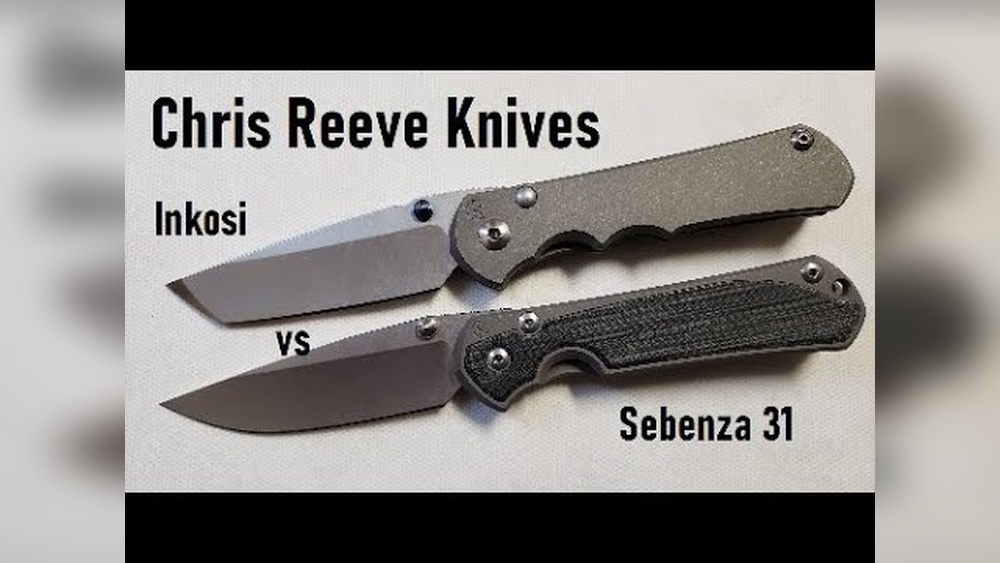
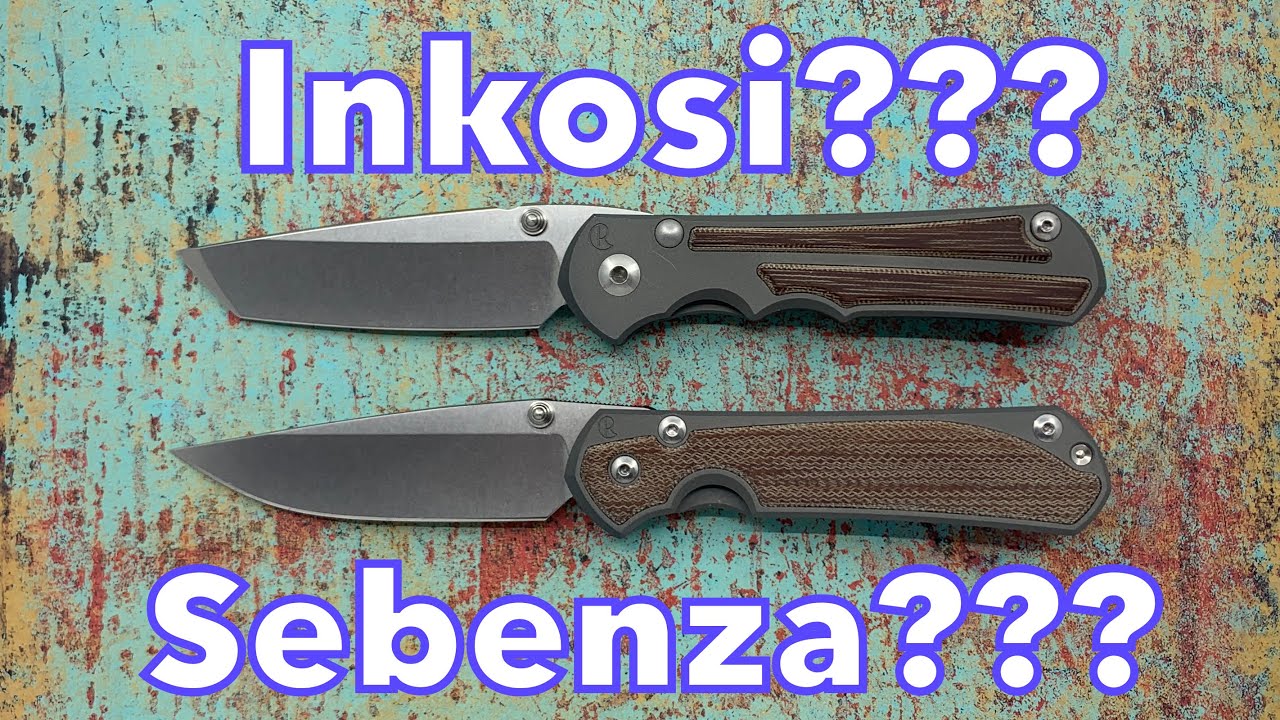
The Inkosi blade has a drop point shape. It offers a strong tip and wide belly. This shape is great for slicing and piercing. The Sebenza blade uses a clip point design. It has a thinner tip for precision work. Both shapes are popular but serve different cutting styles.
Blade Material
Inkosi blades use CPM S35VN steel. This steel is tough and resists rust well. It holds an edge longer and is easy to sharpen. Sebenza blades use CPM S35VN or CPM S45VN steel. The S45VN is slightly harder and more wear-resistant. Both steels provide good strength and durability.
Edge Retention
Edge retention means how long a blade stays sharp. Inkosi blades keep their edge through heavy use. The steel and heat treatment improve edge life. Sebenza blades also have excellent edge retention. The use of S45VN steel gives a small edge over Inkosi in sharpness duration. Both knives require minimal sharpening after tough use.
Handle Features
The handle plays a big role in the feel and use of a knife. Both Inkosi and Sebenza offer strong handle features. These handles make the knives comfortable and safe to hold. The right handle helps users control the blade well. Let’s check their material, shape, and grip.
Material And Texture
Inkosi handles come in titanium or carbon fiber. Both feel light but very tough. The surface has a smooth finish with slight patterns. Sebenza uses mainly titanium for its handles. Its texture is smooth but has small grooves. These grooves stop the hand from slipping. Both knives use top materials to last long.
Ergonomics
Inkosi handles have a curved shape. This shape fits the hand nicely. It supports long use without pain. Sebenza handles are more straight but still fit well. They offer good balance and control. Both handles reduce hand fatigue during use.
Grip Security
Inkosi has textured areas for a firm grip. This helps in wet or slippery conditions. Sebenza’s handle grooves also improve grip safety. Both knives keep your hand steady on the handle. This lowers the risk of accidents or slips. Grip security is strong in both designs.
Locking Mechanism
The locking mechanism is a key feature in folding knives like the Inkosi and Sebenza. It keeps the blade secure during use. A strong lock adds safety and confidence. Understanding how each knife locks helps choose the right one for your needs.
Type And Strength
The Inkosi uses a frame lock. This lock is built into the handle’s frame. It provides solid strength and reliability. The Sebenza features a titanium frame lock too. It is known for its smooth operation and durability. Both locks hold the blade firmly in place.
Ease Of Use
Inkosi’s frame lock opens and closes with ease. It requires little effort to engage or disengage. The Sebenza’s lock is also easy to use. It has a smooth, controlled action. Both knives allow quick blade deployment and secure locking.
Safety Considerations
The frame lock on both knives prevents accidental blade closure. This reduces the risk of injury. Careful handling is still important. Inspect the lock regularly for wear or damage. A strong, reliable lock ensures safer cutting tasks every time.
Size And Weight
The size and weight of a knife affect how it feels and performs. Inkosi and Sebenza differ in these aspects. Understanding their size and weight helps choose the right knife for you. Both knives offer strength and comfort, but each has unique traits.
Dimensions
The Inkosi is larger than the Sebenza. It measures about 9.2 inches open. The Sebenza is smaller, around 8 inches open. The blade of Inkosi is longer, about 3.75 inches. Sebenza’s blade is roughly 3.4 inches. These size differences affect handling and tasks.
Portability
Sebenza is lighter and more compact. It fits easily in pockets and feels less bulky. Inkosi is heavier and bigger, making it less pocket-friendly. Carrying the Inkosi may feel more noticeable. Portability depends on your daily needs and comfort.
Balance
Inkosi has a solid, balanced feel due to its size. It feels sturdy in hand, good for heavy work. Sebenza offers a lighter, nimble balance. It feels quick and easy to maneuver. Both knives provide good control but suit different preferences.
Performance And Durability
Performance and durability are key factors when choosing between Inkosi and Sebenza knives. Both knives are known for their strong build and reliable function. Understanding their cutting efficiency, wear resistance, and maintenance needs helps you decide which fits your daily tasks better.
Cutting Efficiency
The Inkosi features a long, sharp blade that slices smoothly through materials. Its edge holds well for tough tasks. The Sebenza offers precise control with a balanced blade shape. It cuts cleanly and handles detailed work easily.
Wear Resistance
Inkosi uses high-quality steel that resists dulling and damage. It stays sharp after heavy use. Sebenza blades are made from durable steel types, offering great resistance to scratches and corrosion. Both knives maintain their sharpness over time.
Maintenance Needs
Inkosi requires regular cleaning and occasional sharpening to keep peak performance. It is simple to maintain with basic tools. Sebenza also needs cleaning after use and periodic sharpening. Its design makes maintenance straightforward and quick.
Aesthetics And Customization
The look and feel of a knife can greatly affect the user experience. Both Inkosi and Sebenza offer strong options for those who want something unique and stylish. Their designs focus on clean lines and balanced shapes. Each model has its own character, appealing to different tastes.
Customization is a key feature for many buyers. Personal touches make a knife truly special. Both knives allow changes to meet individual preferences. This section compares their color choices, finish quality, and customization possibilities.
Color Options
Inkosi offers a range of color choices. These include natural titanium shades and anodized finishes. The colors are bold yet subtle. Sebenza also uses titanium but favors classic, muted tones. It sticks mostly to natural metal colors. The Inkosi has more vivid options compared to Sebenza.
Finish Quality
Both knives show excellent finish work. Inkosi has a smooth, matte finish that resists fingerprints. Its surface feels soft to touch. Sebenza features a satin polish that adds shine without glare. Each knife is carefully hand-finished. The level of detail is clear in every angle.
Customization Possibilities
Inkosi allows a wide range of custom parts. Users can choose different pocket clips, thumb studs, and inlays. Sebenza offers fewer options but focuses on quality materials for custom work. Both knives accept engraving and unique handle materials. Inkosi’s custom options are broader, giving more choice.
Price And Value
Price and value are key factors when choosing between the Inkosi and Sebenza knives. Both have loyal fans and offer quality craftsmanship. Understanding their cost and what you get helps make a smart purchase.
Cost Comparison
The Inkosi generally costs less than the Sebenza. Its price fits better in a mid-range budget. The Sebenza is a premium knife, with a higher price tag. This reflects its build quality and brand reputation.
Value For Money
The Inkosi provides strong value for its price. It offers durability and good materials for less money. The Sebenza delivers top-tier materials and precise fit. Buyers pay more but get a refined product that lasts.
Resale Potential
The Sebenza holds its value well over time. Collectors and users often seek it, keeping prices stable. The Inkosi has resale value but not as high. It appeals more to everyday users than collectors.
Credit: www.youtube.com
User Feedback
User feedback provides real insights into the Inkosi and Sebenza knives. It shows how each performs in daily use. Feedback highlights strengths and points out flaws. This helps buyers decide which knife suits their needs best.
Pros And Cons
Users praise the Inkosi for its large blade and solid grip. It feels strong and reliable. The Sebenza is loved for its sleek design and smooth action. It fits well in the hand and is easy to carry.
Some find the Inkosi a bit heavy for everyday tasks. The Sebenza’s price is high for some buyers. Both knives have sharp blades but differ in size and weight.
Common Complaints
Some users say the Inkosi’s lock can be stiff at first. It may take time to break in. A few mention the Sebenza’s clip is not deep carry. This makes it less discreet in the pocket.
Occasional reports of blade play appear but are rare. Most users say both knives hold an edge well. Maintenance is simple for both models.
Popular Use Cases
The Inkosi suits outdoor tasks like camping and hiking. Its size helps with heavy cutting jobs. The Sebenza is popular for everyday carry and office use. It feels light and comfortable all day.
Collectors enjoy both knives for their craftsmanship. Both serve well as reliable tools or stylish accessories.

Credit: www.reddit.com
Frequently Asked Questions
What Are The Main Differences Between Inkosi And Sebenza Knives?
Inkosi features a larger blade and heavier build, ideal for heavy-duty tasks. Sebenza is more compact, lightweight, and preferred for everyday carry. Both offer premium materials, but Inkosi prioritizes strength, while Sebenza focuses on precision and portability.
Which Knife Is Better For Everyday Carry, Inkosi Or Sebenza?
Sebenza is better for everyday carry due to its smaller size and lighter weight. Inkosi is bulkier and suited for tougher outdoor tasks. Sebenza balances durability with convenience, making it a popular choice for daily use.
How Do Inkosi And Sebenza Compare In Blade Steel Quality?
Both knives use high-quality steel options like CPM S35VN. Inkosi sometimes offers slightly thicker blades for added toughness. Sebenza blades are thinner for precision cutting. Both provide excellent edge retention and corrosion resistance.
Is The Price Difference Between Inkosi And Sebenza Justified?
Inkosi is generally more expensive due to larger size and materials. Sebenza’s price reflects its craftsmanship and precision. Both knives hold value well, but Inkosi suits users needing durability, while Sebenza appeals to everyday users valuing finesse.
Conclusion
Choosing between Inkosi and Sebenza depends on your needs and style. Both knives offer strong build and sharp blades. Inkosi suits those who want a bigger, sturdy knife. Sebenza fits users who prefer a smaller, precise tool. Think about what feels best in your hand.
Consider how you plan to use the knife daily. Both stand out in quality and design. Your choice will reflect your personal taste and purpose. Simple and reliable—both knives deliver in their own way.