Benchmade Bugout Vs Hogue Deka: Ultimate Lightweight Knife Showdown
When it comes to choosing the perfect everyday carry knife, you want something reliable, lightweight, and easy to handle. You’ve probably heard about the Benchmade Bugout and the Hogue Deka, two top contenders that promise to deliver just that.
But which one truly fits your needs? You’ll discover the key differences and unique features that set these knives apart. By the end, you’ll have a clear idea of which knife deserves a spot in your pocket every day. Ready to find your ideal companion?
Let’s dive in.
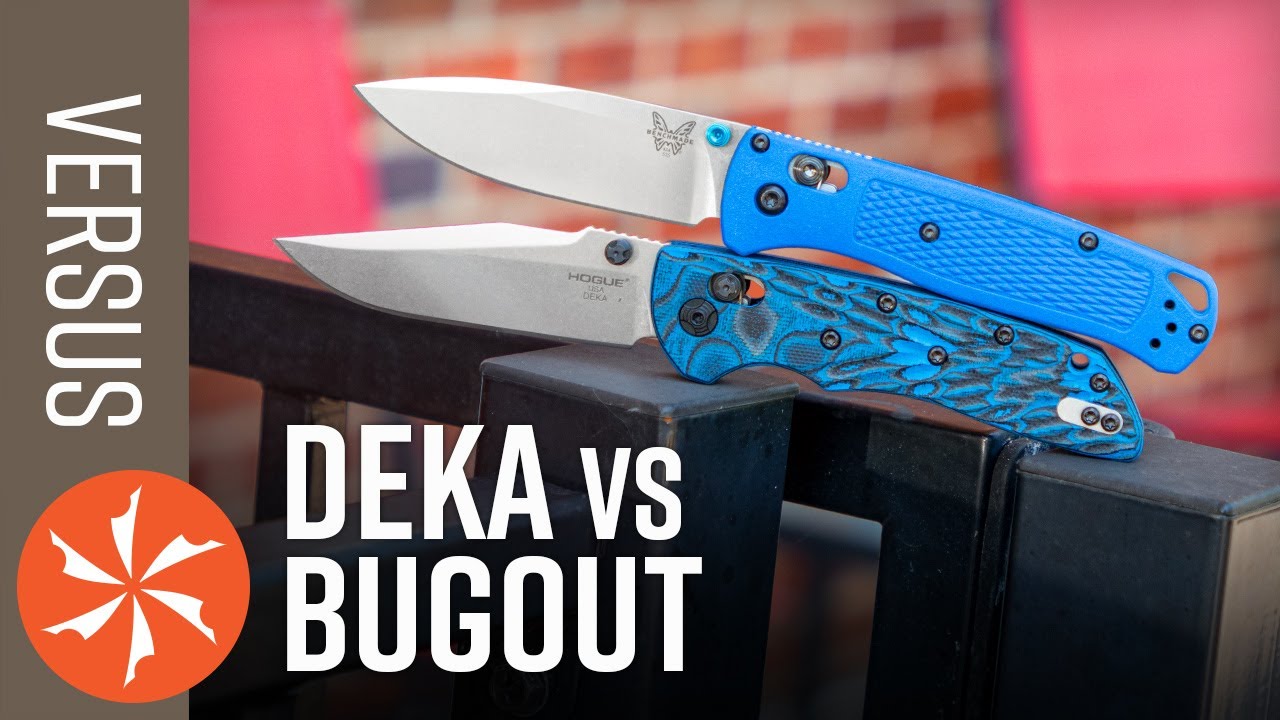
Credit: www.youtube.com
Design And Build
The design and build of a knife affect its performance and user experience. The Benchmade Bugout and Hogue Deka each offer unique features. They cater to different preferences in blade shape, handle feel, and weight. Understanding these details helps choose the right knife for your needs.
Blade Material And Shape
The Benchmade Bugout uses CPM-S30V steel. It holds an edge well and resists rust. The blade shape is a drop point, good for general tasks.
The Hogue Deka features CPM-20CV steel. It is very tough and resists wear. The blade is a modified drop point with a slight curve, ideal for precision cutting.
Handle Construction
The Bugout’s handle is made of Grivory, a strong and light material. It has a textured surface for a secure grip.
The Deka’s handle uses carbon fiber scales over titanium liners. This provides strength and a premium feel. The handle is ergonomic and fits comfortably in hand.
Weight Comparison
The Bugout is extremely light, weighing about 1.85 ounces. This makes it easy to carry all day.
The Deka weighs more, around 4.3 ounces. It feels solid and balanced, suited for heavy tasks.

Credit: www.youtube.com
Performance And Functionality
Performance and functionality are key factors in choosing the right knife. Both the Benchmade Bugout and the Hogue Deka offer strong features that appeal to everyday users. Each knife brings unique qualities that affect how well it works in different tasks. Understanding their cutting ability, locking system, and grip helps pick the best tool for your needs.
Cutting Efficiency
The Benchmade Bugout has a sharp, thin blade. It slices through materials with ease and precision. Its lightweight design helps users cut longer without fatigue. The Hogue Deka uses a thicker blade that adds strength. It performs well on tougher tasks and resists chipping. Both knives cut efficiently, but the Bugout suits fine, detailed work better.
Locking Mechanism
The Bugout features a reliable AXIS lock. This lock is easy to use with one hand. It keeps the blade firmly in place during use. The Hogue Deka employs a frame lock system. It offers a solid and secure hold on the blade. Both locks provide safety, but the AXIS lock feels smoother in action.
Ergonomics And Grip
The Bugout has a slim handle that fits comfortably in the hand. Its textured surface adds grip without bulk. The Hogue Deka has a thicker handle with finger grooves. This design gives a secure grip, especially in wet conditions. Both knives offer good control, but the Deka suits users who want a more robust feel.
Portability And Everyday Carry
Portability and everyday carry are key factors in choosing a knife. Both the Benchmade Bugout and Hogue Deka offer great options for daily use. These knives are made to be easy to carry and ready for quick access. Small details like clip design, size, and comfort affect how well these knives fit into everyday life.
Pocket Clip And Carry Options
The Benchmade Bugout has a deep-carry pocket clip. It keeps the knife low and hidden in the pocket. The clip is reversible for left or right hand use. The Hogue Deka also offers a sturdy pocket clip. It sits a bit higher than the Bugout’s clip. Both clips hold the knife securely during movement. Carry options include tip-up and tip-down positions on the Deka. The Bugout focuses on tip-up carry only, which many prefer for quick deployment.
Size And Thickness
The Bugout is known for its thin and light design. It measures about 7.3 inches open and weighs less than three ounces. This makes it easy to carry all day without noticing it. The Hogue Deka is slightly heavier and thicker. It measures around 7.5 inches open but feels more solid in hand. The extra thickness adds durability but may feel bulkier in tight pockets.
User Comfort
Comfort matters during long carry and use. The Bugout uses lightweight materials that feel smooth and gentle on the skin. Its handle is slim and fits most hand sizes well. The Deka has a textured handle that offers a strong grip. It feels secure but is not as light as the Bugout. Both knives provide ergonomic shapes to reduce hand fatigue. Users may prefer the Bugout for lighter carry and the Deka for a sturdy grip.
Durability And Maintenance
Durability and maintenance are key factors in choosing a reliable folding knife. Both the Benchmade Bugout and Hogue Deka are strong contenders. They offer robust build quality and require minimal upkeep. Understanding their differences helps in picking the right knife for daily use or outdoor adventures.
Corrosion Resistance
The Benchmade Bugout uses premium stainless steel that resists rust well. It holds up nicely against moisture and sweat. The Hogue Deka also features corrosion-resistant steel but may need extra care in wet conditions. Both knives handle rain and humidity but the Bugout has a slight edge for lasting longer without rust.
Ease Of Cleaning
Cleaning the Bugout is simple due to its slim design and fewer crevices. Dirt and grime do not get trapped easily. The Hogue Deka has a bulkier frame, which can make cleaning slower. Both knives can be rinsed and wiped quickly, but Bugout’s design favors faster maintenance.
Blade Retention
Blade retention means how well the knife stays sharp and the blade stays secure. Benchmade Bugout maintains sharpness for a long time with its quality steel. The Hogue Deka also keeps a good edge but may need more frequent sharpening. Both knives have strong locking mechanisms to keep the blade safely in place during use.
Price And Value
Price and value are key factors when choosing between the Benchmade Bugout and the Hogue Deka. Both knives serve different needs but offer solid options for everyday use. Understanding their cost and what you get helps make a smart choice.
Cost Comparison
The Benchmade Bugout usually costs more than the Hogue Deka. Bugout prices range from $160 to $190. The Hogue Deka is often priced between $120 and $150. Price depends on the materials and features each knife has.
Bugout uses premium materials like lightweight aluminum and high-quality steel. The Deka focuses on durability with stainless steel and textured grips. The price difference reflects these design choices.
Warranty And Customer Support
Benchmade offers a strong warranty with free repairs for life. They have good customer service to help with any issues. This adds value to the Bugout despite its higher price.
Hogue provides a limited lifetime warranty. It covers defects but may not include all repairs. Customer support is helpful but less extensive than Benchmade’s. This affects overall value for some buyers.
Overall Worth
The Bugout is worth its price for those wanting a light, reliable knife. Its warranty and build quality add confidence. The Deka offers great value for budget buyers needing toughness and grip.
Choosing depends on your needs. Budget or premium feel, both knives deliver good performance. Price matches the benefits each model provides.
User Feedback
User feedback offers a clear view of how the Benchmade Bugout and Hogue Deka perform in real life. It shows what users like and dislike about each knife. This section shares honest opinions from people who have used these knives for different tasks.
Positive Reviews
Many users praise the Benchmade Bugout for its lightweight design. It is easy to carry all day without feeling heavy. The sharp blade cuts cleanly and stays sharp for a long time. Users like the smooth opening action and reliable locking mechanism. The Hogue Deka gets high marks for its solid build and comfortable grip. People say it feels strong and safe in the hand. The blade is sharp and handles tough jobs well. Many appreciate its stylish, rugged look.
Common Complaints
Some users find the Benchmade Bugout blade too thin for heavy work. It may bend or chip if used roughly. A few mention the handle feels slippery when wet. For the Hogue Deka, some users say it is heavier and bulkier than expected. The opening action can be stiff at first and needs breaking in. A small number report the blade may rust if not cleaned properly after use.
Suitability For Different Tasks
The Benchmade Bugout suits light to medium tasks well. It works great for camping, hiking, and everyday carry. The knife is best for cutting food, ropes, and light wood. The Hogue Deka fits heavier tasks like chopping and tougher cutting. It is a good choice for outdoor work and survival situations. Both knives have strengths for different needs. Users choose based on their daily tasks and preferences.
Final Verdict
The final verdict on the Benchmade Bugout and the Hogue Deka helps decide which knife fits your needs best. Both knives offer strong features and reliable performance. Your choice depends on how you plan to use the knife daily or outdoors. Let’s break down the key points.
Best For Everyday Carry
The Benchmade Bugout is light and slim. It fits easily in pockets without feeling bulky. Its sharp blade works well for daily tasks like opening boxes or cutting rope. The design is sleek and modern, perfect for those who want a practical, easy-to-carry knife.
Ideal For Outdoor Use
The Hogue Deka is built tough for outdoor activities. It has a strong grip and a durable blade that handles rough use. Great for camping, hiking, or survival needs. Its heavier build offers better control for cutting wood or preparing food outside.
Which Knife Suits You
Choose the Benchmade Bugout for light, everyday tasks and comfort. Pick the Hogue Deka if you need a rugged knife for outdoor adventures. Both knives have unique strengths. Think about your daily routine and select the knife that fits best.
Credit: www.reddit.com
Frequently Asked Questions
What Are The Key Differences Between Benchmade Bugout And Hogue Deka?
Benchmade Bugout is lighter with a slimmer design, ideal for everyday carry. Hogue Deka offers a heavier, robust build, suitable for tougher tasks. Both knives feature quality steel and ergonomic handles but serve different user preferences and needs.
Which Knife Is Better For Outdoor Activities?
The Hogue Deka excels in outdoor use due to its sturdy construction and strong blade. The Bugout is better for light tasks and portability. Choose Hogue Deka for durability and Bugout for convenience and weight savings.
How Do The Blade Steels Compare In These Knives?
Benchmade Bugout uses premium CPM-S30V steel known for sharpness and corrosion resistance. Hogue Deka features CPM-20CV steel, which offers superior edge retention and toughness. Both are excellent, but CPM-20CV is favored for heavy-duty cutting.
Are These Knives Legal For Everyday Carry?
Both knives comply with most state laws due to their folding design and blade length under 4 inches. Always check local regulations before carrying. Bugout’s lightweight design makes it especially popular for daily carry.
Conclusion
Both the Benchmade Bugout and Hogue Deka offer great features for everyday use. The Bugout is light and easy to carry. The Deka feels strong and sturdy. Choice depends on your needs and style. Each knife shines in different ways.
Think about size, weight, and grip comfort. Either one can serve you well daily. Decide what matters most to you. Simple and reliable tools make all the difference. Your perfect knife is out there.