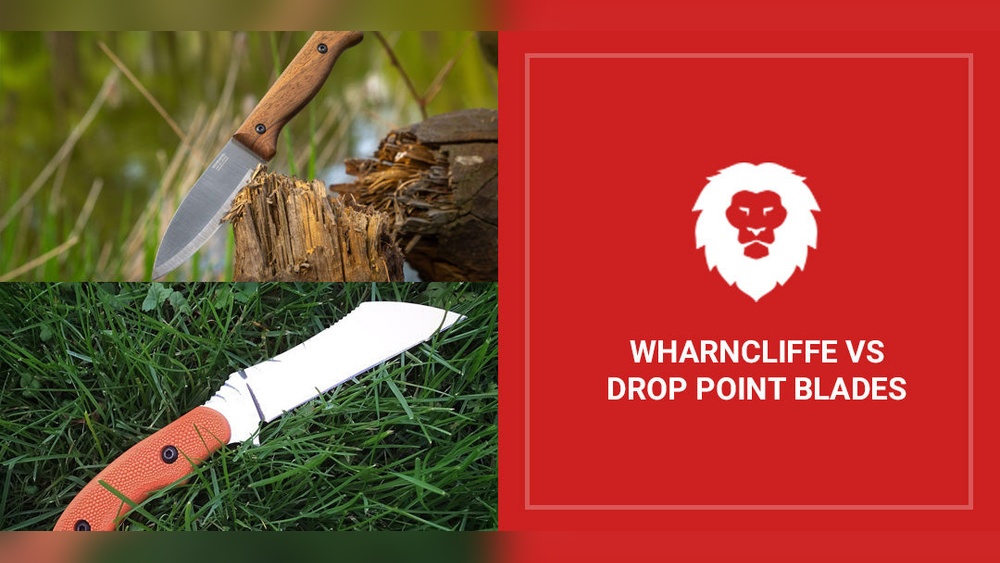
Drop Point Vs Wharncliffe: Ultimate Blade Showdown Explained
When it comes to choosing the right knife blade, you might feel overwhelmed by the many options available. Two popular choices you’ve probably heard of are Drop Point and Wharncliffe blades.
But which one suits your needs best? Understanding the key differences between these two can make a big difference in how your knife performs. By the time you finish reading, you’ll know exactly which blade style fits your tasks and preferences, helping you make a confident choice every time.
Let’s dive in and uncover what makes Drop Point and Wharncliffe blades unique.
Credit: www.knivesandtools.com
Blade Shape Basics
Blade shapes define how a knife cuts and performs. Understanding the basics helps you pick the right blade. Drop Point and Wharncliffe blades serve different uses. Each has unique designs and benefits.
Characteristics Of Drop Point Blades
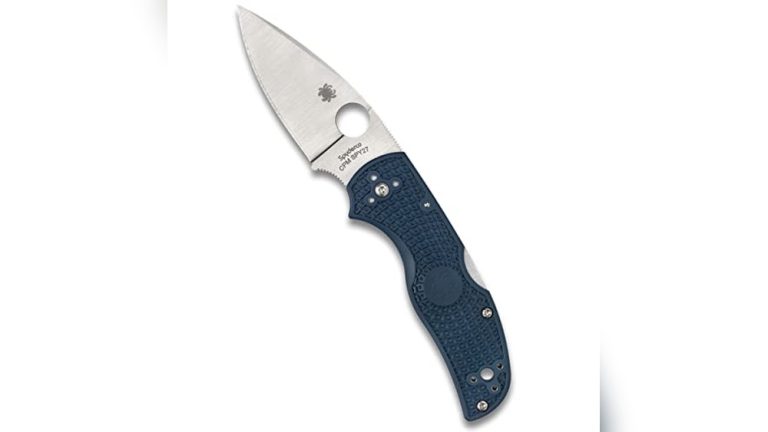
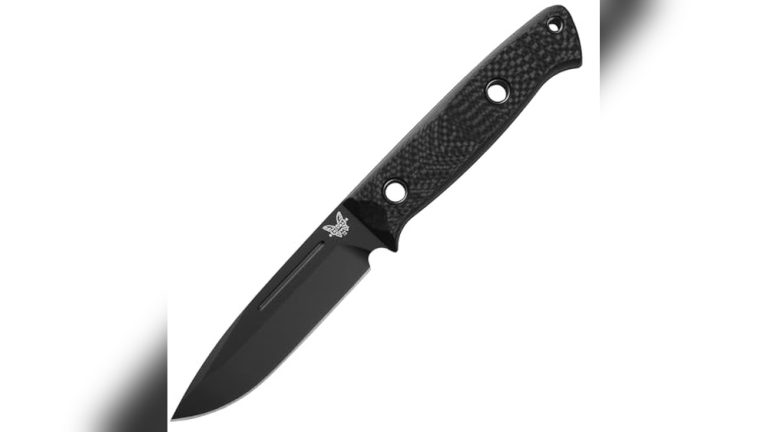
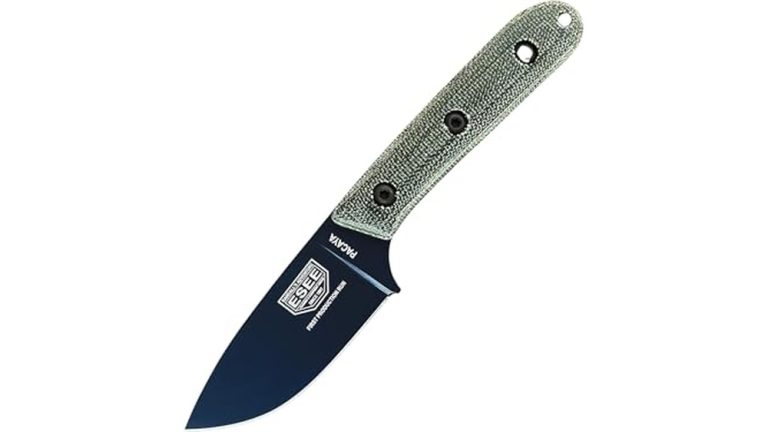
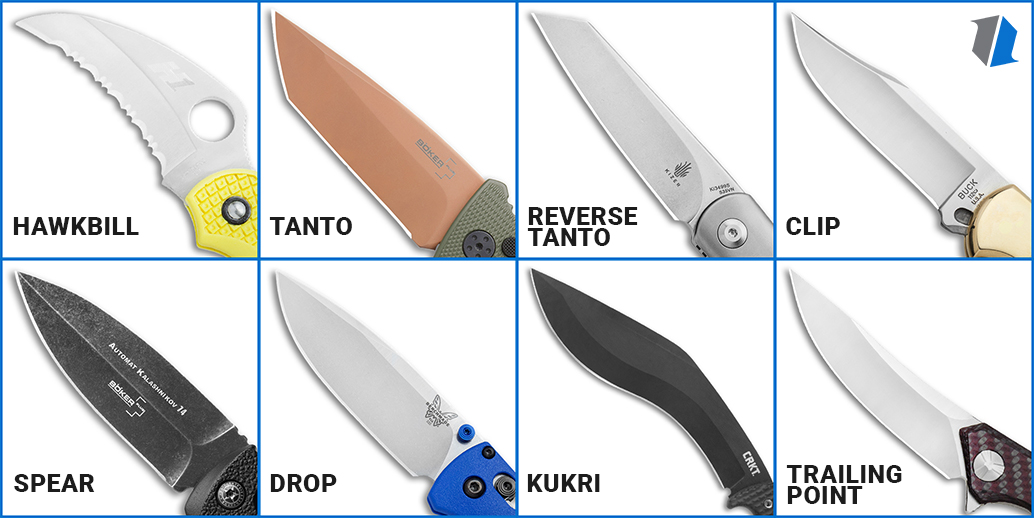
Drop Point blades have a curved spine that slopes down to the tip. This design makes the tip strong and easy to control. The wide belly allows smooth slicing and cutting. Hunters prefer Drop Point for skinning and general tasks. The thick tip reduces the chance of breaking during tough jobs. It suits both outdoor and everyday use.
Features Of Wharncliffe Blades
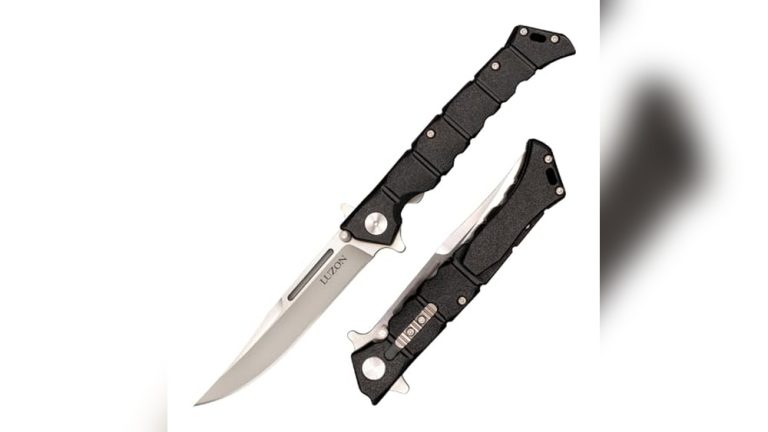
Wharncliffe blades have a straight edge and a spine that curves down sharply. This shape creates a strong, sharp tip for precise cuts. The straight edge works well for carving and detailed work. It offers better control for push cuts and fine slicing. Wharncliffe blades fit well for crafts and utility tasks. The design limits piercing but excels at guided cutting.
Credit: www.reddit.com
Design Differences
The Drop Point and Wharncliffe knives differ significantly in design. These differences affect their use and performance. Understanding the design features helps in choosing the right knife.
Blade Geometry Comparison
The Drop Point has a curved spine that slopes down to the tip. This creates a strong, thick point. The curve makes it good for controlled cuts and general use.
The Wharncliffe blade has a straight spine that tapers to a sharp point. The straight edge offers precise cutting and slicing. Its shape suits fine tasks and detail work.
Edge And Tip Structure
The Drop Point blade has a broad edge. It usually has a convex or flat grind. This gives a tough edge that can handle heavy work.
The Wharncliffe’s edge is straight and sharp. It often has a flat grind too. The tip is thin and precise, ideal for delicate cuts.
Performance And Use
The performance and use of Drop Point and Wharncliffe knives differ in many ways. Each blade shape suits different cutting tasks and styles. Understanding these differences helps in choosing the right tool for specific jobs.
Cutting Efficiency
Drop Point blades offer smooth, strong cuts. Their curved edge allows easy slicing and general use. Wharncliffe blades have a straight edge, perfect for push cuts. This shape works well for precise slicing and carving tasks.
Precision And Control
Drop Point knives provide good control with a thick tip. They handle tough tasks without breaking. Wharncliffe knives excel in precision. Their straight edge and fine tip offer excellent control for detailed work.
Durability And Strength
Drop Point blades are thick and sturdy. They resist bending and chipping in rough conditions. Wharncliffe blades are strong but less thick at the tip. They suit controlled cutting, not heavy-duty tasks.
Common Applications
Drop point and Wharncliffe blades serve different purposes based on their design. Each blade shape fits specific tasks better. Understanding common applications helps choose the right blade for your needs.
Everyday Carry Uses
Drop point knives are popular for everyday carry. Their curved blade allows easy slicing and general tasks. They handle opening packages, cutting ropes, and food prep well. Wharncliffe blades also suit daily tasks but excel at precise cuts. Their straight edge works great for carving and detail work.
Outdoor And Survival Tasks
Drop point blades shine in outdoor and survival settings. Their strong tip resists breaking during heavy use. They work well for skinning, chopping, and general camp duties. Wharncliffe knives help with fine control tasks like cutting bandages or making tinder. They offer safe, steady cuts without slipping.
Specialized Cutting Jobs
Wharncliffe blades excel in specialized cutting jobs. Their straight edge and sharp tip make them ideal for scoring and trimming. They work well on materials like leather, wood, and plastic. Drop point blades handle tougher cutting jobs needing power. Their thick spine adds strength for prying and heavy slicing.
Choosing The Right Blade
Choosing the right blade can make your cutting tasks easier and safer. Both Drop Point and Wharncliffe blades have unique shapes and uses. Knowing what fits your needs helps you pick the best one.
Task Requirements
Think about what you will cut most. Drop Point blades work well for general tasks. They have a curved edge that slices smoothly. Wharncliffe blades have a straight edge. They are perfect for precise cuts and carving. Each blade suits different jobs. Match the blade to your cutting needs.
User Preference
Comfort matters when holding a knife. Some people prefer the feel of a Drop Point blade. It feels balanced and strong. Others like the control a Wharncliffe blade offers. It lets you cut in tight spots easily. Try both blades to see what feels right. Your choice should fit your hand and style.
Maintenance Considerations
Keeping your blade sharp is important. Drop Point blades are easy to sharpen because of their curve. Wharncliffe blades need careful sharpening to keep the straight edge. Both blades need regular cleaning to stop rust. Choose the blade you can maintain well over time.
Credit: www.bladehq.com
Frequently Asked Questions
What Is The Main Difference Between Drop Point And Wharncliffe Blades?
Drop Point blades have a curved spine with a lowered tip, ideal for general use. Wharncliffe blades feature a straight spine and a sharp, angled tip, perfect for precision cutting and carving tasks.
Which Blade Is Better For Everyday Carry, Drop Point Or Wharncliffe?
Drop Point blades are better for everyday carry due to their versatility and strength. Wharncliffe blades excel in detailed cutting but may lack the durability for heavy tasks.
How Do Drop Point And Wharncliffe Blades Compare In Durability?
Drop Point blades offer more durability with a thicker tip, making them tougher. Wharncliffe blades have a thinner tip, which provides precision but is less durable for heavy use.
Are Wharncliffe Blades Suitable For Outdoor Activities?
Yes, Wharncliffe blades are suitable for outdoor activities that require precise cutting. However, Drop Point blades are generally preferred for rugged outdoor tasks due to their stronger tip.
Conclusion
Choosing between Drop Point and Wharncliffe depends on your needs. Drop Point offers a strong tip and versatile use. Wharncliffe has a straight edge, great for precision cutting. Both knives serve well in different tasks. Think about what you cut most often.
Comfort and blade style matter too. Either choice brings value to your collection. Try both to see which fits you best. The right blade makes work easier and safer. Simple choices lead to better results.