Kodachi Vs Wakizashi: Ultimate Showdown of Samurai Blades
Are you curious about the differences between a Kodachi and a Wakizashi? If you’ve ever wondered which one suits your style or what makes each unique, you’re in the right place.
These two traditional Japanese swords might look similar at first glance, but they have distinct features and uses that could change the way you see them. By the end of this article, you’ll know exactly how to spot the differences and understand which sword fits your needs best.
Keep reading—you won’t want to miss this!
Samurai Blades History
Samurai blades hold a special place in Japanese history. These weapons were more than tools. They symbolized honor, skill, and tradition. Each blade type served a unique purpose in battle and daily life. Understanding the history of kodachi and wakizashi helps us appreciate their roles.
Both blades share common roots but evolved differently. Their designs reflect the needs and culture of samurai warriors. Let’s explore the origins and evolution of kodachi and wakizashi.
Origins Of Kodachi
Kodachi means “small sword” in Japanese. It appeared during the Kamakura period (1185–1333). Samurai needed a shorter blade for close combat. Kodachi was easier to carry and quick to draw. It often measured between 12 to 24 inches.
This blade was ideal for fighting in tight spaces. It also served as a backup weapon. Kodachi blades had a curved shape similar to longer swords.
Wakizashi’s Evolution
Wakizashi developed alongside the katana in the Muromachi period (1336–1573). It is a short sword, usually 12 to 24 inches long. Samurai wore wakizashi with their katana as a pair, called daisho.
Wakizashi evolved to be a symbol of status and protection. It was used for close combat and indoor fighting. The blade’s design changed over time to improve balance and sharpness.
Role In Samurai Culture
Both kodachi and wakizashi had important cultural roles. Wakizashi was worn at all times, even indoors. It represented the samurai’s honor and readiness. Kodachi was less common but valued for its practicality.
Samurai used these blades in ceremonies and daily life. They were signs of rank and skill. Carrying these swords showed loyalty and discipline.
Credit: www.reddit.com
Design And Structure
The design and structure of the Kodachi and Wakizashi swords reveal their unique roles in Japanese history. Each sword shows a different style and purpose in its build. Understanding these differences helps to appreciate their value and use.
Blade Length And Shape
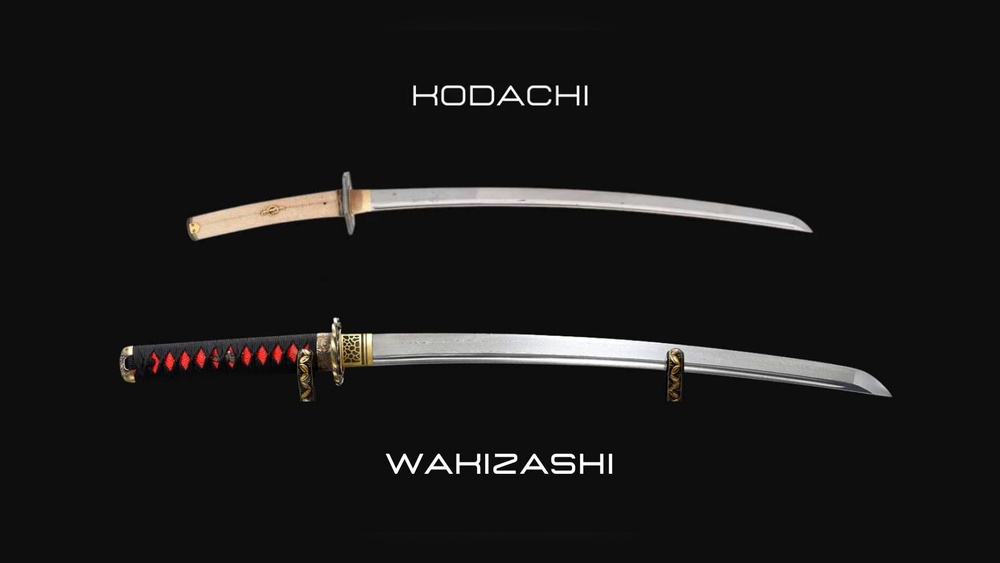
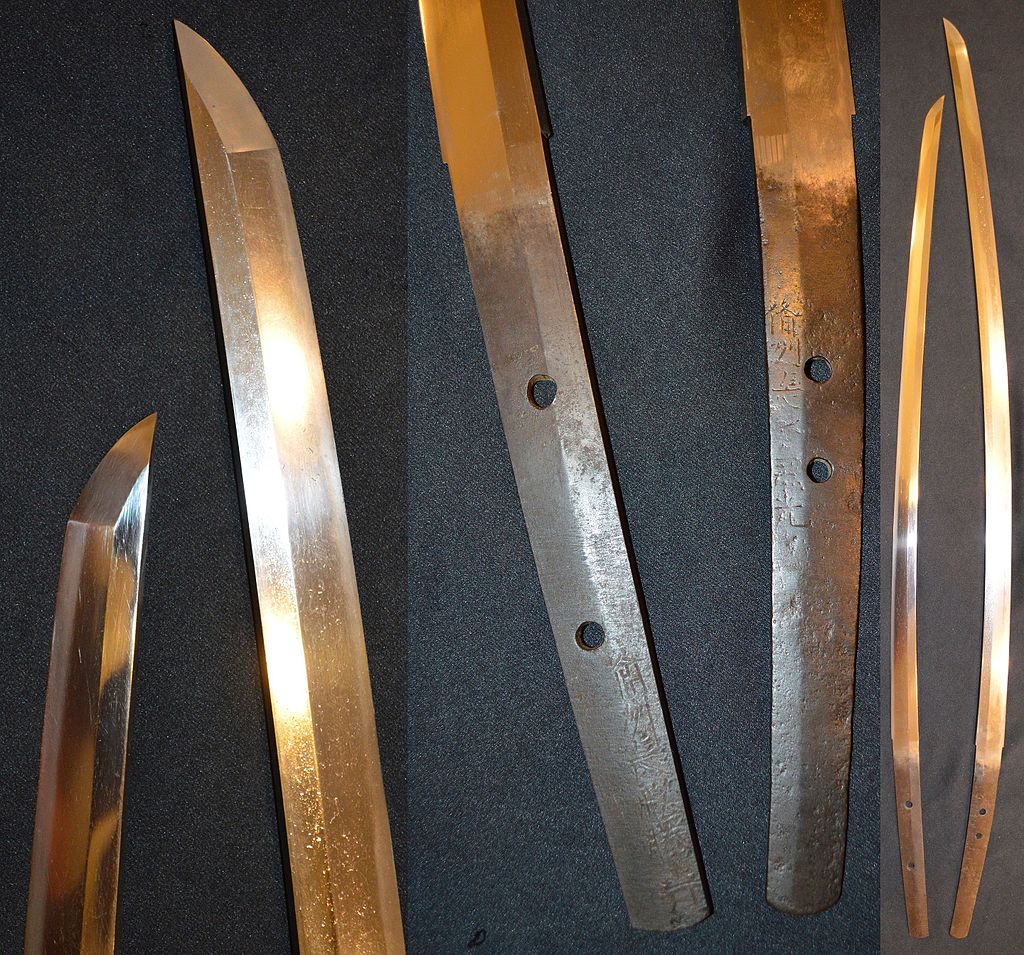
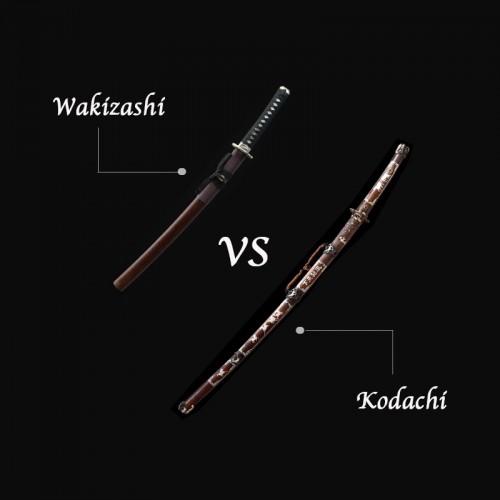
The Kodachi blade is shorter than the Wakizashi. It usually measures around 12 to 24 inches. The Wakizashi is longer, about 12 to 24 inches, sometimes reaching 27 inches. The Kodachi blade is straight or slightly curved. The Wakizashi has a more noticeable curve. Both blades have sharp edges, but their curves affect cutting style and speed.
Handle And Guard Features
The Kodachi handle is shorter to match its blade. It is simple and easy to grip with one hand. The guard, or tsuba, is small and round, focusing on function over decoration. The Wakizashi handle is longer. It supports a two-handed grip if needed. Its guard is more decorative, often featuring intricate designs. This adds both beauty and protection.
Materials And Craftsmanship
Both swords are made from high-quality steel. Swordsmiths use folding techniques to create strong blades. The Kodachi often has a simpler finish. The Wakizashi shows more detailed work in the blade and handle. This reflects its higher status among samurai weapons. Craftsmanship affects sharpness, durability, and overall balance.
Combat Uses
The combat uses of the Kodachi and Wakizashi differ based on their design and purpose. Both swords served warriors in close battles but had unique roles on the battlefield. Understanding these differences helps explain their place in Japanese martial history.
Each sword offers strengths that fit specific fighting styles and tactical needs. Their size and shape influence how fighters used them during combat.
Kodachi In Battle
The Kodachi is a short sword, longer than a dagger but shorter than a katana. It allowed quick, close-range strikes. Warriors used it mainly for fast attacks or defense when the main sword was too long.
Its length gave an advantage in tight spaces, like narrow paths or indoor fights. The Kodachi was often paired with a longer sword for flexible combat.
Wakizashi’s Versatility
The Wakizashi is a medium-length sword, shorter than a katana but longer than a Kodachi. It served many purposes, from fighting to everyday use. Samurai carried it as a backup weapon.
It worked well for quick draws and close combat. The Wakizashi was useful both in open battle and indoor fights, making it very versatile.
Tactical Advantages
The Kodachi’s small size allowed fast movements and surprise attacks. It was easier to handle in confined areas. Fighters could switch quickly between offense and defense.
The Wakizashi balanced reach and speed. It gave fighters more options in combat and could handle both slashing and stabbing. Its adaptability made it a preferred weapon for many samurai.
Credit: www.martialartswords.com
Ceremonial And Symbolic Roles
The kodachi and wakizashi hold deep ceremonial and symbolic meanings. Both swords played important roles beyond battle. Their presence often showed respect, status, and tradition in Japanese culture.
Understanding these roles helps to see why these swords mattered more than just weapons. They reflected honor, identity, and ritual practices.
Kodachi’s Symbolism
The kodachi symbolized agility and readiness. It was smaller, easier to carry, showing a warrior’s swift action. Nobles and samurai used it to represent their skill. The kodachi also stood for protection in close combat. It often appeared in ceremonies to highlight courage.
Wakizashi In Rituals
The wakizashi had a strong ritual importance. Samurai wore it during formal events to show discipline. It was part of the “daisho” set, symbolizing loyalty and honor. The wakizashi was used in seppuku, a ritual suicide, marking respect and bravery. It connected warriors to their ethical code.
Status And Honor
Both swords indicated social rank and respect. Wearing a kodachi or wakizashi showed a samurai’s place in society. The size and decoration of the sword often reflected wealth. These swords were gifts for loyalty or achievements. They served as badges of honor and trust.
Collecting And Modern Appeal
The kodachi and wakizashi swords hold special places in history and modern collections. Both blades attract collectors and enthusiasts for their unique designs and cultural importance. Their appeal goes beyond tradition, blending history with modern style and function.
Collectors admire these swords for their craftsmanship and stories. Today, many people enjoy owning them as art pieces or for martial arts practice. Proper care keeps these weapons in good condition and preserves their beauty.
Kodachi For Collectors
Kodachi swords are smaller and less common than wakizashi. This rarity makes them highly prized by collectors. Each kodachi tells a story about samurai life and Japanese culture. Collectors value original blades and well-made replicas. The unique shape and size add charm to any collection.
Wakizashi’s Popularity Today
Wakizashi swords remain popular among martial artists and collectors. They are easier to handle and display than longer swords. Modern craftsmen still create wakizashi using traditional methods. Many collectors appreciate their balance of beauty and function. Wakizashi often appear in movies, boosting their cultural fame.
Care And Maintenance Tips
Keep blades clean and dry to prevent rust. Use soft cloths for gentle cleaning after use. Oil the blade lightly to protect the metal surface. Store swords in a dry place, away from direct sunlight. Regular maintenance preserves the sword’s sharpness and value.
Choosing Between Kodachi And Wakizashi
Choosing between Kodachi and Wakizashi can be tough. Both swords have deep roots in Japanese history and culture. Each has unique features that fit different needs. Understanding their differences helps make a better choice.
Purpose And Preference
Kodachi is a short sword used mainly for close combat. It offers quick strikes and easy handling. Wakizashi is slightly longer and often paired with a katana. It serves well in defense and indoor fighting. Your preference depends on your fighting style and purpose.
Practical Considerations
Kodachi is lighter and easier to carry. It suits people who need speed and agility. Wakizashi is stronger and offers better reach. It works well for both battle and ceremonial use. Think about your daily use and comfort.
Expert Recommendations
Experts suggest choosing Kodachi for agility and short-range fighting. They recommend Wakizashi for versatility and traditional pairing. Training with both can improve skill and understanding. Listening to expert advice helps in making the right pick.
Credit: www.truekatana.com
Frequently Asked Questions
What Are The Main Differences Between Kodachi And Wakizashi?
Kodachi is shorter than a katana but longer than a wakizashi. Wakizashi is a traditional companion sword to the katana. Kodachi is often used as a standalone weapon, while wakizashi complements the katana in samurai pairs.
Which Sword Is Better For Close Combat, Kodachi Or Wakizashi?
Wakizashi is preferred for close combat due to its balanced length and agility. Kodachi offers more reach than wakizashi but less than a katana. Both excel in quick, precise strikes in tight spaces.
Can Kodachi And Wakizashi Be Used Together?
Yes, wakizashi is traditionally paired with a katana, while kodachi is often used alone. However, some samurai combined kodachi with a katana for versatile combat. Their use depends on the fighter’s style and preference.
How Do The Lengths Of Kodachi And Wakizashi Compare?
Kodachi blades typically range from 12 to 24 inches. Wakizashi blades usually measure between 12 and 24 inches but are often slightly shorter. Both swords fill the gap between a dagger and a katana.
Conclusion
The Kodachi and Wakizashi each have unique strengths. Kodachi is shorter and lighter, good for quick moves. Wakizashi is longer and offers better reach. Both swords played important roles in Japanese history. Choosing between them depends on personal style and needs.
Both remain popular with collectors and martial artists today. Understanding their differences helps appreciate their value. Explore both to find which fits you best.