Tanto Vs Reverse Tanto: Ultimate Blade Showdown Explained
When it comes to choosing a knife, the shape of the blade can make all the difference. You might have heard about Tanto and Reverse Tanto blades, but what really sets them apart?
Understanding these differences can help you pick the right knife for your needs, whether it’s for everyday use, outdoor adventures, or self-defense. You’ll discover exactly how Tanto and Reverse Tanto blades compare, and which one might suit your style better.
Ready to find out which blade is best for you? Let’s dive in.

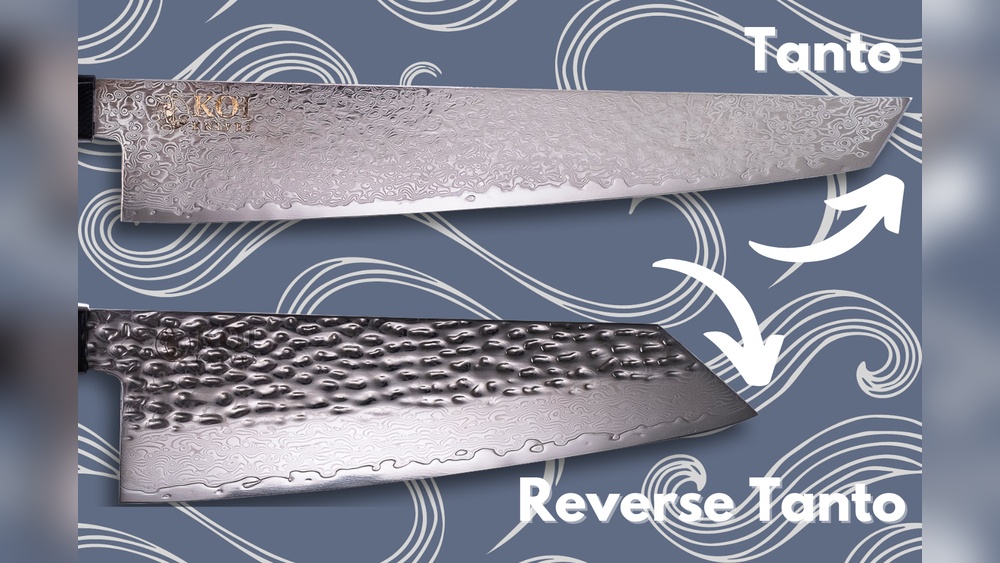
Credit: www.koiknives.com
Tanto Blade Style
The Tanto blade style is a popular design known for its strong tip and sharp edge. It originally comes from Japan and was used by samurai warriors. This blade shape offers excellent piercing ability and durability, making it a favorite for many knife users today.
Origin And History
The Tanto blade dates back to feudal Japan. It was created as a weapon for close combat. Samurai used the Tanto for stabbing and cutting. The design evolved over centuries to improve strength. It holds a special place in Japanese culture and history.
Design Features
The blade has a straight edge with a sharp angled tip. The tip is strong and less likely to break. It often has a flat grind for durability. The blade shape allows for precise piercing and slicing. Its thick spine adds extra strength to the tip.
Common Uses
The Tanto blade is popular in tactical and survival knives. It excels in piercing tough materials. Many use it for self-defense and outdoor activities. The blade style is also common in everyday carry knives. Its design suits tasks that need a strong, sharp point.
Reverse Tanto Blade Style
The Reverse Tanto blade style stands out with its sharp, angled tip that points upward. This design offers a unique blend of strength and precision. It is a favorite for many knife users who want a versatile and durable blade.
Evolution And Background
The Reverse Tanto blade evolved from the traditional Tanto blade. It flips the tip angle to face upward instead of downward. This change improves piercing ability while keeping the blade strong. The design originated in Japan and has since gained popularity worldwide.
Unique Characteristics
The blade tip is sharp and angled upward. This shape provides excellent control during cutting tasks. The spine of the blade often has a straight edge that runs to the tip. The Reverse Tanto is tough at the tip, making it less likely to chip or break.
Typical Applications
This blade style works well for tactical and survival knives. It excels at piercing tough materials and precision cutting. Many use it for outdoor activities like hunting and camping. It also suits everyday carry knives for people who need a strong, reliable blade.
Blade Shape Comparison
The blade shape plays a key role in knife performance. Tanto and Reverse Tanto blades have distinct shapes. Each shape affects how the knife cuts, holds, and handles pressure. Understanding their differences helps you pick the right blade for your needs.
Below is a detailed comparison of their blade shapes.
Edge Geometry
The Tanto blade has a straight edge with a sharp angled tip. This tip is created by two flat edges meeting at a point. The Reverse Tanto blade has a curved edge with the angled tip on the back side. This design gives a sweeping front edge for slicing.
The straight edge of a Tanto blade offers strong control for precise cuts. The Reverse Tanto’s curve allows for smoother, longer slicing motions.
Point Strength
Tanto blades have thick, reinforced tips. This makes them very strong and less likely to break. They perform well in piercing tasks that need extra tip strength.
Reverse Tanto tips are thinner and more delicate. They are good for detailed work but less durable under heavy pressure. The tip’s shape favors slicing over stabbing.
Cutting Efficiency
The straight edge of the Tanto excels in push cuts and chopping. It handles tough materials with ease. The Reverse Tanto’s curved edge glides through soft materials better. It offers smoother and faster slicing.
Each blade shape suits different cutting styles and tasks. The choice depends on what you cut and how you use your knife.
Durability And Strength
Durability and strength are key factors when choosing between Tanto and Reverse Tanto knives. These blades face tough use. They need to hold up under pressure. This section breaks down how these knives perform in real-world tasks. It helps you understand their toughness and longevity.
Impact Resistance
Tanto blades have a strong point designed for piercing hard materials. The thick tip resists chipping during impact. Reverse Tanto blades also have solid tips but with a different shape. Their design spreads force more evenly, reducing the chance of breaking. Both styles offer good impact resistance, but the original Tanto tip often handles heavy strikes better.
Tip Durability
The tip is the most vulnerable part of any knife. Tanto tips are very thick and reinforced. This makes them great for stabbing and prying. Reverse Tanto tips are sharper but thinner, making them better for precision work. They are less durable under heavy stress. Choose Tanto for tip strength. Choose Reverse Tanto for finer cutting.
Material Considerations
Blade material plays a big role in durability. High-carbon steel offers excellent strength but may rust without care. Stainless steel resists corrosion but can be softer. Both Tanto and Reverse Tanto knives use these materials. Heat treatment also affects hardness and toughness. Proper material and care boost the life of any blade.
Handling And Performance
Handling and performance are key factors in choosing between a Tanto and a Reverse Tanto blade. Each design offers unique features that affect how the knife feels and works in your hand. These differences impact grip, control, and tactical use.
Grip And Balance
The Tanto blade has a strong tip that balances well for piercing tasks. Its straight edge helps maintain a firm grip. The Reverse Tanto shifts weight slightly toward the handle. This gives better control during precise cuts. Both blades feel stable but suit different hand movements.
Precision And Control
Tanto blades excel at tough cutting and stabbing. Their sharp angles provide extra strength. Reverse Tanto blades offer more control for delicate work. The curved tip allows smoother slicing and detailed cuts. Each blade suits different precision needs.
Tactical Advantages
Tanto blades are tough and designed for piercing hard materials. They work well in defense and survival situations. Reverse Tanto blades offer faster drawing and more versatile cutting styles. They adapt better to close-quarters tasks. Choosing depends on the specific tactical use.
Choosing The Right Blade
Choosing the right blade is important for your knife’s performance. Both Tanto and Reverse Tanto blades have unique features. Picking the correct one depends on what you need the knife for, your experience, and how much care you can give it.
This guide helps you decide which blade suits you best. Consider your tasks, skill level, and maintenance ability before making a choice.
Intended Use Cases
Tanto blades excel in piercing tough materials. Their strong tip works well for tactical and survival tasks. Reverse Tanto blades offer a sharper point for slicing. They are good for cutting and detailed work. Think about what tasks you will do most.
User Skill Level
Beginners find Reverse Tanto easier to control. It allows safer and smoother cuts. Tanto blades need more care during use. Their tip can break if misused. Choose a blade that matches your skill and comfort.
Maintenance Needs
Tanto blades require regular sharpening to keep the tip strong. Reverse Tanto blades have simpler edges to maintain. Both blades need cleaning to avoid rust. Consider how much time you can spend on upkeep.
Popular Tanto And Reverse Tanto Knives
Tanto and reverse tanto knives are popular for their unique blade shapes and strong tips. These knives serve different purposes but share a common appeal among collectors and users. Many choose them for outdoor activities, self-defense, or everyday tasks.
The sharp, angled tip of the tanto blade offers excellent piercing ability. The reverse tanto features a curved edge near the tip, improving cutting and slicing. Both styles have distinct looks and practical uses.
Top Models
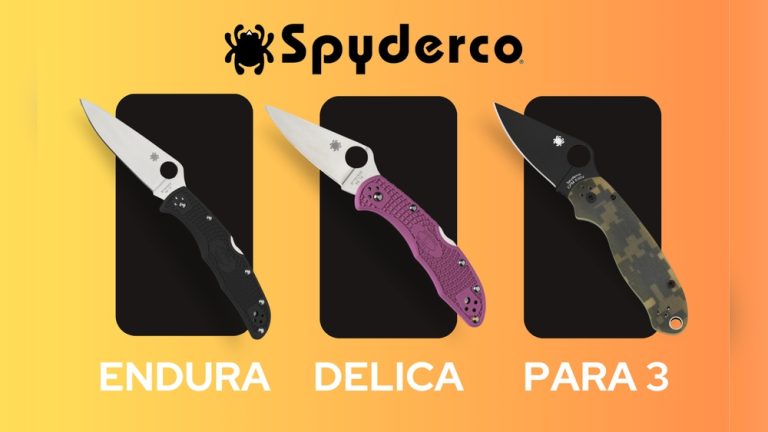
Several top tanto knives include the Cold Steel Recon 1 and the Benchmade 810 Contego. These knives provide durability and sharpness. For reverse tanto blades, the Spyderco Paramilitary 2 and Zero Tolerance 0350 stand out. They combine strong tips with smooth cutting edges.
Brand Comparisons
Cold Steel is known for tough tanto blades that hold up under pressure. Benchmade knives offer precision and quality materials. Spyderco creates versatile reverse tanto knives with ergonomic handles. Zero Tolerance focuses on heavy-duty construction and reliable locking mechanisms.
Price Ranges
Tanto knives range from budget options under $50 to high-end models above $300. Reverse tanto knives often start around $80 and can exceed $400. Prices depend on blade steel, handle material, and brand reputation. More affordable knives work well for casual use. Premium knives suit collectors and professionals.
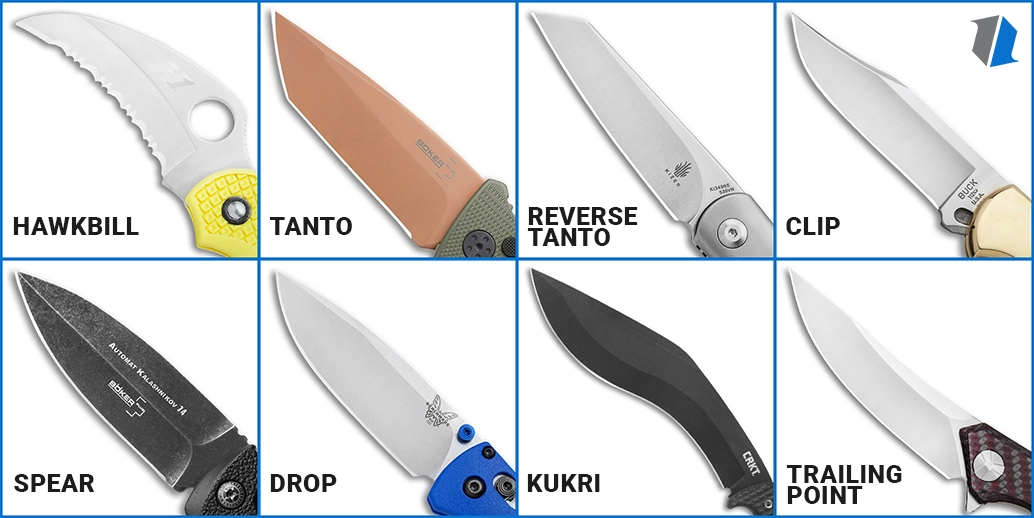
Credit: www.bladehq.com

Credit: www.reddit.com
Frequently Asked Questions
What Is The Main Difference Between Tanto And Reverse Tanto Blades?
Tanto blades have a straight edge with a sharp angled tip. Reverse Tanto blades curve upward near the tip, offering more slicing ability. This design difference affects cutting style and precision.
Which Blade Type Is Better For Tactical Use, Tanto Or Reverse Tanto?
Tanto blades are preferred for tactical use due to their strong tip. Reverse Tanto blades offer better slicing but less tip strength. Choose based on specific needs.
How Does The Blade Shape Affect Cutting Performance?
Tanto blades excel at piercing and stabbing. Reverse Tanto blades provide smoother slicing and control. The shape impacts how the blade handles different tasks.
Are Tanto And Reverse Tanto Blades Easy To Sharpen?
Tanto blades can be harder to sharpen due to angled tip edges. Reverse Tanto blades have smoother curves, making sharpening easier. Proper tools help maintain both.
Conclusion
Choosing between tanto and reverse tanto depends on your needs. Tanto blades offer strong tips for piercing tasks. Reverse tanto blades provide better slicing ability and control. Both styles have unique shapes and uses. Think about what tasks you do most.
Pick the blade that feels right in your hand. This helps you work safely and effectively. Knowing these differences makes your choice easier. Enjoy using the knife that fits your style best.