Clip Point Vs Drop Point: Ultimate Blade Showdown Explained
When choosing a knife, the shape of the blade can make a big difference in how well it works for you. Two popular styles you’ll often hear about are Clip Point and Drop Point blades.
But which one suits your needs best? Whether you’re into outdoor adventures, everyday tasks, or collecting knives, understanding the difference between these two blade types can change how you use your knife—and even how much you enjoy it. Keep reading, and you’ll discover which blade style fits your hand and your lifestyle perfectly.

Credit: www.reddit.com
Clip Point Design
The clip point design is a popular blade style found in many knives. It has a unique shape that makes it easy to handle and precise. This design is favored for its sharp tip and versatile use in various tasks. Understanding its shape and benefits helps in choosing the right knife for different needs.
Shape And Features
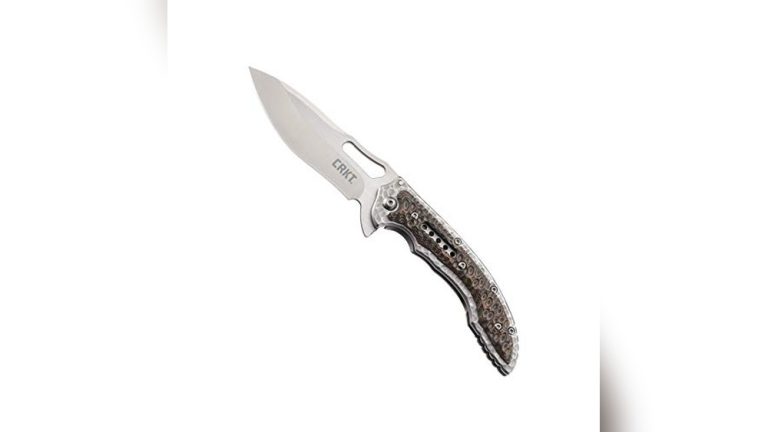
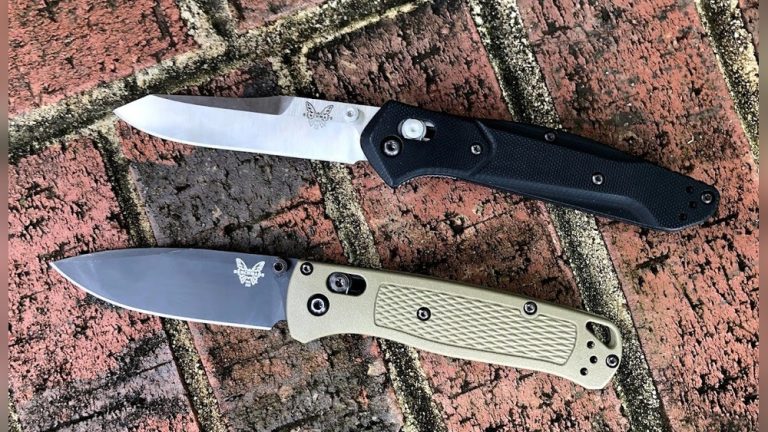
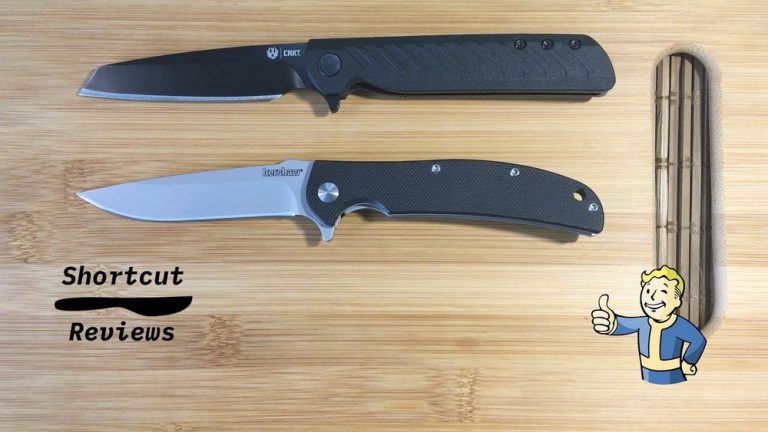
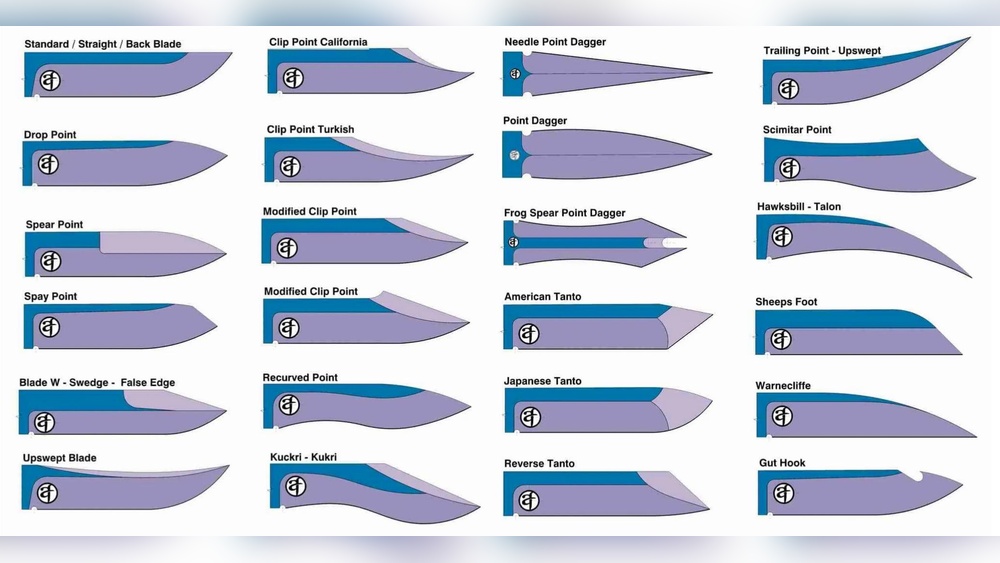
The clip point blade has a concave curve near the tip. This “clipped” part makes the tip thinner and sharper. The blade usually has a straight edge with a curved back. It offers a fine point for detailed work and piercing. The design also allows better control during cutting.
Historical Use
The clip point design dates back to the 19th century. It was common in hunting and fighting knives. Soldiers and hunters preferred it for its sharp tip and strength. The Bowie knife is a famous example with a clip point blade. Its history shows reliability and practical use in tough conditions.
Advantages In Cutting
The clip point blade excels at precise cuts and piercing tasks. Its sharp tip can easily penetrate materials. The shape allows clean slicing and detailed work. It works well for skinning and cutting small objects. The design balances strength with sharpness, making it a versatile tool.
Drop Point Design
The Drop Point design is a popular style for knife blades. It offers a strong tip and a curved edge. This design is common in hunting and outdoor knives. It balances strength and control, making it a reliable choice for many tasks.
Shape And Features
The Drop Point blade has a convex curve on the spine. The tip drops down slightly from the spine line. This creates a thick, strong point. The edge curves gently to the tip. This shape helps with precision cutting and slicing.
Historical Use
Drop Point knives have long been used by hunters. Early designs helped with skinning animals. The strong tip allowed for careful work without breaking. Outdoorsmen also favored this design for general use. It remains a trusted style for many knife makers.
Advantages In Durability
The thick spine near the tip adds strength. This reduces the chance of the tip breaking. The curved edge spreads pressure evenly during cutting. It resists chipping better than sharper, thinner tips. The Drop Point blade is durable and tough for hard tasks.
Performance Comparison
Comparing the performance of clip point and drop point knives helps to choose the right blade. Each design has unique strengths and fits different tasks well. Understanding these differences makes selecting easier.
Precision And Control
Clip point blades offer a sharp, narrow tip. This design helps with detailed cutting and fine work. The tip allows better control for tasks that need accuracy.
Drop point blades have a thicker, rounded tip. This shape gives less precision but more stability. It works well for general cutting without the risk of breaking the tip.
Strength And Durability
Drop point knives are strong due to their thick tip. They resist bending or breaking during tough jobs. This makes them reliable for heavy-duty use.
Clip point blades are thinner at the tip. They can be more fragile under pressure. Users should avoid forceful tasks that risk damaging the point.
Versatility In Tasks
Drop point knives handle many jobs well. They suit hunting, slicing, and everyday cutting tasks. Their balanced design adapts to various needs.
Clip point blades excel at detailed work like piercing and carving. They are less suited for heavy chopping or prying. This limits their use in rough conditions.
Choosing The Right Blade
Choosing the right blade is key to getting the most from your knife. Different blades serve different purposes. Picking the right shape helps you work smarter and safer. Clip point and drop point blades each have their strengths. Understanding these helps you decide which fits your needs best.
Everyday Carry Needs
Clip point blades offer sharp, precise tips. They excel at detail work like cutting strings or opening packages. Drop point blades have strong, wide tips. They handle tougher tasks like slicing or light prying. For daily use, think about the tasks you do often. Choose a blade that feels comfortable and suits those tasks.
Outdoor And Survival Use
Drop point blades are popular outdoors. Their thick tips resist breaking during tough jobs. They work well for chopping, carving, and food prep. Clip point blades provide fine control for delicate tasks. They may be less durable under heavy use. Pick a blade that matches your adventure type and tool needs.
Hunting Applications
Hunters often prefer drop point blades. The broad tip helps skin animals cleanly and safely. Clip point blades offer sharp points for precise cuts. They can reach into tight areas during field dressing. Consider your hunting style and the game you pursue. Select a blade that aids your efficiency and safety.
Maintenance Tips
Proper maintenance keeps your knife blades sharp and safe. Both clip point and drop point knives need regular care. Good habits extend their life and performance. Here are easy tips to maintain them well.
Sharpening Techniques
Use a sharpening stone or a guided sharpener. Keep the blade angle steady between 20 and 25 degrees. Move the blade evenly across the stone. Sharpen both sides equally to keep balance. Test sharpness with a paper slice or light touch.
Preventing Wear
Avoid cutting hard materials like metal or stone. Clean the blade after every use. Dry it well to stop rust. Apply a light oil layer to protect the metal. Check screws and handles regularly for tightness.
Storage Recommendations
Store knives in a dry place away from moisture. Use a sheath or blade cover to prevent damage. Avoid tossing knives in drawers loosely. Magnetic strips or knife blocks keep blades safe and ready. Keep knives out of reach of children.

Credit: www.reddit.com

Credit: www.youtube.com
Frequently Asked Questions
What Is The Main Difference Between Clip Point And Drop Point Knives?
The clip point has a concave or straight clipped tip, ideal for precision tasks. Drop point features a convex curve, offering strength and control for general use.
Which Knife Type Is Better For Hunting, Clip Or Drop Point?
Drop point knives are preferred for hunting due to their strong tip and better control. Clip points are sharper but more prone to tip damage.
Are Clip Point Knives Good For Everyday Carry?
Yes, clip point knives are popular for everyday carry. Their sharp tip is great for detailed cutting and piercing tasks.
How Does The Drop Point Blade Improve Durability?
Drop point blades have a thicker, rounded tip. This design reduces the risk of breaking during tough tasks, enhancing durability.
Conclusion
Both clip point and drop point knives have unique strengths. Clip point blades offer sharp tips for detailed work. Drop point blades provide strong tips for tough tasks. Choose the style that fits your needs best. Think about what you cut most often.
Both designs serve well in different situations. Understanding these differences helps you pick wisely. Your choice makes cutting safer and easier. Simple shapes, clear uses. That’s the key.